

Executive Overview
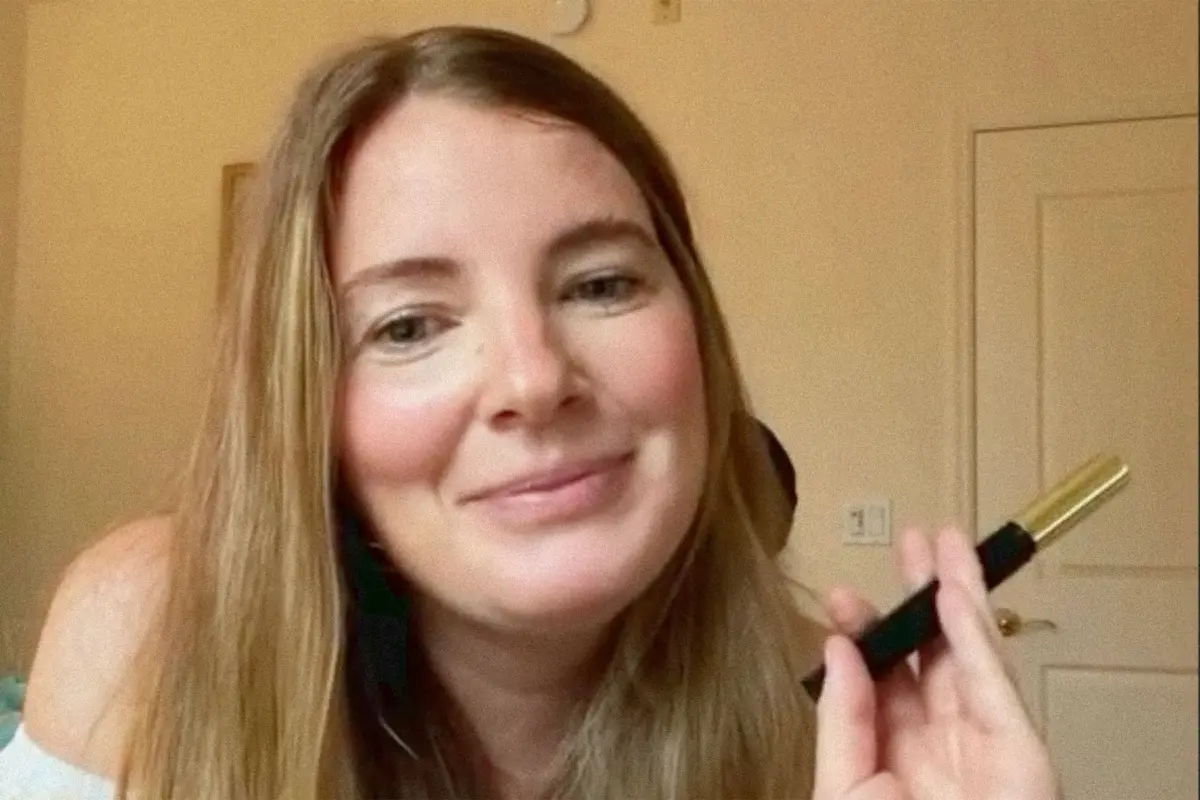
Brooke Eby, a towering figure in modern health advocacy, digital storytelling, and patient empowerment, has passed away at the age of 37. Her death, officially announced by the ALS Network on October 1, marks the quiet end of a fiercely loud, uncompromisingly honest chapter in the ongoing war against amyotrophic lateral sclerosis (ALS). For over four years, Eby transformed herself from a private citizen facing a terrifying medical prognosis into a defining, globally recognized voice for hundreds of thousands of followers, patients, and researchers.
Diagnosed at the age of 33—decades younger than the typical demographic for the disease—Eby refused to let her diagnosis be swallowed by clinical detachment or hushed away in private grief. Instead, she took her daily reality to TikTok and other digital platforms, amassing an audience of over 300,000 followers. Through a potent mix of biting wit, unfiltered vulnerability, and pitch-black humor, she pulled back the clinical curtain on a degenerative condition that most people prefer to ignore.
Whether she was casually taking her daily prescription medications through a makeshift beer bong or laying bare the crushing emotional toll of a failed respiratory exam, Eby operated on a singular, revolutionary philosophy: Show, don’t tell.
Her impact stretched far beyond viral videos and algorithmic metrics. Eby founded "ALS Together," a vital digital peer-support network hosted on Slack that gave newly diagnosed individuals a safe haven to mourn, connect, and navigate the bureaucratic and emotional nightmares of terminal illness. In June 2026, her relentless efforts were formally recognized when the ALS Network honored her with the prestigious Dean and Kathleen Rasmussen Advocate of the Year Award.
Though she claimed she did not care about legacy—laughingly brushing off traditional notions of posthumous praise in interviews—her fingerprint on ALS awareness is indelible. She forced the world to look directly at a fatal illness through the eyes of a vibrant, funny, relatable young woman, ensuring that anyone who crossed her digital path now has, as she famously put it, "a dog in this fight."
Detailed Chronology: From Shock Diagnosis to Global Digital Advocacy
The Turning Point: 2021
The timeline of Brooke Eby’s public advocacy began with a devastating, life-altering medical intervention. At just 33 years old—an age when most individuals are aggressively climbing career ladders, building families, or simply navigating the complexities of young adulthood—Eby received a diagnosis of amyotrophic lateral sclerosis (ALS), commonly referred to as Lou Gehrig’s disease.
Statistically speaking, ALS is predominantly a disease of older adults, with the highest incidence rates occurring in individuals aged 60 and older. To be struck down in one’s early thirties is an statistical anomaly, but for Eby, it was an immediate death sentence. The average life expectancy for an ALS patient following the onset of initial symptoms is a merciless two to five years. The motor neurons responsible for controlling voluntary muscles steadily degenerate and die, leading to progressive paralysis, the loss of speech, the inability to swallow, and, ultimately, respiratory failure.
Rather than retreating into the shadows to process the terminal prognosis, Eby spent her initial months reconciling the physical decline with an unshakeable instinct to educate. She recognized early on that traditional medical awareness campaigns—sterile infographics, abstract statistics, and detached fundraising drives—failed to capture the true, visceral horror of the disease, nor did they inspire genuine emotional urgency in the general public.
The Rise of the "Show, Don’t Tell" Methodology (2022–2024)
By leveraging short-form video platforms, specifically TikTok, Eby pioneered a radically transparent approach to terminal illness. Traditional societal expectations dictate that those facing death should do so with quiet dignity, grace, and an inspiring, sanitized optimism. Eby systematically dismantled these expectations.
Her content was daring, uncomfortable, hilarious, and entirely human. She documented the slow, agonizing erosion of her physical independence without ever slipping into self-pity or martyrdom. If she needed to ingest medication, she might do so with a beer bong, injecting absurd humor into an otherwise grim clinical routine. When tracking the strength of her respiratory system, she would speak with devastating, matter-of-fact honesty about the fear, anger, and frustration of failing a breathing test.
This approach was intentional. Eby understood that humanity connects with faces, not fractions. By positioning herself as a digital friend, sister, or daughter to hundreds of thousands of strangers, she engineered a parasocial bond with a deeply serious purpose. She wanted her followers to feel personally aggrieved by her deterioration—not just out of sorrow for her, but out of righteous anger toward a medical establishment that has failed to produce a cure or meaningful clinical progress for decades.
Community Building and Final Recognition (2025–2026)
As her physical condition deteriorated, Eby’s focus shifted increasingly toward systemic peer support. Recognizing that a clinical diagnosis often isolates patients from those who truly understand their suffering, she established "ALS Together," a digital Slack channel designed to give individuals diagnosed with the disease a dedicated space to talk, cry, vent, and share practical survival advice without judgment.
Her efforts gained widespread critical acclaim. In June 2026, the ALS Network formally acknowledged her monumental contributions by presenting her with the Dean and Kathleen Rasmussen Advocate of the Year Award. Yet, even as accolades mounted and major media outlets like Rolling Stone profiled her "death diaries," Eby remained remarkably grounded, refusing to romanticize her suffering or inflate her ego.
Her journey concluded in the fall of 2026, with the ALS Network announcing her passing on October 1. Even in death, her digital archives remain active, serving as an unyielding educational resource and a permanent monument to her courage.
Supporting Context & Metrics: Understanding the Landscape of ALS
To fully appreciate the scope of Brooke Eby’s advocacy, one must examine the clinical, demographic, and systemic realities of amyotrophic lateral sclerosis.
The Clinical Reality of ALS
ALS is a progressive neurodegenerative disease that affects nerve cells in the brain and the spinal cord. As motor neurons—which run from the brain to the spinal cord and from the spinal cord to muscles throughout the body—degenerate, they lose their ability to initiate and control muscle movement. When the muscles no longer receive nourishment from the motor neurons, they atrophy (waste away) and result in muscle weakness, twitching (fasciculations), and eventual paralysis.
According to data compiled by the Mayo Clinic and epidemiological researchers:
- Incidence: Approximately 1 in every 400 people will develop ALS during their lifetime.
- Age Distribution: While the condition can strike at any age, the vast majority of diagnoses occur in individuals between the ages of 60 and 80. Eby’s diagnosis at age 33 places her in a rare, exceptionally vulnerable sub-demographic.
- Prognosis: The disease is universally fatal. Once symptoms manifest, the median survival rate is two to five years, though a small percentage of patients (such as renowned physicist Stephen Hawking) live significantly longer with intensive medical intervention.
- Symptom Progression: Early symptoms often manifest as muscle weakness in the hands, feet, or limbs, slurred speech, or trouble swallowing. As the disease advances, patients lose the ability to walk, dress, write, speak, and breathe independently, requiring feeding tubes and mechanical ventilation, while cognitive function frequently remains intact—meaning patients are painfully aware of their physical imprisonment.
The Economics and Institutional Stagnation of Research
For decades, patient advocates have pointed to a profound stagnation in effective therapeutic development for ALS. While rare disease funding has seen incremental improvements, the fundamental treatment options remain profoundly limited. Riluzole and Edaravone—the primary FDA-approved medications designed to slow disease progression—offer only modest extensions of life rather than a halt or reversal of neurodegeneration.
This clinical stagnation fueled Eby’s public fury. By shrinking the massive, faceless statistical probability of ALS down to her own lived experience, she exposed the human cost of delayed clinical research. Her platform transformed passive social media scrollers into active participants in the fight for regulatory reform, increased research funding, and accelerated access to experimental clinical trials.
Official Statements and Tributes
The global rare disease community, institutional leaders, and close collaborators responded to Eby’s passing with profound grief, celebrating a woman who fundamentally altered the discourse surrounding terminal illness.
Sheri Strahl, President and CEO of the ALS Network, released an official statement capturing the profound institutional and personal loss felt by those who worked alongside Eby:
"Brooke changed the way people see ALS, but she also changed the way people living with ALS find and support one another. She brought humor into incredibly difficult moments, spoke with fearless honesty, and created connection where it was desperately needed. We are heartbroken by her passing and profoundly grateful that we had the privilege of knowing her, working alongside her, and celebrating her. Brooke’s impact will live on in every person she reached and throughout the community she created."
Fellow activists, medical professionals, and digital creators flooded social media channels with tributes, emphasizing her refusal to adopt the "inspiration porn" tropes often forced upon disabled and terminally ill individuals. Eby did not want to be viewed as a saintly figure enduring tragedy with quiet grace; she wanted to be viewed as a fierce, angry, funny young woman robbed of her future by an indifferent disease.
In her final major interview with Rolling Stone in 2025, Eby offered a characteristically blunt perspective on her impending mortality and the concept of legacy:
"People are always talking about legacy and whatever. I don’t really care. All I really care that people remember is someone like me could get this disease, and that it took me as quickly as it did. As long as when they hear the word ALS, they can picture a face, whether it’s mine or someone else’s. I can’t be embarrassed once I’m dead."
Future Outlook: The Enduring Blueprint of Modern Patient Advocacy
Brooke Eby’s passing closes a vital chapter in digital health advocacy, but the framework she constructed will reverberate through the medical and patient communities for decades to come.
Redefining Patient-Led Advocacy in the Digital Age
Before platforms like TikTok democratized health communication, rare disease advocacy was largely dictated by legacy non-profit organizations, institutional press releases, and sanitized corporate fundraising campaigns. Eby proved that raw, unvarnished peer-to-peer digital storytelling possesses far greater emotional resonance and mobilization power than any institutional marketing campaign.
By demonstrating how to utilize humor as a survival mechanism and radical transparency as a political weapon, she provided a masterclass for future generations of patients facing terminal or chronic illnesses. Her work established that vulnerability is not a weakness, but a potent catalyst for systemic change.
The Ongoing War Against ALS
As the medical community continues to grapple with the complexities of neurodegeneration, the void left by Eby’s passing will be keenly felt. Yet, the networks she galvanized—including the Slack-based community ALS Together and the tens of thousands of followers radicalized by her digital "death diaries"—remain active on the front lines.
The challenge ahead for researchers, regulatory bodies, and healthcare institutions is to match the fierce urgency that Eby brought to her final years. Funding streams must expand, clinical trial bottlenecks must be eliminated, and the lived experiences of patients must remain at the absolute center of therapeutic development.
Brooke Eby may have lost her physical battle with ALS, but through her unyielding voice, she permanently inscribed her face, her wit, and her fury onto the collective consciousness of the world. Whenever the word ALS is spoken, people will no longer picture an abstract medical textbook definition; they will picture Brooke—fearless, unyielding, and forever demanding a cure.