

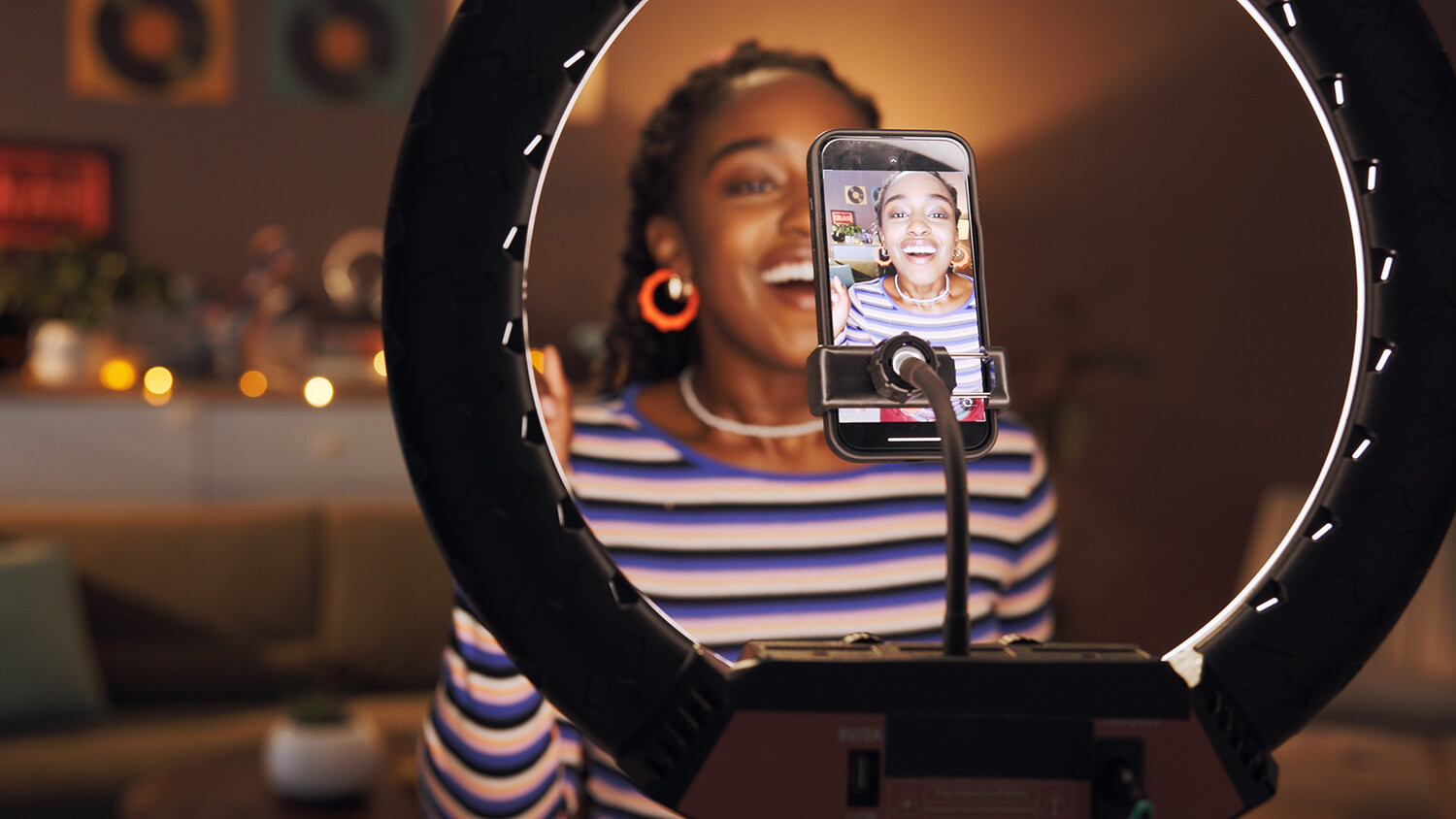
ST. PETERSBURG, Florida — In an era defined by fractured attention spans and algorithmic curation, modern journalism faces a high-stakes migration. Traditional news audiences are abandoning legacy mediums in droves, opting instead for the hyper-personalized, fast-paced environments of social media and short-form video platforms. For professional reporters, this shift presents both an existential challenge and a monumental opportunity: how to translate rigorous, deeply reported investigative journalism into a 30-second TikTok, an engaging Instagram Reel, or a high-impact YouTube Short without sacrificing depth, accuracy, or professional integrity.
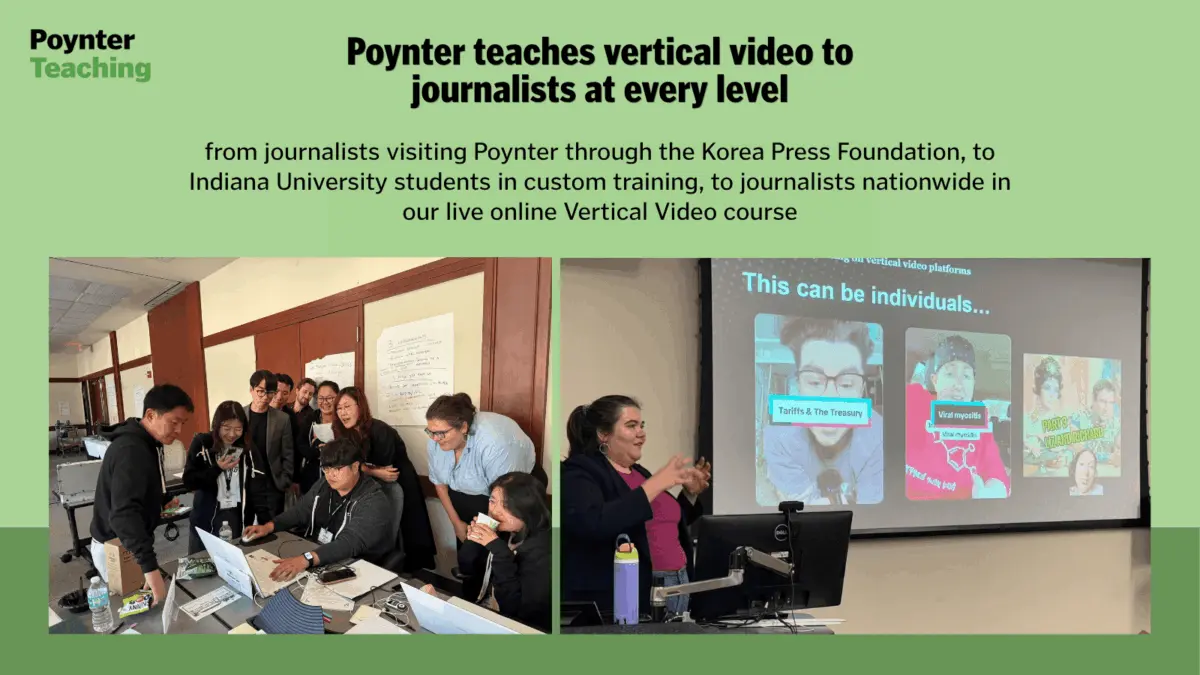
Recognizing the acute urgency of this digital transformation, the renowned Poynter Institute has officially launched a comprehensive, self-directed curriculum titled Vertical Video Basics for Journalists. Building on the explosive popularity of its pilot live online course launched in July 2026—which hit maximum capacity within weeks and left a substantial waiting list—this new on-demand offering aims to democratize vertical storytelling. Designed to demystify the mechanics of mobile-first video production, the program provides reporters, editors, and digital creators with a systematic, repeatable framework to stop the endless scroll and bring vital, fact-based reporting directly to the digital spaces where modern audiences spend the vast majority of their time.
Executive Overview: Bridging the Gap Between Print and Platform
The modern news ecosystem is dictated by a brutal economic and cultural reality: if journalism does not meet its audience where they live, work, and scroll, it ceases to exist in any culturally relevant capacity. For generations, journalism schools and newsrooms trained reporters to master inverted pyramids, headline writing, and broadcast voiceovers. Today, however, the primary gateway to public discourse is the smartphone screen, viewed vertically, with sound often muted and attention spans measured in single-digit seconds.
This disconnect has bred widespread anxiety and professional hesitation within traditional newsrooms. Many seasoned journalists experience acute "imposter syndrome" when confronted with the seemingly casual, performative nature of short-form video content. They view platforms like TikTok and Instagram as the exclusive domain of digital natives, influencers, and entertainment creators, mistakenly believing that serious reporting cannot coexist with vertical video trends.
Poynter’s new educational initiative directly confronts this psychological and technical barrier. By packaging years of institutional experimentation and audience data into an accessible, two-hour on-demand program, the Institute seeks to prove that a journalist’s core competencies—deep research, investigative instincts, contextual framing, and verified authority—are actually the most powerful tools available for creating compelling, trustworthy social video. Rather than asking journalists to abandon their core values, Vertical Video Basics for Journalists teaches them how to weaponize their reporting skills for the algorithmic age, ensuring that vital civic information pierces the digital noise.
Detailed Chronology: From Pilot Success to On-Demand Innovation
The path to Poynter’s comprehensive vertical video curriculum is rooted in a deliberate, step-by-step institutional response to the shifting media landscape.
- Early 2026 and Prior: Recognizing the steady erosion of web traffic coming from traditional search engines and aggregators, Poynter’s audience engagement team—comprising Josie Hollingsworth, TyLisa C. Johnson, and Ellen Hine—began systematically analyzing what it takes for legacy-style journalism to break through on modern social feeds. Drawing on the institutional success of projects like MediaWise and PolitiFact, the team identified a critical skills gap in the broader journalism community. While newsrooms understood why they needed to be on TikTok and Reels, frontline reporters rarely knew how to execute it efficiently.
- July 2026: Poynter rolled out its inaugural live online course, Vertical Video for Creators and Journalists. Designed to test market demand and refine pedagogical approaches, the live offering exceeded all expectations. It filled to capacity within a matter of weeks, instantly generating a robust waiting list of journalists, independent creators, and institutional newsroom leaders hungry for practical guidance.
- October 6, 2026: Capitalizing on the overwhelming demand and the clear, industry-wide need for continuous professional development, Poynter officially launched the permanent, self-directed version of the course. By transitioning the curriculum to an on-demand format, the Institute removed geographical and scheduling barriers, allowing journalists anywhere in the world to access the training at their own pace, integrate the lessons into active daily reporting cycles, and earn a recognized Poynter certificate of completion.
Supporting Context & Metrics: The Science of Stopping the Scroll
To understand why Poynter’s curriculum is uniquely positioned to help journalists, one must examine the empirical foundation upon which the course is built. The instruction is not based on theoretical guesswork; it is forged from Poynter’s own extensive, multi-year track record of vertical video experimentation across its sprawling network of educational and fact-checking brands.
Institutional Scale and Reach
Poynter’s internal social channels currently capture a staggering 700,000 monthly users across various video platforms. Over the past five years, the Institute has successfully conceptualized, launched, and sustained 10 distinct video series spanning three core organizational brands. This multi-brand approach includes pioneering work by MediaWise—such as the recently debuted MediaWise Teen Creator Network—and high-impact collaborations with prominent digital creators like Dave Jorgenson of Local News International and V Spehar of Under the Desk News.
The Anatomy of the 3-Second Hook
One of the most profound paradigm shifts emphasized in the curriculum is the compression of narrative time. Journalists accustomed to writing 1,000-word investigative features or producing three-minute broadcast packages must drastically recalibrate their sense of pacing.
According to Josie Hollingsworth, the battle for audience attention is won or lost in the opening moments of a video. "Within those first three to six seconds, that’s all you have for capturing the attention of an online audience," Hollingsworth explains. To conquer this barrier, the course instructs participants to employ a rigorous pre-production testing method: writers are taught to draft five or six distinct hooks for a single story, test how they play out visually and audibly, and select the angle that maximizes emotional resonance and intellectual curiosity before the viewer’s thumb can flick the video away.
Curriculum Structure and Practical Toolkits
Designed specifically with beginners in mind, the approximately two-hour on-demand course strips away the intimidation factor of video editing software and algorithmic anxiety. It combines bite-sized instructional modules with hands-on exercises and five essential downloadable resources:
- A Visual-First Script Template: Helping writers break free from dense, paragraph-based thinking to visualize text alongside imagery.
- A Social Video Story Structure Template: Guiding the pacing and narrative arc from hook to resolution.
- A Video Metrics Tracker: Empowering journalists to analyze performance data rationally rather than emotionally.
- On-Demand Instructional Modules: Covering framing, lighting, mobile editing, and camera presence.
- A Randomized Final Assessment: Ensuring comprehension and earning participants a verified Poynter certificate of completion.
Official Statements & Industry Perspectives
The release of Vertical Video Basics for Journalists comes at a critical juncture for the Fourth Estate, as newsrooms grapple with declining trust, revenue pressures, and shifting media consumption habits. Leadership at the Poynter Institute emphasizes that mastering these new distribution channels is not a superficial pursuit of vanity metrics, but a vital democratic imperative.
Addressing the psychological hurdles that hold reporters back, Josie Hollingsworth points out the irony of professional self-doubt:
"There is a natural imposter syndrome—feeling like an outsider or not being skilled enough—when really, everyday people create videos and post them online all the time with no forethought at all!"
Hollingsworth argues that professional journalists possess an unfair advantage in the creator economy if they can simply learn to trust their foundational skills.
"A journalist’s experience, authority around a topic, reporting, research, and instincts are the most powerful tools in their toolbox to create informative and, I daresay, entertaining videos."
Jennifer Orsi, Vice President of Publishing and Local News Initiatives at the Poynter Institute, underscores the broader mission of the initiative. By making the course self-directed and universally accessible, Poynter is actively reinforcing the resilience of the information ecosystem. Ensuring that credible, verified reporting occupies space in the social feeds of younger and digitally native generations is essential for maintaining a healthy public discourse and preserving democratic accountability.
Future Outlook: The Next Generation of Civic Storytellers
As short-form vertical video continues to dominate the digital landscape—expanding rapidly from entertainment and lifestyle content into the primary news-gathering space for Gen Z and Millennials—the traditional newsroom model must continue to evolve. The launch of Poynter’s self-directed course signals a maturing of digital journalism, moving past the phase of awkward experimentation into an era of structured, professionalized short-form reporting.
Looking ahead, the success of this initiative will likely be measured by how effectively traditional journalists can integrate these modular workflows into daily newsroom operations. If reporters can routinely pivot from writing deep-dive print features to scripting punchy, 45-second vertical breakdowns of complex policy decisions, financial scandals, or local government actions, the public sphere will be immeasurably enriched.
By demystifying the tools of digital engagement, the Poynter Institute is doing more than teaching technical editing skills; it is safeguarding the future of investigative reporting. In a world where algorithms dictate visibility, Poynter’s new course ensures that truth, authority, and rigorous fact-checking are given a fighting chance to stop the scroll, capture the public imagination, and reclaim the narrative space where tomorrow’s citizens live.
Media Contact & Organizational Information
- Jennifer Orsi
Vice President, Publishing and Local News Initiatives
The Poynter Institute
Email: [email protected]
About The Poynter Institute:
The Poynter Institute is a global nonprofit working to address society’s most pressing issues by teaching journalists and journalism, covering the media and the complexities facing the industry, convening and community building, improving the capacity and sustainability of news organizations, and fostering trust and reliability of information. As the gold standard in journalistic excellence, Poynter is dedicated to the preservation and advancement of press freedom in democracies worldwide. Key entities within the Poynter organization include the Newmark Ethics Center, the International Fact-Checking Network (IFCN), MediaWise, and PolitiFact. To learn more about how supporting Poynter upholds the integrity of the free press and the U.S. First Amendment, visit poynter.org.