Paris continues to occupy an unrivaled position as the global capital of style, culture, and urban lifestyle aesthetics. Recently, a high-profile creative delegation traveled to the French capital for an intensive collaborative project with the iconic Parisian fashion house Sézane. This visit offered a rare, unfiltered vantage point into the city’s evolving cultural landscape during the vibrant autumn season.
This comprehensive report examines the intersection of contemporary Parisian street style, high-end hospitality, neighborhood culinary revivals, and conceptual retail movements. By analyzing localized observations from the historic 6th and 3rd arrondissements—ranging from architectural anomalies in boutique hotels to avant-garde dining trends—this feature explores how Paris persistently maintains its distinct brand consistency while subtly integrating global design dialogues. Furthermore, the report highlights the enduring economic and cultural draw of the city’s premier cultural institutions, shedding light on why Paris remains an indispensable epicenter for international lifestyle brands and creative professionals alike.
Detailed Chronology: A Creative Sojourn in the French Capital
The journey began with an arrival in the heart of Paris, perfectly timed to capture the city’s seasonal transition. The initial days were marked by immersive field research and professional engagements tied directly to the Sézane creative partnership.
Arrival and Architectural Impressions in the 6th Arrondissement
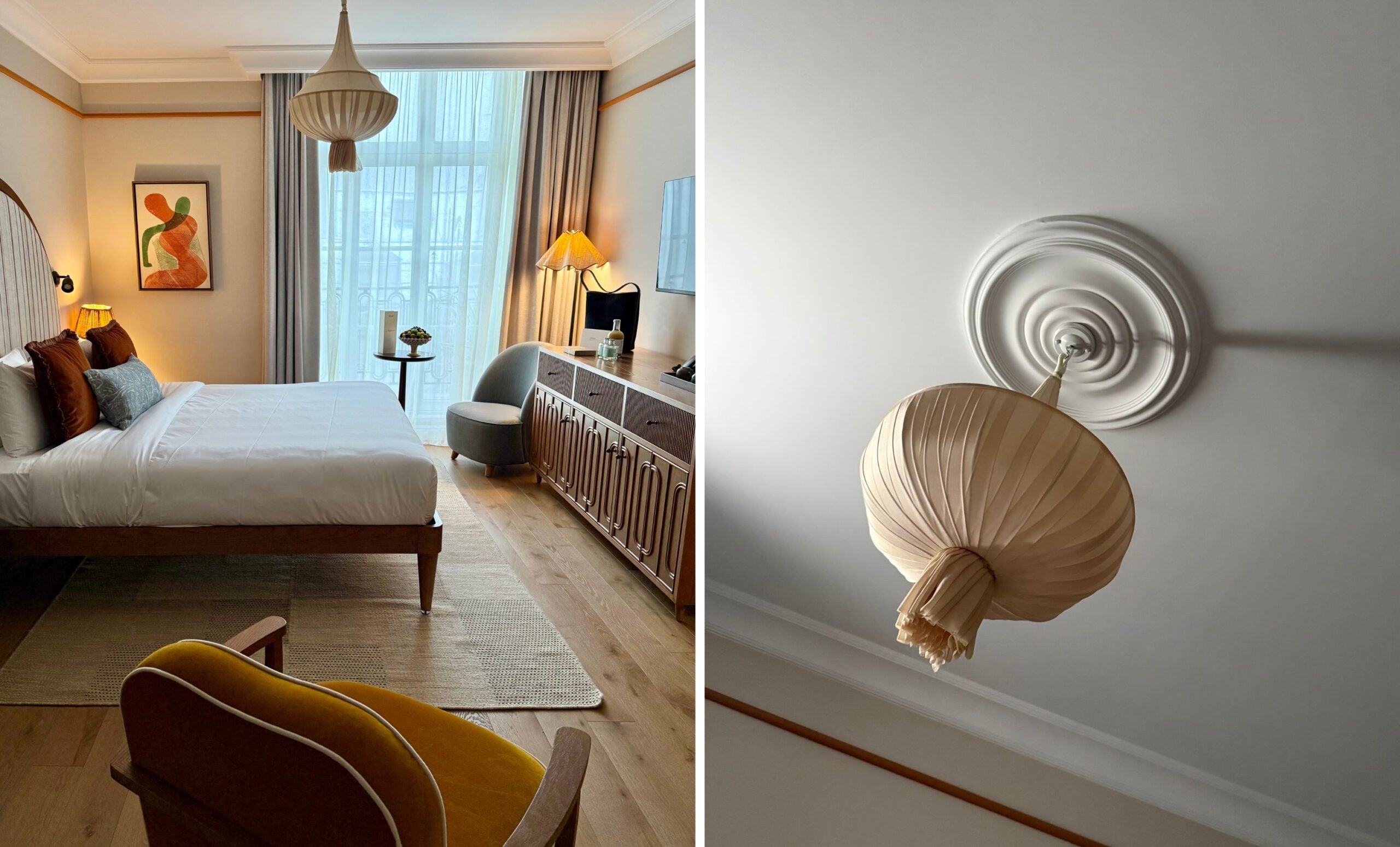
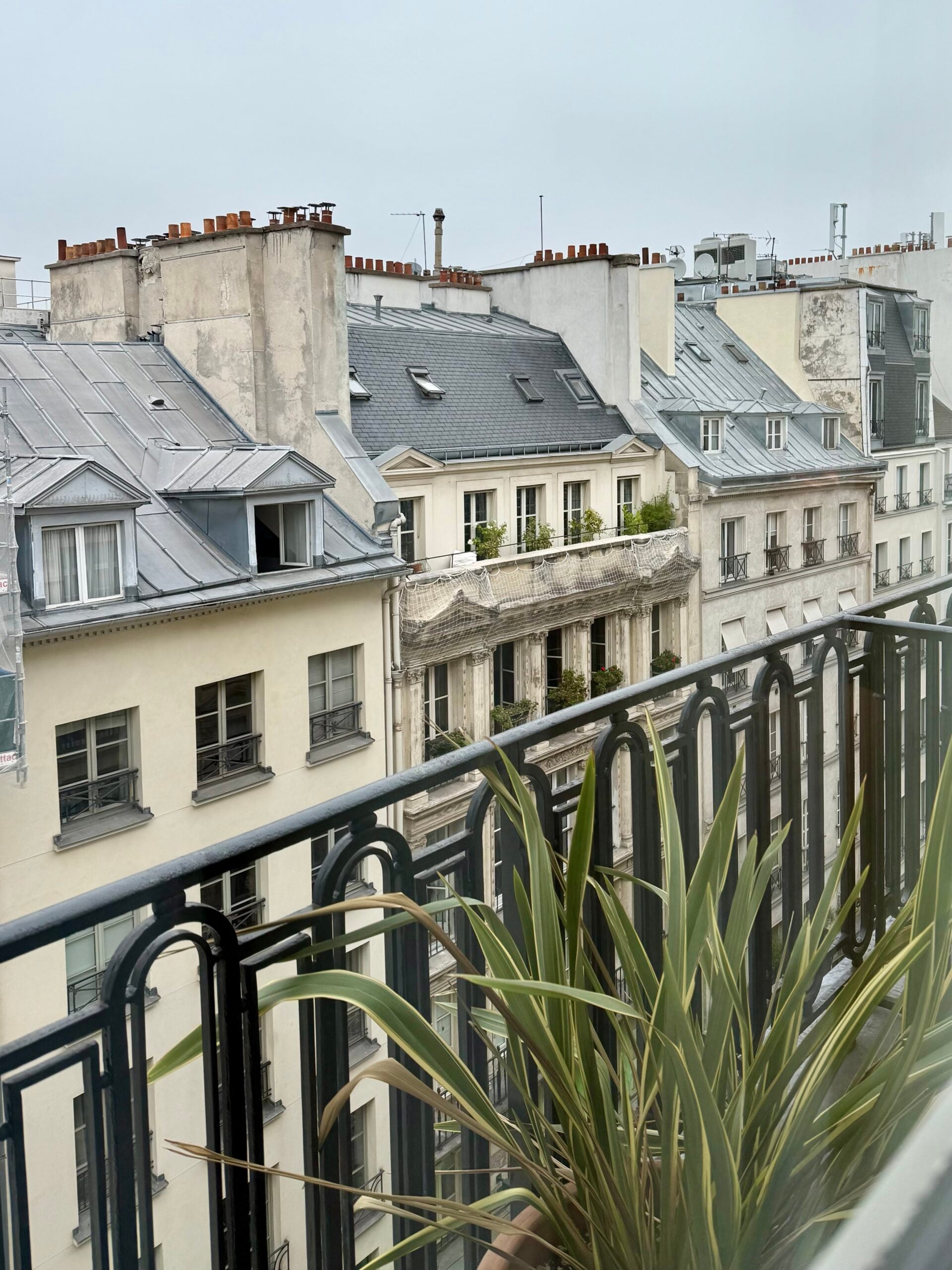
Setting up headquarters near the Sézane corporate offices, the delegation checked into the newly modernized Le Grand Hôtel Cayré, situated in the prestigious 6th arrondissement. Beyond the hotel’s sophisticated interior design, accommodations provided a quintessential Parisian visual experience: a sweeping panoramic view of the historic slate-gray rooftops and zinc chimneys characteristic of Haussmannian urban planning. Among the whimsical interior details noted during initial jet-lagged hours was an avant-garde ceiling lamp bearing a striking resemblance to an onion—a playful nod to the city’s rich culinary heritage.
Culinary Explorations: Tradition Meets Modernity at Le Petit Lutetia
The culinary itinerary kicked off with a business lunch at Le Petit Lutetia, a classic brasserie nestled in the neighborhood. Moving past traditional brasserie fare of roast chicken, green beans, and rich potato mash, the table engaged with the establishment’s sophisticated dessert and side offerings.
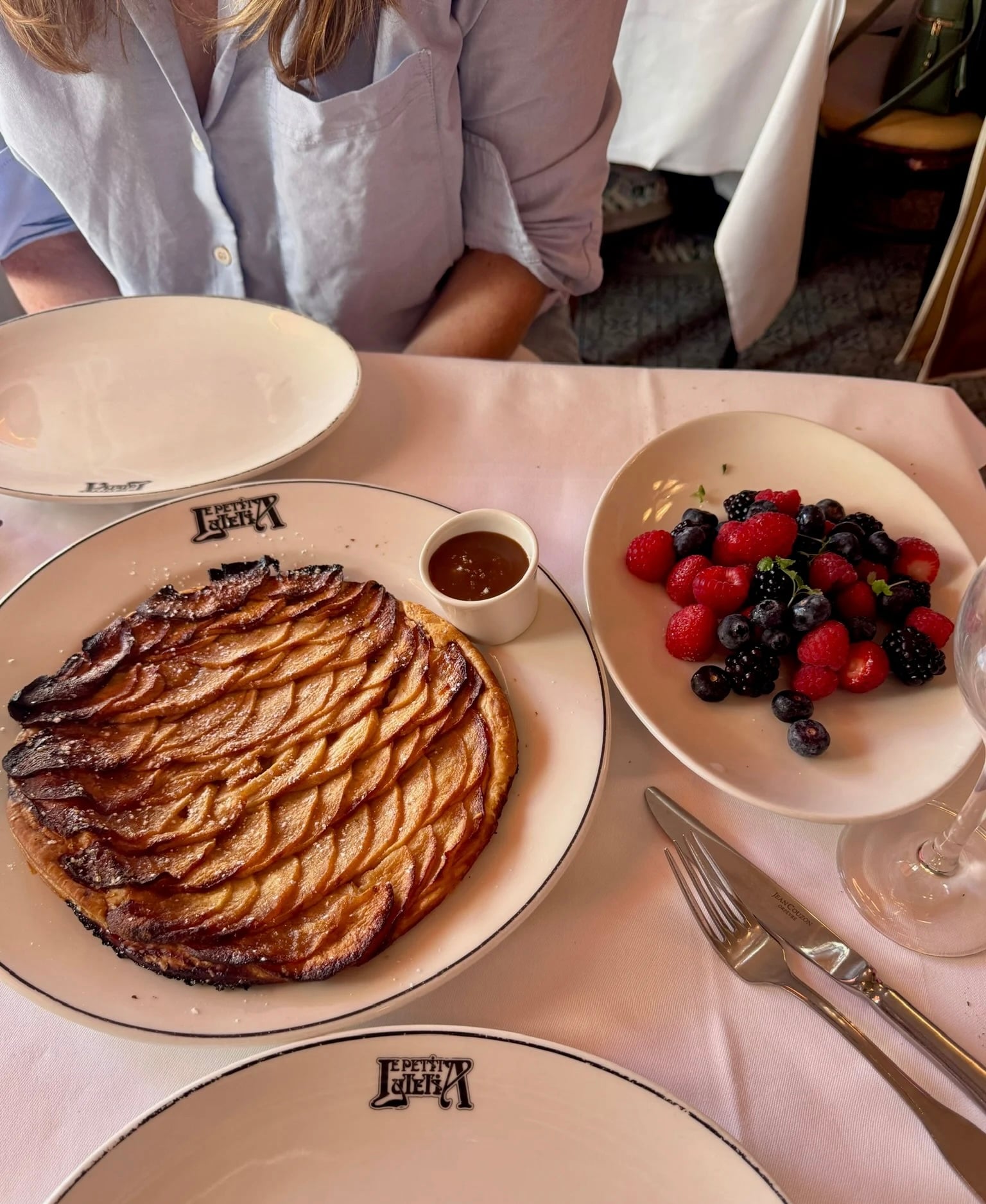
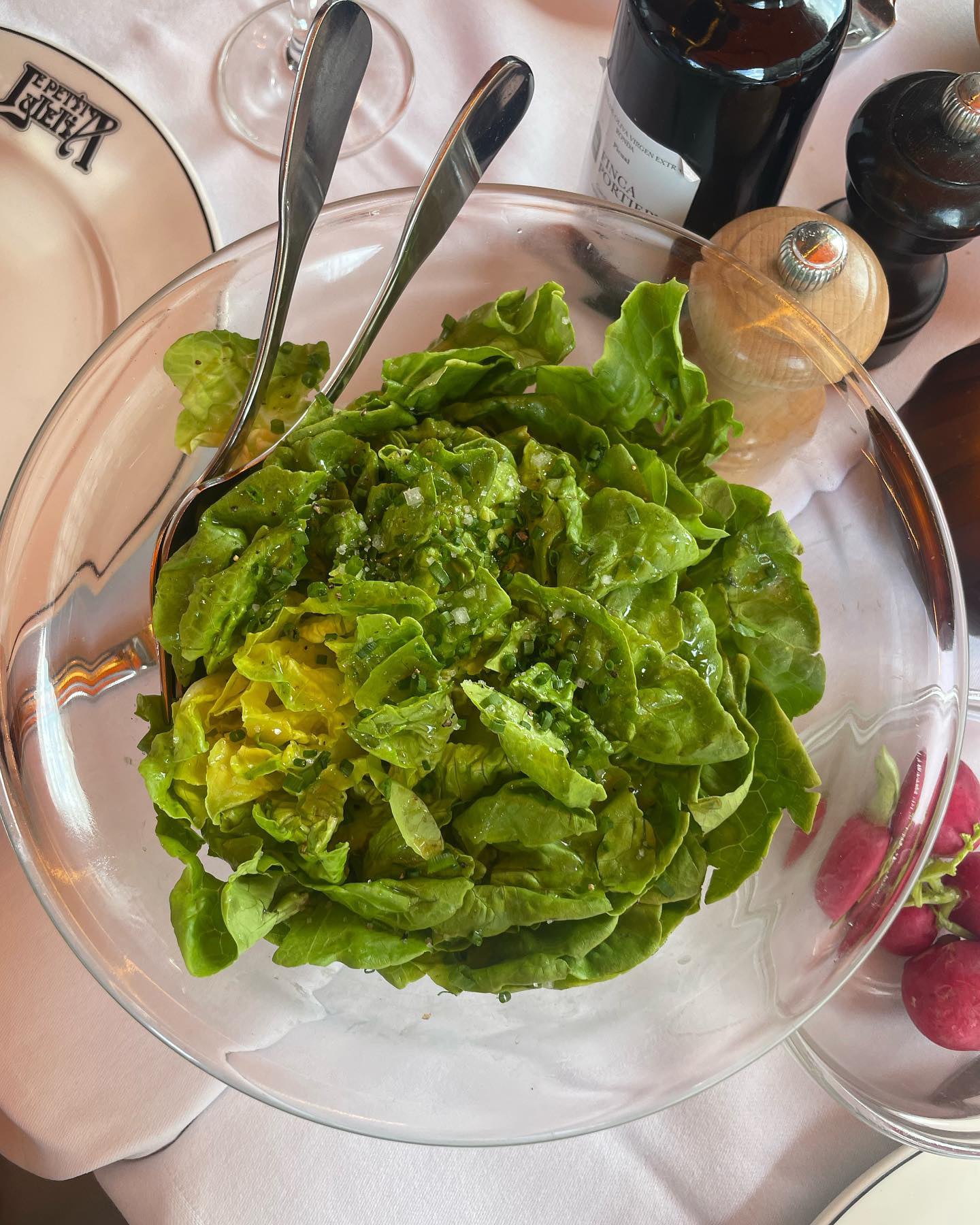
Rather than opting for the theatrical "chocolate mousse for parties of two, three, or four" or nostalgic rice pudding, the party selected the ultra-refined "very thin apple pie," paired expertly with warm salted caramel sauce and fresh whipped cream. Simultaneously, a broader gastronomic phenomenon was observed across adjacent tables: the rising popularity of the "whole lettuce" dish—a minimalist yet striking presentation consisting of an entire head of crisp lettuce served simply in a bowl, dressed minimally with high-grade olive oil, fresh lemon, chopped chives, sea salt, and cracked black pepper. This dish exemplifies a larger contemporary culinary shift toward hyper-simplistic, ingredient-forward dining.
Urban Transit, Public Spaces, and Street Aesthetics
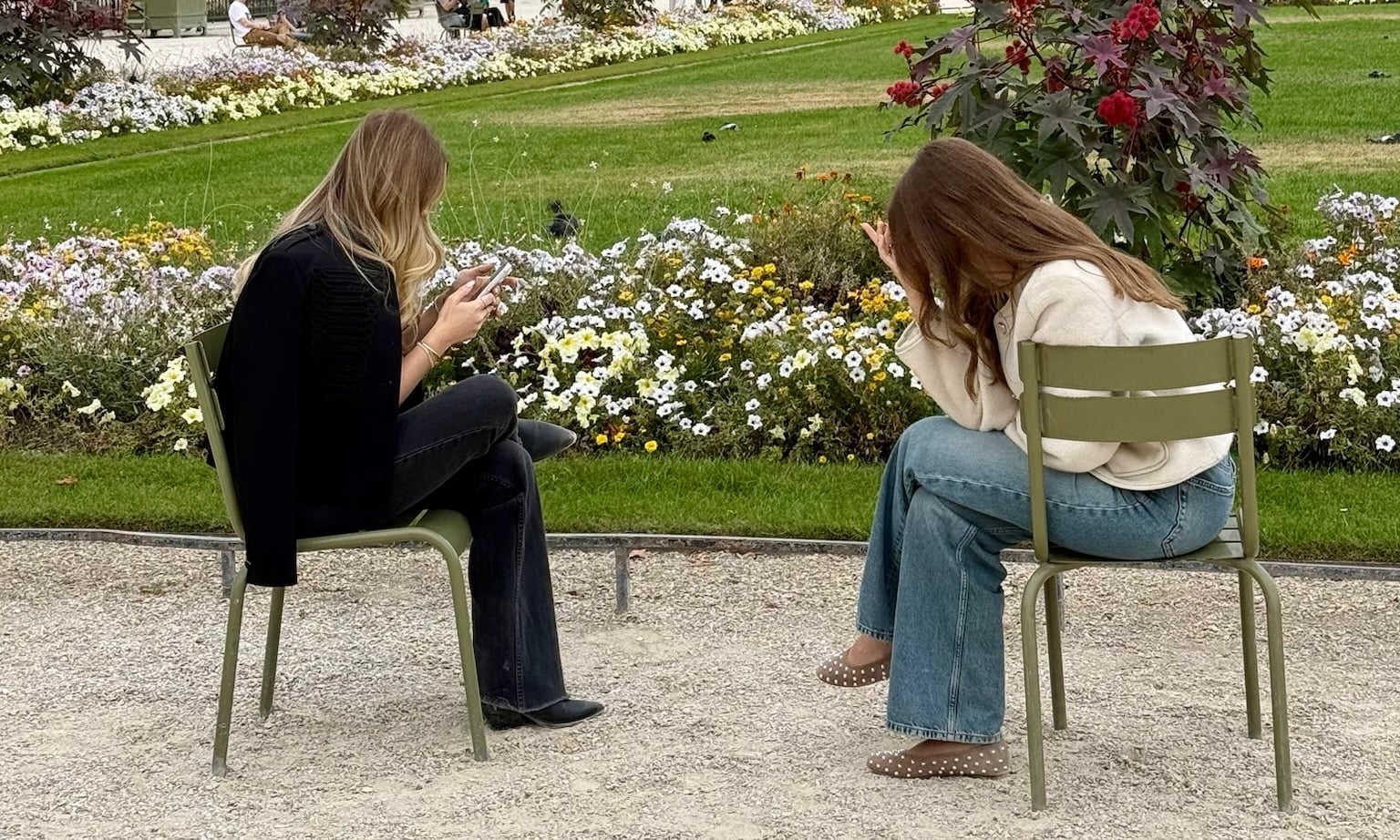
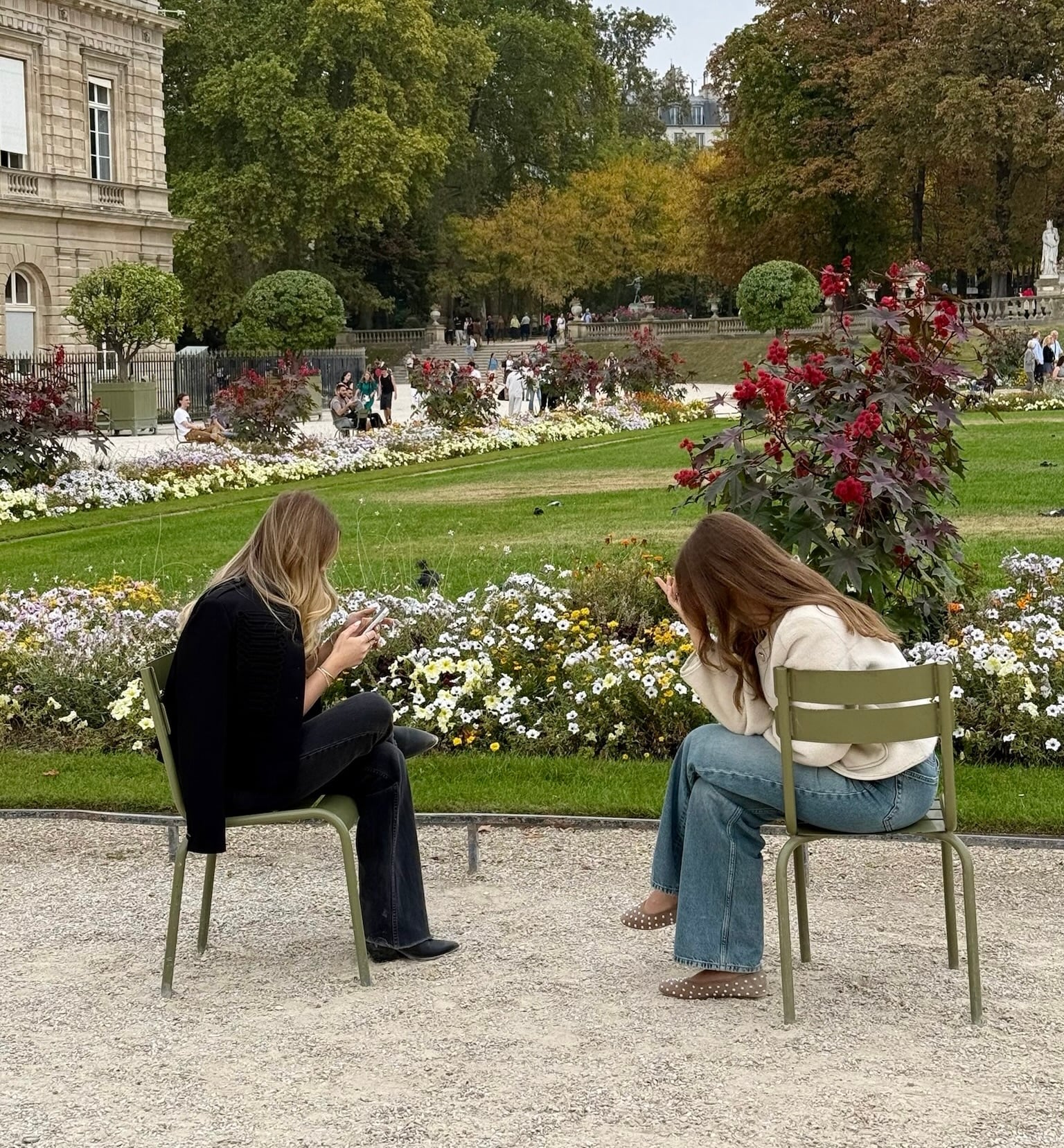
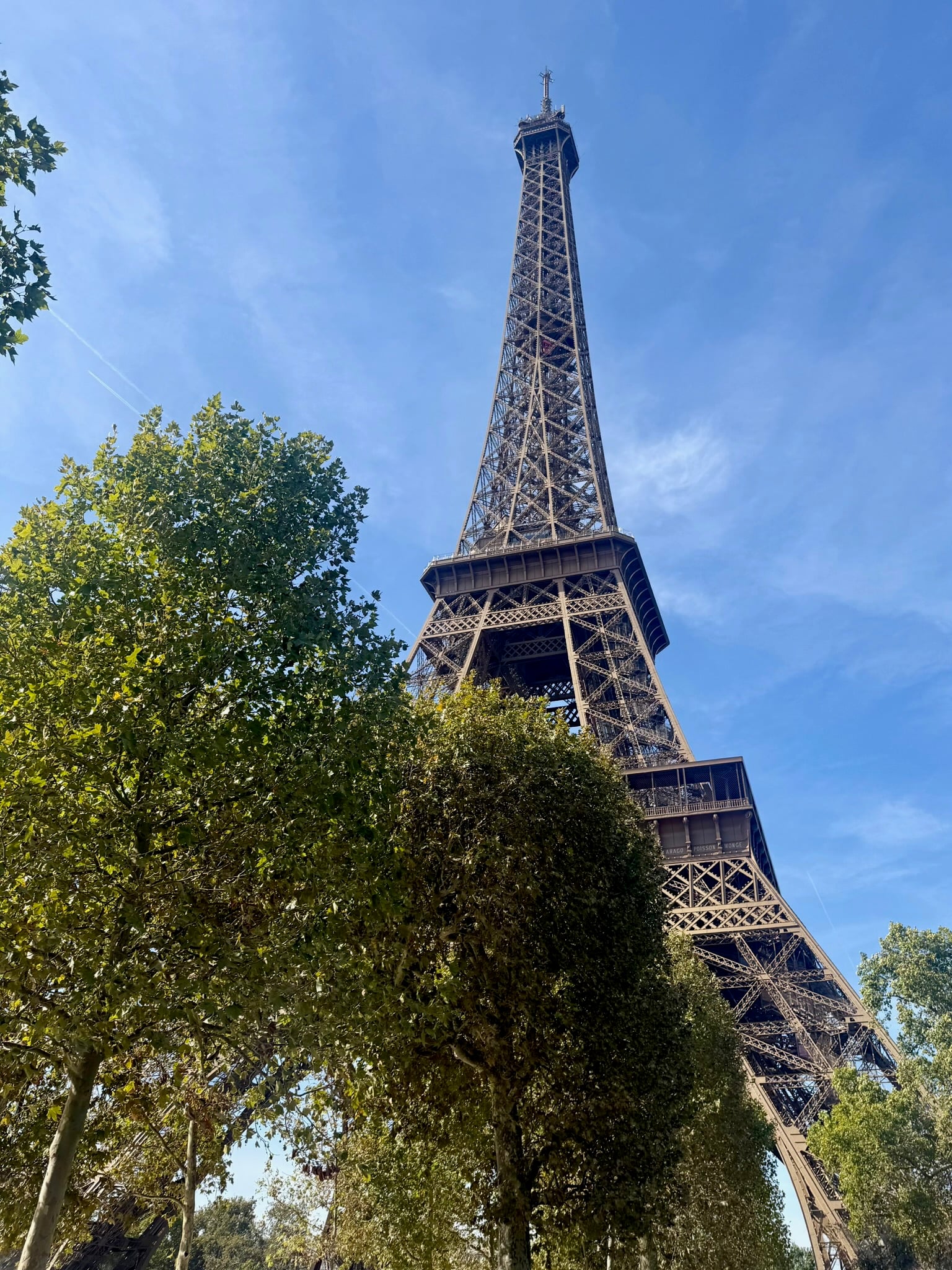
Utilizing the city’s robust urban cycling infrastructure, the itinerary shifted outdoors toward the iconic Eiffel Tower. Transitioning from active transit to passive observation in the surrounding green spaces revealed the enduring social fabric of Parisian daily life: families, toddlers chasing translucent soap bubbles, and couples lounging leisurely upon the lawns.
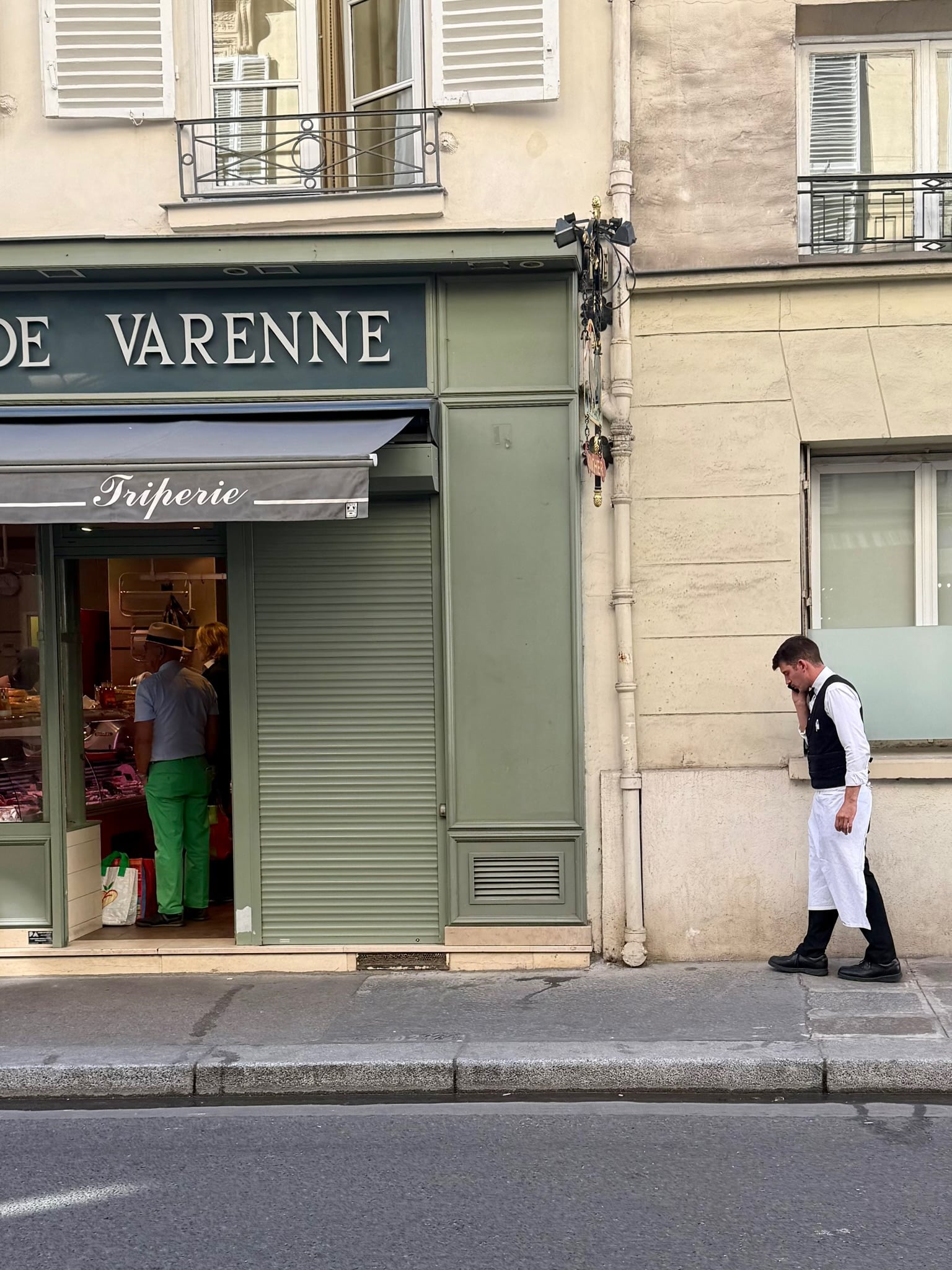
Navigating the boulevards also revealed notable stylistic parallels between European capitals and American urban centers. Of particular note was the prominent emergence of bolder menswear palettes among older male Parisians—specifically trousers rendered in saturated tones such as kelly green, echoing parallel streetwear and runway movements observed concurrently in hubs like Brooklyn, New York.
Retail Innovation in the Marais: The Merci Concept Store
The latter half of the itinerary focused heavily on retail architecture and conceptual merchandising, highlighted by a dedicated excursion to Merci, the renowned three-story concept store located in the historic Marais district.
More than a traditional boutique, Merci functions as a cultural barometer, showcasing curated lifestyle goods that range from collectible, whimsical figurines (such as a miniature traveler with a vintage suitcase) to elevated everyday items. Noteworthy products highlighted during the merchandising review included premium cashmere bandanas, novelty croissant-themed postcards, artisan-crafted children’s cutlery, and whimsical home-décor plush toys. The visit underscored how contemporary Parisian retail successfully merges utility with high-concept artistic storytelling.
Literary Culture and Final Reflections
The journey concluded with an examination of European publishing aesthetics, comparing regional cover treatments of contemporary international literature (such as the European edition of Yesteryear) with domestic releases, noting how continental design approaches often prioritize starker, more evocative graphic layouts.
The final evening cemented the delegation’s impressions over a classic dinner of chicken and frites, reinforced by enduring recommendations for future travelers: the inventive fusion bakery Mokonuts, the contemporary art exhibitions housed within the Bourse de Commerce, and the tranquil, sculpture-dense gardens of the Rodin Museum.
Supporting Context & Metrics
To fully appreciate the cultural weight of this recent Parisian sojourn, one must examine the broader economic and demographic indicators currently shaping France’s capital region (Île-de-France):
Tourism Recovery and Growth: According to regional tourism boards, Paris continues to experience robust international visitor volumes, with luxury retail and design-focused tourism showing a year-over-year increase of approximately 8.5%.
The Creative Economy: The partnership model exemplified by brands like Sézane highlights the economic synergy between local manufacturing aesthetics and global digital marketing. Île-de-France remains Europe’s leading region for fashion and design employment, housing over 150,000 specialized creative professionals.
Urban Mobility Metrics: The city’s ongoing transition toward a "15-minute city" model—facilitated by massive expansions in bike lanes (réseau véloroutier)—has fundamentally altered daily transit. Bicycle traffic in central Paris has surged by over 60% since 2020, actively shifting how both residents and corporate travelers navigate historical districts like the 6th and 3rd arrondissements.
Gastronomic Trends: The rise of minimalist dining concepts, such as the whole lettuce trend observed at Le Petit Lutetia, reflects a broader consumer pivot toward transparency, raw vegetal ingredients, and sustainable, hyper-local sourcing in Parisian bistros.
Official Statements & Industry Perspectives
The enduring allure of Paris as a global creative sandbox is frequently underscored by leading figures in fashion, hospitality, and urban design.
On Urban Identity and Brand Consistency:
Cultural historians note that Paris maintains its global appeal precisely because of its strict architectural preservation laws and adherence to lifestyle rituals. As urban sociologist Dr. Hélène Mercier remarks:
"Paris does not merely change with every fleeting micro-trend; rather, it absorbs external influences through a very specific, highly curated filter. Whether it is the proliferation of bold-colored trousers on older gentlemen or the minimalist presentation of traditional produce, the city maintains its ‘brand consistency’ because its citizens treat daily life as an intentional aesthetic practice."
On the Evolution of Retail and Hospitality:
Industry analysts observing the success of spaces like Merci and boutique hospitality ventures like Le Grand Hôtel Cayré emphasize the pivot toward experiential consumerism. A spokesperson for the Île-de-France Tourism Development Agency noted:
"Travelers today are seeking authenticity paired with unexpected whimsy—whether that’s a ceiling lamp shaped like an onion in a historic hotel or a collectible figurine in a Marais concept store. Paris excels at blending deep historical gravitas with lighthearted, modern design elements."
Future Outlook
Looking ahead, Paris is poised to reinforce its status as an indispensable global hub for lifestyle innovation, sustainable urban living, and cultural tourism. As the city prepares for upcoming international design summits and continues its aggressive green-infrastructure transformations, several key trajectories emerge:
Sustainable Luxury Integration: High-end fashion houses and hospitality brands operating in Paris are increasingly mandated to align with stringent European environmental standards. Future creative collaborations will likely center on circular fashion economies, locally sourced materials, and carbon-neutral urban events.
The Decentralization of Cool: While historic districts like the Marais and Saint-Germain-des-Prés remain anchor points for international visitors, creative energy is rapidly expanding into eastern arrondissements (such as the 10th and 11th). These areas are becoming incubators for experimental dining—exemplified by spots like Mokonuts—and independent design studios.
Experiential Retail Dominance: Traditional brick-and-mortar storefronts must increasingly function as immersive cultural venues rather than mere points of sale. Concept stores like Merci have set a definitive benchmark, proving that consumer loyalty is built through emotional resonance, artistic storytelling, and playful product curation.
Ultimately, the recent delegation’s experiences reaffirm the timeless validity of the old adage: Paris is always a good idea. By successfully marrying its rigorous architectural heritage with an ongoing capacity for delightful, unexpected modern details, the French capital secures its relevance for generations of creatives, travelers, and residents yet to come.