

Executive Overview
In the fast-paced landscape of global quick-service restaurants and coffeehouse chains, few entities command the cultural and economic footprint of Starbucks. Yet, even industry titans must continually confront their operational vulnerabilities. As whispers and market analyses recently began to circulate regarding a potential, highly ambitious exploration of a Chipotle takeover by Starbucks leadership, a more immediate, foundational corporate strategy has quietly taken center stage.
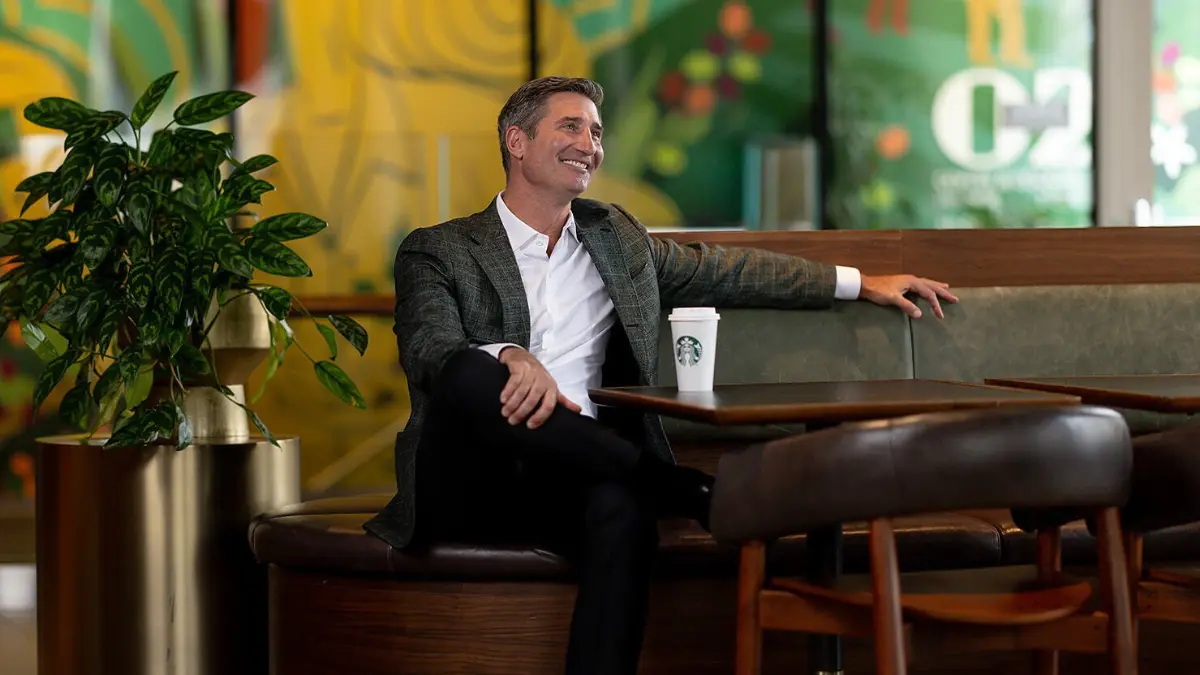
At the heart of this internal transformation is Chief Executive Officer Brian Niccol. In a candid, exclusive September 17 interview for ADWEEK’s October cover story, Niccol sidestepped speculative acquisition rumors to address a glaring operational gap that has persisted for years: Starbucks’ afternoon food program. While the Siren remains an undisputed morning destination for millions seeking caffeinated pick-me-ups and breakfast pastries, its performance during post-meridian hours leaves substantial room for growth.
Niccol’s diagnostic of the brand was disarmingly transparent: "We’re pretty darn good in the morning, but we have to be much better in the afternoon."
This single statement encapsulates a multi-billion-dollar strategic imperative. Starbucks is actively engineering a playbook to capture the elusive "second peak"—the post-2:00 p.m. daypart when consumer traffic historically slumps, coffee runs taper off, and competitors ranging from fast-casual burrito chains to specialty soda shops and quick-service drive-thrus capture the snacking and lunch-to-dinner transition market. Transforming the afternoon menu from an afterthought into a "category-defining" culinary experience represents one of the most critical tests of Niccol’s leadership tenure thus far.
Detailed Chronology
To understand the urgency behind Starbucks’ afternoon pivot, it is necessary to examine the timeline of events, strategic shifts, and executive decisions that have brought the coffee giant to this critical juncture.
The Foundation of Morning Dominance (Pre-2024)
For decades, Starbucks built its empire on the architecture of the morning routine. From the dawn of the craft espresso boom through the mobile-order-and-pay revolution, the company optimized its supply chain, store layouts, and labor scheduling around the morning rush.
- The A.M. Engine: Between 6:00 a.m. and 11:00 a.m., stores function at maximum efficiency, fueled by hot drip coffees, lattes, breakfast sandwiches (such as the ubiquitous Bacon, Gouda & Egg), and baked goods.
- The Operational Bottleneck: Because morning throughput is so intense, baristas and store managers have historically focused on speed-of-service metrics tailored to liquid refreshment and quick-heat breakfast items. Consequently, afternoon operations often inherited workflows designed for a completely different consumer mindset.
The Leadership Hand-Off and Strategic Realignment (Mid-2024)
As foot traffic patterns shifted in the wake of hybrid work models, inflation pressures, and changing consumer habits, Starbucks recognized that relying solely on the morning commuter was a vulnerable posture.
- Brian Niccol’s Arrival: Enter Brian Niccol, whose proven track record of revitalizing major food brands—most notably at Taco Bell and Chipotle—brought a renewed focus on menu innovation, operational flow, and customer experience.
- The September 17 Interview: Speaking candidly to ADWEEK editors on September 17 for the publication’s flagship October cover story, Niccol laid bare the core challenge facing the brand. While financial media and industry analysts buzzed over speculative reports linking Starbucks to ambitious cross-industry maneuvers, Niccol focused the narrative on core execution: fixing and elevating the afternoon food menu to make it a standalone destination.
The Shift Toward "Category-Defining" Food (Late 2024 and Beyond)
Following Niccol’s disclosures, internal development teams have intensified their focus on reimagining what a Starbucks afternoon looks like.
- Moving Beyond Pastries: Recognizing that a stale scone or a warmed-over panini will not suffice against sophisticated fast-casual competition, the company began evaluating recipes, ingredient sourcing, and thermal technology capable of delivering high-quality, craveable food items during off-peak hours.
- Building the Second Peak: The operational goal is clear: create a distinct, compelling reason for consumers to visit Starbucks between 2:00 p.m. and 5:00 p.m., transforming the afternoon lull into a secondary revenue engine that rivals the morning rush.
Supporting Context & Metrics
The afternoon daypart represents both the holy grail and the graveyard of quick-service restaurant (QSR) strategy. To appreciate why Starbucks is staking so much capital and operational bandwidth on post-2:00 p.m. dining, one must analyze the underlying industry metrics and consumer behavior data.
The Economics of the Daypart Split
Historically, the QSR and beverage sectors operate on distinct traffic curves:
- Morning Peak (6 AM – 11 AM): Driven by caffeine dependency, morning commutes, and quick breakfast habits. Ticket sizes are often moderate, but transaction velocity is blistering.
- The Afternoon Lull (1 PM – 4 PM): A notoriously difficult period characterized by low foot traffic, lower average check sizes, and fragmented consumer intent. Consumers seeking sustenance during this window often defect to fast-casual restaurants, convenience stores, or drive-thrus offering heavy protein options, fries, or specialized cold beverages.
- Evening/Dinner (5 PM – 9 PM): Heavily dominated by sit-down dining, delivery apps, and fast-casual dinner chains (such as Chipotle, Sweetgreen, and traditional burger joints).
By targeting the afternoon, Starbucks is attempting to capture the "slump hour"—that 3:00 p.m. energy crash when office workers, students, and remote professionals look for a mental reset. While Starbucks has successfully captured some of this traffic through its expansive cold-beverage portfolio (refreshers, cold brews, and customized iced teas), its food offerings during this window have historically lagged behind dedicated food-service competitors.
Competitive Pressures in the Snack and Lunch Space
The battlefield for afternoon stomach share is more crowded than ever:
- Specialty Beverage & Soda Chains: Brands like Crumbl, Dutch Bros, and regional drive-thru soda concepts have weaponized the afternoon sugar and caffeine craving with decadent treats and customizable beverages.
- Fast-Casual Giants: Fast-casual restaurants continue to blur the lines between lunch, snack, and dinner by offering customizable, protein-heavy bowls, wraps, and burritos that satisfy afternoon hunger far better than a standard coffeehouse pastry case.
- Convenience and Retail: High-end grocery stores and convenience chains have upgraded their grab-and-go deli cases, offering premium salads, sandwiches, and protein boxes that directly compete with Starbucks’ existing afternoon food lineup.
To win against these entrenched alternatives, Starbucks cannot merely tweak its current menu; it must fundamentally redefine what afternoon food means within a coffeehouse ecosystem. This requires balancing speed-of-service in high-volume stores with culinary complexity—a delicate engineering feat for any food service executive.
Official Statements & Executive Insights
The strategic roadmap articulated by Brian Niccol offers a rare, unfiltered look into the operational mindset of one of the world’s most recognizable consumer brands. Below are key insights and direct commentary derived from his strategic disclosures to industry media:
"We’re pretty darn good in the morning, but we have to be much better in the afternoon."
— Brian Niccol, CEO, Starbucks
This core philosophy underscores a pragmatic humility. Rather than resting on the laurels of its morning dominance, leadership is publicly acknowledging that complacency is the primary enemy of long-term growth.
Key Pillars of Niccol’s Strategic Vision:
- Elevating Culinary Standards: Moving away from generic, outsourced bakery items toward proprietary, high-margin, and craveable food options that resonate specifically with afternoon consumer preferences (e.g., items that pair naturally with cold, refreshing afternoon beverages rather than hot morning coffee).
- Operational Simplicity: Ensuring that any new afternoon food items can be prepared, heated, and served efficiently without creating bottlenecks for the high volume of mobile app and drive-thru beverage orders that characterize modern Starbucks operations.
- Creating a Second Peak: Shifting the cultural perception of Starbucks from a morning-only routine builder to an all-day lifestyle destination where customers feel equally compelled to drop by for a 3:00 p.m. energy boost and a satisfying snack.
Future Outlook: What’s Next for Starbucks?
As Starbucks navigates this pivotal chapter under Brian Niccol’s leadership, the coming quarters will test the company’s ability to execute complex operational changes across thousands of global storefronts.
1. Menu Innovation and R&D Focus
Expect to see rolling trials of new afternoon-centric food platforms in select test markets. These initiatives will likely focus on high-protein, portable, and visually appealing items designed to satisfy mid-afternoon hunger without slowing down drive-thru and mobile-order queues. Pairing these food items strategically with Starbucks’ dominant cold-beverage platforms will be critical to maximizing average ticket sizes.
2. Technological and Workflow Integration
Introducing more complex or varied food items requires corresponding updates to store equipment—such as faster, more reliable ovens—and streamlined digital ordering interfaces. Starbucks will need to ensure that its digital ecosystem actively cross-promotes afternoon food items to customers placing midday mobile orders.
3. Cultural Positioning and Marketing
Beyond the kitchen and the counter, Starbucks will likely pivot its marketing narrative. While holiday cup seasons and morning routines will always remain core promotional hooks, future advertising campaigns will increasingly spotlight the afternoon experience—positioning the brand as the ultimate sanctuary for a midday reset.
Conclusion
Starbucks’ quest to conquer the afternoon is much more than a routine menu update; it is a calculated structural evolution designed to future-proof the brand against shifting consumer habits and aggressive competitive pressures. By confronting its operational limitations head-on and striving to make its afternoon food program "category-defining," CEO Brian Niccol and his leadership team are laying the groundwork for Starbucks’ next great era of growth. Whether the Siren can successfully claim the afternoon remains one of the most compelling storylines in modern retail business.