

Executive Overview
The meteoric rise of glucagon-like peptide-1 (GLP-1) receptor agonists—such as Ozempic, Wegovy, Mounjaro, Zepbound, Victoza, and Trulicity—has fundamentally reshaped modern medicine. Hailed as revolutionary tools for combating obesity and managing type 2 diabetes, these blockbuster medications have transformed the lives of millions by regulating appetite, stabilizing blood sugar, and dramatically improving metabolic health. However, as millions of patients incorporate these drugs into their daily or weekly routines, the medical community is casting a wider net to capture systemic side effects that extend far beyond metabolic and gastrointestinal outcomes.
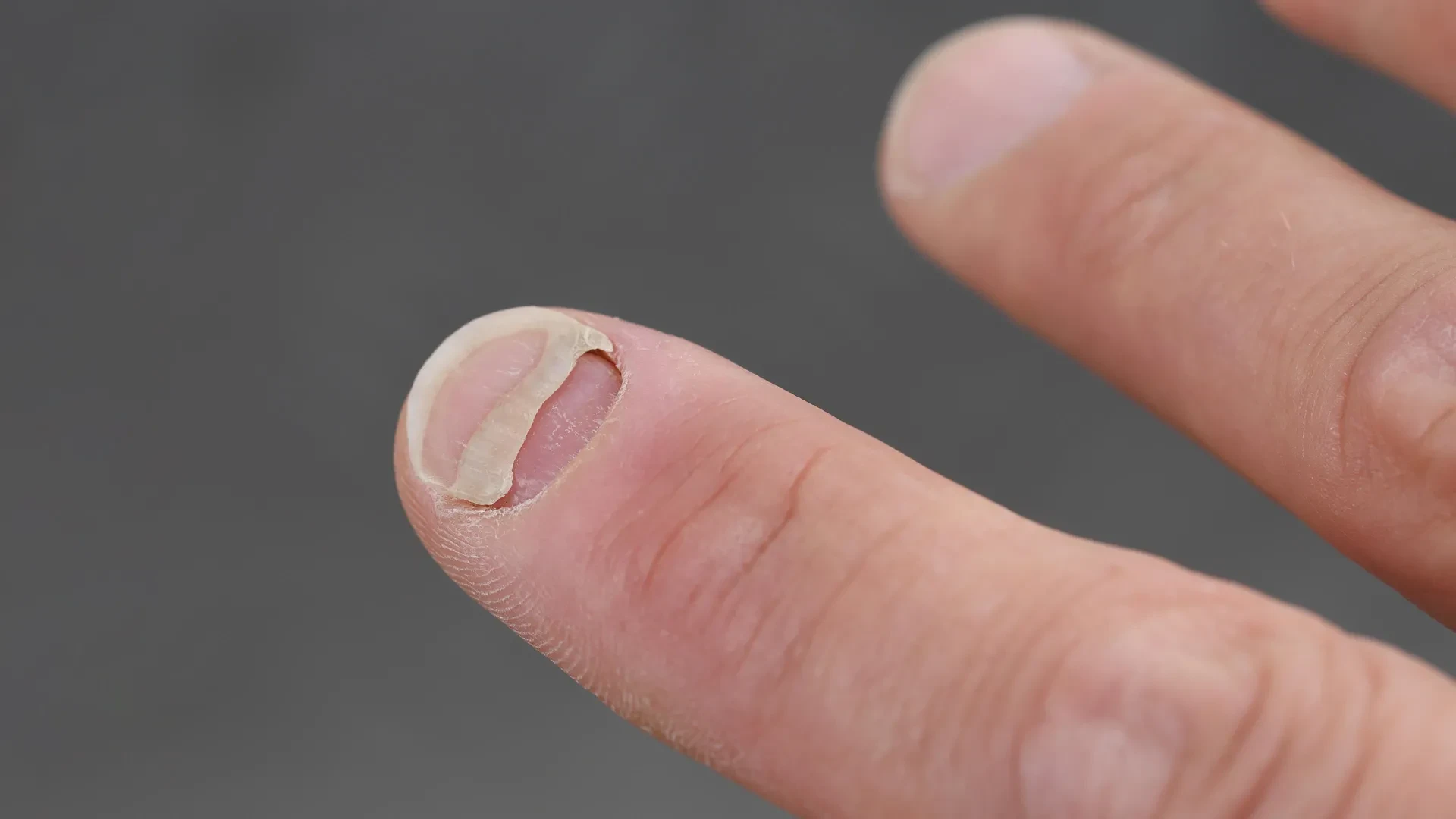
In a landmark multinational investigation presented at the European Academy of Dermatology and Venereology (EADV) Congress 2026, researchers have uncovered an unexpected and prevalent side effect profile: significant alterations to patient nail health, hair density, and scalp integrity. Most notably, the controlled study revealed that individuals taking GLP-1 medications were more than four times as likely to experience nail detachment—a distressing condition clinically known as onycholysis, where the nail plate separates from the underlying nail bed. Furthermore, two-thirds of study participants utilizing these therapies reported at least one distinct nail disorder.
Simultaneously, a companion investigation examining the exact same cohort revealed a parallel crisis in hair and scalp health. High percentages of users reported unusual hair shedding, reduced hair volume, and persistent scalp inflammation characterized by redness, flaking, and itching. While rapid weight loss is classically known to trigger temporary hair shedding—a condition called telogen effluvium—the high incidence of localized scalp inflammation suggests a more complex, potentially inflammatory mechanism at play.
Despite these startling statistics, principal investigators and dermatological experts are urging calm. They emphasize that while these dermatological changes are strikingly frequent, they are typically benign and should never serve as a standalone catalyst for patients to discontinue potentially life-saving treatments on their own initiative. Instead, the findings open a vital new chapter in clinical observation, calling for heightened vigilance, proactive patient-provider communication, and rigorous prospective research to untangle the physiological mechanisms connecting incretin-based therapies to the body’s outer protective envelope.
Detailed Chronology: Unraveling the Dermatology-GLP-1 Connection
For years, clinical insights regarding dermatological changes during GLP-1 treatment were largely confined to anecdotal reports and isolated adverse event filings. Patients occasionally noted changes in their hair texture, sporadic shedding, or unusual nail brittleness on online forums and in clinical settings, but these accounts lacked the empirical weight of controlled, comparative epidemiological data.
The turning point arrived with the conception and execution of a robust, multinational observational study designed to move past isolated case reports. Researchers set out to evaluate the real-world dermatological landscape of GLP-1 users by constructing a carefully matched study population. By recruiting 575 individuals actively using GLP-1 medications and comparing them against a control group of 1,329 individuals diagnosed with type 2 diabetes, obesity, or both—none of whom had ever used GLP-1 receptor agonists—investigators established a baseline for comparison.
Geographically diverse, the study drew participants from France, the United States, Brazil, and Mexico, ensuring a cross-cultural and genetically varied patient pool. When researchers cross-examined the responses regarding nail health, a striking pattern emerged. A staggering 66% of GLP-1 users reported experiencing at least one nail disorder, compared to 53% of the non-user control group.
Nail discoloration proved particularly prevalent, affecting nearly half (46%) of medication users versus just 17% of individuals in the control group. Most dramatically, nail detachment was reported at rates more than four times higher among those taking GLP-1 therapies.
Recognizing that rapid weight loss itself can act as a physiological stressor capable of disrupting normal nail and hair growth cycles, the research team performed secondary analyses isolating participants who had undergone significant weight loss. Intriguingly, weight reduction alone failed to fully account for the statistical discrepancies. Even within subsets of patients who had successfully lost weight, GLP-1 users continued to report significantly higher frequencies of nail disorders than their non-medicated counterparts who had also lost weight.
Expanding their scope beyond fingernails, the research team evaluated scalp and hair health within the same multinational cohort. The findings mirrored the nail data: 50% of GLP-1 users reported unusual hair loss, compared to 34% of the control group. When tracking hair loss that explicitly initiated after the commencement of treatment, 26% of medication users reported the phenomenon—more than double the 12% rate observed in non-users. Moreover, reduced hair volume and density affected 42% of GLP-1 users, compared to just 19% of nonusers.
These revelations mark a critical paradigm shift in how clinicians view the systemic reach of GLP-1 receptor agonists, transforming localized cosmetic complaints into a cohesive clinical area of study.
Supporting Context & Metrics: Breaking Down the Data
To fully comprehend the scale of these dermatological observations, it is essential to examine the core metrics and epidemiological variables captured by the research team during the multinational evaluation. The data reveals not only high absolute frequencies of symptoms but also complex confounding factors that require nuanced interpretation.
The Nail Metrics
- Overall Nail Disorders: 66% of GLP-1 users reported experiencing at least one nail-related issue, compared to 53% in the matched control group.
- Nail Discoloration: Affecting 46% of medication users versus 17% of nonusers, marking a nearly threefold increase in prevalence.
- Nail Detachment (Onycholysis): Users of medications such as Ozempic, Mounjaro, and Wegovy were more than four times as likely to report the nail separating from the underlying skin.
The Hair and Scalp Metrics
- General Hair Loss: Reported by 50% of GLP-1 users, compared to 34% of nonusers.
- Treatment-Initiated Shedding: Hair loss beginning strictly after the start of therapy was documented by 26% of users versus 12% of controls.
- Reduced Hair Volume/Density: Impacted 42% of medication users compared to 19% of control participants.
- Scalp Redness and Inflammation: Scalp redness was approximately three times more frequent among those taking GLP-1 drugs. Furthermore, hair shedding rarely presented in isolation; the vast majority of shedding reports were accompanied by scalp symptoms such as pruritus (itching), erythema (redness), and flaking skin.
Confounding Factors and Baseline Health
A critical component of the study involved controlling for pre-existing conditions and baseline vulnerabilities. Approximately half of the GLP-1 users surveyed acknowledged that they had experienced minor nail or hair anomalies prior to initiating their medication regimen. Furthermore, when researchers statistically adjusted for pre-existing skin conditions and underlying nutritional deficiencies—common occurrences in patients undergoing profound dietary shifts—some of the statistical gaps between the two cohorts narrowed.
Nevertheless, even after these rigorous adjustments, nail detachment, discoloration, and specific scalp inflammatory markers remained approximately two to three times more common among GLP-1 users. This persistent elevation strongly implies that while rapid weight loss and nutritional shifts contribute to the physiological toll, the pharmacological action of the medications themselves—or secondary systemic inflammatory pathways—may play an active, independent role.
Official Statements and Expert Perspectives
The presentation of these findings at the EADV Congress 2026 prompted considerable dialogue within the global dermatological and endocrinological communities. Experts have emphasized the necessity of balancing scientific curiosity with patient reassurance, ensuring that individuals do not misinterpret observational correlations as definitive proof of direct toxicity.
Dr. Charles Taïeb, a lead author on the nail health investigation, offered important context regarding the nature of the data:
"Until now, nail changes associated with GLP-1 therapies had essentially been anecdotal. Our findings show a clear association, but they also underline an important point: not everything that happens during GLP-1 treatment is necessarily caused by the treatment itself."
Dr. Taïeb highlighted the reality that many patients beginning these therapies already carry metabolic, autoimmune, or nutritional vulnerabilities that manifest outwardly. However, the statistically significant fourfold increase in nail detachment cannot be easily dismissed as mere coincidence.
Echoing these sentiments, Dr. Bruno Halioua, co-author of the companion hair and scalp study, drew attention to the unexpected inflammatory signatures discovered during the evaluations. While conventional wisdom attributes post-weight-loss hair shedding entirely to telogen effluvium—a benign, self-correcting shock to the hair cycle caused by caloric restriction—Dr. Halioua pointed out that the physical symptoms observed on patients’ scalps suggest a deeper biological mechanism:
"This suggests that what is happening on the scalp may go beyond the classical shedding seen after rapid weight loss and involve an inflammatory component. Scalp inflammation was the rule rather than the exception, which clinicians do not currently look for and which may be treatable. Taken together, our findings suggest that factors beyond weight loss alone may contribute to the hair, scalp and nail changes observed among GLP-1 users."
Both investigators stressed that patients must maintain perspective. In clinical practice, the cardiovascular, glycemic, and weight-management benefits of GLP-1 receptor agonists frequently outweigh the manageable cosmetic and physical inconveniences of dermatological side effects.
"These changes are frequent, usually benign, and are not a reason to stop an effective treatment on one’s own initiative," Dr. Taïeb advised. "Anyone who notices hair shedding, an itchy or red scalp or nail changes should mention it to their doctor rather than discontinue therapy."
Future Outlook: Methodological Limitations and Next Steps
As groundbreaking as the EADV Congress 2026 presentations are, the authors are the first to acknowledge the inherent methodological boundaries of their current research. Both investigations were cross-sectional in design. This architectural limitation means the studies captured a single snapshot in time, observing participants’ experiences retrospectively without prospectively tracking how symptoms evolved from the first day of injection to long-term maintenance phases. Furthermore, the findings relied heavily on patient-reported symptoms rather than standardized, blinded clinical examinations conducted by dermatologists.
Consequently, while these studies successfully establish clear statistical patterns and associations, they cannot definitively prove direct causation. The complex interplay between rapid fat-mass reduction, hormonal fluctuations, altered nutrient absorption, systemic low-grade inflammation, and direct receptor-mediated pathways in dermal tissues remains an open question for molecular biologists and clinical researchers.
To bridge these knowledge gaps, the research team is already mapping out subsequent phases of investigation. Plans are underway to initiate prospective, longitudinal studies designed to follow patients from the exact moment they begin GLP-1 therapy. These advanced protocols will incorporate standardized dermatological examinations of the skin, hair, and nails, alongside comprehensive biological monitoring and blood panels to track nutritional status and inflammatory biomarkers.
The primary objectives of these upcoming trials include:
- Establishing Temporal Timelines: Precisely mapping when nail, hair, and scalp symptoms first emerge relative to the dosage titration schedule.
- Mechanistic Insight: Disentangling the direct pharmacological impacts of incretin receptor agonism from the systemic metabolic consequences of rapid weight loss.
- Prognostic Tracking: Determining whether these dermatological manifestations are transient—resolving spontaneously as the body stabilizes on a maintenance dose—or whether they persist throughout the duration of treatment.
- Targeted Interventions: Assessing whether adjunctive treatments (such as topical anti-inflammatories for scalp issues or specific dermatological support for nail integrity) can mitigate these side effects without requiring patients to alter their life-changing metabolic regimens.
The institutional support for this ongoing research is provided by DUCRAY Laboratories (Pierre Fabre Group), a renowned entity specializing in dermatological and hair care innovations dedicated to managing skin and scalp conditions and enhancing patient quality of life.
Clinical Takeaways for Patients and Providers
For the millions of individuals currently navigating life on a GLP-1 medication, these findings serve as a valuable reminder of the body’s interconnected systems. Weight loss and metabolic repair do not occur in a vacuum; the skin, hair follicles, and nail matrices are sensitive barometers of systemic physiological shifts.
Patients experiencing unexplained nail lifting, discoloration, persistent scalp itching, or accelerated hair thinning should avoid panic or self-directed cessation of their medications. Instead, these symptoms should be brought directly to the attention of prescribing physicians, endocrinologists, or dermatologists. By fostering open communication and integrating routine dermatological checks into metabolic care plans, patients can continue to reap the profound, life-altering health benefits of GLP-1 therapies while safeguarding their skin, hair, and nail health.