


The intersection of media, politics, and culture has reached a volatile flashpoint, highlighted by intense government scrutiny of the press, high-profile personnel shifts in the nation’s capital, and boundary-pushing moments in late-night television. As Fox News marks its 30th anniversary, veteran national security correspondent Jennifer Griffin reflects on a shifting landscape where transparency is increasingly compromised.
Concurrently, the Department of Justice has launched an antitrust investigation into major television networks over a press pool boycott, the White House has welcomed a polarizing new press secretary with a history of controversial online commentary, and Saturday Night Live has sparked fresh controversy following an uneven season premiere. Together, these developments signal a tense, rapidly evolving environment for journalism and free expression in the United States.
Detailed Chronology: A Week of Media Turmoil
The Pentagon Press Corps and Jennifer Griffin’s Milestone
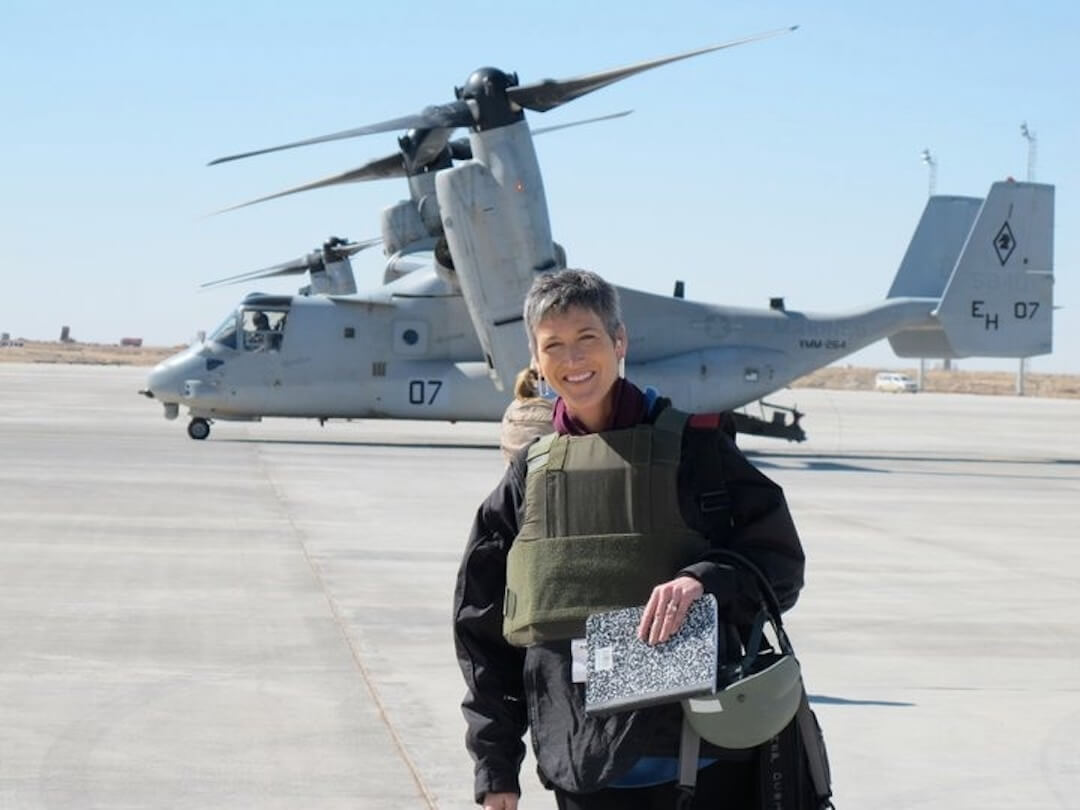
Last week marked three decades of broadcasting for Fox News, and few figures embody the network’s journalistic evolution quite like national security correspondent Jennifer Griffin. Having reported from the front lines of global conflict zones—from Moscow and Somalia to Afghanistan, Baghdad, Israel, and the West Bank—Griffin’s tenure spans nearly the entirety of the network’s existence.
In a recent appearance on The Poynter Report Podcast, Griffin addressed the current state of national security reporting, specifically criticizing the Pentagon’s strict press access policies. The Defense Department now requires journalists to sign agreements promising to report exclusively on stories approved by the military—a policy that has resulted in a broad press blackout.
"It is a big deal," Griffin stated, adding that dismissing critical reporting as "fake news" is merely a cop-out to avoid answering legitimate questions from Congress and the media. Despite these barriers, Griffin affirmed that journalists continue to find critical ways to do their jobs and serve the public’s right to know.
DOJ Escalates Tension with Network Antitrust Probe
The friction between the federal government and the media intensified following a decision by the Trump administration to ban CNN from the White House travel pool—the rotational group of reporters covering the president on spaces like Air Force One. In an act of solidarity, rival networks ABC, CBS, Fox News, and NBC suspended their own pool coverage on days when CNN would have historically held responsibility.
Rather than letting the dispute settle, the Department of Justice intervened. DOJ officials served letters demanding communications among network executives regarding both the pool suspension and the revocation of CNN’s press credentials. Antitrust Division representatives argued that coordinated commercial suspensions could constitute an illegal group boycott under the Sherman Antitrust Act. Legal scholars, however, have largely condemned the inquiry as an unprecedented overreach and a retaliatory tactic against independent journalistic expression.
The Rise of Katie Zacharia
Amid these institutional battles, the White House introduced its new press secretary: Katie Zacharia, a former communications adviser for Truth Social and a frequent defender of the administration on conservative platforms. Stepping in to replace Karoline Leavitt, Zacharia assumes the role during a politically sensitive midterm election season and amidst ongoing litigation regarding White House press access.
Almost immediately upon her appointment, investigative reports surfaced regarding Zacharia’s digital footprint. Publications like The Bulwark revealed that she had previously shared and subsequently deleted a series of controversial social media posts. These included spreading COVID-19 vaccine misinformation, suggesting federal takeovers of dissenting states, and questioning foundational constitutional norms. Despite these revelations, Zacharia’s appointment has been welcomed by the administration’s core base, setting the stage for a combative dynamic within the White House briefing room.
Saturday Night Live Controversy
Cultural commentary collided with broadcast regulations over the weekend during the season return of NBC’s Saturday Night Live. Hosted by comedian Shane Gillis, the episode drew widespread criticism for a monologue that critics deemed offensive.
In addition to the critical reception of his opening remarks, Gillis accidentally uttered an uncensored profanity during a live sketch. While the broadcast avoided potential Federal Communications Commission (FCC) fines due to airing safely past the late-night watershed window, the incident created an awkward finale as Gillis offered a public on-air apology alongside the cast and musical guests.
Supporting Context & Metrics
The challenges facing the modern press corps are reflected in structural policy shifts across multiple federal agencies:
- Pentagon Press Access: The Defense Department’s mandatory sign-off policy has effectively sidelined a significant portion of the independent defense press, forcing organizations to rely on investigative workarounds rather than direct access.
- White House Pool Dynamics: The rotational pool system involves four major networks (ABC, CBS, NBC, Fox) alongside wire services and print outlets, ensuring continuous coverage of executive travel when physical space is constrained.
- DOJ Antitrust Inquiries: Under the Sherman Act, commercial boycotts are traditionally evaluated through an economic lens. Legal experts point out that applying antitrust statutes to editorial decisions represents a stark departure from established legal precedent.
- Social Media Scrutiny: Investigations into political appointees’ digital histories have become a standard mechanism for media accountability, often highlighting the tension between personal partisan advocacy and public service neutrality.
Official Statements & Legal Perspectives
The legal and political ramifications of the Justice Department’s network investigation have drawn sharp rebukes from legal experts and former government officials:
-
Bill Baer, Former DOJ Antitrust Chief (Obama Administration):
"Any objective analysis of what’s happened here would not require any kind of an investigation whatsoever. It looks like total retaliation… Boycotts are generally scrutinized when they are pursued for economic motives, while speech is a different matter."
-
Clay Calvert, Senior Fellow at the American Enterprise Institute:
"It’s journalistic decision-making that should be independent of the government. There’s no boycott over a business activity. It’s a decision not to give him the coverage. They don’t have to cover him in the first place."
-
Emily Covington, DOJ Spokesperson:
"Group boycotts among commercial competitors can violate the Sherman Act. The Antitrust Division is simply investigating to determine whether these news organizations have violated the antitrust laws."
-
Katie Zacharia, White House Press Secretary:
"The work ahead is to continue delivering strong results for our Country and communicating to the American people the major wins that this Administration is making every single day. I look forward to working with the White House press corps, and with reporters across the country, to get that record out."
Future Outlook
As the political calendar moves toward critical midterm elections, relations between the federal government and the media establishment show no signs of de-escalating.
- Legal Challenges: The ongoing lawsuits regarding White House and Pentagon press credentials will likely establish vital precedents regarding the First Amendment rights of journalists versus the executive branch’s authority over federal properties and access.
- The Impact of the DOJ Probe: Even if the antitrust inquiry yields no formal charges, the subpoenaing of internal network communications creates a chilling effect on editorial cooperation and institutional solidarity among news organizations.
- Briefing Room Dynamics: With Katie Zacharia now managing the White House podium, daily briefings are expected to feature heightened friction, particularly as reporters press the administration on its legal battles with the fourth estate and its past public messaging.