

Executive Overview
As retail media networks (RMNs) mature from nascent digital marketing channels into sophisticated, multi-channel ecosystems, brands are navigating a complex landscape defined by both unprecedented opportunities and operational hurdles. The modern consumer journey is no longer a linear path from awareness to purchase; instead, it is a dynamic web of touchpoints bridging digital environments and physical storefronts.
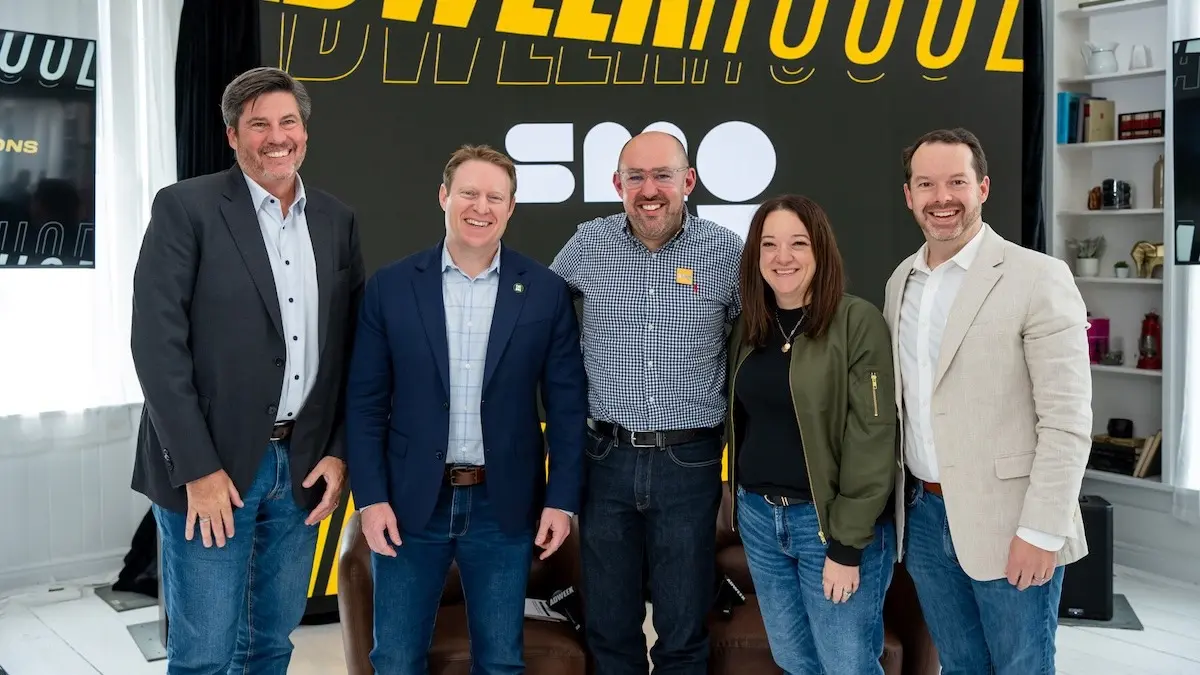
To unpack this shifting paradigm, ADWEEK House Advertising HQ—in strategic partnership with SMG—hosted a trio of high-impact commerce connection sessions. These discussions brought together industry leaders, media network executives, and retail innovators to examine the cutting edge of retail media. From optimizing and measuring in-store media effectiveness to capturing the elusive grocery shopper and unlocking the latent potential of travel media networks, the conversations highlighted an overarching truth: the future of commerce marketing belongs to those who can seamlessly connect data, physical spaces, and consumer sentiment.
This report synthesizes the key themes, strategic debates, and operational imperatives emerging from these sessions, offering a comprehensive look at how brands and networks are adapting to the demands of modern commerce.
Detailed Chronology: Key Sessions and Panels at ADWEEK House
The commerce connection programming was divided into three thematic modules, each addressing a critical vector in the expansion of retail media.
1. Building on the In-Store Experience: “Choose Your Player: The Battle for In-Store Leadership”
The opening session directly tackled the renaissance of brick-and-mortar retail media. Moderated by Ollie Shayer, senior director of global strategy and innovation at SMG, the panel featured an all-star lineup of industry experts: Collin Colburn, VP of commerce and retail media at IAB; Chip Harding, EVP of simon media and experiences at Simon Property Group; Austin Leonard, VP and general manager of DG Media Network; and Britt Polihronis, COO of RedMedia at Hy-Vee, Inc.
The discussion centered on the mechanisms driving in-store commerce media growth, with measurement emerging as the primary battleground. Panelists observed that physical retail environments present distinct measurement challenges compared to digital screens. In sprawling shopping centers and malls, traditional metrics such as foot traffic and direct sales attribution serve as reliable signals of campaign efficacy. Conversely, in fast-paced grocery and convenience environments, success is often mapped through immediate behavioral micro-signals—such as whether a consumer physically reaches for and picks up a product off the shelf.

Beyond hard data, the panel emphasized the experiential dimension of physical retail. Advertisers can no longer rely solely on passive signage; they must curate environments that actively encourage discovery, facilitate product trials, and align with consumer expectations.
2. Marketing to Grocery Shoppers: “From Story to Store: Connected Campaigns”
Transitioning from physical infrastructure to consumer routines, the second session took the form of an intimate fireside chat. Zoë Ruderman, chief content officer at ADWEEK, sat down with Liz Roche, VP of media and measurement at Albertsons Media Collective, to explore the complexities of marketing within the grocery sector.
Because grocery shopping represents one of the most frequent and indispensable weekly consumer routines, campaigns cannot afford to be siloed. Roche argued that successful grocery marketing must meet consumers well before they enter the supermarket aisle. By integrating Connected TV (CTV) campaigns, digital promotions, and personalized app notifications, brands can seed awareness early in the consumer journey.
The conversation also challenged conventional performance metrics. Roche critically evaluated the over-reliance on Return on Ad Spend (ROAS) and incremental ROAS (iROAS) within media networks, noting that these figures can fluctuate wildly depending on the underlying attribution methodology. She advocated for a shift toward holistic critical thinking, urging marketers to evaluate campaign success through a broader lens that accounts for category health and in-store momentum rather than single-metric validation.
3. The Future of Travel Media Networks: “Media on the Move: How Brands Are Winning Across the Travel Journey”
The final panel expanded the definition of retail media beyond traditional retail footprints into the transit and hospitality sectors. Moderated by Sean Crawford, managing director for North America at SMG, the session featured Katie Blackburn, VP of commercial strategy and operations at WHSmith North America; Shane Dwyer, VP of advertiser solutions at Lyft Ads; Chris Norton, SVP of marketing capabilities at Marriott Media; and Steven Paganelli, VP of media and partnerships at Tripadvisor.
The panel explored why modern travelers represent a goldmine for advertisers. Characterized by high purchasing power, elevated educational backgrounds, and specialized consumption habits, travelers over-index in categories such as retail, alcoholic beverages, and home improvement. Furthermore, the psychological state of travel—often associated with excitement, leisure, and openness to new experiences—renders consumers exceptionally receptive to brand storytelling.

However, capturing this audience demands a nuanced approach. Traditional retail metrics fall short when applied to a traveler’s journey. Panelists stressed the importance of mapping the entire travel continuum, accounting for the unique highs and lows of transit, and anticipating the shifting product and service needs of consumers at every stop along the way.
Supporting Context & Metrics: The State of Commerce Media
To fully appreciate the urgency behind these discussions, one must examine the broader economic and technological forces shaping the commerce media landscape.
- The In-Store Digital Transformation: Industry data indicates that while digital retail media continues to capture significant ad dollars, physical retail environments command the vast majority of actual retail transactions—often upwards of 80% to 90% depending on the sector. Recognizing this, networks are rapidly deploying programmatic digital out-of-home (DOOH) screens, smart carts, and beacon-enabled mobile alerts to bridge the physical-digital divide.
- The Attribution Paradox: As highlighted by Liz Roche and echoed by agency leaders across the event, the industry’s obsession with clean, isolated ROAS figures is running up against the reality of omnichannel consumer behavior. Cross-device exposure, synergistic digital-to-physical touchpoints, and shifting baseline sales make single-source attribution increasingly unreliable. Consequently, media networks are investing heavily in multi-touch attribution (MTA) models and clean-room technologies.
- The Rise of Non-Endemic Networks: The inclusion of travel and hospitality brands—such as Marriott, Lyft, Tripadvisor, and WHSmith—underscores the broader evolution of retail media into "commerce media." Non-endemic brands (such as financial services, automotive, and entertainment companies) are increasingly eager to leverage the first-party data and high-intent audiences housed within these emerging networks.
Official Statements and Industry Insights
Throughout the ADWEEK House sessions, participating executives offered acute perspectives on where the industry is heading:
-
On In-Store Engagement and Incrementality:
“Across both [mall and grocery] environments, advertisers want evidence of incremental sales to justify their investment. But measurement is only part of the equation… creating enjoyable shopping experiences, discussing ways to attract the right shoppers, curate brand offerings, and encourage discovery and product trials is paramount.” — Synthesized Panel Consensus
-
On Rethinking Traditional Metrics:

“Liz Roche challenged the reliability of metrics like ROAS and iROAS in media networks because of how the data shifts depending on the methodology. Rather than relying on a single metric, she advocated for critical thinking and a broader view of performance that considers multiple data points, including what is happening to a category or brand in-store.” — Event Insights
-
On the Psychology of the Consumer on the Move:
“Travelers can be attractive audiences because of their purchasing power, educational backgrounds, and above-average interest in categories such as retail, alcoholic beverages, and home improvement. The positive emotions often associated with travel can also make consumers more receptive to brand messaging.” — Panel Analysis
Future Outlook: Where Retail and Commerce Media Go Next
As the dust settles on these pivotal discussions, several clear trajectories emerge for brands, retailers, and media network operators looking toward the future:
- Standardization of In-Store Measurement: As brands pour more capital into physical retail media (shelf-edge screens, audio advertising, and smart displays), the industry must coalesce around standardized measurement frameworks. Proving incrementality in the physical aisle will remain a top priority for CMOs demanding accountability.
- Expansion of Non-Traditional Networks: The success of travel media networks signals that any environment characterized by high-intent dwell time and rich first-party data can function as a media network. Expect to see further convergence between travel, hospitality, financial services, and traditional retail data ecosystems.
- Holistic Omnichannel Planning: Siloed digital-only or in-store-only strategies are rapidly becoming obsolete. Future-proof campaigns will leverage upper-funnel formats—such as Connected TV and programmatic audio—to prime consumers before they engage with mid-funnel digital commerce tools and bottom-funnel physical retail touchpoints.
Ultimately, the insights emerging from ADWEEK House and SMG demonstrate that retail media has outgrown its identity as a mere advertising add-on. It is now the operational blueprint for modern consumer connection—one where data, physical environments, and human psychology intersect to drive the next generation of commerce.