

Executive Overview
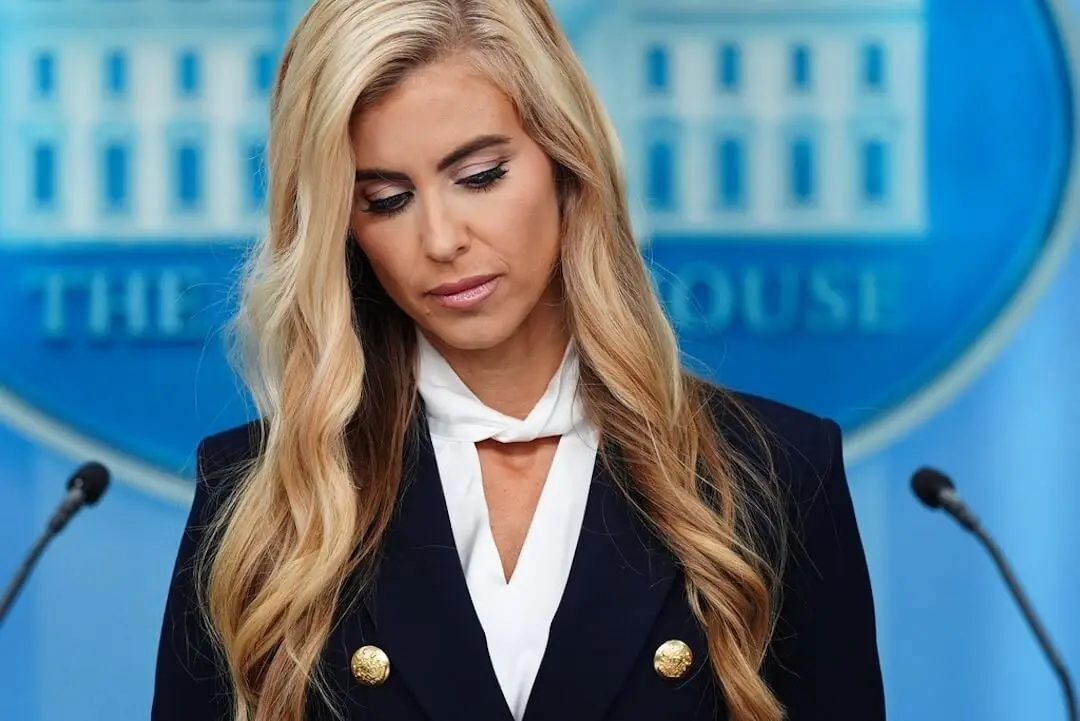
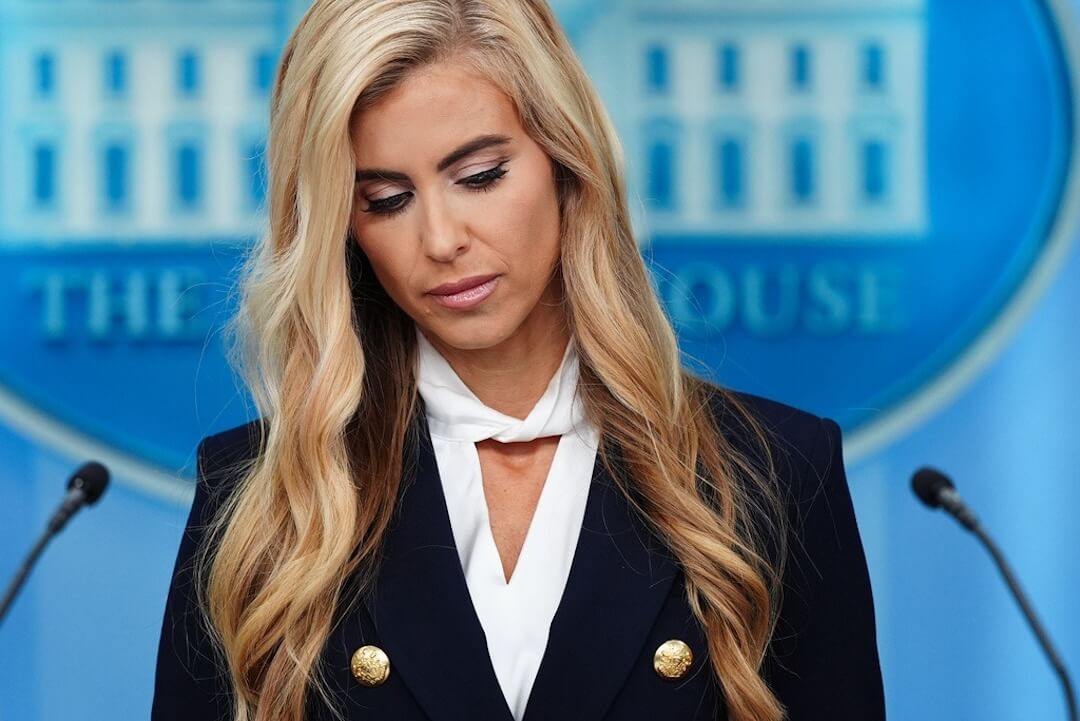
The landscape of American politics and media was upended this week by a cascade of high-profile crises, headlined by a disastrous introductory press briefing from newly appointed White House Press Secretary Katie Zacharia. Taking the podium for a mere 14 minutes, Zacharia appeared visibly rattled, relied heavily on prepared notes, and restricted her acknowledgments to a mere three conservative outlets. The performance immediately ignited internal panic within the West Wing, drawing scathing critiques from veteran communications directors across the political spectrum and raising uncomfortable questions about the Trump administration’s vetting procedures.
Compounding the administration’s woes, Zacharia used her inaugural briefing to announce the immediate departure of U.S. Ambassador to Greece Kimberly Guilfoyle, following an explosive investigative report detailing alleged financial improprieties. Meanwhile, the media sector experienced its own violent tremors. At CBS News, a fierce internal rebellion erupted following sweeping editorial interventions by leadership, threatening the stability of legacy programs like 60 Minutes and igniting bitter clashes over Middle East coverage.
Detailed Chronology of Events
The 14-Minute Disgrace: Zacharia’s First Briefing
The sequence of events leading to Tuesday’s public relations meltdown began late last week when President Donald Trump bypassed traditional advisory channels—most notably Chief of Staff Susie Wiles—to appoint conservative media commentator Katie Zacharia as the 37th White House Press Secretary.
On Tuesday morning, Zacharia made her official debut in the James S. Brady Press Briefing Room. Expectations, even among administration loyalists, were modest; however, the reality surpassed worst-case scenarios.
- The Performance: Zacharia stepped to the podium visibly nervous, keeping her eyes locked on her briefing notes for the duration of the 14-minute session.
- The Q&A Restrictions: Eschewing traditional calls across the press corps, she fielded questions from only three reporters representing partisan or conservative outlets: Breitbart, Fox News, and the Daily Mail.
- The Breaking Revelation: Amid her stumbling remarks, Zacharia dropped a major news item, confirming that Kimberly Guilfoyle was stepping down as U.S. Ambassador to Greece.
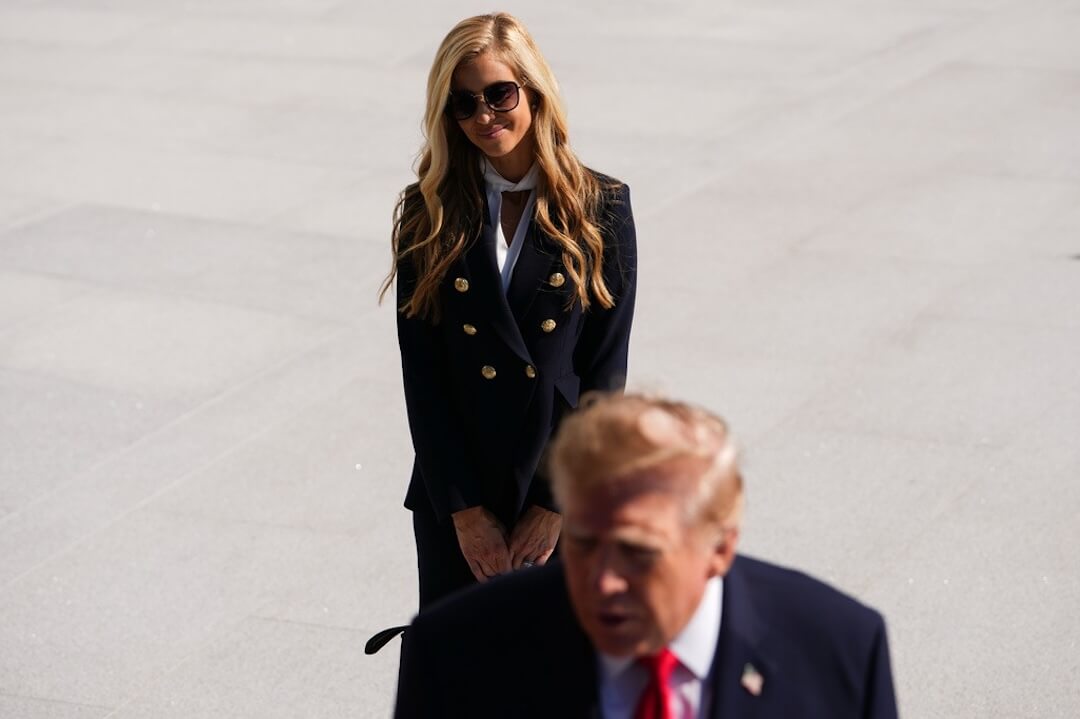
Immediately following the briefing, Zacharia and President Trump fielded brief questions from reporters on the South Lawn before Trump boarded Marine One bound for Alaska. Amid shouting queries regarding her background, reporters pressed Zacharia on whether she had ever actually passed a bar exam, a foundational credential for her previous public framing as a practicing attorney.
The Guilfoyle Exit
The forced resignation of Kimberly Guilfoyle capped a meteoric rise and precipitous fall for the former television personality and close Trump family associate. The unraveling began days prior when a joint investigative report by The Wall Street Journal revealed that Guilfoyle had allegedly solicited a $100,000 payment to her American Express account from a prominent Trump donor, Eric Deters, in the days leading up to her Senate confirmation hearing.
According to text messages reviewed by investigators, Guilfoyle purportedly leveraged her ties to the incoming administration, offering to lobby the Internal Revenue Service and the Department of Justice on Deters’ behalf in exchange for the financial bailout, promising to be his "Trump ride or die, forever and ever." Deters ultimately declined, citing the potential destruction of his marriage.
Though Guilfoyle’s legal counsel disputed the authenticity of the text messages without offering substantive proof, the political fallout was instantaneous. Despite her high-visibility tenure in Athens—marked by glossy magazine spreads and a robust social calendar—even stalwart Republican allies called for her immediate dismissal. President Trump distanced himself from the controversy on Tuesday, telling reporters that while he believed she had performed well in Greece, he "didn’t like what [he] read."
CBS News Internal Explosion
While the West Wing battled political fallout, CBS News was consumed by an existential editorial civil war. The friction stemmed from sweeping, hands-on interventions by newly appointed Editor-in-Chief Bari Weiss and Foreign Editor Shayndi Raice.
The crisis broke into the open when reports surfaced that veteran 60 Minutes correspondent Lesley Stahl had privately discussed the possibility of quitting the program. The friction reportedly followed intensive editorial feedback from Weiss regarding Stahl’s investigative piece focusing on the violence perpetrated by extremist Israeli settlers against Palestinians in the West Bank.
By Tuesday, the internal tension boiled over during a volatile virtual staff meeting. Foreign Editor Shayndi Raice delivered a 15-minute, uninterrupted address to the foreign desk. According to leaked audio obtained by independent journalist Oliver Darcy, Raice fiercely defended her editorial mandates—which included pushing back against correspondent Holly Williams’ inclusion of the Palestinian death toll in a CBS Evening News segment commemorating the anniversary of the October 7 attacks.
Describing her role not as a logistician but as an active structural challenger of copy, Raice warned staffers that "insubordination" would not be tolerated, declaring it explicit legal grounds for termination. The meeting featured a tense, direct back-and-forth between Raice and Williams, underscoring a deepening chasm between network traditionalists and the new editorial regime.
Supporting Context & Metrics
The convergence of these events highlights systemic vulnerabilities across both the federal government and mainstream media institutions.
| Event / Crisis | Key Figures Involved | Immediate Catalyst | Fallout / Ramifications |
|---|---|---|---|
| White House Briefing Meltdown | Katie Zacharia, Donald Trump, Susie Wiles | Bypassing staff vetting to quickly install a television commentator as Press Secretary. | Widespread mockery, comparisons to SNL skits, and internal speculation over job security. |
| Ambassadorial Resignation | Kimberly Guilfoyle, Eric Deters | The Wall Street Journal report on alleged $100,000 credit card payoff solicitation. | Immediate resignation, public distancing by Donald Trump, and bipartisan condemnation. |
| CBS News Editorial Mutiny | Lesley Stahl, Holly Williams, Bari Weiss, Shayndi Raice | Hands-on editorial revisions regarding Middle East coverage and settler violence. | Threats of resignation from veteran anchors and a fiery all-staff meeting warning of insubordination firings. |
Furthermore, investigative scrutiny into Katie Zacharia’s background has exposed deep procedural failures within the administration’s hiring apparatus. Independent journalist Judd Legum of Popular Information and media analyst Sarah Rumpf of Mediaite revealed a glaring discrepancy regarding Zacharia’s credentials. Despite appearing on Fox News programs and podcasts at least 18 times since March 2025 with on-screen chyrons identifying her as a "lawyer"—and being explicitly labeled an attorney by Trump himself—public records across all 50 states and the District of Columbia show no evidence that Zacharia ever passed a bar exam or held active state licensure. When pressed by reporters on the South Lawn, Zacharia offered vague references to moving to China to work for a Beijing law firm—an explanation that legal experts noted fails to satisfy U.S. jurisdictional standards or foreign citizenship restrictions on legal practice.
Official Statements and Reactions
The polarized nature of the current political and media ecosystem was fully reflected in the official statements issued in the wake of Tuesday’s crises.
The White House Spin Room
Recognizing the public relations catastrophe of Zacharia’s briefing, the White House communications team released an assertive memorandum designed to reframe the narrative. The statement characterized her debut as "powerful" and "commanding":
"Today, Katie Zacharia delivered a commanding inaugural press briefing as the 37th White House Press Secretary. The briefing, which generated wall-to-wall coverage, served as a strong introduction to her tenure and highlighted the Trump Administration’s record of delivering historic successes for the American people."
President Trump offered muted public support, telling reporters with Zacharia standing directly behind him: "I thought she did very good. I thought she was very good."
Bipartisan and Industry Pushback
In stark contrast, veteran communications professionals and political insiders offered unsparing assessments.
- Jen Psaki (Former Biden Press Secretary): Noted via social media that the briefing functioned essentially as an Saturday Night Live sketch, writing, "Well that briefing was basically an SNL skit — except it wasn’t."
- Joe Lockhart (Former Clinton Press Secretary): Speaking on CNN’s The Situation Room, Lockhart questioned the administration’s rationale for her appointment: "She’s been kind of a far-right bomb thrower on behalf of Trump and the MAGA world, and that’s a little odd to cite that as, you know, your resume for being able to get up there and stand at the podium and speak for the country. She doesn’t have the qualifications to do the job as I would define it."
- Anonymous West Wing Official: Voicing deep frustration over the lack of preparation time, an administration insider told CNN: "Why did they put her out there so quickly? Literally zero reason to put her out on her second day, unprepared. She needs to get much better, fast, otherwise she’ll break Scaramucci’s record."
CBS News Defense
Amid mounting leaks regarding newsroom unrest, a CBS News spokesperson formally dismissed the reporting surrounding Lesley Stahl as a "ludicrous, twisted narrative." However, network leadership doubled down on its restructuring through Foreign Editor Shayndi Raice, who defended rigorous editorial oversight during the tense staff call:
"This idea that somebody […] comes up with a story idea, writes a script, and nobody above them is allowed to have any comment on it — that’s not journalism. I’m sorry, journalism is a process where you are challenged, you are pushed to dig deeper, to do more, to try harder — not just to be fair, but to be smarter."
Future Outlook
As the dust settles on a tumultuous week, the trajectory for the institutions involved remains deeply uncertain.
For Katie Zacharia, the immediate future hinges entirely on her ability to survive intense internal scrutiny and rapidly adapt to the punishing demands of the White House briefing room. With senior aides already questioning whether she can outlast Anthony Scaramucci’s historic 10-day tenure as communications director, the pressure from both the press corps and West Wing traditionalists is absolute. Furthermore, the unresolved questions surrounding her legal credentials threaten to turn her tenure into a protracted ethics distraction unless the administration provides verifiable documentation.
In the diplomatic sphere, the abrupt exit of Kimberly Guilfoyle leaves a critical vacancy in Athens at a sensitive geopolitical juncture, forcing the State Department to scramble for a replacement capable of restoring institutional stability to the embassy.
Finally, the severe ideological and editorial fractures exposed at CBS News signal a profound culture war within legacy broadcast journalism. As executive leadership pushes forward with an assertive, hands-on oversight model, the network risks alienating its most veteran and respected correspondents—setting the stage for further departures and intense scrutiny over the future of American television news reporting.