

Executive Overview
October stands as a globally recognized milestone: Breast Cancer Awareness Month. Beyond the iconic pink ribbons displayed on lapels, corporate offices, and athletic fields, the month serves as a critical focal point for public health advocacy, fundraising, and research acceleration. According to data compiled by the American Cancer Society, approximately 1 in 8 women in the United States will be diagnosed with invasive breast cancer over the course of their lifetimes. This staggering statistic underscores the reality that nearly every family is touched by the disease, whether directly or through the experiences of friends and loved ones.
In response, the retail, beauty, fashion, and lifestyle sectors mobilize each autumn, merging consumerism with philanthropy. This year, top-tier brands—ranging from heritage fashion houses and luxury beauty giants to innovative wellness and home goods companies—have launched curated, limited-edition product collections designed to turn everyday purchases into engines for medical breakthroughs and patient support.
Far from superficial marketing exercises, these strategic partnerships have evolved into substantial lifelines for organizations like the Breast Cancer Research Foundation (BCRF), the American Cancer Society, the Tides Foundation, and the Cancer Schmancer Initiative. By channeling significant percentages of proceeds—and in some cases, 100% of sales—directly into clinical trials, early-detection initiatives, and patient navigation programs, consumers are empowered to make a tangible impact. This report provides an exhaustive look at the 2026 brand collaborations fueling breast cancer awareness, examining the mechanics of corporate philanthropy, the beneficiaries of these campaigns, and the broader horizon of oncology research funding.
Detailed Chronology and Brand Initiatives
The landscape of cause-related marketing has transformed over the years, demanding greater transparency, higher contribution percentages, and direct accountability from participating corporations. For the duration of October, dozens of consumer brands have rolled out dedicated campaigns. Below is a comprehensive breakdown of the major initiatives driving contributions this season across jewelry, apparel, beauty, and home wellness.
Jewelry and Accessories: Wearable Advocacy
Jewelry has long served as a personal statement, but during October, it becomes a visible badge of solidarity and financial support.
- Kendra Scott: Known for its rapid community-driven philanthropy, the brand has introduced customizable elements to select Emilie and Everlyne bracelet styles utilizing genuine Rose Quartz. Through the Kendra Scott Foundation, 20% of all proceeds from these designated pieces directly benefit the Breast Cancer Research Foundation (BCRF), supporting high-impact clinical and genetic research projects.
- gorjana: Demonstrating a deep commitment to the cause, gorjana has unveiled its dedicated Pink Collection. Most notably, 50% of the purchase price from the BCRF Heart Padlock Charm is funneled directly to the Breast Cancer Research Foundation, ensuring that half of every retail dollar goes straight toward funding innovative laboratory and clinical investigations.
Beauty and Skincare: Elevating Self-Care into Social Impact
The beauty industry holds a unique position in Breast Cancer Awareness Month campaigns. Because treatments like chemotherapy, radiation, and surgery profoundly affect skin, hair, and body image, beauty brands frequently focus their efforts on both research funding and products that restore comfort and confidence to patients.
- Sephora: As a titan in the global beauty market, Sephora has curated an exclusive Healthy Hair & Scalp Kit. Valued for its targeted therapeutic treatments, $25 from the purchase of every kit is donated to the Tides Foundation to benefit Memorial Sloan Kettering Cancer Center’s pioneering breast cancer immunotherapy research. Sephora has underwritten this commitment with a guaranteed minimum corporate donation of $350,000 to the center.
- DERMAFLASH: High-tech beauty device innovator DERMAFLASH is channeling 25% of net sales from its eye-catching Pop Pink LUXE+ device directly to the Breast Cancer Research Foundation (BCRF). The collaboration merges the brand’s flagship exfoliation technology with visible advocacy.
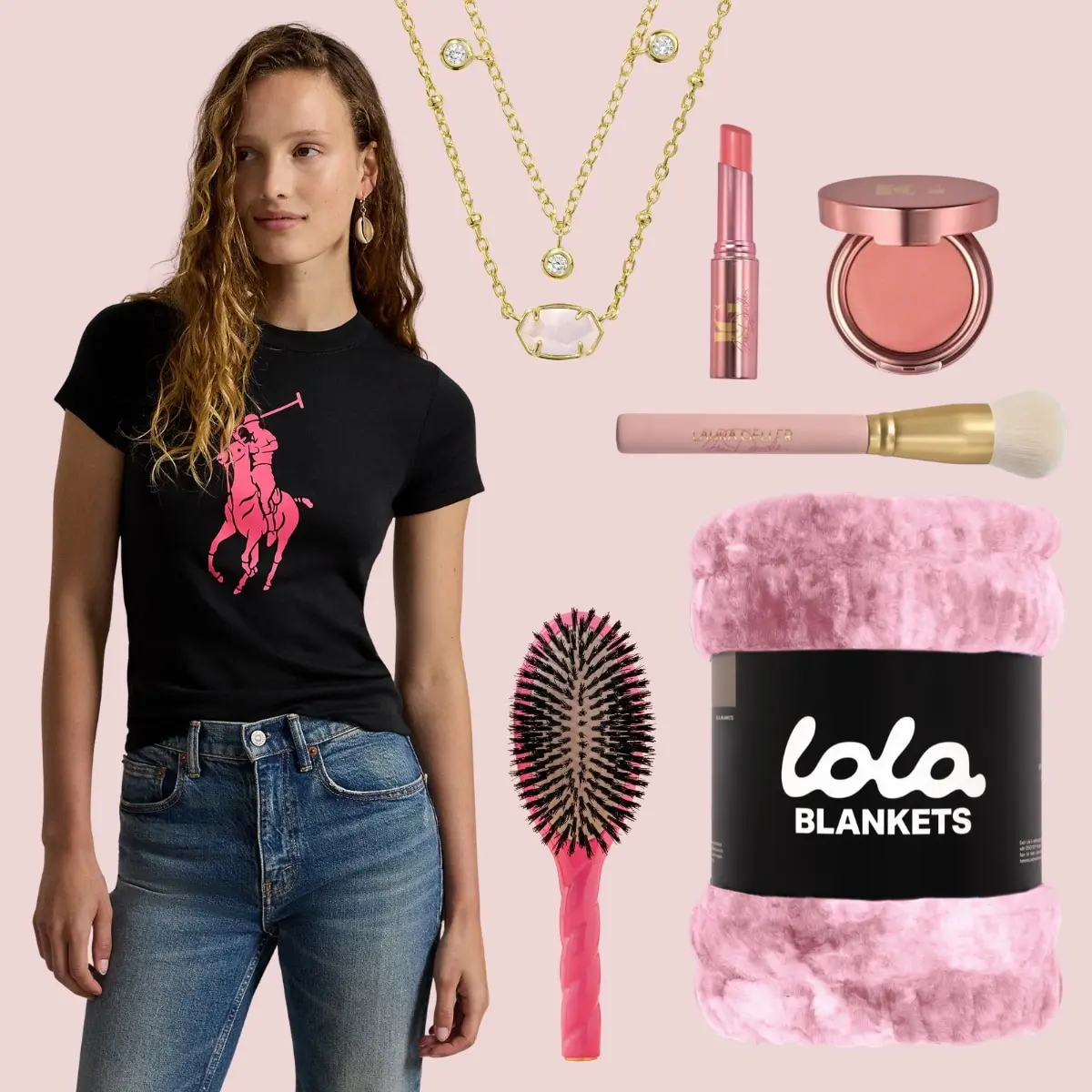
- Laura Geller: In a powerful advocacy partnership with cancer survivor Fran Drescher and her organization, the Cancer Schmancer Initiative, Laura Geller is directing 50% of proceeds from a specially curated cosmetic kit—comprising a Hydrating Blush, a Hydrating Lip Color, and an application brush—toward early-detection and prevention education programs spearheaded by the foundation.
- La Bonne Brosse: Premium French hair-brush artisan La Bonne Brosse has released a limited-edition Pink October Collection centered around its sensitive scalp brush. A substantial portion of proceeds from this collection directly contributes to targeted research grants funded by the BCRF.
- Cakes Body: Addressing comfort and body positivity, CAKES Body has launched the BCAM Bundle, featuring Grippy CAKES circles, Sticky CAKES circles, and an educational Breast Health insert. The brand is donating 30% of revenue (up to $50,000) to the BCRF, supported by a broader corporate pledge of a minimum annual donation of $250,000 to the foundation by June 2027.
Fashion and Apparel: High-Style, High-Impact
Fashion brands utilize their global supply chains and cultural clout to scale fundraising efforts, transforming wardrobe staples into symbols of hope.
- Ralph Lauren: A veteran pioneer in breast cancer philanthropy through its iconic Pink Pony Initiative, Ralph Lauren continues its decades-long crusade. A full 25% of the purchase price from all items in the Pink Pony collection—ranging from classic cotton-jersey long-sleeve tees to signature accessories—directly benefits a network of international cancer charities, supporting screening programs, early treatment access, and patient navigation infrastructure.
- TELETIES: Known for its innovative hair accessories, TELETIES has dropped a dedicated Breast Cancer Awareness Collection. Twenty percent of the proceeds from items like the Pink Ribbon Medium Flat Round Clip are allocated to fund specialized Breast Cancer Care programs at AdventHealth.
- stakt: Fusing wellness and fitness, stakt is contributing 20% of all proceeds from its Rosewater products—including its signature multi-purpose fitness mats and weights—to The Pink Agenda, a nonprofit dedicated to raising breast cancer awareness and funding life-saving research among young professionals.
Home Comfort and Wellness: Creating Sanctuaries of Care
Home goods brands tap into the psychological need for comfort, security, and warmth during difficult therapeutic journeys.
- Lola Blankets: Embracing the tactile comfort of home, Lola Blankets is donating 100% of sales from its Pink Tie Dye Blanket—featuring a soft, soothing blend of blush, rose, and cream—directly to The Huntsman Cancer Institute, aiding its comprehensive research and patient care facilities.
- Hotel Lobby Candle: Elevating home ambiance, Hotel Lobby Candle has pledged $5 from every purchase of its flagship Signature Candle to the Breast Cancer Research Foundation (BCRF), turning home fragrance into a vehicle for scientific discovery.
- ChappyWrap: Offering another layer of warmth, ChappyWrap has released the Harborview Herringbone Ballet Pink Ribbon Edition blanket. In honor of Breast Cancer Awareness Month, 50% of the proceeds from each blanket sold are donated directly to the American Cancer Society to support ongoing patient lodging, transportation, and research grants.
Supporting Context and Metrics: The State of Breast Cancer in 2026
To understand why these retail initiatives matter, one must examine the epidemiological landscape of breast cancer. According to epidemiological reports and statistical updates from the American Cancer Society (ACS), breast cancer remains the most common cancer among women in the United States, excluding skin cancers.

Key Statistical Vectors:
- Incidence Rates: Approximately 1 in 8 U.S. women (roughly 13%) will develop invasive breast cancer over the course of her lifetime. In 2026 alone, hundreds of thousands of new invasive and non-invasive (in situ) cases are projected to be diagnosed.
- Mortality and Survival: While breast cancer is second only to lung cancer as a cause of cancer death among women, mortality rates have steadily declined since 1989. This drop is widely attributed to advances in early detection through widespread mammography screening, better awareness, and significantly improved treatment modalities.
- The Male Diagnosis Reality: Though predominantly affecting women, breast cancer also impacts men. Approximately 1% of all breast cancer cases in the United States occur in men, highlighting the need for inclusive education and accessible screening parameters.
- The Financial Burden of Research: Clinical trials and translational research—the process of turning laboratory discoveries into therapeutic drugs—require sustained, multi-million-dollar investments. Corporate partnerships bridge the funding gap, allowing organizations like the BCRF to commit hundreds of millions of dollars to researchers worldwide without relying solely on government grants, which can fluctuate with political cycles.
Official Statements and Industry Insights
The mechanics of cause-related marketing have evolved from passive donations into active partnerships built on transparency and shared values. Industry leaders and foundation executives have increasingly emphasized the importance of accountability in corporate philanthropy.
The Evolution of Consumer Expectations
Modern consumers—particularly Millennials and Generation Z—are increasingly skeptical of "pinkwashing," a term used to describe companies that market products with pink ribbons without making meaningful financial contributions to the cause. Consequently, brands partnering with major cancer organizations in 2026 have adopted radical transparency, explicitly outlining the exact mathematical breakdown of their donations.
Voices from the Nonprofit Sector
Representatives from organizations such as the Breast Cancer Research Foundation (BCRF) have repeatedly noted that corporate partnerships are the lifeblood of independent scientific funding.
"When brands commit a percentage of their net sales or establish guaranteed minimum donation floors—such as Sephora’s $350,000 commitment or Lola Blankets’ 100% donation model—they are not just funding microscopes and laboratory reagents; they are funding the salaries of brilliant postdoctoral fellows who will discover the next targeted therapy," notes a senior development director within the oncology research sector.
Similarly, advocates like Fran Drescher, founder of the Cancer Schmancer Initiative, have stressed the vital importance of education and early detection.
"Awareness is not just about wearing a ribbon; it is about shifting from a reactive healthcare system to a proactive wellness system. When cosmetic and lifestyle brands partner with us to educate consumers on preventative health, they are literally saving lives before stage-four diagnoses occur," Drescher has emphasized in campaign materials.
Future Outlook: Where Cause-Related Retail Is Heading
As we look toward the remainder of the 2020s, the intersection of retail and oncology advocacy is shifting in several profound directions:
- Year-Round Accountability: While October remains the traditional anchor for Breast Cancer Awareness Month, consumer demand is pushing brands to sustain their philanthropic commitments year-round rather than treating the cause as a mere 31-day marketing window.
- Technological Integration in Giving: The rise of QR codes on product packaging—linking consumers directly to live updates on how much money a specific collection has raised for clinical trials—is becoming an industry standard. This digital integration fosters deeper trust and connection between the buyer and the beneficiary.
- Personalized Oncology and Targeted Funding: Future fundraising dollars are increasingly earmarked for precision medicine—treatments tailored to the specific genetic profile of a patient’s tumor. Brands aligning with research foundations that specialize in immunotherapy and genetic mapping are helping to steer capital directly toward the most cutting-edge frontiers of cancer science.
Conclusion
Breast Cancer Awareness Month is ultimately a testament to collective action. Whether through purchasing a rose quartz bracelet from Kendra Scott, wrapping up in a ChappyWrap or Lola Blankets piece, investing in a Sephora beauty kit, or wearing a Ralph Lauren Pink Pony tee, consumers possess immense economic power. By consciously choosing brands that commit significant percentages of their revenue to medical research and patient support, shoppers transform routine retail transactions into a powerful force for scientific progress, bringing the world closer to a future free from breast cancer.