

Executive Overview
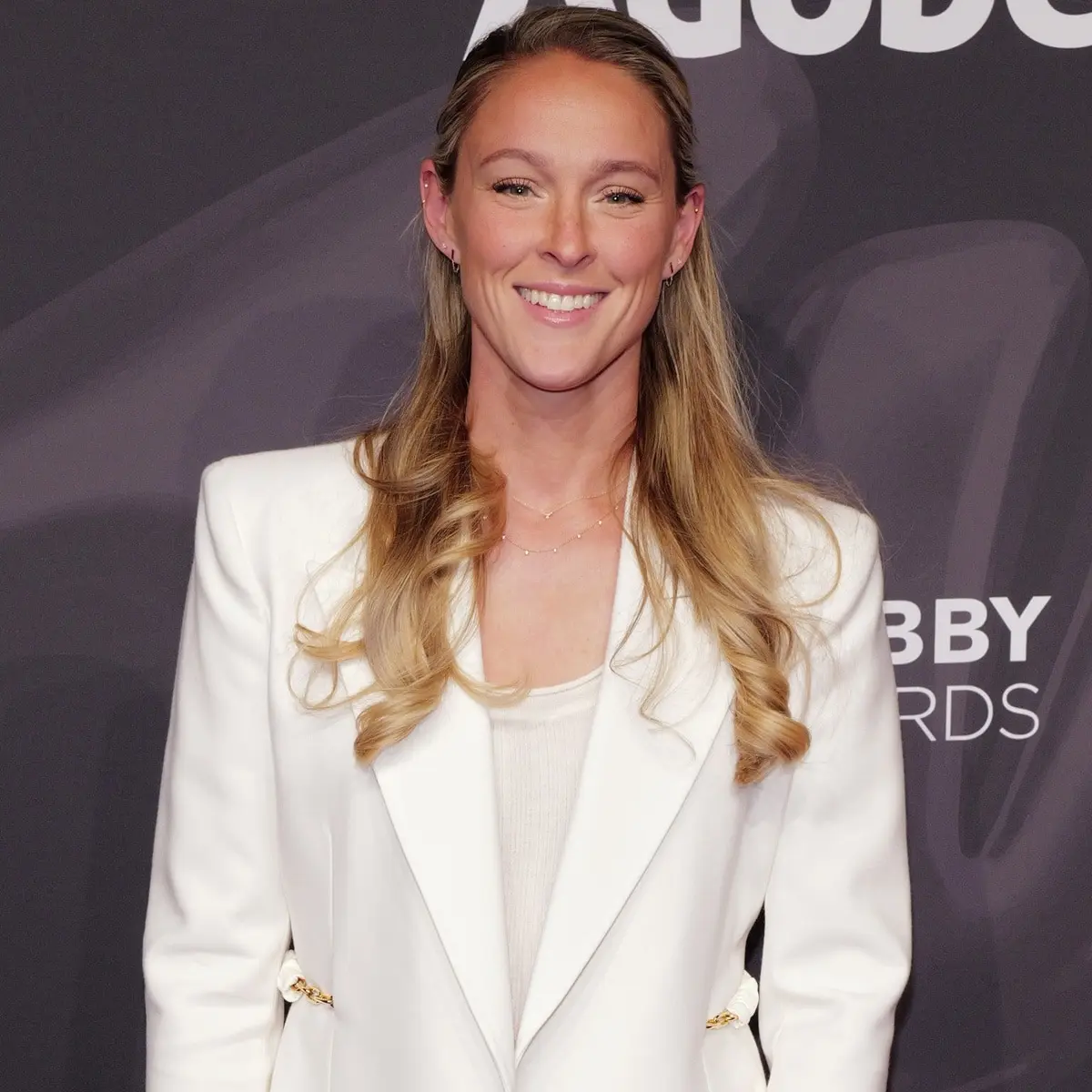
Parenthood in the public eye is an exercise in high-stakes logistics. For high-profile figures, managing demanding careers alongside the day-to-day realities of raising children requires more than just good time-management skills; it demands an entire ecosystem of support. Recently, public discourse surrounding celebrity childcare was reignited when podcast host and former Philadelphia Eagles center Jason Kelce’s wife, Kylie Kelce, opened up about how their family manages their four daughters.
Addressing the unique constraints of their high-profile lives, Kylie explained that while they do employ a nanny, their approach is grounded in maintaining a standard 9-to-5 dynamic. Rather than opting for a 24/7 live-in caregiver who might distance them from their parental duties, the Kelces rely on a strategic mix of local family, scheduled professional help, and a tailored game plan to keep their household running smoothly.
This candid revelation opens a broader window into how public figures manage the sprawling demands of fame and family. From Kim Kardashian’s rotating roster of five nannies to Cardi B’s transparent breakdown of multi-thousand-dollar weekly expenditures, celebrity parents are increasingly abandoning the myth of the "do-it-all" parent. Instead, they are offering a transparent look at the genuine costs, structures, and emotional negotiations required to raise children under the relentless glare of the media spotlight.
Detailed Chronology and Parental Strategies
The conversation around celebrity childcare is far from monolithic; rather, it spans a wide spectrum of philosophies, staffing models, and financial commitments. Examining how various public figures approach the division of labor reveals distinct chronological shifts in how transparency is handled in Hollywood and professional sports.
The Kelce Playbook: Zone Defense in Pennsylvania
As Kylie and Jason Kelce welcomed daughters Wyatt (7), Elliotte (5), Bennett (3), and Finnley (18 months), man-to-man coverage quickly became mathematically impossible. Transitioning to a strict zone defense, the couple found themselves navigating Kylie’s Not Gonna Lie podcast alongside Jason’s media ventures, including his wildly successful New Heights series with brother Travis Kelce, and his broadcasting commitments with ESPN.
During an October appearance on Michelle Obama and Craig Robinson’s IMO podcast, Kylie detailed their approach:
"We do have a nanny… I always give a shout out because we couldn’t do it without her. My husband and I have very busy schedules… We don’t necessarily want a live-in nanny or someone who’s going to be raising our kids void of us."
In addition to their primary caregiver—who operates on a standard 9-to-5 schedule—the Kelces heavily rely on geographic proximity. Jason’s parents, Ed and Donna Kelce, along with Kylie’s parents, Lisa and Ed McDevitt (who live just 15 minutes away), provide a crucial familial safety net that underpins their entire operation.
Kim Kardashian’s Multi-MVP Roster
At the other end of the structural spectrum is Kim Kardashian. Balancing a multi-faceted lifestyle empire, reality television production, legal studies, and raising her four children—North, Saint, Chicago, and Psalm—requires a meticulously organized corporate-style operation.
In a candid interview with The Times, Kardashian revealed that she maintains a rotating roster of five nannies. This ensures that at least one dedicated caregiver is present with the children at all times. Despite this extensive infrastructure, Kardashian maintains deep personal involvement in the foundational moments of her children’s days. She continues to share a bed with her children when they request it and personally reads to them every single night, emphasizing that delegation does not equal abdication of parental presence.
Historical Precedents and Evolving Transparency
The movement toward transparency regarding household help is a relatively modern development among celebrities. For decades, public figures faced intense public shaming—often driven by parasocial expectations of domestic perfection—for employing professional help.
- 2011: Comedian and writer Tina Fey famously addressed her own "class anxiety and race anxiety" regarding domestic help in her bestselling memoir, Bossypants, writing: "I know it’s bulls–t that I say ‘babysitter’ instead of nanny… What I have is a full-time nanny, and I should be roundly punished for trying to make it seem like the teenager next door comes over one night a week."
- 2019: Khloé Kardashian faced intense social media scrutiny over being photographed with a nanny, prompting a sharp and definitive clapback: "I can go anywhere and everywhere with whom I choose to. I choose to treat everybody like family that is in my house." That same year, Chrissy Teigen unapologetically told Vanity Fair that she and John Legend maintain a comprehensive staffing schedule covering days, nights, and weekends because pretending to do it all independently is unsustainable.
- 2023–2026: Modern broadcasters and artists like Erin Andrews and Cardi B have gone a step further, openly publishing and discussing the financial and logistical realities of their support systems, dismantling the harmful narrative that successful women should effortlessly balance demanding careers and full-time parenting without assistance.
Supporting Context & Metrics: The Economics of Celebrity Caregiving
Managing high-profile households involves substantial financial investments and intricate scheduling. A granular look at the figures shared by public figures illuminates the true scale of modern celebrity domestic management:
- Cardi B’s Childcare Ledger: In a May 2025 social media breakdown, the Grammy-winning artist itemized the staggering yearly and monthly expenditures required to raise her children (Kulture, Wave, Blossom, and her youngest son with Stefon Diggs). The line items included:
- $45,000 annually in private school tuition.
- Specialized tutoring, piano, and gymnastics classes for her eldest children.
- A full-time personal chef working 10-hour shifts.
- A dedicated driver on a $10,000-per-month retainer.
- Family-led caregiving, including a cousin paid $3,000 a week to babysit Wave and Kulture, alongside a daytime nanny earning $500 per shift.
- The Psychological Cost of Staffing: While financial resources solve logistical bottlenecks, they introduce unique emotional hurdles. Today show meteorologist Dylan Dreyer candidly addressed the emotional sting of discovering her eldest son, Calvin, briefly preferred his nanny over her during infancy. However, Dreyer ultimately reframed the experience, noting that building a trusted "village" is essential not just for career longevity, but for preserving mental health and carving out necessary space for self-care.
- The Boundary-Setting Dilemma: Pop superstar Katy Perry discussed her deliberate choice to forgo a full-time nanny during a 2022 appearance on the Smartless podcast. Working around her demanding Las Vegas residency and global commitments, Perry emphasized: "I have a wonderful nanny, but I don’t have a full-time nanny… because I feel like if I had a full-time nanny then I would never be able to know how to care for my daughter like I’m meant to." This philosophy highlights a persistent tension in celebrity parenting: balancing the absolute necessity of professional help with the deeply personal desire to remain the primary emotional anchor for one’s children.
Official Statements and Industry Perspectives
The discourse surrounding celebrity nannies frequently intersects with broader cultural conversations about working parenthood, gender expectations, and the myth of the supermom.
When public figures step forward to demystify their home lives, they often explicitly aim to dismantle unrealistic standards for everyday parents. As NFL broadcaster Erin Andrews noted during an interview with E! News regarding her decision to openly discuss her live-in nanny:
"So many people don’t talk about it, so it gives out this weird picture that I got it all… People have all sorts of help, whether it’s daycare, a church group, their mom, a relative. So I think it is really important to just be like, ‘I don’t have it all together.’ I feel like honesty is the best way and why try to candy coat and make it look so simple?"
Similarly, Kylie Kelce’s commentary on the IMO podcast highlights a specialized screening process unique to modern public figures. Because high-profile families face unprecedented digital exposure and security concerns, finding reliable help requires bypassing generic online databases in favor of vetted networks, personal references, and strict alignment on parental philosophies.
Industry experts note that modern celebrity parents are increasingly treating their domestic teams not as hidden staff members, but as vital extensions of the family unit—treating caregivers with professional respect while integrating them smoothly into the children’s daily routines.
Future Outlook
As the boundaries between public personas and private lives continue to blur in the digital age, the cultural conversation surrounding celebrity parenting is undergoing a permanent shift. The era of the silent, hidden household staff is rapidly giving way to an era of radical transparency.
Public figures like Kylie Kelce, Erin Andrews, and Chrissy Teigen are proving that acknowledging a support system does not diminish parental dedication; rather, it authenticates it. By speaking openly about the exact number of nannies they employ—whether it is one part-time caregiver operating on a 9-to-5 schedule or a rotating team of five professionals—these parents are helping to dismantle the toxic perfectionism that burdens working parents across all industries.
Looking ahead, the future of celebrity childcare will likely be defined by flexibility, mental health awareness, and the open acknowledgment that raising children in the modern world requires a collective effort. Whether navigating the chaotic schedules of professional sports, grueling television production, or global music tours, the consensus among today’s most visible parents is clear: building a strong, trusted village is the ultimate winning strategy.