

Executive Overview
After years of profound corporate introspection, structural realignment, and a deliberate, painstaking effort to rehabilitate its once-tarnished global image, Victoria’s Secret is staging its most radical transformation yet. The brand’s iconic Fashion Show—long criticized as a symbol of exclusive, homogeneous, and unattainable beauty standards—is being completely reimagined. No longer an elitist spectacle guarded by velvet ropes and industry gatekeepers, the newly minted production is pivoting toward a communal, highly accessible, and participatory pop-culture event.
From public ticket drops and a nationwide talent search for the next generation of "Angels" to multi-platform global streaming and a pioneering post-show TikTok Live, the lingerie giant is orchestrating a masterclass in modern brand rehabilitation. This year’s highly anticipated Victoria’s Secret Fashion Show, scheduled for Sunday, October 18, in Los Angeles, marks the second iteration under the stewardship of Chief Marketing and Customer Officer Elizabeth Preis, who assumed her role in May 2025.
By leaning heavily into interactivity, shared cultural moments, and digital democratization, Victoria’s Secret is signaling to consumers and industry analysts alike that the traditional fashion show format must evolve or perish. This deep-dive report examines the strategic mechanics behind Victoria’s Secret’s ongoing turnaround, the cultural imperatives driving this year’s broadcast innovations, and what this pivotal Los Angeles event means for the future of experiential retail and marketing.
Detailed Chronology: From the Fall of the "Angels" to the Rise of the Digital Collective
To understand the magnitude of the October 18 Los Angeles showcase, one must contextualize the turbulent timeline that necessitated Victoria’s Secret’s radical reinvention.
The Zenith and Collapse of the Traditional Format
For decades, the Victoria’s Secret Fashion Show was undisputed as the Super Bowl of the fashion calendar. Boasting towering feather wings, multi-million-dollar "Fantasy Bras," and performances by pop royalty, the broadcast drew tens of millions of viewers globally. However, by the late 2010s, the cultural tide had turned. Facing mounting criticism over a lack of body diversity, archaic marketing tropes, and executive controversies that alienated modern consumers, viewership plummeted. In 2019, parent company L Brands pulled the plug on the broadcast indefinitely.
The Rebuilding Years (2020–2024)
Following the cancellation, Victoria’s Secret embarked on a multi-year restructuring initiative. The company spun off from L Brands, appointed a predominantly female board of directors, and retired the monolithic "Angel" moniker in favor of the "VS Collective"—a group of diverse change-makers, athletes, and activists.
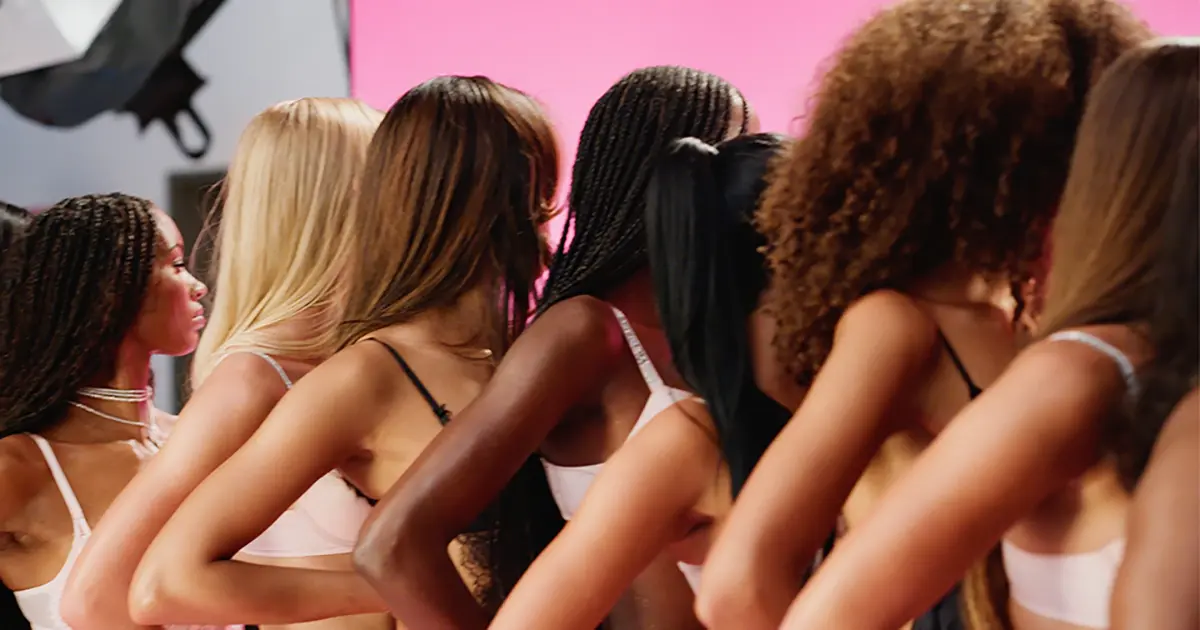
By late 2023, the brand tentatively tested the waters with a hybrid documentary-runway film titled The Tour ’23, which prioritized independent global creatives over traditional runway paradigms. While met with mixed commercial fanfare, it laid the groundwork for a permanent return. In October 2024, the brand officially brought back its traditional runway format, but with a modern twist: an all-female lineup of performers and a more diverse array of body types and identities.
The Preis Era and the Pivot to Participation (2025 and Beyond)
Entering 2025, the brand sought to accelerate its momentum. Enter Elizabeth Preis, who stepped into the role of Chief Marketing and Customer Officer in May 2025. Tasked with deepening consumer loyalty and translating brand equity into measurable sales, Preis immediately recognized a critical consumer behavior during the 2024 comeback: fans weren’t just watching the show in isolation; they were turning it into a social event.
"When we observed how fans gathered together to watch the event last year, we wanted to make sure this year was much more participatory as a night of fun and friendship," Preis noted in an interview with ADWEEK.
This insight directly inspired the architecture of the upcoming October 18 Los Angeles show. Moving away from a passive viewing experience, the company engineered a comprehensive engagement funnel that begins weeks before the runway lights turn on and extends deep into digital after-parties.
Supporting Context & Metrics: Decoding the Modern Consumer Engagement Strategy
Victoria’s Secret’s transformation is not merely altruistic or aesthetic; it is a hard-nosed commercial strategy designed to capture Gen Z and Millennial spending power. The intimate apparel market has become fiercely competitive, populated by digitally native disruptors like Rihanna’s Savage X Fenty, Skims, and a myriad of body-positive direct-to-consumer brands that prioritize inclusivity as a baseline rather than a marketing angle.
The Metrics of Modern Relevancy
- Omnichannel Reach: By eschewing traditional cable television networks in favor of a synchronized global broadcast across YouTube and the brand’s proprietary social channels, Victoria’s Secret is bypassing traditional gatekeepers to meet consumers directly where they spend their media consumption hours.
- The TikTok Frontier: The introduction of the brand’s first-ever post-show TikTok Live represents a calculated shift toward real-time commerce and community interaction. TikTok has rapidly evolved from an entertainment platform into a dominant social-shopping ecosystem. By opening the backstage doors and engaging directly with creators and fans immediately following the runway, Victoria’s Secret is capturing high-intent consumer engagement at its peak.
- Democratizing Access: Historically, attending the Victoria’s Secret Fashion Show was an exclusive privilege reserved for celebrities, high-tier editors, and advertising partners. By introducing public ticket drops, the brand is transforming the event from an unreachable fantasy into an attainable, communal celebration.
- The Nationwide Angel Search: By opening up casting calls beyond traditional modeling agencies through a nationwide search for new faces, the brand is effectively crowdsourcing its next generation of ambassadors. This strategy deepens consumer investment in the brand’s narrative, turning passive viewers into active stakeholders.
Official Statements and Industry Insights
The strategic shift orchestrated by Elizabeth Preis reflects a broader industry consensus: modern luxury and retail marketing can no longer rely on aspiration alone; it must incorporate connection, authenticity, and shared experiences.
"After observing how fans gathered together to watch the event, our primary goal was to make sure this year was much more participatory—transforming a traditional media broadcast into a communal night of fun, fashion, and friendship."
— Elizabeth Preis, Chief Marketing and Customer Officer, Victoria’s Secret
Industry analysts have praised the brand’s agility in recognizing that the definition of glamour has fundamentally changed. No longer defined by an exclusive, unattainable ideal, contemporary glamour is rooted in community expression, self-empowerment, and digital connectivity. By shifting the runway experience from a top-down corporate pronouncement to a bottom-up, interactive celebration, Victoria’s Secret is attempting to rebuild trust with a demographic that once felt entirely excluded from the brand’s ecosystem.
Future Outlook: What the Los Angeles Show Signals for the Retail Landscape
As the fashion world turns its eyes to Los Angeles on Sunday, October 18, the stakes extend far beyond the immediate success of a single runway presentation. The event serves as a bellwether for how legacy retail brands can successfully navigate generational shifts without losing the core equity of their heritage.
1. The Death of the Passive Broadcast
The traditional fashion show format—where clothes are shown months in advance to a tiny room of elites—is under severe strain. Victoria’s Secret’s multi-platform rollout (YouTube streaming combined with TikTok Live engagement) proves that future fashion events must be engineered as participatory media spectacles from the ground up.
2. Community-Driven Brand Identity
The success of the upcoming show will likely accelerate Victoria’s Secret’s transition from a product-centric merchant to a lifestyle community. By inviting everyday consumers into the talent search and offering public access tickets, the brand is laying the groundwork for a loyal, long-term consumer base that views the company as an ally in self-expression rather than a prescriptive arbiter of beauty.
3. The Commercial Imperative of Real-Time Commerce
As the lines between content, community, and commerce continue to blur—exemplified by the post-show TikTok Live—future iterations of the Victoria’s Secret Fashion Show will likely incorporate frictionless "shop-the-runway" capabilities directly within social feeds.
Conclusion
Victoria’s Secret’s journey from cultural exile to digital-first inclusivity is one of the most compelling corporate turnaround stories of the decade. By turning the October 18 Los Angeles showcase into a communal, accessible, and deeply participatory event, Elizabeth Preis and her team are not just reviving a legendary fashion show—they are defining how iconic brands must engage with the modern consumer in an era where community is the ultimate currency.