As the autumn season of 2026 unfolds, cultural landscapes are witnessing a fascinating convergence of traditional romanticism and modern pragmatic lifestyle adjustments. At the forefront of this seasonal shift is the theatrical release of a bold new film adaptation of Jane Austen’s Sense and Sensibility, starring Daisy Edgar-Jones. Critics are already hailing the project as a refreshing, ground-level reimagining of Regency-era tropes, prioritizing a naturalist aesthetic over stifling period-accurate corsetry.
Beyond the silver screen, households across the country are navigating the logistical realities of autumn—balancing the influx of teenage houseguests, curating hearty, comforting weekday dinners, and updating seasonal wardrobes for maximum practicality and ease. This report examines the cultural reception of the new cinematic release, explores innovative domestic lifehacks for modern hosting, highlights rising culinary trends, and reviews key retail shifts dominating the consumer market this October.
Detailed Chronology: The Autumn 2026 Cultural Calendar
Mid-October 2026: The Cinematic Resurgence of Jane Austen
The theatrical premiere of Sense and Sensibility on October 16, 2026, marks one of the most anticipated literary adaptations of the decade. Directed with a keen eye for environmental texture and emotional resonance, the film has sparked intense discourse across major cultural publications.
The New York Times early review set the tone for public reception, describing the film as “visually lovely, emphasizing the wide gulf between the stuffy world of manners and pecking orders and the wild freedom of forests and moors.” Unlike previous cinematic interpretations that leaned heavily into the rigid, corseted confines of 19th-century etiquette, this 2026 iteration offers audiences a looser, more realist perspective. The deliberate choice to shoot on location in untamed British landscapes has been credited with giving the classic narrative a visceral, modern urgency.
The Domestic Shift: Accommodating the Post-Pandemic Social Boom
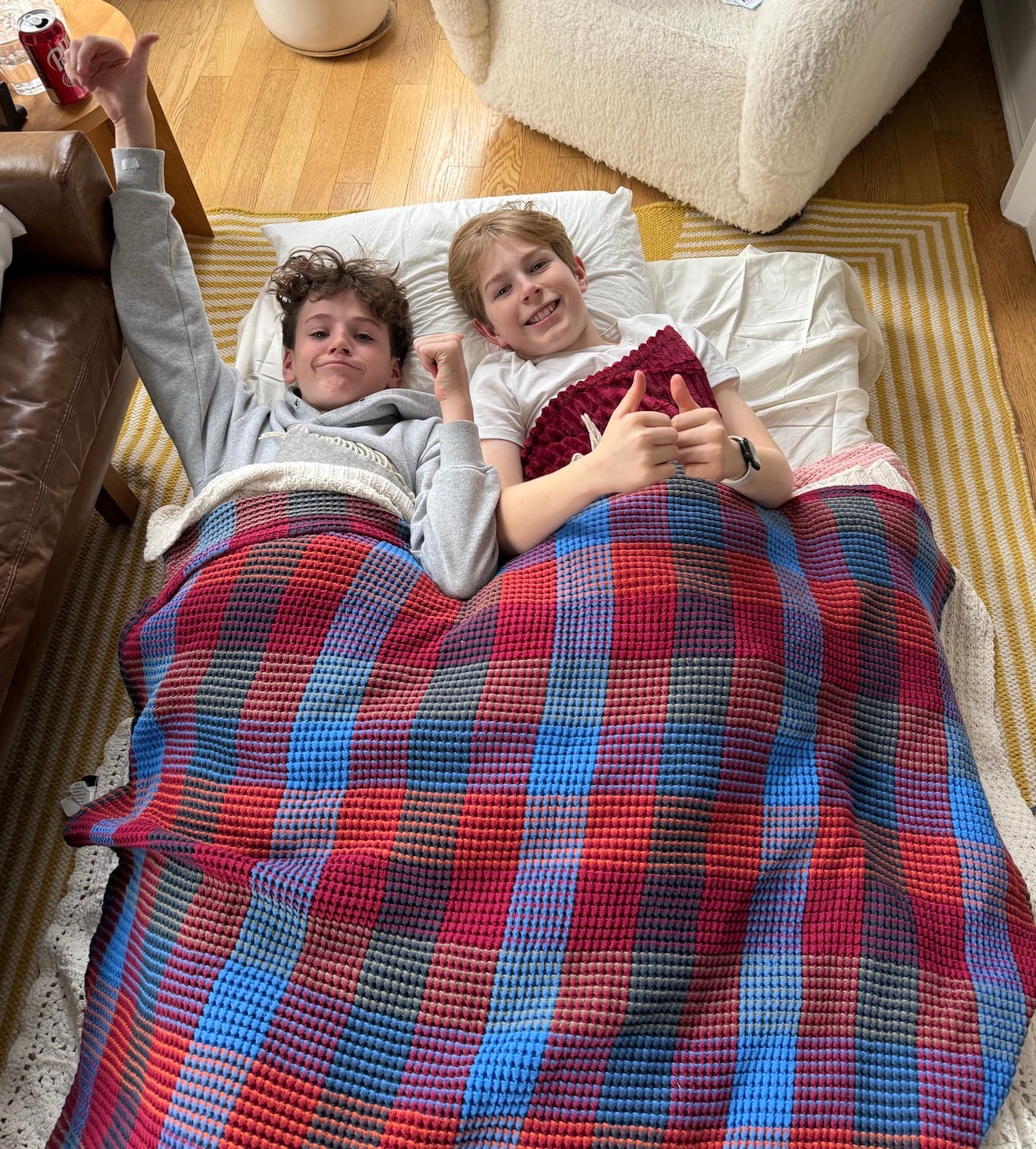
Concurrent with the film’s release, lifestyle analysts have noted a sharp uptick in home-entertaining metrics. Families are hosting record numbers of overnight guests—particularly teenagers navigating active social schedules.
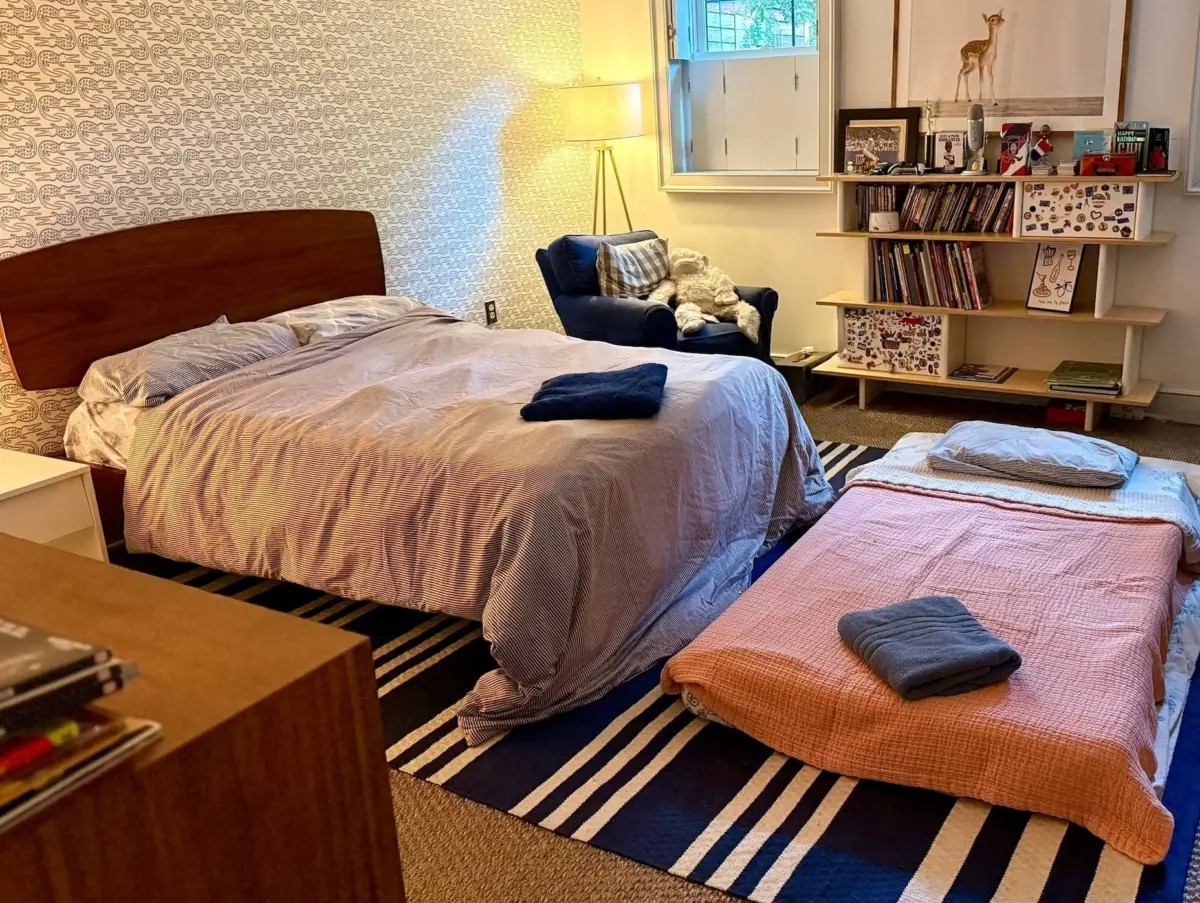
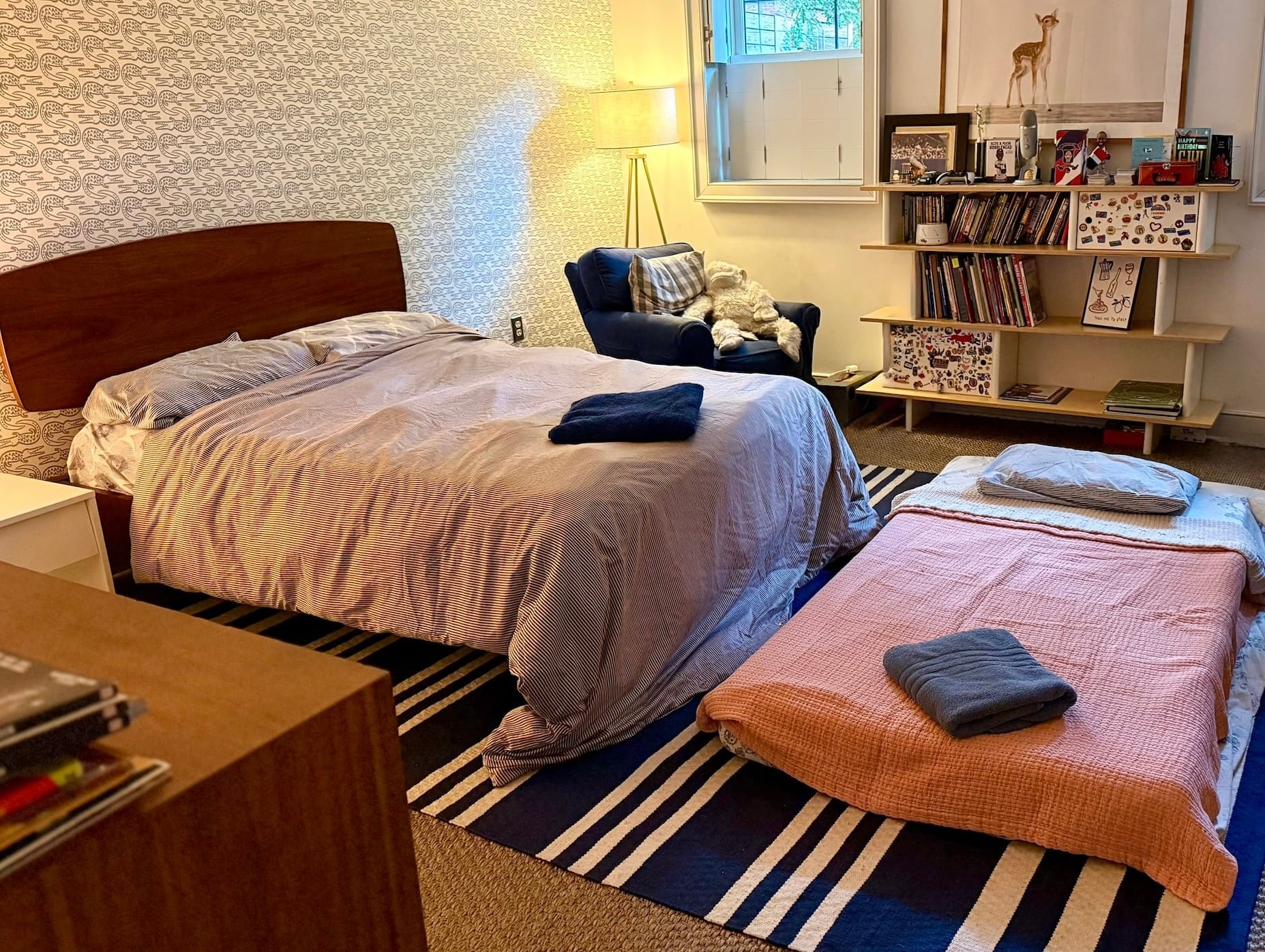
Traditional solutions, such as inflatable air mattresses, are increasingly being phased out due to durability concerns and comfort complaints. Influenced by peer recommendations within domestic lifestyle circles, homeowners are turning toward lightweight, full-foam twin mattresses as a permanent, high-utility hosting solution. Easily stowed beneath standard double beds, these portable mattresses represent a micro-trend in minimalist, multi-functional home design.
Supporting Context & Metrics: Culinary Comfort and Consumer Habits
The Rise of Comfort Cooking: White Chicken Chili
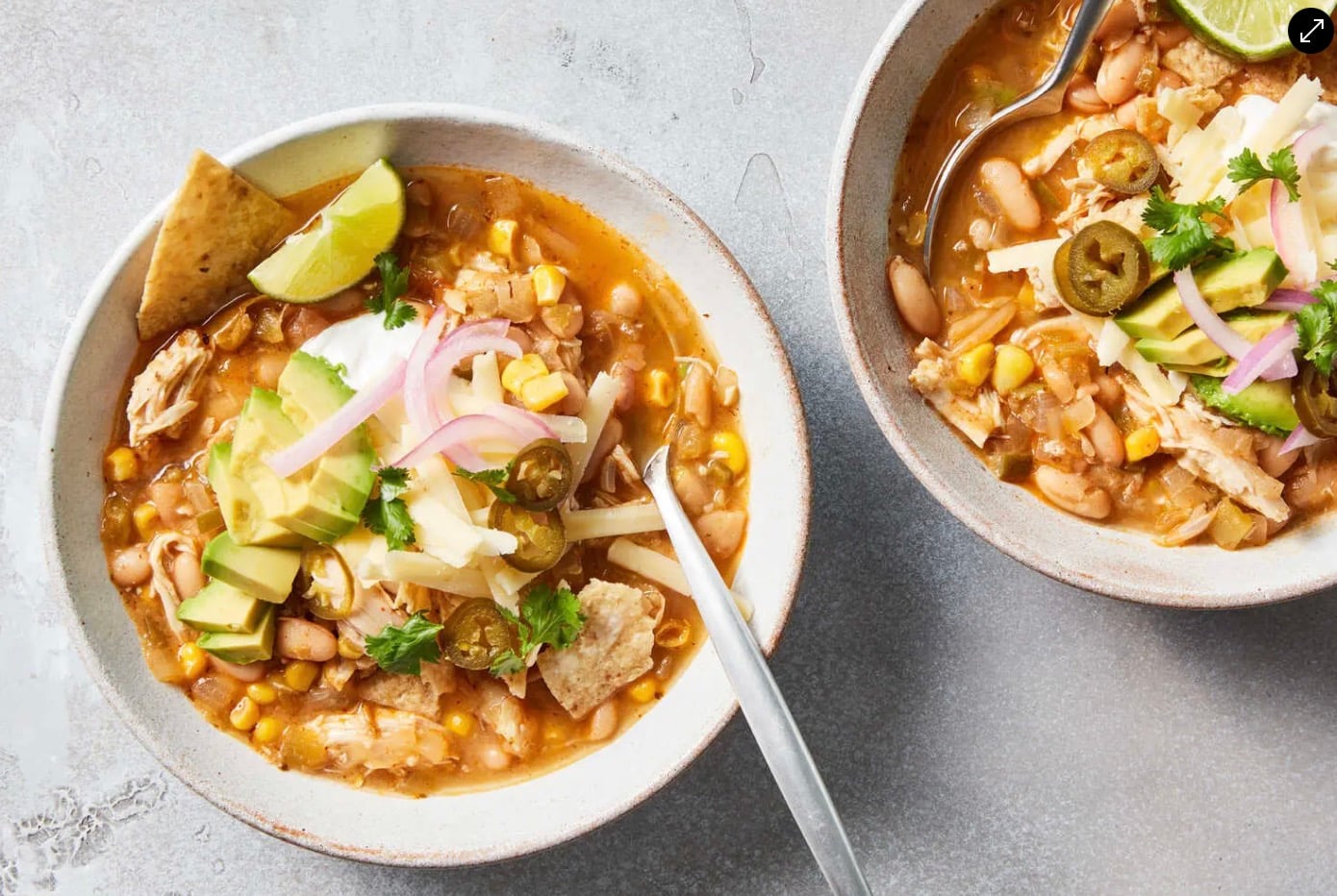
As temperatures drop across North America, home cooking habits have distinctly pivoted toward high-yield, deeply comforting one-pot meals. Data from major digital recipe platforms indicates a massive surge in searches for warming soups and chilis, with the New York Times Cooking recipe for White Chicken Chili emerging as a dominant weekly favorite for families and remote professionals alike.
Nutritional and Practical Benefits: Unlike heavier, beef-based red chilis, white chicken chili offers a lighter yet satisfying profile rich in lean protein, white beans, and aromatic green chilies.
The "Next-Day" Phenomenon: Culinary experts emphasize that the dish benefits significantly from resting overnight, making it an ideal meal prep option for remote workers seeking a quick, elevated lunch the following day.
Demographic Appeal: Consumer feedback highlights the dish’s broad appeal across age groups, successfully satisfying both young children and teenagers.
Sustainable Comfort Footwear: The Rothy’s Seasonal Sale
On the retail front, autumn footwear trends are prioritizing ergonomic comfort without sacrificing urban aesthetics. Rothy’s, a brand renowned for its sustainable, machine-washable footwear crafted from recycled plastic water bottles, launched a targeted promotional campaign in mid-October, offering up to 25% off its signature clogs and mules.
Market researchers note that demand for slip-on footwear has risen steadily over the past three years. Consumers increasingly favor "doorstep-ready" shoes—versatile footwear kept explicitly by entryways for quick neighborhood errands, school drop-offs, and casual outdoor strolls. This shift underscores a broader lifestyle movement toward frictionless, highly functional everyday attire.
Official Statements and Critical Perspectives
Cultural critics and lifestyle authorities have weighed heavily on the trends defining this period.
Film Critics on the New Sense and Sensibility:
“By stripping away the suffocating layers of theatrical pretense, the filmmakers have allowed Austen’s emotional core to breathe. The contrast between social confinement and natural liberation has never felt so palpable on screen.” (The New York Times)
Lifestyle Analysts on Modern Hosting Infrastructure:
“The modern household is no longer interested in temporary, high-maintenance guest setups. Consumers are investing in items that offer high comfort with zero storage footprint—proving that practicality can coexist seamlessly with hospitality.”
Future Outlook: What to Expect as Winter Approaches
As the cultural calendar moves from the vibrant golds of October into the deeper chill of late autumn and winter, several trajectories are becoming clear:
Naturalist Period Dramas: The critical and commercial success of the new Sense and Sensibility adaptation is expected to greenlight a wave of similarly grounded historical dramas, moving Hollywood away from hyper-stylized artificiality toward rugged realism.
Modular Home Living: The demand for space-saving domestic goods—such as slide-away twin mattresses and multi-functional furniture—will likely accelerate as urban housing costs remain high and hosting frequency stays elevated.
Conscious Consumerism in Apparel: Eco-friendly footwear brands offering versatile, comfort-first designs will continue to capture market share from traditional structured footwear, driven by consumers who refuse to compromise between foot health and casual style.
Ultimately, the cultural landscape of October 2026 reflects a collective desire for authenticity—whether found in the windswept moors of a classic Austen adaptation, the simple warmth of a homemade pot of chili, or the comfort of a reliable pair of slip-on shoes waiting by the front door.