

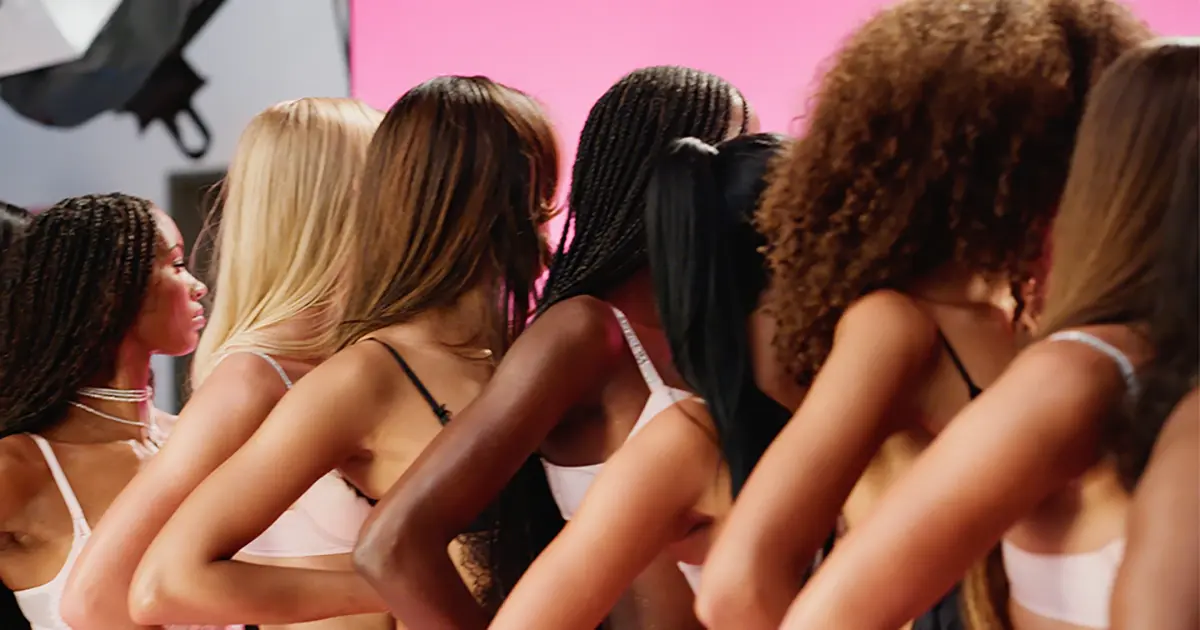
Executive Overview
Following years of comprehensive brand restructuring, cultural recalibration, and corporate introspection, Victoria’s Secret is fundamentally reimagining its once-exclusive cultural touchstone: the Victoria’s Secret Fashion Show. After a triumphant return that signaled a new era for the lingerie giant, the upcoming showcase aims to discard the notoriously exclusionary, high-gatekeeper ethos of the past in favor of a community-driven, highly participatory entertainment phenomenon.
Scheduled for Sunday, October 18, in Los Angeles, this year’s production represents a masterclass in modern experiential marketing. It moves far beyond passive viewing, leveraging a strategic blend of physical ticket drops, a nationwide talent search for the brand’s next generation of "Angels," and a sprawling digital-first distribution matrix. Anchored by global live streams on YouTube and social channels—culminating in the brand’s inaugural post-show TikTok Live—the event is designed to transform a traditional marketing exercise into an inclusive cultural moment.
At the helm of this reinvention is Chief Marketing and Customer Officer Elizabeth Preis, who assumed her role in May 2025. Operating under a mandate to align the historic brand with contemporary consumer expectations around body positivity, inclusivity, and shared digital experiences, Preis is orchestrating a pivot toward communal engagement. By focusing on connection, friendship, and direct consumer participation, Victoria’s Secret is not merely broadcasting a fashion show; it is attempting to anchor itself firmly within the modern social fabric of Gen Z and Millennial shoppers.
Detailed Chronology: The Evolution to an Inclusive Era
The Anatomy of a Cultural Rebuild
To understand the significance of the upcoming Los Angeles showcase, one must first examine the turbulent trajectory of the Victoria’s Secret Fashion Show. For decades, the annual broadcast was a monolithic pop-culture event, drawing tens of millions of viewers worldwide. However, by the late 2010s, the brand’s rigid adherence to homogenous beauty standards, coupled with shifting cultural norms around female empowerment and representation, triggered a severe backlash. Ratings plummeted, public perception soured, and the parent company made the historic decision to cancel the show in 2019 to execute a comprehensive operational and philosophical overhaul.
The 2025 Renaissance and the New Leadership Vision
The strategic pivot began to bear fruit with the highly anticipated 2025 comeback, which served as a bridge between the brand’s glamorous heritage and its modern, inclusive ethos. Under the stewardship of Elizabeth Preis, who joined the executive team in May 2025, the brand analyzed viewer behavior during that comeback event.
Market research and digital footprint analysis revealed a fascinating consumer trend: rather than watching the show in isolation, audiences were naturally gathering in groups, hosting viewing parties, and interacting across social platforms in real-time. Recognizing an untapped appetite for collective viewing experiences, Preis and her marketing team immediately began blueprinting a structural shift for subsequent presentations.
The Road to Los Angeles: October 18
The culmination of this strategic pivot arrives on Sunday, October 18, in Los Angeles. Moving away from traditional, tightly controlled media gatekeeping, the runway event has been engineered to break down the invisible wall between the audience and the catwalk. From innovative public ticket drops that allow everyday fans to secure physical access, to a nationwide talent search designed to scout the next iteration of the Victoria’s Secret Angel, the journey to the Los Angeles stage has been characterized by accessibility.
The programming schedule itself reflects a multi-tiered digital broadcast strategy:
- The Live Experience: A high-production physical runway show in Los Angeles blending high fashion with live musical performances and diverse casting.
- Global Broadcast: Simultaneous, high-definition streaming across YouTube and major social channels, ensuring international reach without regional licensing friction.
- The Interactive Finale: The brand’s first-ever post-show TikTok Live, engineered to capture real-time consumer reactions, behind-the-scenes access, and direct engagement with designers, models, and executives.
Supporting Context & Metrics: The Mechanics of Modern Fashion Marketing
Shifting Demographics and Digital-First Metrics
The transformation of the Victoria’s Secret Fashion Show is underpinned by rigorous data analytics and a profound understanding of modern consumer behavior. In the contemporary retail landscape, brand loyalty is no longer earned through aspirational distance; it is forged through proximity, transparency, and shared values.
Industry analysts note that digital engagement metrics—such as user-generated content (UGC), real-time chat sentiment, and social media shares—hold significantly more weight today than traditional television Nielsen ratings. By partnering deeply with platforms like YouTube and TikTok, Victoria’s Secret is positioning itself where younger demographics spend the majority of their media consumption hours.
| Metric / Channel | Traditional Era (Pre-2019) | Modern Era (2025–Present) |
|---|---|---|
| Primary Medium | Network Television Broadcast | Global Digital Streaming (YouTube, Socials) |
| Audience Interaction | Passive Viewing | Active Participation (TikTok Live, Ticket Drops) |
| Casting Philosophy | Homogenous "Angel" Standard | Diverse, Inclusive, Nationwide Talent Search |
| Consumer Touchpoint | Retail Stores & Catalogs | Omnichannel Digital Ecosystem & Social Commerce |
The Economics of Experiential and Participatory Marketing
Moving from a closed-door television special to an open, communal event alters the economic model of the fashion show. While production costs for high-concept runway events remain substantial, the return on investment (ROI) has shifted from direct ad-revenue sharing to upper-funnel brand equity, viral social commerce conversion, and long-term customer lifetime value (LTV).
By implementing public ticket drops, Victoria’s Secret transforms what used to be a pure marketing expense into a direct revenue-generating and community-building asset. Furthermore, the nationwide search for a new Angel serves as an ongoing content engine, driving continuous organic social media impressions across weeks of preliminary rounds, elimination stages, and public voting mechanisms.
Official Statements: Inside the Brand’s Strategy
The philosophy guiding this new chapter of Victoria’s Secret was articulated by Chief Marketing and Customer Officer Elizabeth Preis in an exclusive statement to ADWEEK. Reflecting on the consumer insights gathered from the previous year’s event, Preis emphasized a fundamental shift in corporate mindset:
"After observing how fans gathered together to watch the 2025 event, we wanted to make sure this year was much more participatory as a night of fun and friendship."
This sentiment encapsulates the core thesis of the modern Victoria’s Secret marketing strategy. Rather than dictating what is fashionable from an ivory tower of exclusivity, the brand is actively listening to how its community naturally interacts with its intellectual property and molding its corporate calendar to facilitate those communal rituals.
Additional statements from the executive leadership team underscore a commitment to sustainable cultural integration. The brand has repeatedly stressed that inclusivity, body diversity, and mental health advocacy are not merely temporary marketing checkboxes, but permanent pillars of its operational framework. The inclusion of diverse body types, ages, and backgrounds in the nationwide Angel search is designed to prove that the brand’s evolution is systemic rather than superficial.
Future Outlook: What This Means for the Industry and Victoria’s Secret
Setting a New Benchmark for Fashion Entertainment
As the retail and fashion industries continue to grapple with shifting consumer loyalties in a post-pandemic, digital-first economy, the trajectory of Victoria’s Secret offers a compelling case study. By successfully pivoting an old-world, controversial marketing vehicle into an interactive, digital-native festival of fashion, the company is establishing a new playbook for legacy brands seeking redemption and relevance.
The success of the October 18 event in Los Angeles will likely serve as a bellwether for the broader fashion industry. If the hybrid model—combining physical exclusivity with hyper-accessible digital streaming and real-time social integration—yields the anticipated engagement metrics, competitors will inevitably scramble to replicate the formula. Traditional fashion weeks in Milan, Paris, New York, and London are already being pressured to democratize their digital footprints; Victoria’s Secret is accelerating that timeline by bridging the gap between high-end runway spectacles and mass-market digital accessibility.
Long-Term Strategic Implications
Looking beyond the lights of the Los Angeles runway and the metrics of the upcoming TikTok Live broadcast, the long-term viability of Victoria’s Secret hinges on its ability to sustain this momentum.
- Product Translation: The excitement generated by the runway show must translate seamlessly into sales floors and digital e-commerce checkouts. The products featured on the runway must resonate with the diverse consumer base participating in the digital broadcasts.
- Community Cultivation: The nationwide talent search and ticket-drop initiatives must evolve into permanent community-building programs, ensuring that fans feel a sustained sense of ownership and connection to the brand throughout the year, rather than just during October.
- Authenticity Maintenance: As the brand continues its corporate rehabilitation, maintaining transparency and staying responsive to consumer feedback will be paramount. Any perceived regression into exclusionary practices could instantly erode the hard-won trust built over the past several years.
Ultimately, the transformation of the Victoria’s Secret Fashion Show from an exclusive spectacle into a communal celebration marks a defining moment in modern retail marketing. By embracing participation, friendship, and digital democratization, Victoria’s Secret is proving that even the most deeply entrenched legacy brands can successfully reinvent themselves for a new generation.