

Executive Overview
In the hyper-connected landscape of modern digital romance, the boundary between reality and fabrication has grown perilously thin. Swipe-based dating applications, social media status symbols, and the curated illusion of elite lifestyles have created a fertile breeding ground for sophisticated threat actors. No contemporary case encapsulates this dystopian intersection of modern dating, social media validation, and financial predation quite the saga of Daejon Love.
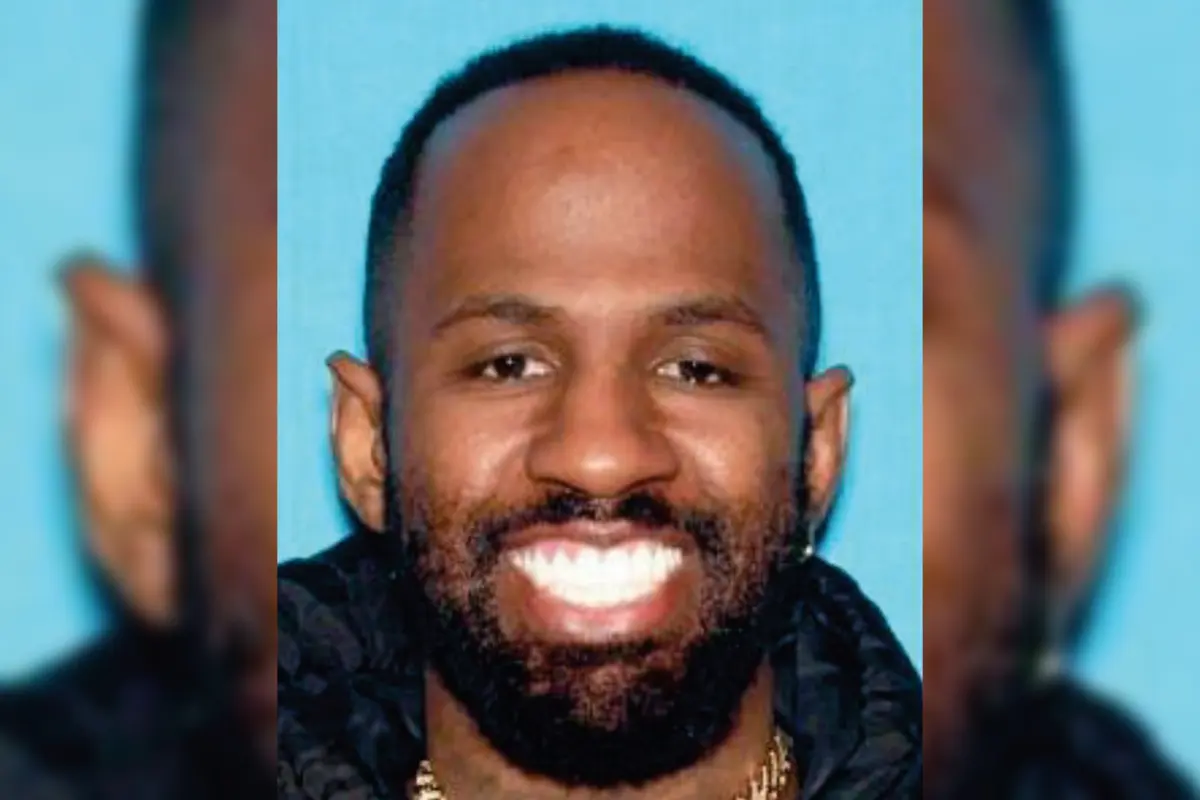
Recognizing the cultural resonance and chilling implications of the unfolding scandal, streaming giant Netflix has officially announced the latest installment in its acclaimed sports and true-crime documentary franchise, Untold. Titled Untold: Wide Deceiver, the forthcoming feature-length documentary promises to peel back the layers of a jaw-dropping deception wherein Love, a 35-year-old serial fraudster, allegedly posed as a star player for the San Francisco 49ers to defraud at least two dozen women out of millions of dollars.
According to a press statement released by the streamer, the documentary will dive deep to “unpack the internet nickname and the far darker story it exposed.” This high-profile project arrives at a critical juncture, breaking cover mere hours after Love made his initial appearance in federal court following his dramatic August arrest. While initial production details remain tightly guarded, sources close to the project have revealed to industry insiders that the narrative lens will shift focus away from the perpetrator’s fleeting digital bravado, instead centering heavily on the resilience, psychological trauma, and experiences of the women who were targeted.
By integrating the Untold banner—a franchise historically reserved for high-stakes athletic triumphs, tragedies, and scandals—Netflix is signaling that Love’s exploitation of professional sports iconography was not merely a peripheral detail, but the central psychological hook of his criminal enterprise. As the legal proceedings unfold in a federal courtroom, Untold: Wide Deceiver is poised to serve as both an engrossing true-crime exposé and an urgent cautionary tale about the perils of digital trust in the twenty-first century.
Detailed Chronology: The Rise, Fall, and Operation of the "Wide Deceiver"
To understand the magnitude of the Netflix documentary’s subject matter, one must examine the meticulous blueprint of deception executed by Daejon Love and his primary accomplice, 18-year-old Taylor Jamie Chan. What began as an elaborate online masquerade eventually metastasized into a multi-jurisdictional federal investigation, exposing systemic vulnerabilities within popular dating apps and the psychology of romantic manipulation.
The Illusion of Grandeur
The foundation of Love’s criminal architecture relied heavily on the currency of modern social media: aesthetic capital. Posing as an elite athlete—specifically a standout player for the National Football League’s iconic San Francisco 49ers—Love meticulously constructed a digital persona that radiated wealth, prestige, and physical prowess.
Investigators and court documents reveal that Love’s digital footprint was engineered to preemptively dismantle skepticism. He flooded his social media feeds with high-production-value video content: clips of himself running rigorous athletic drills outfitted in authentic 49ers gear, cinematic pans of himself behind the steering wheels of high-end, luxury sports cars, and snapshots capturing the jet-setting lifestyle of a professional athlete operating at the apex of American sports culture.
To the casual observer scrolling through an algorithmically driven feed, the presentation was seamless. The verified-style aesthetic, combined with the innate cultural capital associated with professional tackle football, granted Love an immediate veneer of trustworthiness and success.
Infiltration and Emotional Enmeshment
Armed with this fraudulent identity, Love migrated to mainstream online dating platforms. Operating within pools of hopeful singles seeking meaningful connections, he cast a wide net, systematically matching with women across multiple states.
Once a match was established, Love initiated a calculated campaign of psychological grooming. Transitioning targets away from dating applications and into private messaging channels, he deployed classic "love-bombing" techniques—overwhelming his victims with excessive attention, rapid declarations of deep affection, and premature promises of a shared future. By projecting an image of vulnerability, steadfast devotion, and high-status reliability, Love fostered an environment of radical psychological safety. The victims, believing they had found a committed, high-earning partner with an unblemished public profile, lowered their guard entirely.
The Financial Trap and the Fake Advisory Firm
With emotional dependency firmly established, the romance scam smoothly transitioned into a complex corporate fraud. Love introduced his victims to a lucrative, albeit entirely fictitious, investment opportunity. To lend institutional credibility to the scheme, his 18-year-old co-conspirator, Taylor Jamie Chan, stepped into the fold, posing as Love’s professional financial adviser.
The apparatus of deceit became aggressively sophisticated. Love and Chan manufactured and distributed falsified bank statements, fabricated quarterly returns, and forged corporate portfolio dashboards. Whenever victims exhibited hesitation, the duo exerted psychological pressure, framing the investments as time-sensitive opportunities critical to their shared future.
For targets who lacked liquid cash reserves, the coercion escalated: Love and Chan actively urged them to secure high-interest personal loans, guaranteeing that the projected massive returns would effortlessly cover the debt. Victims, driven by a mixture of romantic devotion and the promise of financial security, willingly liquidated savings, tapped retirement accounts, and plunged themselves into crippling debt to fund the phantom enterprise.
The Collapse and Federal Intervention
Every house of cards eventually faces structural failure. As discrepancies multiplied and victims began comparing notes or realizing the impossibility of the promised returns, the facade began to crack. Federal law enforcement agencies, led by the Department of Justice and the Federal Bureau of Investigation, initiated a comprehensive cross-country probe into the digital footprint connecting Love and Chan.
In August, federal agents executed coordinated actions leading to Love’s arrest. The subsequent unsealing of federal indictments laid bare a staggering catalog of criminal charges, permanently shattering the illusion of the "Wide Deceiver."
Supporting Context & Metrics: The Scale of the Digital Epidemic
The narrative of Daejon Love is far from an isolated incident; rather, it represents the bleeding edge of a broader, globally metastasizing crisis of digital fraud. To contextualize why Netflix selected this specific story for the prestigious Untold catalog, one must analyze the raw data and socioeconomic climate that enabled Love to thrive.
Financial Toll and Legal Exposure
According to official press releases and indictments issued by the United States Department of Justice, the verified metrics of Love’s operation are staggering:
- Confirmed Victims: At least 26 women have been identified across multiple jurisdictions as direct victims of the romance-and-investment scheme.
- Documented Loss: The Department of Justice formally cites a total of over $1.3 million successfully extracted from these victims.
- The Dark Figure of Crime: Federal investigators with the FBI have publicly stated their strong belief that the true number of victims—and the total financial damages incurred—is significantly higher, as many individuals may remain too ashamed or psychologically traumatized to come forward.
- Legal Penalties: Love currently faces severe federal indictments, including multiple counts of wire fraud and conspiracy to commit wire fraud. If convicted on all counts by a federal jury, Love faces a maximum statutory sentence of up to 20 years in federal prison, alongside substantial financial penalties, including a mandatory fine of up to $250,000.
The Untold Ecosystem: A Tradition of Cultural Autopsies
Untold: Wide Deceiver joins a curated, hard-hitting library of sports-adjacent documentaries on Netflix that dissect the darker, more turbulent underbelly of fame, athletics, and cultural phenomena. The franchise has previously earned critical acclaim and sparked intense public discourse with projects such as:
- An unflinching examination of the tragic murder-suicide involving retired NFL quarterback Steve McNair.
- A deep dive into former NBA star Lamar Odom and the harrowing personal and public scandals that defined his post-career life.
- A cultural autopsy of Raygun, the controversial Australian Olympic breakdancer whose viral routine ignited global debates about athletic legitimacy, internet virality, and social media mockery.
By placing Daejon Love alongside these subjects, Netflix is formally contextualizing his crimes not merely as common financial fraud, but as a cultural phenomenon rooted in the toxic worship of athletic celebrity and the disorienting nature of internet fame.
Official Statements and Industry Insights
The announcement of Untold: Wide Deceiver has generated substantial buzz within both the documentary filmmaking community and legal circles. While official promotional materials have deliberately kept plot specifics under wraps to preserve the investigative impact of the film, statements from the production and legal spheres underscore the gravity of the project.
In its official public logline, Netflix stated that the documentary will meticulously “unpack the internet nickname and the far darker story it exposed.” This phrasing points directly to the duality of Love’s existence: the slick, meme-ready moniker of the "Wide Deceiver" contrasted against the profoundly devastating human cost inflicted upon women who thought they were building lives with a trusted partner.
Furthermore, reporting by The Hollywood Reporter has shed light on the structural framework of the upcoming film. A production insider verified that rather than glorifying Love’s elaborate masquerade or dedicating excessive screen time to the procedural mechanics of the FBI investigation, the documentary’s narrative core will intentionally platform the voices, testimonies, and emotional recovery of the women targeted by the scam.
This victim-centric approach represents a vital evolution in true-crime documentary standards. For decades, sensationalized media coverage of white-collar criminals and con artists has occasionally veered into accidental glorification, framing fraudsters as charming, misunderstood antiheroes. By centering the narratives of the survivors, Untold: Wide Deceiver seeks to dismantle this dangerous archetype, highlighting the predatory psychological manipulation required to execute modern romance fraud.
Future Outlook: Legal Proceedings and Cultural Legacy
As Daejon Love navigates the opening salvos of his federal court appearances, the intersection of his legal fate and the release of Netflix’s documentary guarantees that this story will remain a fixture of public discourse for the foreseeable future.
The Legal Road Ahead
From a judicial standpoint, Love’s defense team faces an uphill battle. Wire fraud and conspiracy charges prosecuted by the Department of Justice carry formidable evidentiary burdens, but the paper trail of falsified corporate documents, coordinated communications with co-defendant Taylor Jamie Chan, and digital banking receipts present a robust case for federal prosecutors. Legal analysts suggest that the sheer volume of victims—coupled with the cross-state nature of the communications—precludes any simple defense of misunderstanding or isolated civil dispute. As the trial date approaches, court watchers will be monitoring whether co-defendant Chan enters a cooperative agreement with federal prosecutors to mitigate sentencing, a development that could provide even deeper insights into the operational logistics of the scam.
A Watershed Moment for Digital Dating Safety
Beyond the courtroom, Untold: Wide Deceiver arrives at a moment of profound reckoning regarding digital safety, identity verification, and the psychological vulnerability of online daters. As artificial intelligence deepfakes, sophisticated photo-shopping tools, and social media saturation make digital impersonation easier than ever before, the systemic failures of online platforms to protect users from predatory actors are facing intense scrutiny.
The documentary is expected to provoke difficult conversations across tech, legal, and psychological sectors:
- Platform Accountability: Will major dating and social media corporations face increased regulatory pressure to implement mandatory, foolproof identity verification protocols (such as biometric checks) to eliminate romance scammers?
- Stigma and Support: By bringing the survivors’ stories to a global audience, the film aims to dismantle the debilitating social stigma that often silences romance scam victims, encouraging more individuals to report financial exploitation to law enforcement without fear of judgment.
- The Cult of Celebrity: The documentary will undoubtedly force a cultural examination of how society’s uncritical reverence for athletic stardom and superficial wealth creates cognitive biases that render smart, independent people vulnerable to exploitation.
When Untold: Wide Deceiver ultimately premieres on Netflix, it will be much more than a standard true-crime post-mortem. It will stand as a chilling diagnostic of the modern digital condition—a stark reminder that behind every glossy social media grid, polished athletic video, and too-good-to-be-true romance, the illusion of perfection can conceal a predator waiting to strike.