

Executive Overview
In the fast-paced, high-stakes intersection of global streetwear culture and contemporary fashion, collaborations between legacy brands and iconic cultural figures are meticulously orchestrated events. Every thread, color palette, and graphic placement is usually subjected to months of rigorous legal review, brand alignment checks, and personal sign-offs from the celebrities whose names and likenesses are being commercialized.
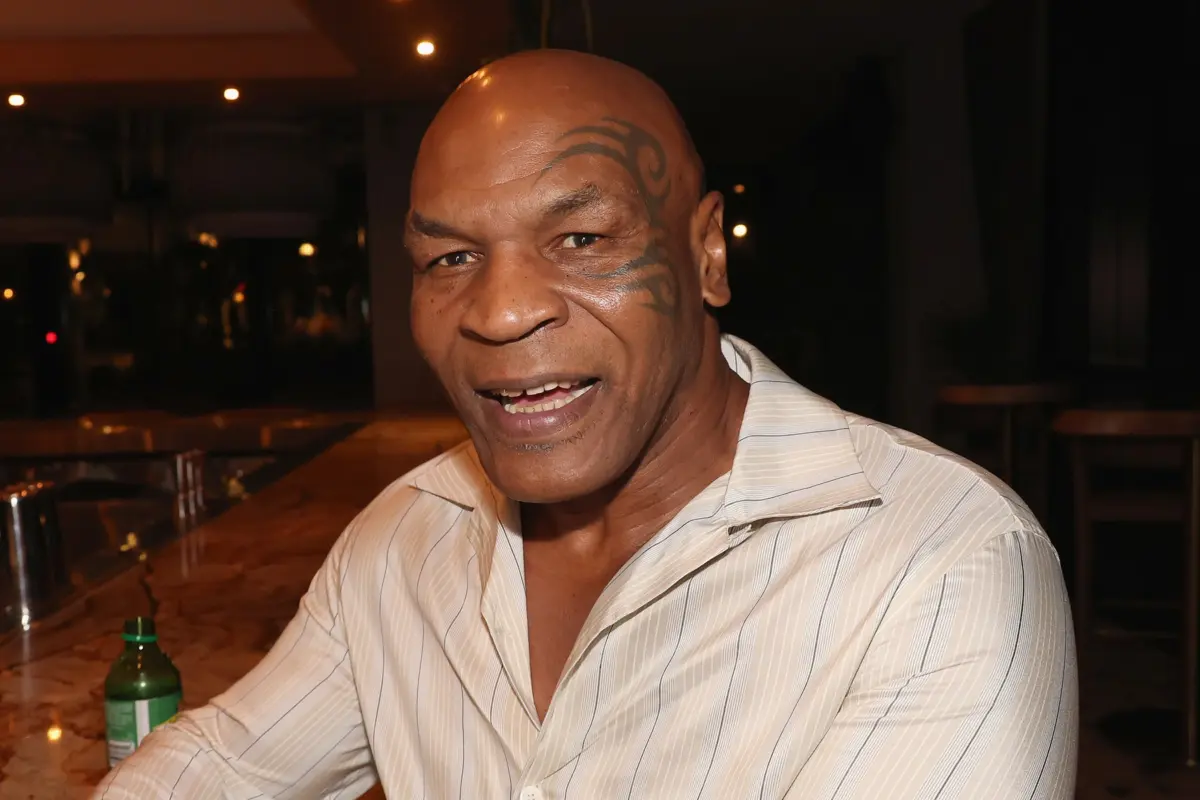
However, a recent high-profile partnership between iconic streetwear behemoth Supreme, acclaimed British designer Martine Rose, and former heavyweight boxing champion of the world Mike Tyson has unraveled in dramatic fashion. What was intended to be a celebratory tribute to Tyson’s storied athletic legacy quickly devolved into a corporate and legal crisis, culminating in the sudden removal of a centerpiece garment from Supreme’s weekly product drop.
At the center of the controversy is a commemorative hoodie featuring a graphic of Mike Tyson encircled by various national flags—a direct nod to a vintage jacket worn by the boxing legend during his competitive prime. Within hours of the collection’s public announcement, eagle-eyed streetwear enthusiasts and fashion bloggers noted a striking discrepancy: the Israeli flag present on the original, historical garment had been swapped out for the Palestinian flag on the new Supreme-Martine Rose iteration.
As digital outrage, speculation, and debate flooded social media platforms, Supreme quietly scrubbed promotional images of the hoodie from its official channels and withheld the item from its retail rollout. While initial rumors attributed the pull to public backlash or voluntary corporate caution, a stunning statement provided exclusively to Rolling Stone by Mike Tyson’s legal representation revealed a much deeper fracture. According to Tyson’s legal team, Supreme altered the approved artwork entirely without authorization, inadvertently embroiling the sports icon in a deeply polarized geopolitical conflict and committing a material breach of contract.
This in-depth investigative report examines the timeline of the controversy, the historical context of the design, the fiery legal fallout, and the broader implications for brands navigating the treacherous waters where fashion, culture, and geopolitics collide.
Detailed Chronology: From Concept to Crisis
The Genesis of the Collaboration
The partnership was initially heralded as a major coup for Supreme’s ongoing strategy of celebrating cultural titans. Teaming up with Martine Rose—a designer widely revered for her subcultural fluency, British-Jamaican heritage, and uncanny ability to merge luxury sensibilities with working-class menswear—the collection aimed to honor Mike Tyson’s monumental impact on sports and pop culture.
The centerpiece of the capsule collection was designed to pay homage to a specific piece of boxing memorabilia: an iconic custom leather jacket originally designed by Jeff Hamilton for Tyson in the 1990s. The vintage garment featured a portrait of the boxer surrounded by a collage of international flags, symbolizing his global appeal and status as an undisputed heavyweight champion who transcended borders.
The Unveiling and Digital Backlash
On a Monday morning, Supreme officially unveiled the Martine Rose collaboration, releasing lookbook imagery and item lists across its digital platforms and partnering streetwear blogs. Almost immediately, the internet went to work dissecting the details.
Fashion historians and dedicated streetwear archivists compared the new hoodie’s flag collage against high-resolution photographs of the original Jeff Hamilton jacket. The discrepancy was glaring: while the vintage jacket prominently featured the Israeli flag among the collection of nations, the Supreme-Martine Rose version clearly displayed the Palestinian flag in its place.
In an era defined by hyper-vigilant digital communities and intense polarization surrounding the Israeli-Palestinian conflict, the subtle alteration did not go unnoticed. Within hours, screenshots circulated across X (formerly Twitter), Instagram, and Reddit, sparking fierce debates. Some users accused the brand of making an intentional, politically charged statement, while others questioned whether it was a careless design oversight by the creative team or a deliberate artistic subversion.
The Rapid Pull and Corporate Silence
As the online discourse intensified, Supreme took immediate, albeit silent, action. Images of the disputed hoodie were systematically removed from the brand’s Instagram grid and promotional lookbooks. When Supreme’s weekly global drop went live later in the week, the garment was conspicuously absent from the inventory.
Despite the widespread media attention and swirling speculation, Supreme maintained a strict policy of corporate silence. Requests for comment sent by multiple media outlets, including Rolling Stone, went unanswered by press time, leaving a vacuum that was quickly filled by industry insiders, legal maneuvers, and public speculation.
Supporting Context & Metrics: Streetwear, Politics, and Celebrity Endorsements
Supreme’s Celebrity Playbook
To understand the gravity of this misstep, one must contextualize Supreme’s long-standing reliance on high-profile cultural figures. Founded in New York City in 1994, Supreme built its empire on skate culture, exclusivity, and anti-establishment coolness. Over the past decade, however, the brand has increasingly leaned into mainstream celebrity collaborations to maintain cultural relevance and drive massive consumer demand.
- Fall 2022: Legendary hip-hop artist André 3000 fronted the campaign, appearing in a series of striking portraits and subsequently on Supreme’s signature photo T-shirts.
- Spring 2023: Baton Rouge rapper NBA YoungBoy was tapped for a high-profile photo tee campaign, capturing the intersection of youth culture and contemporary rap.
- Spring 2024: Genre-bending musician and producer Tyler, the Creator starred in a widely shared campaign, reinforcing the brand’s ties to West Coast creative royalty.
These campaigns are historically executed with surgical precision, ensuring that the featured artist’s personal brand aligns seamlessly with Supreme’s aesthetic. The Mike Tyson collaboration was projected to follow this successful blueprint—until unauthorized modifications turned a nostalgic sports tribute into a regulatory and public relations nightmare.
The Intersection of Fashion and Geopolitics
The incident underscores an increasingly perilous reality for modern fashion houses: in an interconnected global digital economy, virtually no product exists in a political vacuum. Streetwear, by its very nature, has often functioned as a canvas for political statements, counter-cultural commentary, and social critique. Brands like Supreme, Off-White, and Vetements have historically played in the spaces of subversion and irony.
However, when dealing with complex, real-world geopolitical conflicts—particularly one as deeply sensitive and emotionally charged as the Israeli-Palestinian conflict—unvetted or unauthorized design shifts carry catastrophic risks. For a global icon like Mike Tyson, whose post-boxing career relies heavily on universal commercial appeal, brand partnerships, and neutral entertainment ventures (such as his newly released Netflix documentary series Tyson), being involuntarily tethered to a polarizing geopolitical symbol represents an unacceptable threat to his personal enterprise.
Official Statements and Legal Fallout
While Supreme chose the path of corporate reticence, Mike Tyson’s legal team moved swiftly and aggressively to distance their client from the controversy and assert his legal rights.
In a definitive and hard-hitting statement provided exclusively to Rolling Stone, Mitchell Schuster of the prominent law firm Meister Seelig & Schuster laid bare the extent of the breach and outlined the boxer’s position:
"Mike Tyson collaborated with Supreme and Martine Rose on a collection honoring his boxing legacy. His team approved artwork inspired by his iconic Jeff Hamilton jacket solely to celebrate boxing history."
The statement cuts directly to the core of the grievance, emphasizing that the approved scope of the project was strictly athletic and historical, devoid of any contemporary political commentary:
"Without authorization, Supreme altered the approved design, embroiling Mr. Tyson in an unrelated political crisis. This modification constitutes a material breach of contract. With Supreme ignoring repeated demands, Mr. Tyson’s legal counsel will take all necessary action to protect his name, likeness, and legacy."
Legal Implications of Unauthorized Alterations
From a legal perspective, celebrity endorsement and licensing agreements are drafted with extreme specificity. Standard contracts governing the use of a celebrity’s name, image, and likeness (NIL) routinely incorporate strict "approval clauses." These clauses grant the celebrity or their management team veto power over final designs, promotional materials, and associated messaging to prevent precisely this type of scenario.
By unilaterally altering an approved design—especially one substituting a national flag in a manner that shifts the cultural and political subtext of the garment—Supreme allegedly crossed a fundamental legal and ethical boundary. According to intellectual property and contract law experts, material alterations made without the licensor’s written consent can constitute both a breach of contract and an infringement on the celebrity’s right of publicity, opening the door for substantial financial damages, injunctions, and the immediate cessation of commercial exploitation.
Future Outlook: Brand Damage and Industry Ramifications
As the dust settles on the aborted product release, the fallout from the Tyson-Supreme-Rose controversy is expected to reverberate across the fashion and streetwear landscapes for months to come. Several key questions remain as industry analysts evaluate the long-term impact:
1. The Future of Martine Rose’s Partnership with Supreme
Martine Rose is widely respected as an independent creative force whose design integrity is paramount to her brand identity. It remains unclear to what extent Rose or her studio were involved in or aware of the flag alteration prior to the public rollout. The incident poses a potential reputational challenge for the designer, who now finds herself linked to a botched drop and a disgruntled celebrity partner.
2. Supreme’s Corporate Posture Under New Ownership
The misstep also arrives at a delicate time for Supreme from a corporate governance perspective. Following its multi-billion-dollar acquisition by VF Corporation and its subsequent sale to EssilorLuxottica, Supreme has faced ongoing scrutiny from core consumers regarding its transition from an independent skate brand to a global corporate entity. Incidents of internal miscommunication, unauthorized design changes, and a failure to secure proper sign-offs suggest growing pains that could alienate both creative collaborators and high-profile talent.
3. Heightened Scrutiny for Future Collaborations
Moving forward, talent agents, legal representatives, and public relations firms working with high-profile athletes, musicians, and actors are virtually guaranteed to implement even more stringent oversight protocols when vetting streetwear and fashion collaborations. The cautionary tale of Mike Tyson’s unauthorized flag swap will serve as a permanent case study in media and entertainment law: a reminder that in the world of global branding, a single misplaced thread can unravel an entire enterprise.
As Mike Tyson continues to dominate cultural conversations—bolstered concurrently by the release of his new four-part Netflix documentary series Tyson, which revisits his complex athletic triumphs and personal tribulations—his legal team’s aggressive posture signals that the champion is fully prepared to defend the integrity of his legacy, both inside and outside the ring. Whether Supreme will issue a formal public apology or face formal litigation remains to be seen, but the lesson etched into this season’s streetwear landscape is unmistakable: creative license ends where unauthorized political entanglement begins.