Moz has long stood as a foundational pillar in the search engine optimization (SEO) industry. Celebrated for its all-in-one suite, it empowers digital marketers, agencies, and in-house teams to perform keyword research, execute technical website crawls, evaluate backlink profiles, track local business citations, and glean direct data inside search engine result pages (SERPs) using the proprietary Moz SEO Toolbar.
Yet, the digital marketing landscape is rapidly evolving. As search algorithms grow increasingly sophisticated and data requirements scale exponentially, Moz is no longer the definitive tool for every single user. Certain organizations find Moz’s pricing tiers too restrictive, while others report hitting data caps on audits, keyword reports, and backlink trackers far too quickly. Furthermore, many modern SEO professionals gravitate toward alternative user interfaces (UIs) and specialized feature sets tailored to hyper-specific workflows.
To navigate this expanding software ecosystem, this comprehensive guide evaluates the top free and paid Moz alternatives. Whether you are scaling an enterprise-level agency, launching a small business blog, or seeking a singular tool for backlink analysis or rank tracking, this breakdown examines their key use cases, core metrics, and ultimate value compared to Moz.
Detailed Chronology & Industry Evolution: The Shift Away from Monolithic Toolsets
The market for digital marketing software has transitioned through distinct developmental phases over the past decade. In the early days of SEO, professionals relied on disparate, single-purpose software applications—scraping desktop tools for rankings, manual spreadsheets for keywords, and rudimentary web scrapers for technical audits.
As the industry matured, platforms like Moz pioneered the "all-in-one" suite model, aggregating these essential capabilities into centralized cloud-based dashboards. This consolidation democratized SEO, making data accessible to a broader audience of webmasters and content creators.
However, the sheer explosion of web data over the last five years has forced a reevaluation of this approach. Search indexes now span tens of billions of keywords and trillions of historical backlinks. Consequently, modern software users demand greater depth, speed, and specialization. While all-in-one suites continue to dominate enterprise budgets, an increasing segment of the market prefers a "best-of-breed" strategy—combining specialized tools for technical crawling, content optimization, and rank tracking to maximize performance and ROI.
Supporting Context & Core Platform Breakdowns
To help you determine the best path forward, we have categorized the top alternatives into comprehensive all-in-one systems, beginner-friendly toolsets, reliable free options, and powerful single-purpose applications.
1. Best All-in-One Moz Alternative: Semrush
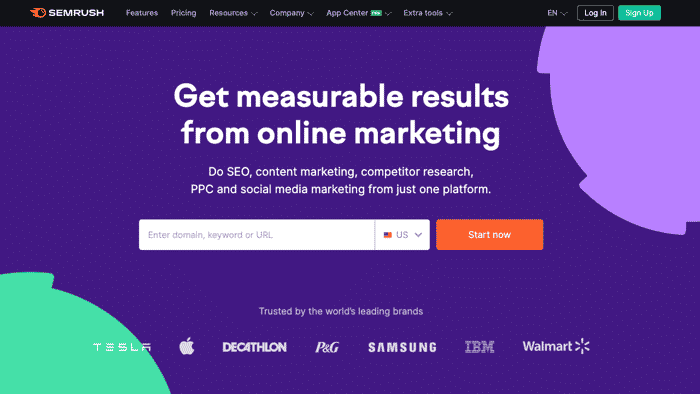
For organizations seeking a powerhouse platform to completely replace or surpass Moz, Semrush is the leading industry contender. Boasting over 55 distinct tools, Semrush supports competitor analysis, keyword research, rank tracking, content and technical audits, white-label reporting, and comprehensive pay-per-click (PPC) campaigns.
Massive Data Indexes: Semrush features a database comprising over 24 billion keywords, 142 geo-locations, 808 million domain profiles, and a backlink crawler housing a massive 43 trillion-link database.
Traffic Analytics: Unlike Moz, Semrush offers deep-dive traffic intelligence on any competitor website. You can uncover organic, paid, referral, and social traffic channels, analyze bounce rates, and run bulk comparative analysis across up to 200 websites simultaneously.
Position Tracking: Track mobile and desktop rankings with geographic granularity ranging from national down to zip-code levels, making it a favorite for local and international agencies alike.
Site Audits & Link Building: Run comprehensive technical audits with side-by-side historical tracking, alongside an end-to-end link-building suite that handles prospecting, outreach, and backlink monitoring under one roof.
2. Best Moz Alternative for Beginners: Mangools
If you find enterprise-grade platforms overly complex or intimidating, Mangools offers a streamlined, budget-friendly 5-in-one toolset that balances deep data insights with a remarkably polished user interface.
KWFinder: One of the most intuitive keyword research modules on the market, ideal for finding long-tail opportunities with low SEO difficulty scores.
SERPWatcher & LinkMiner: Provides daily rank updates across tens of thousands of global locations alongside robust backlink insights powered by Majestic’s trusted flow metrics.
Accessibility: Mangools bridges the gap for bloggers, affiliate marketers, and small business owners who need reliable data without navigating a cluttered, enterprise-level dashboard.
3. Best Free Moz Alternative: Ubersuggest
For bootstrapped startups and solo creators operating on zero software budgets, Ubersuggest (developed by Neil Patel) serves as a functional entry point into SEO analytics.
Core Capabilities: Users can perform keyword research (capped at 100 results per search on the free tier), topic discovery, basic backlink checks, rank tracking, and site audits.
Value Proposition: While the free version carries strict data limitations compared to paid suites, it remains a valuable resource for foundational research. Affordable paid lifetime deals and monthly tiers (ranging from $29 to $99) offer a scalable upgrade path.
Best Single-Purpose Moz Alternatives
If you do not require an all-in-one suite and prefer to invest in a hyper-focused tool for a specific SEO workflow, consider these top-tier single-purpose alternatives:
Backlink Analysis: Ahrefs Site Explorer
Ahrefs operates the second most active web crawler after Google, boasting the largest index of live backlinks on the web. Its Site Explorer is the undisputed gold standard for link prospecting, competitor backlink discovery, and deep-dive organic traffic analysis.
Rank Tracking: AccuRanker
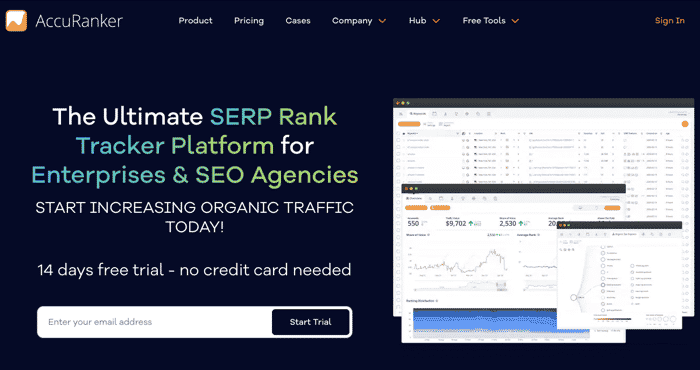
Recognized as one of the fastest on-demand rank trackers on the market, AccuRanker serves over 25,000 agencies and brands. It delivers real-time ranking data across major search engines and correlates ranking shifts directly to traffic and conversion metrics.
Technical Audits: Screaming Frog & Sitebulb
Screaming Frog SEO Spider: A versatile desktop-based crawler that extracts data on virtually every on-page and technical element, allowing advanced practitioners to configure custom crawls and pinpoint complex site architectures.
Sitebulb: Ideal for less technical users, Sitebulb translates crawl data into color-coded visual graphs, actionable hints, and intuitive diagnostics that explain why an error occurred and how to fix it.
Content Analysis: Surfer SEO & Ahrefs Content Explorer
Surfer SEO: A data-driven on-page optimization tool that analyzes top-ranking SERP competitors to generate precise content editor guidelines, word counts, and semantic keyword targets.
Ahrefs Content Explorer: Perfect for discovering viral content formats, social shares, and referral links within any niche.
Local SEO: BrightLocal
While Moz offers robust local listing features, BrightLocal stands out as a dedicated local marketing platform. It excels at citation building, review management, Google Business Profile audits, and local rank tracking for small businesses and multi-location enterprises.
Official Industry Perspectives & Expert Commentary
Industry veterans note that the choice between Moz and its competitors ultimately hinges on organizational goals and budget allocation.
"Semrush was voted the best keyword research tool by over 130 SEO experts because it provides the largest and most accurate keyword database on the market. However, standalone tools like Ahrefs for backlinks, Screaming Frog for technical audits, and Surfer SEO for content optimization offer targeted power that all-in-one suites sometimes dilute." — SEO Industry Consensus
While Moz remains an exceptional toolset for citation management, accessible keyword exploration, and foundational link metrics, modern multi-channel marketing campaigns often demand the broader integrations and deeper historical databases found in platforms like Semrush or Ahrefs.
Future Outlook: The Next Generation of SEO Toolsets
As artificial intelligence, machine learning, and generative search experiences (such as Google’s Search Generative Experience) continue to transform the digital search ecosystem, SEO toolsets are undergoing another massive paradigm shift.
Traditional rank tracking and keyword volume metrics are rapidly integrating with intent-based analytics, AI-driven content generation assistants, and real-time SERP feature monitoring. Moving forward, the most successful marketers will not rely blindly on a single software suite. Instead, they will curate modular toolstacks—combining robust all-in-one platforms for macroeconomic strategy with specialized micro-tools for tactical execution.
Whether you choose to stick with Moz’s reliable ecosystem, upgrade to the comprehensive power of Semrush, or deploy a specialized suite of single-purpose tools, aligning your software stack with your exact business objectives is the ultimate key to sustainable organic growth.