

Executive Overview
In the hyper-competitive landscape of modern search engine optimization (SEO), visibility is no longer merely a byproduct of matching broad corporate keywords with high-volume search strings. Instead, the paradigm has shifted dramatically toward understanding, anticipating, and answering the precise queries of the user. With the explosive rise of voice-activated search and algorithmic shifts that prioritize semantic relevance, question-based keywords have emerged as the ultimate digital goldmine.
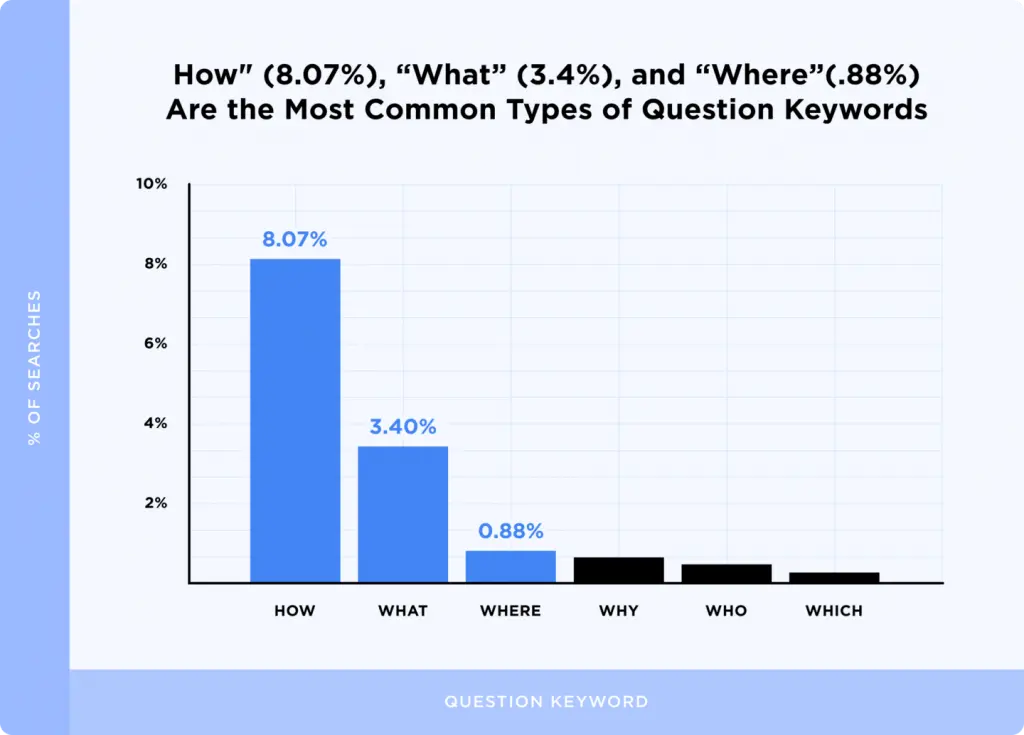
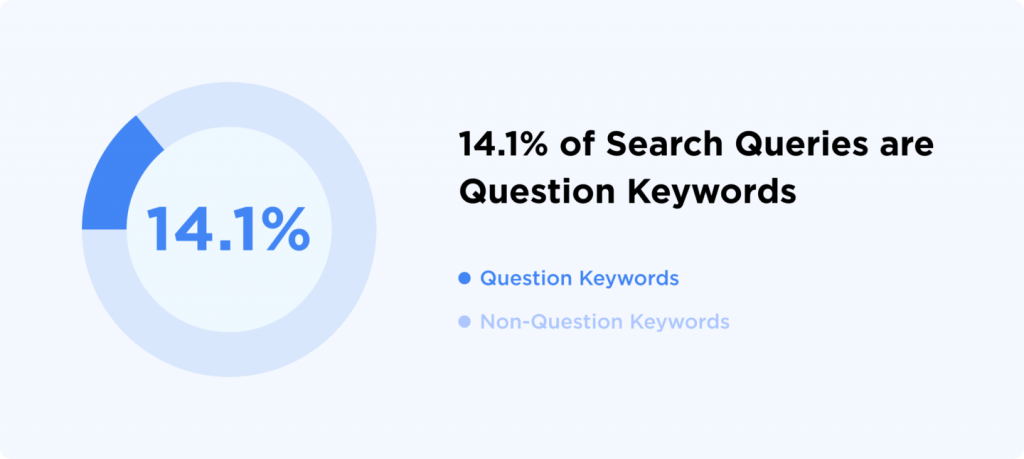
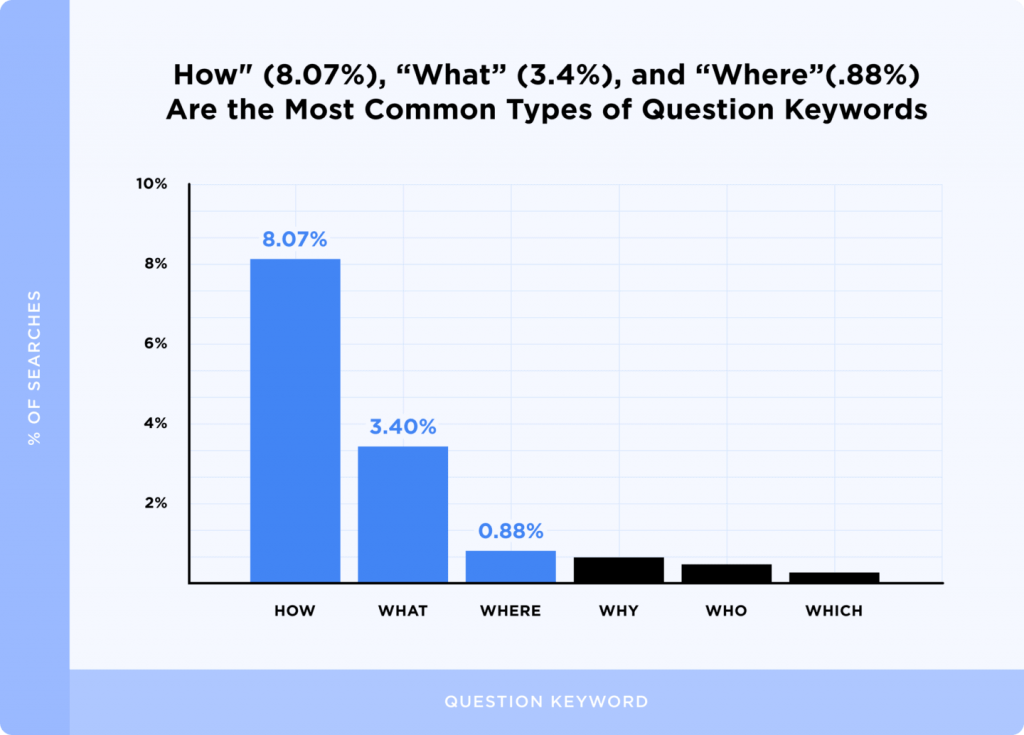
Recent industry studies indicate that a staggering 14.1% of all Google searches—amounting to roughly 490 million queries every single day out of a 3.5 billion daily search volume—are phrased as questions. Leading this charge are interrogatives like "how" (accounting for 8.07% of queries) and "what" (3.4%). These aren’t casual, top-of-funnel browsing habits; they represent high-intent digital behaviors driven by users seeking immediate, actionable solutions to tangible problems.

For digital marketers, content strategists, and enterprise SEO teams, this behavioral shift offers an unprecedented opportunity. Question-based keywords typically manifest as long-tail search terms characterized by significantly lower keyword difficulty (KD) than their short-tail counterparts. This structural advantage allows brands to bypass the grueling, resource-intensive backlink-building campaigns traditionally required to rank for broad terms, securing prime real estate on search engine results pages (SERPs) with streamlined, highly targeted content.
This comprehensive analysis explores the strategic value of question-based search optimization and breaks down four scalable methodologies for uncovering, filtering, and operationalizing high-intent question keywords to drive organic traffic, nurture leads, and maximize conversion rates.
Detailed Chronology: The Evolution of Search Intent and the Rise of the Interrogative Query
To understand why question keywords command such high conversion potential today, one must examine the evolution of search engine architecture over the past decade.
The Keyword Stuffing Era (Early 2000s)
In the nascent days of search engine optimization, algorithms relied heavily on exact-match keyword density. Users adapted their behavior to match machine limitations, typing fragmented, unnatural phrases into search bars—such as "best CRM software pricing"—just to get a relevant result.
The Semantic Shift and Hummingbird (2013)
Google’s introduction of the Hummingbird algorithm marked a monumental turning point. For the first time, search engines began processing natural language semantics, context, and user intent rather than parsing individual keywords in isolation. This allowed users to search the way they speak.
The Mobile and Voice Search Explosion (2016–Present)
The proliferation of smartphones and voice assistants (Siri, Alexa, Google Assistant) fundamentally altered human-computer interaction. People stopped typing shorthand fragments and began asking complete, conversational questions: "What is the best customer relationship management software that integrates with legacy enterprise systems?"

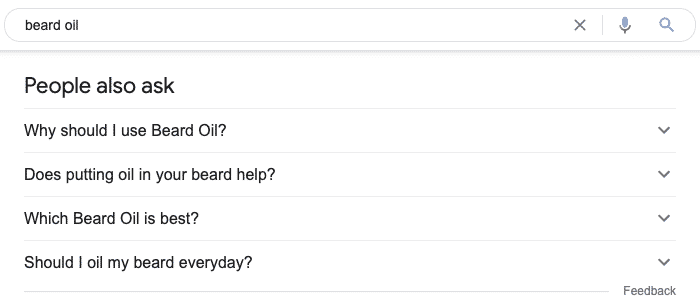
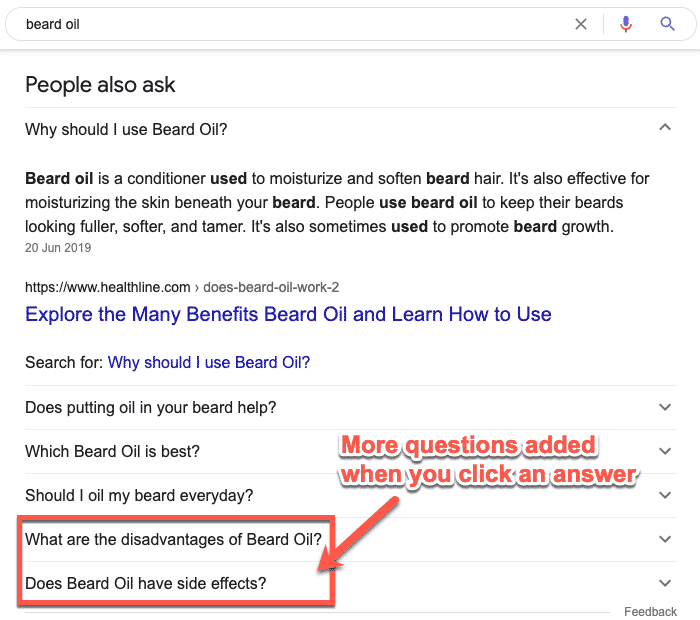
This chronological maturation forced search engine results pages (SERPs) to evolve. Google introduced features like the "People Also Ask" (PAA) box, zero-position featured snippets, and knowledge graphs explicitly designed to surface direct, concise answers to user queries. Consequently, SEO strategies that fail to account for question-based intent are increasingly left invisible on page two and beyond, while proactive content creators who capture these queries dominate the conversational search landscape.
Supporting Context & Metrics: Why Question Keywords Are a Digital Goldmine
The modern digital ecosystem rewards precision. Content strategists targeting question-based keywords capitalize on two distinct algorithmic and consumer behavior advantages: High Intent and Low Competition.

1. High User Intent and Conversion Velocity
When a user inputs a question into a search engine, they are experiencing a friction point. Whether it’s a consumer trying to figure out “how to grind coffee beans for a French press” or an enterprise software buyer researching “can a CRM be integrated with an ERP,” the query stems from an urgent need for resolution.
This creates a high-intent environment. By structuring content to answer these specific questions, brands can seamlessly introduce their products, services, or affiliate offers as the natural logical solution to the user’s problem. The psychological distance between asking a question and executing a purchase is drastically shortened when the answer provider is also the product provider.

2. Lower Keyword Difficulty (KD) Metrics
Broad head terms are fiercely contested by enterprise brands with multi-million-dollar domain authorities. However, question-based long-tail keywords are distributed across a vast, highly specific spectrum.
Because these queries are hyper-targeted, they typically feature lower search volume individually—yet collectively, they form the vast majority of search traffic. More importantly, their lower keyword difficulty means publishers often do not need to construct massive, exhaustive 5,000-word guides or orchestrate expensive backlink campaigns to secure first-page rankings. Strategic, concise, and direct answers can rank rapidly, unlocking swift organic traffic wins.

Methodologies for Scaling Question-Based Keyword Research
Unearthing hundreds or thousands of high-value question keywords manually is an exercise in futility. To build a sustainable, scalable content engine, marketers must leverage specialized software and systematic data-mining workflows. Below are four proven tactics for scaling question-based keyword research.
Tactic 1: Leveraging Dedicated Question-Based Keyword Reports
Most enterprise-grade SEO platforms—such as Semrush and Ahrefs—feature robust keyword database modules equipped with dedicated question filters.

- The Workflow: Input a broad seed topic (e.g., "CRM software") into an SEO tool’s keyword research module and navigate to the "Questions" report tab.
- Granular Data Extraction: The tool will generate a comprehensive breakdown of interrogative variations. At the top of the report, you will typically find high-volume, competitive head questions ("What is a CRM?"). However, as you scroll down into the long-tail tiers, ultra-specific, low-competition opportunities emerge ("Can a CRM be integrated with an ERP?" or "What features should I look for in a CRM database?").
- Advanced Filtering: Modern tools allow users to filter results using Intent and Grouping metrics. By isolating commercial or informational intent filters alongside custom Keyword Difficulty (KD) thresholds (e.g., KD under 30%), marketers can cherry-pick low-hanging fruit to feed directly into their content calendars.
Tactic 2: Mining the Google "People Also Ask" (PAA) Box
Google’s PAA boxes are a direct window into the collective consciousness of your target audience. Every question displayed in these dynamic boxes represents a query actively being searched by real users.
- The Manual Bottleneck: Expanding and copying PAA boxes one by one is time-consuming and inefficient.
- The Scaled Solution: Install a trusted browser extension like SEO Minion. When you enter your seed keyword into Google, open the SEO Minion panel, select the organic results export, and download the top 100 to 200 PAA queries directly into a CSV file.
- Enriching the Data: Take the exported list of questions, paste them into the Semrush Keyword Overview tool (or equivalent), and run a batch analysis. Within seconds, you will receive aggregated search volume, keyword difficulty percentages, and cost-per-click (CPC) data for every scraped question. While only a small percentage of scraped questions may yield high search volume, compiling data across multiple seed keywords uncovers a goldmine of niche, low-competition content topics.
Tactic 3: Mining Niche Subreddits for Untapped Pain Points
Online communities represent some of the most organic, unfiltered repositories of human inquiry on the internet. Subreddits dedicated to specific industries, hobbies, or software products are breeding grounds for unique consumer questions and pain points.

- The Workflow: Identify a subreddit relevant to your niche (e.g.,
r/CRM). - Keyword Extraction: Input the URL of that subreddit into Semrush’s Organic Research report, ensuring the subfolder filter is active.
- Applying Advanced Filters: Layer on filters to isolate high-value terms—such as setting a minimum search volume threshold (e.g., volume > 20) and applying an advanced word-count filter (e.g., word count > 2) to weed out single-word brand names.
- Uncovering Differentiators: Scrolling through the filtered results reveals nuanced, comparative, and problem-specific queries, such as "HIPAA compliant CRM" or "Is HubSpot HIPAA compliant?". For a competing brand, identifying these questions offers a direct blueprint for crafting authoritative comparison guides or unique selling proposition (USP) landing pages.
Tactic 4: Mining High-Traffic Quora Threads
Quora is a massive question-and-answer forum that frequently outranks traditional corporate blogs for long-tail informational queries. Analyzing which Quora threads perform well in organic search provides a roadmap of the questions your audience cares about most.
- The Workflow: Navigate to the Organic Research report in Semrush, enter
quora.com, and apply advanced URL and keyword filters. - Targeting Modifiers: Combine a broad topic modifier (e.g., "beard oil") with interrogative or comparative modifiers (e.g., "how" or "best").
- Harvesting Opportunities: Review the ranking keywords driving traffic to those Quora threads. Look for low-difficulty, high-relevance queries that your competitors may have overlooked. Use the bulk-add feature in your SEO tool of choice to aggregate these keywords into a master list for export, content briefing, and assignment.
Official Statements and Industry Insights
Industry analysts emphasize that search engine algorithms are increasingly optimized to reward comprehensive topical authority over isolated keyword optimization.
"The modern search engine is no longer a simple string-matching machine; it is a semantic inference engine," notes a leading enterprise search architect. "When users input questions, they expect conversational nuance to be met with structured, authoritative clarity. Brands that systematically build their content architecture around user intent and real-world queries are winning the lion’s share of high-intent organic visibility."
Furthermore, search behavior experts point out that as generative AI and conversational search interfaces become embedded directly into search experiences, the ability to target precise, question-based micro-moments will separate market leaders from legacy publishers.
Future Outlook: The Next Frontier of Conversational Search Optimization
As we look toward the future of digital marketing, several key trends will dictate the effectiveness of question-based keyword strategies:
- The Rise of Generative Engine Optimization (GEO): With AI-driven search overviews summarizing answers directly on the SERP, traditional click-through rates for informational queries may evolve. However, content that directly, authoritatively, and structurally answers specific questions will be cited as source material within AI-generated summaries, driving brand authority and referral traffic.
- Hyper-Personalization via Voice and Multimodal Search: As voice search integrations deepen across automotive, wearable, and smart-home devices, queries will become even more conversational and context-dependent. Marketers must build semantic content hubs that interconnect related questions into logical topic clusters.
- Intent-Driven Content Audits: Forward-thinking organizations are transitioning away from static keyword tracking toward dynamic intent mapping. Regularly auditing existing content libraries against emerging PAA data, forum discussions, and semantic keyword reports ensures that brand assets remain aligned with shifting consumer behavior.
Conclusion
Question-based keyword research is no longer an optional tactic reserved for advanced SEO specialists; it is the bedrock of modern, high-intent content strategy. By recognizing that nearly half a billion questions are hurled at search engines every single day, organizations unlock a clear roadmap for capturing high-intent traffic with minimal friction.

Whether by leveraging automated question reports, mining the PAA box, tapping into unfiltered subreddit communities, or extracting high-performing queries from Quora threads, digital marketers possess the tools required to scale their research efficiently. By aligning your content production pipeline with the exact questions your audience is asking, you position your brand not just as a publisher, but as an indispensable solution provider in an increasingly conversational digital economy.
