

In contemporary home kitchens, the reliance on rigid, step-by-step measurements has long served as a safety net for culinary novices, yet it frequently acts as a barrier to true intuitive cooking. This dynamic is perhaps most visible in the preparation of salad dressings, where millions of home cooks routinely turn to bottled iterations or consult strict culinary texts for something as fundamentally simple as a vinaigrette. Enter "Back to Basics," a culinary education initiative designed to pivot the home cooking paradigm away from memorization and toward sensory competence.
Spearheaded by acclaimed food writer, recipe developer, and bestselling Brooklyn author Casey Elsass, this movement champions a foundational philosophy: understanding the core mechanics of a recipe supersedes the need for the recipe itself. At the center of this culinary philosophy is the humble vinaigrette—a harmonious union of oil, acid, and salt. By deconstructing this emulsion into its elementary components, home cooks can liberate themselves from measuring spoons and recipe cards.
This comprehensive report examines the structural anatomy of the quintessential vinaigrette, the chemistry of balancing oil and acid, and the professional techniques required to evaluate and adjust dressings entirely by intuition. Through Elsass’s expert methodology, we explore how home kitchens can transition from precise measurement to a dynamic, choose-your-adventure style of cooking that utilizes pantry staples, minimizes dishware, and fundamentally elevates everyday meals.
Detailed Chronology: The Evolution of Intuitive Dressing
The journey from rigid recipe-followers to intuitive home chefs does not happen overnight, but rather through a progressive breakdown of traditional culinary dogmas. Understanding how to construct a vinaigrette without a measuring cup requires tracing the steps of flavor development, chemical integration, and sensory testing.
Phase One: Selecting the Foundation of Acid
The architecture of any exceptional vinaigrette always begins with the acid. Historically, home cooks have treated vinegar or citrus as a mere accent, but in Elsass’s framework, the acid establishes the entire personality of the dressing.
- The Spectrum of Choices: From bright, sharp red and white wine vinegars to the delicate floral notes of champagne vinegar, the robust complexity of sherry vinegar, the mellow fruitiness of apple cider vinegar, and the clean edge of rice vinegar, the options are vast. Fresh citrus juice—predominantly lemon or lime—offers an alternative pathway rooted in vibrant, immediate brightness.
- The Beginner’s Entry Point: Starting with a straightforward acid like red wine vinegar or fresh lemon juice provides a reliable baseline. Once a cook becomes comfortable with how these foundational elements react with fats, they can branch out, eventually blending multiple acids to create layered, nuanced profiles.
Phase Two: Infusing Complexity and Flavor
Once the acid has been selected, the dressing enters its flavor-enhancement phase. This is where individual creativity transforms a basic mixture into a signature creation.
- Pantry Boosters: The options for elevation are nearly limitless. Culinary staples such as honey, Dijon mustard, grated garlic, minced shallots, chopped fresh herbs, fig jam, leftover pesto, pepperoncini brine, miso paste, or even finely minced anchovies can completely alter the landscape of a dressing.
- The Mellowing Rule: When working with pungent alliums like raw garlic or shallots, timing is critical. Allowing these ingredients to steep directly in the unbuffered acid for approximately five minutes effectively tames their aggressive raw bite, ensuring a smoother, more integrated flavor profile in the final emulsion.
Phase Three: The Strategic Sequence of Seasoning
One of the most critical mechanical insights in intuitive vinaigrette preparation involves the timing of salt incorporation.
- Dissolution Dynamics: Salt dissolves far more efficiently in aqueous solutions (acids) than it does in lipids (oils). Therefore, salting the acid prior to introducing the oil ensures complete chemical integration.
- Aggressive Seasoning: Because a vinaigrette is designed to coat and elevate an entire bowl of greens, the initial pinch of salt must be approached with confidence. Under-salting the acid phase often leads to flat, disjointed dressings that fail to make the salad ingredients shine. A rigorous whisking or vigorous shaking at this stage ensures the salt is fully dissolved.
Phase Four: Mastering the Ratio Through Sight and Feel
While classical culinary arts traditionally dictate a strict 3:1 ratio of oil to acid, practical home cooking often thrives on preference and speed.
- The Ratio Spectrum: The traditional French standard favors three parts neutral or high-quality oil to one part acid. However, cooks who prefer a punchier, brighter dressing frequently adjust this down to a 2:1 ratio.
- The Eyeball Method: To bypass the need for measuring implements and save on post-cooking cleanup, Elsass advocates for eyeballing the pour. By pouring an amount of oil that visually registers as roughly two to three times the volume of the acid, the cook relies on visual estimation rather than mathematical precision. A final, vigorous whisk or shake brings the temporary emulsion together.
Phase Five: "In Situ" Evaluation and Adjustment
The hallmark of a professional chef is continuous tasting and adjustment, a practice that is doubly important when cooking without a strict recipe.
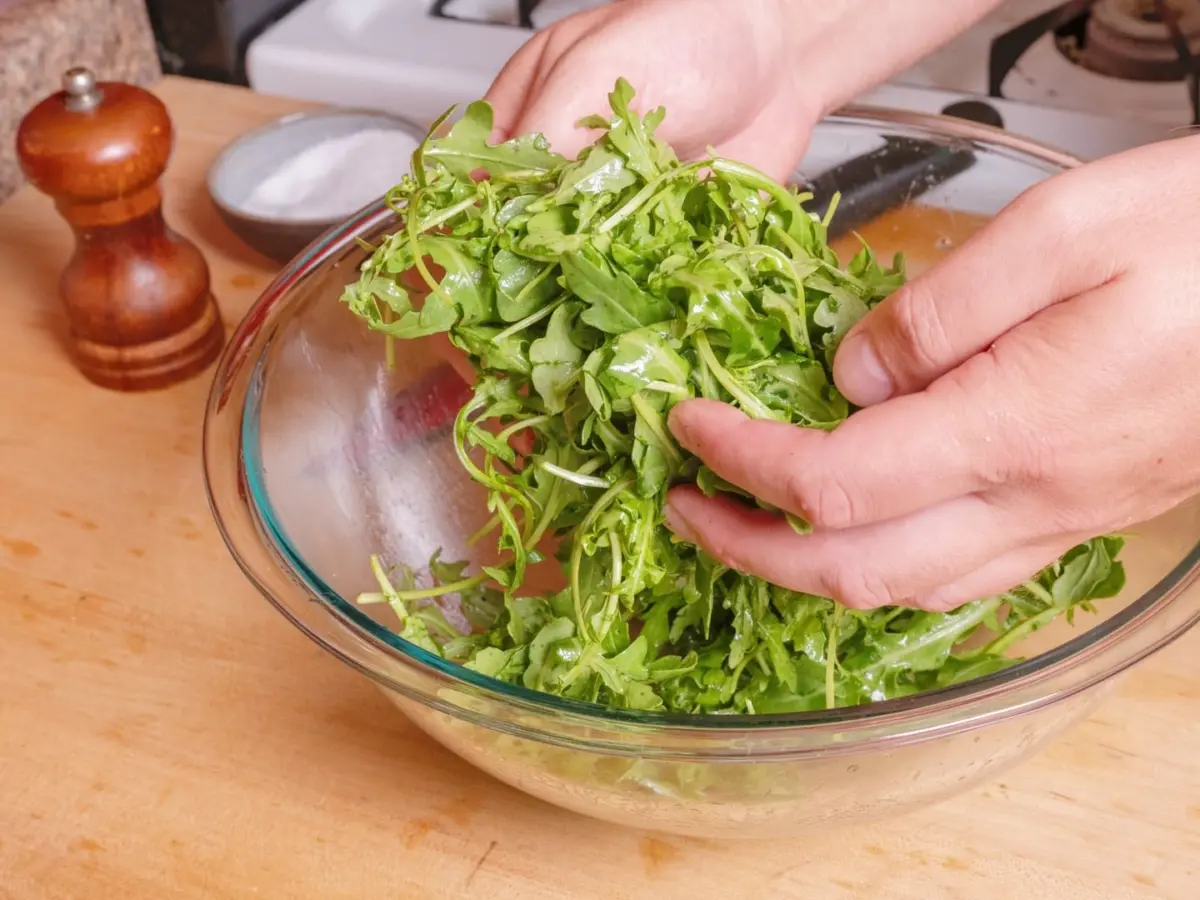
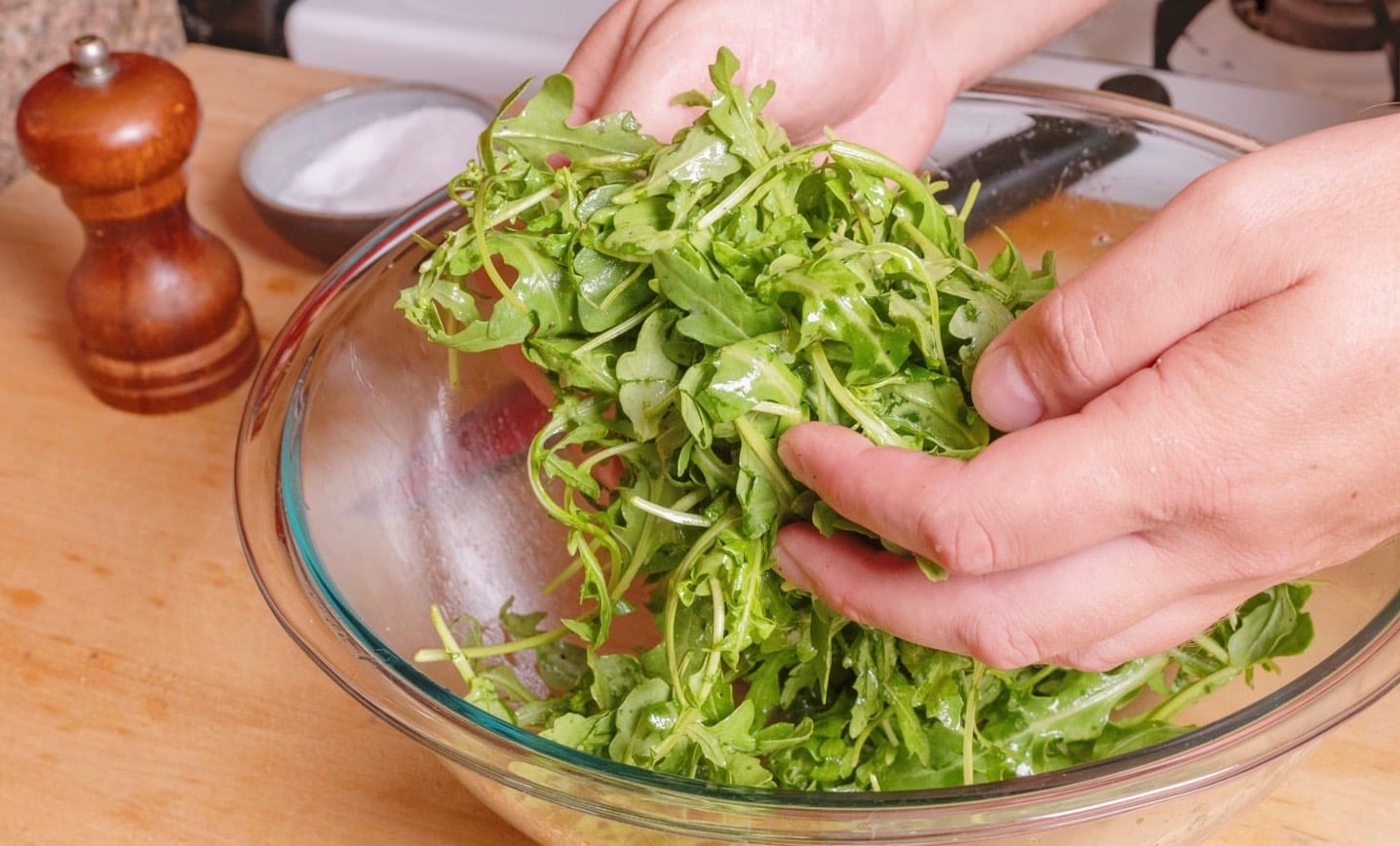
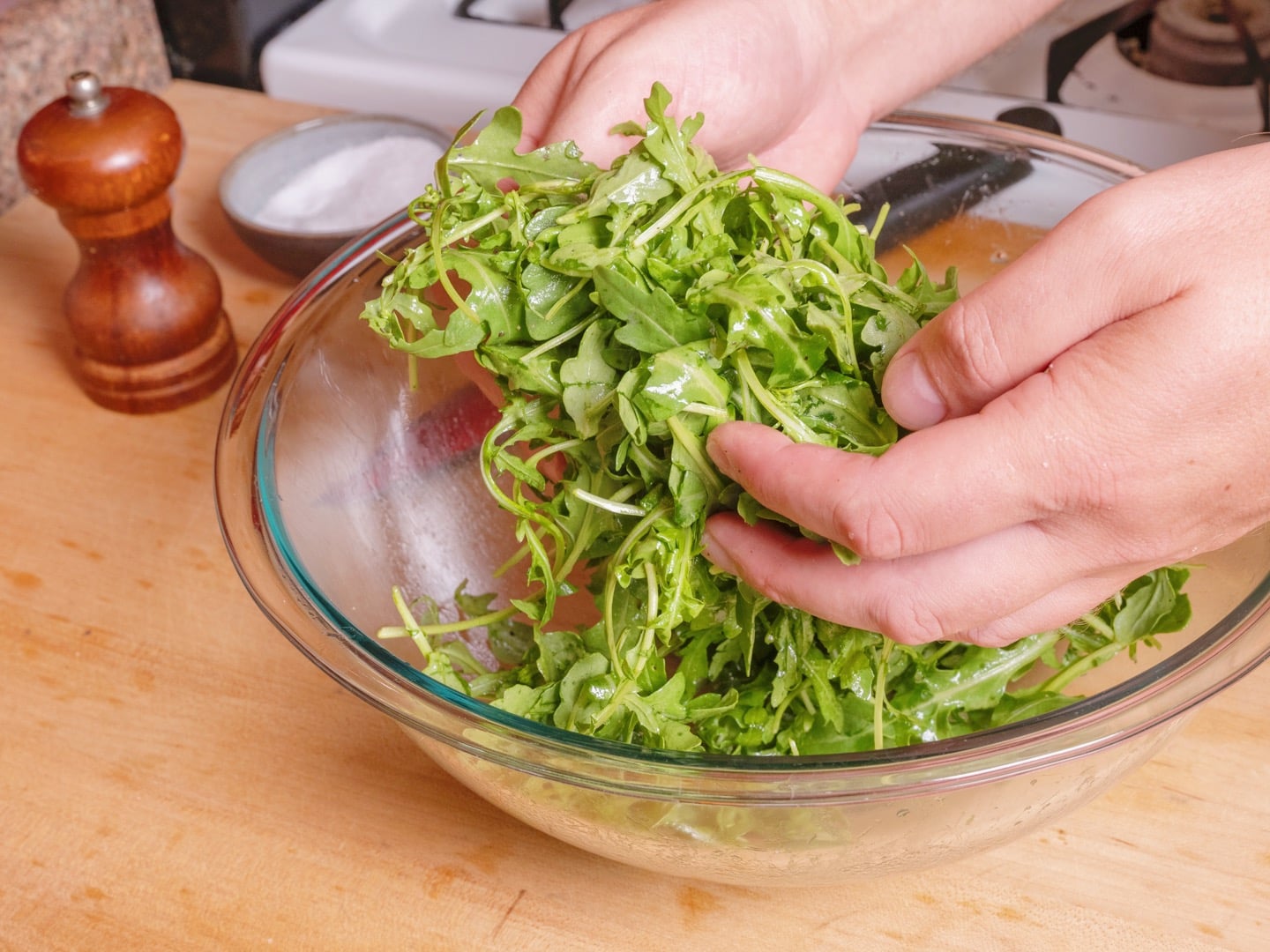
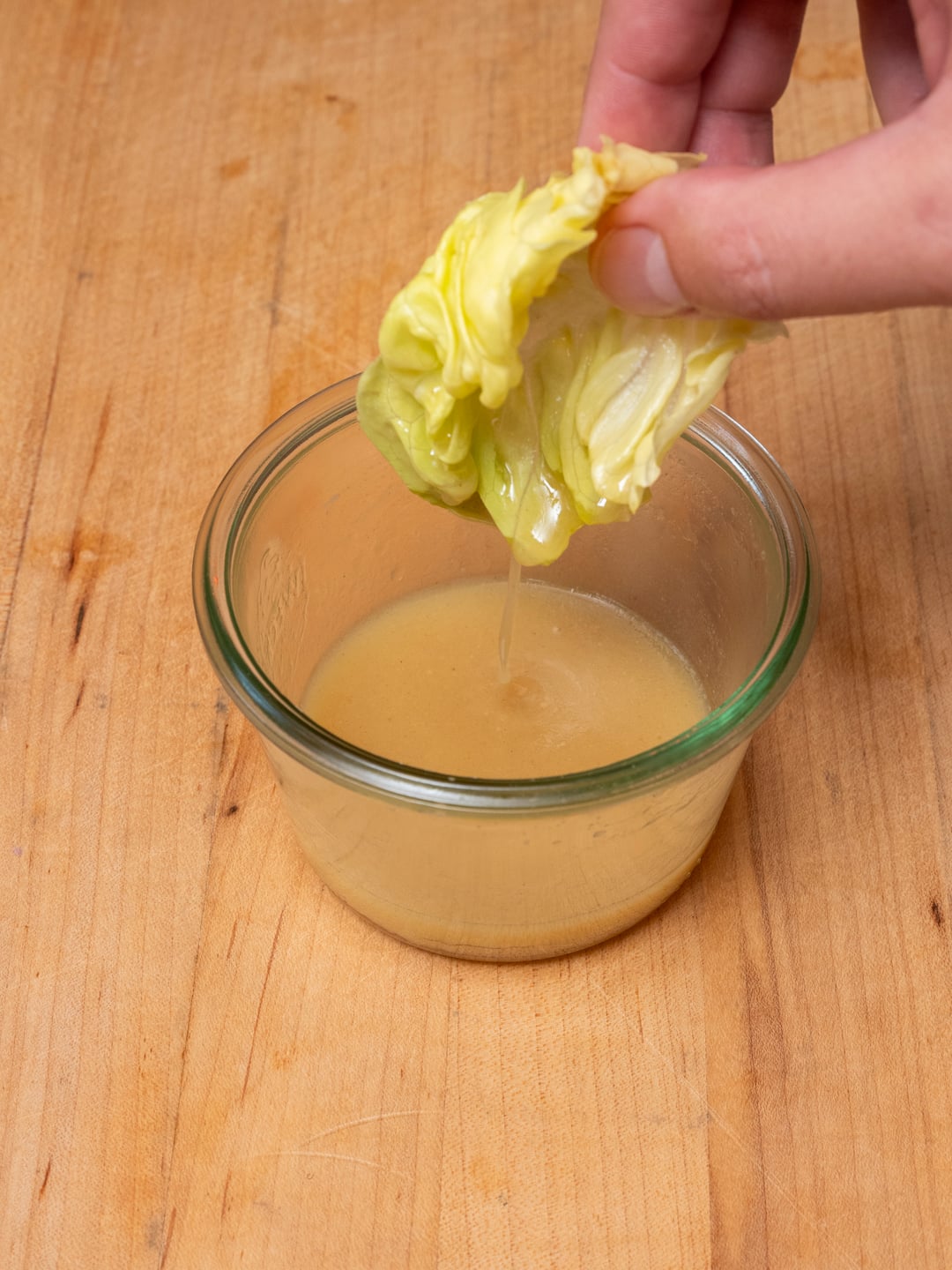
- The Leaf Test: Tasting a vinaigrette straight off a spoon can be deeply misleading, as the concentrated acidity and oiliness fail to mimic how the dressing interacts with actual greens. The definitive method for testing is the "leaf test": taking a leaf of lettuce or your salad green of choice, dipping it directly into the dressing, and consuming it.
- Diagnostic Adjustments: This direct-contact evaluation provides immediate diagnostic feedback.
- If the dressing tastes too sharp or aggressive, introduce more oil.
- If it tastes flat or heavy, add a splash of acid.
- If bitterness creeps in, a measured squeeze of honey or maple syrup will round out the edges.
- If it lacks dimension, a minor pinch of salt will restore vibrancy.
- If it leans overly salty, a counter-balancing pour of oil will correct the equilibrium.
Supporting Context & Metrics: The Anatomy of Modern Home Cooking
To fully understand the significance of moving away from recipes, one must examine the broader landscape of modern culinary habits and the economic and psychological barriers that keep home cooks tied to rigid instructions.
The Psychological Shift from Recipe Dependence to Intuition
Market research and culinary education trends indicate that a significant majority of home cooks experience "recipe fatigue"—the mental exhaustion associated with sourcing obscure ingredients, measuring exact fractions of teaspoons, and navigating overly complicated procedural steps. According to informal data from food literacy programs, over 65% of individuals who abandon home cooking cite the friction of prep work and recipe adherence as primary deterrents.
| Culinary Metric | Traditional Recipe Approach | Intuitive "Back to Basics" Approach |
|---|---|---|
| Preparation Time | 12–15 minutes (including measuring) | 3–5 minutes |
| Dishware Generated | Measuring cups, spoons, separate bowls | Single jar or bottom of the salad bowl |
| Ingredient Flexibility | Rigid; dependent on specific items | Fluid; utilizes existing pantry inventory |
| Skill Acquisition | Low; memorization of steps | High; mastery of flavor mechanics |
The Chemistry of Emulsions
At its core, a classic vinaigrette is a temporary emulsion—a suspension of oil droplets within an acid medium, held together temporarily by mechanical force (whisking or shaking) or assisted by natural emulsifiers such as the mucilage in Dijon mustard or the proteins in honey. Understanding that this system does not require chemical stabilizers like commercial food additives empowers home cooks to experiment fearlessly. Because the emulsion is temporary, separation is natural, reinforcing the idea that shaking a jar before pouring is all that is required to restore harmony.
Official Statements and Expert Perspectives
Casey Elsass, whose extensive background in professional recipe development includes co-authoring more than 30 cookbooks and writing for premier culinary publications such as The New York Times, Bon Appétit, and Food52, has long advocated for accessible, instinct-driven cooking. His bestselling cookbook, What Can I Bring?: Recipes to Help You Help You Live Your Guest Life, emphasizes hospitality and ease in the kitchen.
In outlining his philosophy for foundational kitchen wisdom, Elsass emphasizes the liberating nature of procedural mastery over rote memorization:
"Every month, we’ll take a deep dive into a simple technique or piece of kitchen wisdom that will change the way you cook. ‘Back to Basics’ isn’t about memorizing another recipe—it’s about learning something so well you don’t need one."
Reflecting on his personal culinary habits regarding dressings, Elsass notes the obsolescence of measuring tools in his own kitchen workflow:
"I don’t think I’ve measured the ingredients for a salad dressing in years. Once you understand the basic formula—and, more importantly, what to do when it doesn’t taste quite right—there’s really no reason to follow a recipe. The base of a vinaigrette is an easy combo of oil + acid + salt, and everything after that is an opportunity for flavor."
Elsass also emphasizes the profound shift in mindset that occurs once a cook transitions from following instructions to trusting their senses:
"Give a person a vinaigrette recipe and you feed them for a day; teach a person to make a vinaigrette and you feed them for a lifetime. Is that how it goes? Anyway, the point is, once you get the feeling for a choose-your-own-adventure vinaigrette, you start seeing half a lemon, three sprigs of dill, and the bottom of a mustard jar as the start of something exciting."
Future Outlook: The Resurgence of Sensory Cooking in the Modern Kitchen
As culinary culture continues to evolve past the hyper-curated, aesthetically rigid recipe formats popularized by social media platforms over the past decade, a noticeable counter-movement is taking root. Home cooks are increasingly seeking sustainable, stress-reducing methodologies that align with zero-waste principles and intuitive eating habits.
The mastery of foundational techniques like the unmeasured vinaigrette represents a broader shift toward resourcefulness. By viewing the refrigerator not as a collection of strict recipe requirements, but as a modular canvas of acids, lipids, and flavor boosters, home cooks are better equipped to reduce food waste. The ability to utilize the final scrape of a mustard jar, a lingering glint of pepperoncini brine, or half a lemon left over from another meal directly addresses the modern consumer’s desire for efficient, environmentally conscious cooking.
Moving forward, initiatives like "Back to Basics" signal a promising trajectory for culinary education. By demystifying the basic chemical interactions of everyday cooking, food writers and developers are successfully shifting the narrative from perfectionism to playfulness. Ultimately, the future of the home kitchen belongs not to those who can flawlessly execute a printed page, but to those who can taste, adjust, and trust their own palate.