

Executive Overview
In the modern era of fast fashion, consumer overabundance, and micro-trends, the domestic wardrobe has transformed from a functional space for daily attire into a psychological battleground. Millions of households grapple with closets overflowing with garments that are rarely worn, poorly fitted, or emotionally tied to bygone eras of their owners’ lives. Enter "Pro Tips," a lifestyle column that recently spotlighted a radical, highly effective mental framework for closet editing shared by longtime New York City small-space author and journalist Laura Fenton.
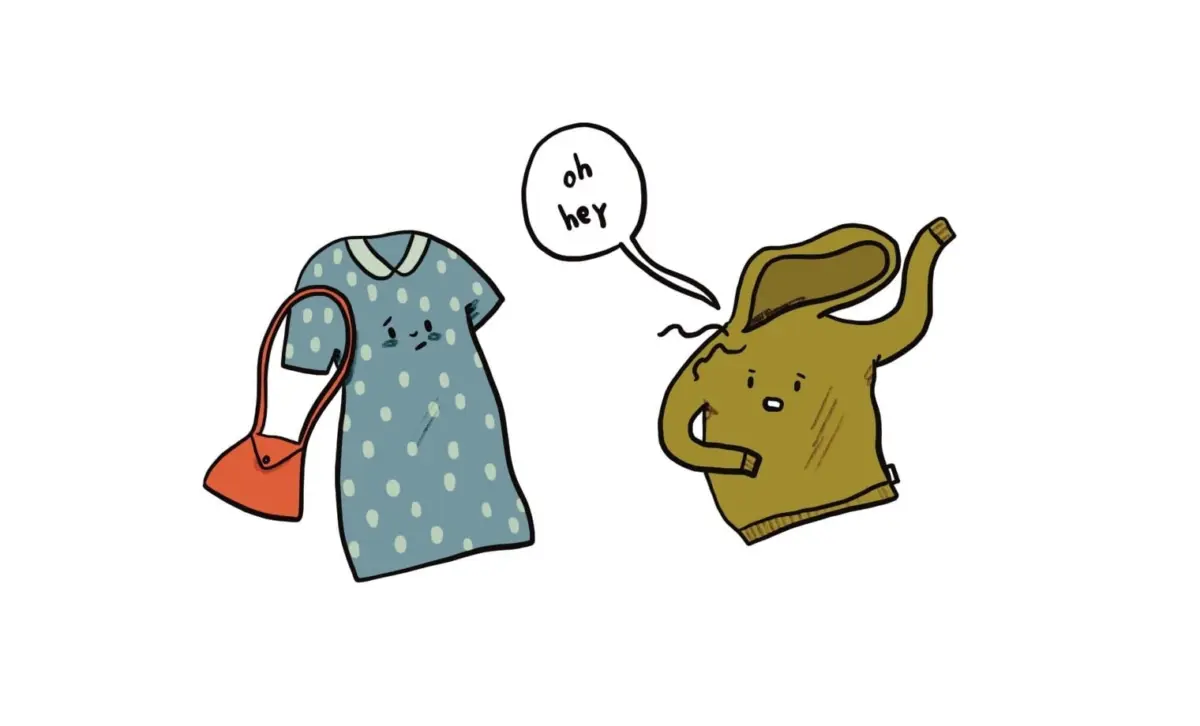
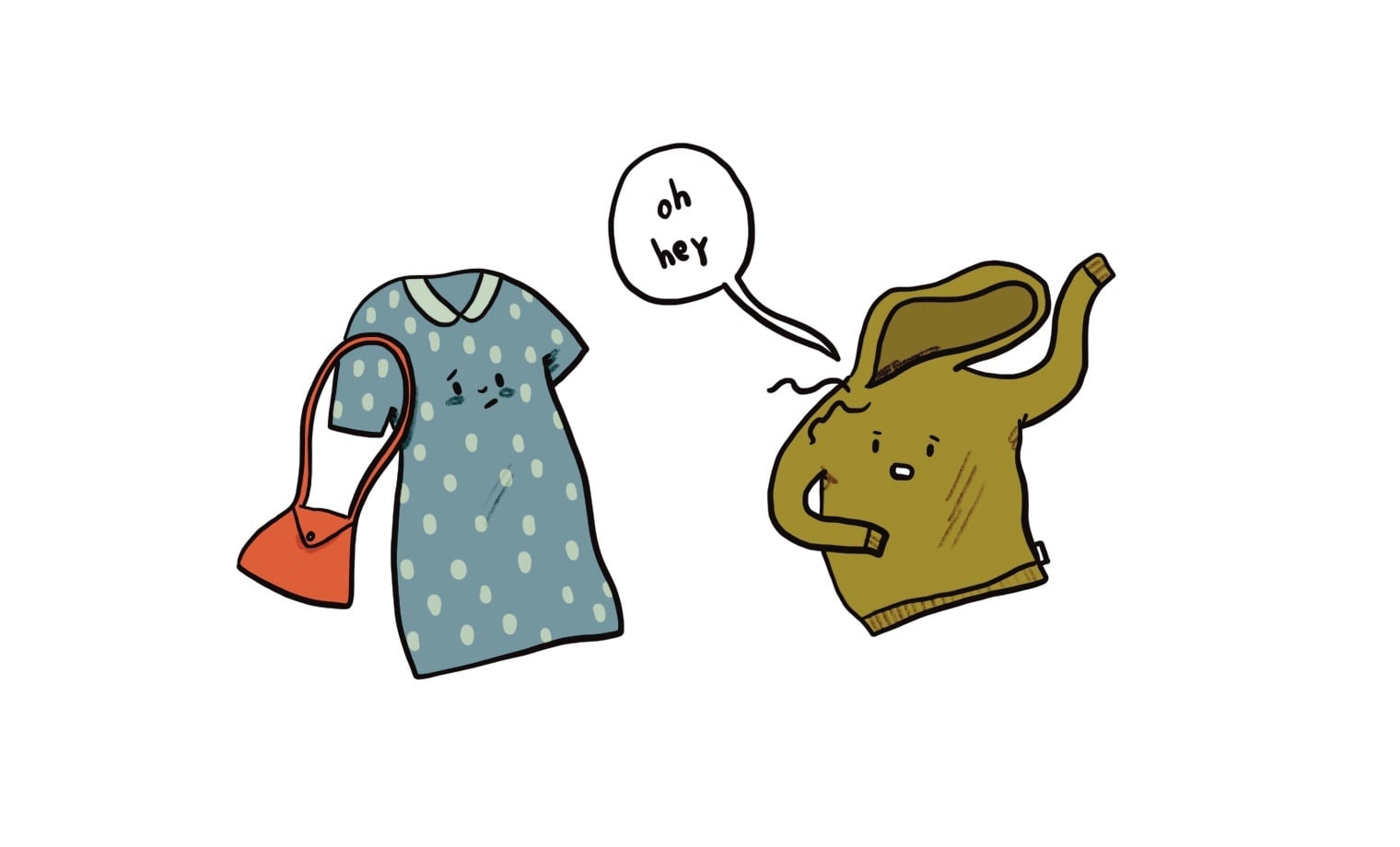
Attributed originally to an unnamed professional organizer, Fenton’s core piece of advice cuts through the traditional, overly sentimental friction of decluttering: When uncertain about a dress, shirt, or pair of jeans, ask yourself if you would willingly run into an ex-partner while wearing it.
This deceptively simple litmus test has sparked a massive viral conversation, drawing hundreds of comments, sparking debates across digital lifestyle platforms, and forcing a broader cultural reckoning with the psychology of clothing. Far beyond a mere cleaning hack, the "Ex Test" serves as a masterclass in behavioral psychology, combining emotional detachment, confidence-boosting self-assessment, and spatial optimization. This report explores the mechanics of Fenton’s viral closet-cleaning strategy, contextualizes it within the broader trillion-dollar decluttering and sustainable fashion movements, examines expert psychological commentary, and charts the future of how urbanites and suburbanites alike manage their personal wardrobes.
Detailed Chronology: The Anatomy of a Modern Closet Crisis
To understand why a simple question about running into an ex-partner resonates so deeply, one must examine the modern evolution of closet management. For decades, traditional organizing advice focused on physical sorting systems rather than psychological ones.
- The Marie Kondo Era (2010s): The global rise of the KonMari method popularized the metric of "sparking joy." While revolutionary for its time, millions of consumers found themselves struggling to apply the concept of "joy" to functional, unexciting, or emotionally ambiguous garments, such as standard work slacks or mourning attire.
- The Pandemic Shift (2020–2022): Lockdowns forced individuals to confront their living spaces intimately. Small-apartment dwellers—particularly in dense urban centers like New York City, where Laura Fenton has spent over two decades mastering micro-space living—realized that square footage was at an absolute premium.
- The Post-Pandemic Overconsumption Backlash (2023–2025): As the environmental and financial toll of fast fashion reached critical mass, consumers began shifting away from accumulation toward intentional capsule wardrobes and sustainable lifestyle curation.
- The Launch of "Pro Tips" (Late 2026): Lifestyle publication Cup of Jo debuted its "Pro Tips" column, featuring real-world life hacks and recommendations. In its inaugural feature on closet editing, Laura Fenton’s anecdote regarding the "ex-partner rule" was published, instantly viralizing across subscriber newsletters, social media sub-threads, and engaging over 150 immediate, detailed comments from readers eager to share their own purging methodologies.
Supporting Context & Metrics: The Burden of Overstuffed Wardrobes
The necessity for acute psychological frameworks like the "Ex Test" is underscored by staggering metrics regarding consumer buying habits and domestic spatial economy.
According to recent retail and environmental research data:
- The 80/20 Rule in Practice: The average consumer wears only 20% of their wardrobe 80% of the time, leaving the remaining 80% of garments languishing in dark corners, draining visual and mental energy.
- The Urban Space Crunch: In major metropolitan hubs—where the average apartment size has shrunk by over 10% in the last two decades—storage is not just a luxury; it is a psychological determinant. Studies in environmental psychology consistently link cluttered living spaces with elevated levels of cortisol (the primary stress hormone).
- The Fast Fashion Footprint: The global apparel industry produces over 100 billion garments annually, a significant percentage of which ends up in landfills or gathering dust in personal inventories due to impulse buying and poor curation.
Laura Fenton, whose expertise is forged from decades of living in compact New York apartments where every square inch matters, recognized immediately why the professional organizer’s advice worked. Reflecting on her own closet, Fenton noted how she instantly identified items like a problematic denim dress that consistently made her feel "frumpy." By applying the ex-partner metric, the ambiguity dissolved. If an item does not instill the wearer with a sense of agency, dignity, and self-possession when faced with someone from their past, it has no business occupying valuable physical and mental real estate in the present.
Official Perspectives and Psychological Analysis
Behavioral scientists and professional organizers are rallying behind the "Ex Test" because it directly targets the cognitive biases that sabotage traditional closet clean-outs.
1. Overcoming the Sunk Cost Fallacy
Psychologists frequently point to the sunk cost fallacy as the primary enemy of decluttering. Consumers hold onto expensive garments they no longer wear simply because of the financial investment they made years prior. However, behavioral experts note that keeping an unworn item does not recover the spent money; it only taxes the owner’s present-day mental well-being.
2. Shifting from Aspirational to Actual Identity
People often keep clothes that belong to an "aspirational self"—such as a smaller size they hope to fit into, or a avant-garde style they wish they had the lifestyle to wear. The "Ex Test" short-circuits this fantasy by anchoring the decision in raw, visceral reality: How do I feel in this garment right now, under stressful or unexpected social conditions?
3. The Power of Emotional Neutrality
"When you think of running into an ex, your brain automatically calculates your baseline of confidence," explains Dr. Elena Vance, a cognitive behavioral therapist specializing in domestic environments. "You aren’t thinking about utility; you’re thinking about armor. Clothes are a form of psychological armor. If a garment makes you feel exposed, vulnerable, or frumpy in a worst-case social scenario, it fails as armor. Discarding it is an act of self-reclamation."
Future Outlook: The Evolution of Personal Curation
As the conversation sparked by Fenton’s recommendation continues to grow—amassing widespread engagement and reader testimonials—the future of personal style and home organization is undergoing a permanent shift.
The Death of Mindless Accumulation
Consumers are increasingly rejecting the endless cycle of accumulation promoted by social media trends. The rise of micro-column advice platforms like Cup of Jo‘s "Pro Tips" demonstrates an insatiable public appetite for tactical, psychologically sound shortcuts that simplify daily life.
Integration of Capsule Wardrobes and Tactical Purges
Moving forward, closet organization will likely rely less on rigid seasonal rules (such as packing away summer clothes entirely) and more on continuous, emotional auditing. Tools like the "Ex Test" are expected to become staple methodologies taught by professional organizers, integrated into digital closet-tracking apps, and passed down through lifestyle journalism.
Ultimately, cleaning out a closet is no longer viewed merely as an afternoon chore of folding and hanging. As Laura Fenton and her fellow urban dwellers have proven, it is an exercise in boundary-setting, self-love, and shedding the weight of the past to make room for the present.