

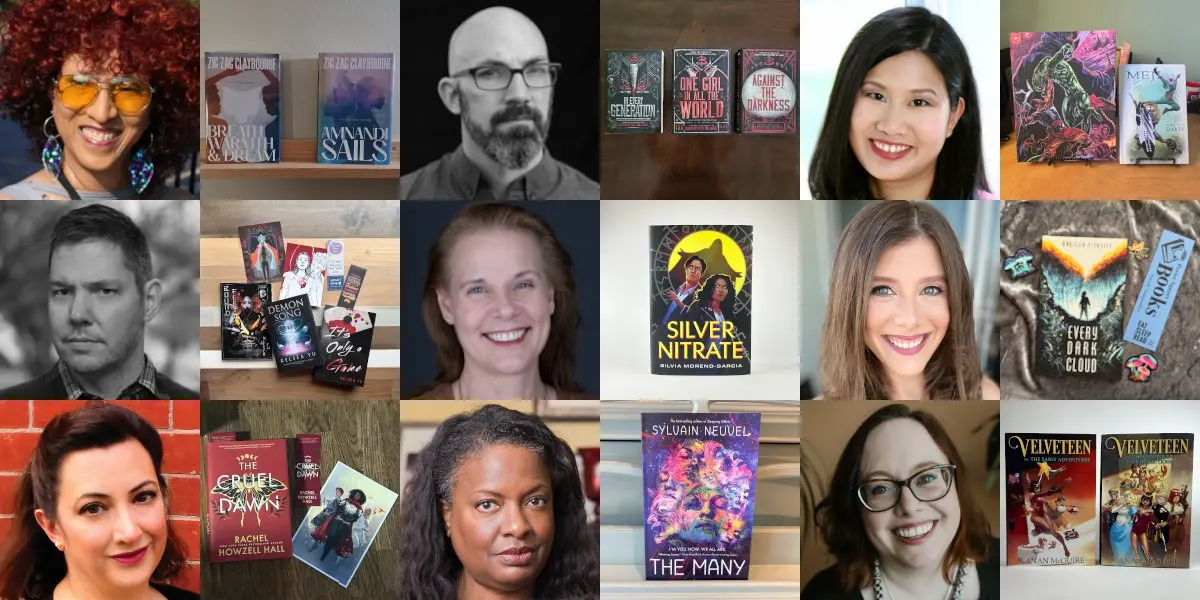
As the global nonprofit sector navigates one of the most economically and geopolitically volatile eras in modern history, organizations dedicated to defending human rights face an unprecedented existential threat. At the intersection of literature, geek culture, and grassroots activism, The Pixel Project—a globally recognized 501(c)3 anti-violence against women (VAW) organization—has launched an urgent distress call. Marking its 12th consecutive year, the organization’s flagship initiative, the Read For Pixels campaign, has hit a historic bottleneck in its Fall 2026 fundraising drive.
Faced with escalating global inflation, devastating humanitarian funding cuts, and a sharp contraction in philanthropic giving directed toward women’s rights, The Pixel Project is struggling to close a modest $5,000 fundraising gap. Despite being entirely volunteer-staffed, the organization requires vital operational capital to maintain its globally accessible digital resource archives, 24/7 multilingual helpline signposting, and life-saving advocacy tools. In response to this critical juncture, bestselling horror and speculative fiction author Chuck Wendig hosted a prominent guest signal-boosting appeal on his platform, rallying the literary and fandom communities. With an extended deadline of October 15, 2026, anchoring the final push, the campaign highlights a broader systemic crisis: the systemic underfunding of women’s charities worldwide and the urgent necessity of community-driven intervention.
Detailed Chronology: From Fandom Innovation to Global Advocacy
The genesis of Read For Pixels traces back to September 2014, a time when digital storytelling and fandom culture were first beginning to be leveraged systematically for social justice activism. Conceived by The Pixel Project’s founder and president, Regina Yau, the campaign was designed to bridge the gap between avid readers, bestselling genre fiction authors, and grassroots anti-violence advocacy.
- September 2014: The inaugural campaign launched with pioneering support from luminary authors including Chuck Wendig, Joe Hill, and Sarah J. Maas. These creators utilized their massive reader platforms and social media channels to educate fandoms about the realities of violence against women while driving donations for the cause.
- 2014–2025 (The Growth Decade): Over the span of a decade, Read For Pixels evolved into a monumental cultural institution. The campaign expanded to include nearly 300 author livestreams, upwards of 100 Ask Me Anything (AMA) sessions, and 24 specialized fundraisers. Notably, the initiative birthed a Shirley Jackson Award- and Audie Award-nominated charity anthology titled Giving the Devil His Due, proving that genre fiction could be a powerful vector for social change.
- September 2026: Entering its 12th annual fall edition, the campaign encountered an unprecedented obstacle. Slowed by the macroeconomic fallout of compounding global conflicts and soaring inflation—compounded by the enduring war on Iran—the Fall 2026 fundraiser quickly became the slowest-moving campaign in the initiative’s history.
- Early October 2026: One month into the campaign, donations stalled at $2,527—precisely 50% of the modest $5,000 target. Recognizing the severe operational risk this stagnation posed to the organization, author Chuck Wendig stepped forward to amplify the nonprofit’s SOS via his widely read blog, setting the stage for an intensive final-week push ending on October 15, 2026.
Supporting Context & Metrics: The Crisis Facing Women’s Nonprofits
The challenges faced by The Pixel Project are not isolated; rather, they reflect a grim, macro-level funding landscape for global women’s human rights organizations. Philanthropic data underscores a deep-seated systemic disparity: historically, non-profit entities focused specifically on women and girls receive a meager fraction of overall charitable giving—often cited at approximately 1.6% of total philanthropic dollars.
This chronic underfunding has been exacerbated by compounding geopolitical instability. In mid-2025, UN Women issued an alarming humanitarian warning: sweeping global funding cuts and economic shifts placed up to 60% of nonprofits and charities dedicated to women’s rights at immediate risk of permanent closure. When global crises escalate, women’s human rights and institutional protections are historically among the first casualties of shifting governmental and private donor priorities.
For small, grassroots-run, 100% volunteer-staffed organizations like The Pixel Project, the impact of these macro-trends is acutely operational. While the organization eliminates administrative overhead by relying entirely on volunteers, it still incurs essential baseline expenses required to sustain:
- Global Digital Infrastructure: Maintaining secure servers, communication tools, and software licenses.
- Multilingual Helplines: Operating daily digital signposting initiatives that broadcast domestic violence and sexual assault helplines across 205 countries.
- Educational Archives: Continuously updating a repository of nearly 300 resource articles covering topics ranging from street harassment prevention to specialized guides on child marriage and Missing and Murdered Indigenous Women (MMIW).
- Academic and Activist Toolkits: Collaborating with institutions—such as a recent partnership with a University of Cambridge criminologist to disseminate a white paper on "weaponised attachment" in domestic abuse cases.
Despite operating with extreme fiscal leanness, the gap between required operational capital and incoming donations has narrowed the organization’s runway to a razor-thin margin, making every single financial contribution critical to institutional survival.
Official Statements and Campaign Incentives
To counter the stagnation of the Fall 2026 fundraiser, The Pixel Project has mobilized a formidable coalition of authors, editors, publishers, and agents. These literary professionals have contributed exclusive rewards, turning donations into a win-win value proposition for donors, book collectors, and aspiring writers alike.
Regina Yau, founder and president of The Pixel Project, emphasizes the human cost behind the digital metrics:
"Fighting the good fight while grappling with the effects of increased geopolitical turbulence worldwide in 2026 is continuing to take a toll on our organization… We are stuck as Atreyu’s horse Artax who perished in the Swamps of Sadness in The Neverending Story. While we are 100% volunteer-staffed, we do have bills to pay so that we can keep our campaigns, programs, and services running."
To incentivize donors and accelerate momentum toward the $5,000 finish line, the campaign offers five distinct tiers of donor rewards spanning literature, mentorship, and advocacy support:
1. Holiday Gift Solutions & Literary Collectibles
Donors can check off their holiday shopping lists early while securing rare, limited, and deluxe signed editions, custom poetry, and curated book bundles. Contributors to this tier include acclaimed literary figures such as Kelsea Yu, Linda D. Addison, Milton J. Davis, Sarah Read, Sylvain Neuvel, Zig Zag Claybourne, and Subterranean Press.
2. Professional Writing Mentorships & Critiques
Aspiring and established authors alike can secure professional development opportunities while supporting the nonprofit. Read For Pixels alumni are offering manuscript and query letter critiques, as well as one-on-one video chat sessions focused on creative craft and the publishing industry. Participating mentors include Karen Odden (Historical Fiction), Keith Rosson (Horror), Juliette Wade (Speculative Fiction), Pintip Dunn (YA Fantasy and Romance), Romina Garber (YA Fantasy), and Sara Tantlinger (Horror and Poetry).
3. Exclusive Author Video Chats
Donors seeking a more personal connection can secure private video chat sessions with favorite authors. Participating creators—including Clay McLeod Chapman, Mercedes M. Yardley, Pintip Dunn, Susan Elia MacNeal, and Howzell Hall—are available to discuss everything from the mechanics of writing and Victorian crime history to geek culture. These sessions are open to individual donors, book clubs, and collaborative groups of fans pooling their contributions.
4. Fall Reading Bundles
For bibliophiles looking to stock their autumn reading lists, donors can access multi-book e-book bundles, curated swag-and-book packages, and individual signed titles provided by authors such as Angela Sylvaine, Grace R. Reynolds, Kendare Blake, Marisca Pichette, and Padma Venkatraman.
5. Direct Advocacy and Survivor Support
Beyond material rewards, every dollar directly underpins the foundational mission of The Pixel Project: ensuring that nearly one in three women globally who experience violence in their lifetimes have access to reliable, life-saving information and emergency signposting.
Future Outlook
As the October 15, 2026, extended deadline approaches, the trajectory of The Pixel Project’s Fall campaign serves as an important litmus test for the resilience of digital-age philanthropy. The sluggish pace of the 2026 drive highlights an urgent call to action for fandom communities, book lovers, and allies worldwide.
If grassroots organizations like The Pixel Project are to weather the ongoing storms of global inflation, humanitarian funding contraction, and donor fatigue, public engagement must transcend passive support. The survival of vital helplines, educational resources, and survivor advocacy networks relies on collective intervention. Beyond contributing to online fundraisers, the organization urges supporters to provide direct monetary and material aid to local women’s shelters and rape crisis centers.
The message from the leadership, volunteers, and literary allies of The Pixel Project remains resolute: systemic violence against women is preventable, but dismantling it requires sustained, collective solidarity across every corner of global culture.
To explore The Pixel Project’s initiatives, access educational resources, or contribute to the Fall 2026 Read For Pixels fundraiser before the October 15 deadline, visit The Pixel Project Official Website and the RallyUp Campaign Page.