

Executive Overview
The intersection of celebrity culture and private grief often reveals a deeply human vulnerability that transcends fame and fortune. For legendary Grammy Award-winning rapper, producer, and hypeman Jonathan Smith—globally known as Lil Jon—the most profound test of his resilience has arrived not in the recording studio or on the festival stage, but within the agonizing pages of his personal life.
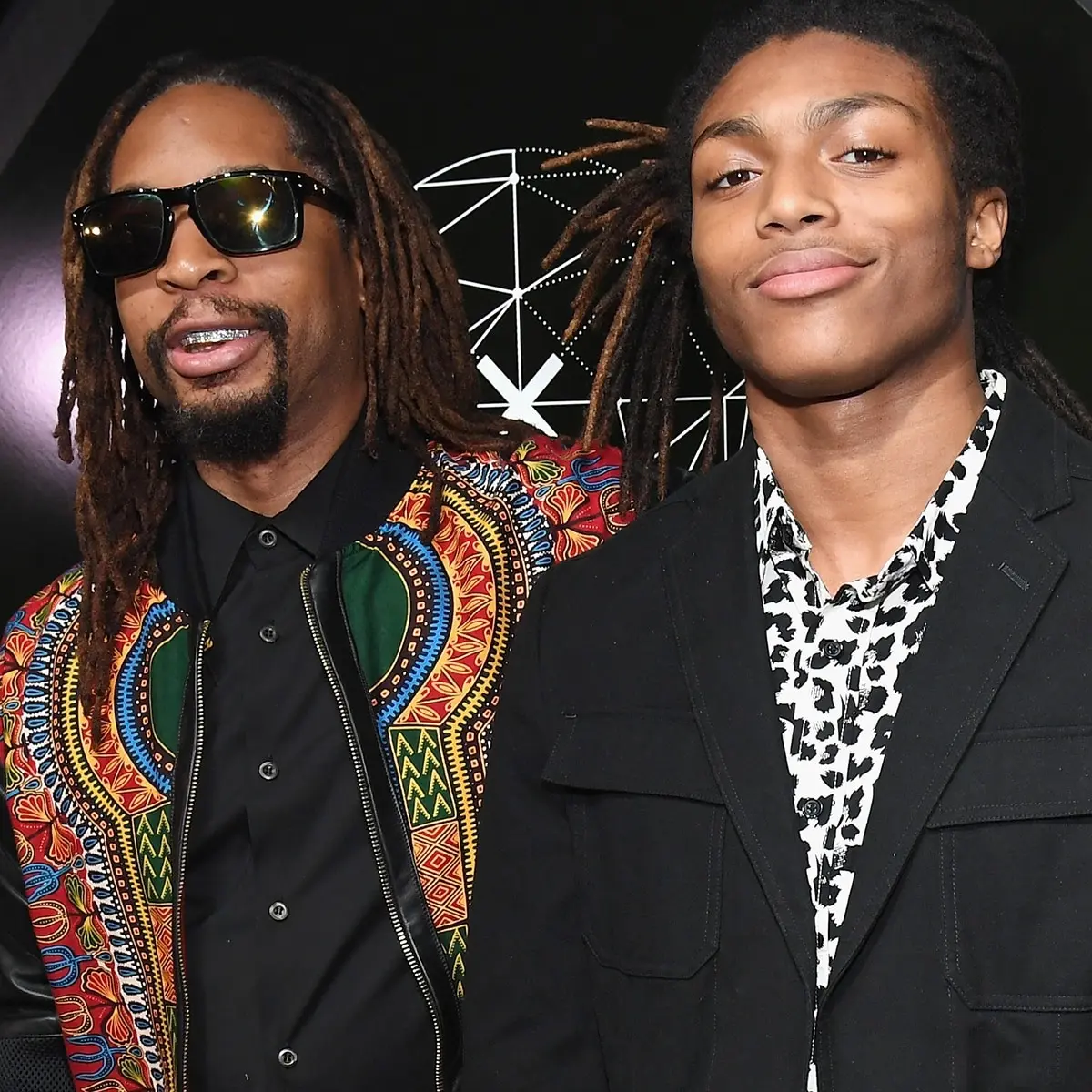
Eight months following the tragic passing of his 27-year-old son, Nathan Smith (who performed professionally as DJ Young Slade), Lil Jon has bared his soul to the public. In his newly released memoir, I Only Shout So You Can Hear Me, the iconic artist offers an unflinching, heartbreaking look into the final days of his son’s life. The book sheds light on the devastating circumstances surrounding Nathan’s death on February 6, which authorities later confirmed was caused by an accidental drowning while under the influence of mushrooms.
Beyond the toxicology reports and police blotters, Lil Jon’s memoir transforms a public tragedy into a deeply intimate narrative about fatherhood, unspoken pressures, generational communication gaps, and the unseen battles fought behind closed doors. Nathan had been quietly grappling with intense, unexplained physical pain, compounded by deep-seated anxiety and the weight of personal trauma. Through deeply personal text exchanges, final phone calls, and raw reflections on paternal responsibility, the memoir captures a father’s desperate attempts to pull his son toward the light—unaware that the sands of time were rapidly running out.
This in-depth feature explores the timeline of Nathan Smith’s final hours, the emotional context of his struggles, the medical realities of substance use and mental health, and the broader cultural conversation surrounding men’s mental health, hidden pain, and the enduring legacy of a promising young artist taken far too soon.
Detailed Chronology: The Final Days and Last Hours of Nathan Smith
To understand the immense grief that now anchors Lil Jon’s life, one must examine the precise sequence of events leading up to the tragic discovery in early February. Nathan Smith’s life was defined by creativity, a passion for music, and a tight-knit family network that included his mother, Nicole Smith, and his young sister Nahara. Yet, behind the scenes, the 27-year-old was navigating a complex labyrinth of physical and emotional distress.
The Onset of Unexplained Pain and Mental Strain
In the weeks leading up to his passing, Nathan had confided in his father and close loved ones about a series of intense, baffling physical symptoms. Medical evaluations and casual check-ins failed to pinpoint a definitive physical catalyst for the severe discomfort he was experiencing. Lil Jon writes in his memoir that he instinctively attributed much of his son’s distress to the corrosive cocktail of modern stress, deeply rooted trauma, and generalized anxiety.
As a father, Lil Jon felt a fierce, protective instinct to push his son toward healing. In I Only Shout So You Can Hear Me, the rapper recounts how he constantly pressured Nathan to prioritize his well-being, seek proper care, and conquer the invisible weights dragging him down.
The Final Phone Call: A Bridge of Love and Friction
The emotional crescendo of their relationship played out over a series of late-night communications that would ultimately serve as their final earthly goodbye. During a phone conversation initiated by Nathan, the father and son exchanged expressions of unconditional love.
Seeking to motivate his son, Lil Jon leaned into a tough-love approach, stating candidly: "I’m on you because I love you. I care about you. I want you to get better."
Nathan, caught between the desire for independence and the heavy fog of his internal struggles, pushed back slightly while reassuring his father of his ongoing efforts. "I’m getting there," Nathan replied, according to the memoir. "I’ve been going through a lot. I’m working through it. Give me some credit."
While the conversation ended on a warm, affectionate note, Lil Jon admits in his book that an unsettling shadow lingered. He sensed that his son might have walked away from the call feeling overwhelmed by the paternal intensity.
The Midnight Text Exchange
That lingering feeling proved prophetic. Recognizing the emotional weight of their interaction, Nathan reached out via text message at 12:48 a.m. on a Saturday morning, bridging the gap with remarkable vulnerability:
"Love you dad, got so much love for you. I’m gonna try communicating better and stop letting fear hold me back."
Moved by his son’s self-awareness and willingness to confront his inner demons, Lil Jon responded with a message designed to validate Nathan’s worth and reassure him of his boundless potential:
"I do care a lot. You are my only son, and I worry about you a lot. You are so talented and extremely smart. Nothing should be holding you back. I pray for the days you have no more discomfort and no more fear. Those days are coming. Love you."
Determined to ensure those words resonated deeply, the 55-year-old artist picked up the phone one final time. In what would be their last vocal exchange, Lil Jon delivered a message of total affirmation:
"I see that you’re trying, and I want you to know that you are seen. All the effort you’ve been putting in—I see it. And I see you."
The Disappearance and Heartbreaking Discovery
Just days after these poignant final communications, Nathan Smith was reported missing on February 3. The hip-hop community and the Smith family held their breath, launching frantic searches and social media appeals in the desperate hope of a safe return.
Those hopes were shattered on February 6, when Nathan was found dead near his home in the state of Georgia. Subsequent investigations and medical examiner reports confirmed that the young DJ and producer had drowned while under the influence of mushrooms (psilocybin).
Reflecting on the unbearable suddenness of the loss, Lil Jon writes with haunting clarity:
"Just as nothing can prepare you for the moment your child enters the world, nothing can prepare you for the moment your child leaves the world."
Supporting Context & Metrics: Mental Health, Hidden Pain, and Substance Use
The passing of Nathan Smith brings to light several critical public health issues, particularly concerning young adults navigating psychological distress, the complexities of self-medication, and the unique pressures faced by children of high-profile public figures.
The Invisible War: Physical Pain and Mental Health in Young Adults
Medical literature consistently demonstrates a profound bidirectional relationship between chronic or unexplained physical pain and mental health disorders such as anxiety and depression. Somatization—the production of physical symptoms from psychological distress—frequently leaves individuals feeling trapped in a body they no longer recognize.
In Nathan’s case, his experience of "intense, unexplained physical pain" mirrors patterns seen in thousands of young adults dealing with unaddressed trauma. When the nervous system remains in a chronic state of hyperarousal due to anxiety, it can manifest genuine, debilitating physical agony. Experts note that young adults often struggle to articulate these complex internal states, leading to isolation even when surrounded by supportive families.
The Complex Reality of Psychedelics and Self-Medication
Toxicology findings revealed that Nathan was under the influence of mushrooms at the time of his accidental drowning. In recent years, psilocybin has gained significant cultural and scientific attention for its potential in treating treatment-resistant depression and anxiety under clinical supervision. However, experts in toxicology and addiction medicine issue stern warnings regarding the recreational or unsupervised use of psychedelics, particularly by individuals already experiencing acute psychological vulnerability, trauma, or emotional instability.
When consumed outside of controlled therapeutic environments, mind-altering substances can impair spatial awareness, exacerbate underlying anxiety, trigger dissociative states, and compromise basic motor functions—tragically increasing the risk of fatal accidents such as drowning, falls, or exposure.
The Shadow of Generational Legacy
Growing up in the shadow of a globally recognized entertainment icon presents its own psychological hurdles. While children of celebrities often have access to elite resources, they frequently grapple with intense expectations, scrutiny, and a fierce desire to establish their own autonomous identities. Operating under the moniker DJ Young Slade, Nathan carved out his own path in the music industry, showcasing immense talent as a producer and DJ. Balancing that burgeoning career with private struggles highlights the reality that external success and artistic validation do not insulate individuals from internal pain.
Official Statements and Industry Response
The music industry and the broader entertainment community responded to Nathan Smith’s passing with an outpouring of grief, condolences, and tributes, recognizing both his individual artistry and the immense pain experienced by his family.
Following the initial confirmation of his passing in February, representatives for the Smith family issued requests for privacy as they navigated the immediate aftermath of the tragedy. Tributes poured in from fellow artists, producers, and industry executives who had worked with DJ Young Slade, remembering him as a dedicated, creative, and gentle soul who brought light to those around him.
With the release of I Only Shout So You Can Hear Me, Lil Jon has chosen to channel his grief into a vehicle for honesty and connection. Rather than shielding the rawest parts of his relationship with his son, the memoir invites readers into the complex dynamics of modern parenting. Industry peers and literary critics have praised the memoir for its raw emotional transparency, noting that Lil Jon’s willingness to share his final text messages and phone calls provides a powerful blueprint for how families can approach conversations about mental health, love, and reconciliation.
Future Outlook: Legacy, Advocacy, and Healing
As the music world continues to process the loss of Nathan Smith, the focus shifts toward how his memory will be honored and the ways in which his father’s public transparency might spark vital conversations.
Transforming Grief into Advocacy
For families who have lost a child to the tragic intersection of mental health struggles and accidental substance-related tragedies, advocacy often becomes a path toward survival. While Lil Jon has centered his immediate healing around literary reflection and cherishing memories, the profound message embedded in his memoir—the vital importance of making sure loved ones know they are "seen" and valued—serves as an organic form of community outreach.
Mental health advocates emphasize that breaking the stigma surrounding anxiety, physical pain manifestations, and the dangers of unsupervised substance use requires continuous, open dialogue within families. By sharing the unfiltered reality of his final texts with Nathan ("I see that you’re trying, and I want you to know that you are seen"), Lil Jon offers a timeless reminder of the lifesaving power of validation and active presence.
Preserving DJ Young Slade’s Musical Identity
Beyond the headlines of the memoir, friends, family members, and collaborators are actively exploring ways to ensure that Nathan’s artistic legacy endures. As DJ Young Slade, Nathan poured his heart into rhythm, beat-making, and production. Future tributes, posthumous releases, or foundation initiatives in his name could serve to uplift other young creatives battling similar internal storms, ensuring that his passion for music continues to inspire long after his departure.
A Father’s Enduring Anchor
Ultimately, I Only Shout So You Can Hear Me captures a universal truth about the human condition: love does not end with physical separation. Eight months after losing his son, Lil Jon remains anchored by the moments they shared, the late-night text messages of mutual reassurance, and the fierce, protective love that defined their relationship.
As families around the world read the harrowing account of Nathan Smith’s final days, the overarching narrative is not merely one of tragedy, but of a father’s relentless dedication to ensuring his son’s voice—and his memory—will echo far beyond the silence.