

Executive Overview
For over a century, the Kennedy family has occupied a singular, almost mythic space within the American consciousness. Often romanticized as political royalty, the family’s narrative has long been defined by a complex duality: historic public service, profound cultural influence, and an unrelenting sequence of personal tragedies. This bittersweet dichotomy was thrown into sharp relief once again following the deeply mourned passing of Kyle Francis Kennedy at the age of 42, closely followed by the tragic loss of her cousin, Tatiana Schlossberg, at age 35.
These successive losses have reignited national conversations about the heavy toll paid by members of a dynasty whose public footprint has continually collided with private heartbreak. From the political assassination of President John F. Kennedy and Robert F. Kennedy to accidental deaths, medical crises, and premature illnesses, the family tree bears the weight of extraordinary sorrow. Yet, as newer generations step forward—entering the worlds of law, media, international diplomacy, and legislative politics—the Kennedy lineage continues to evolve, balancing an immutable history of grief with a steadfast commitment to public impact and resilience.
Detailed Chronology: From the Foundations to Modern Generations
The Patriarch and Matrimonial Roots (1914–1932)
The modern architecture of the Kennedy family dynasty took structural form on October 7, 1914, when Joseph Patrick "Joe" Kennedy married Rose Elizabeth Fitzgerald. Merging two prominent Boston political families, the couple established a sprawling, highly competitive, and intensely ambitious household. By 1932, Joseph and Rose had welcomed nine children: Joseph P. Jr., John F., Rosemary, Kathleen, Eunice, Patricia, Robert F., Jean, and Edward. Patriarch Joe Kennedy harbored immense political ambitions for his offspring, most notably designating his eldest son, Joe Jr., as the family’s presumptive future president.
World War II and Early Tragedies (1944–1948)
The family’s first major tragedies arrived during and immediately after World War II. Joseph P. Jr., serving as a U.S. Navy pilot, volunteered for a perilous top-secret mission known as Operation Aphrodite. On August 12, 1944, the explosives-laden aircraft he was piloting detonated prematurely over England. Joe Jr. and his co-pilot were killed instantly, their remains never recovered.
Just four years later, on May 13, 1948, Joseph and Rose’s free-spirited daughter, Kathleen "Kick" Kennedy, died alongside her partner, the Earl Fitzwilliam, in a devastating plane crash in the French Alps. These early disasters established a tragic precedent that would shadow the family for generations.
The Camelot Era and National Trauma (1960–1968)
The pinnacle of the family’s political power arrived with the election of John F. Kennedy to the presidency in 1960. The "Camelot" era, defined by youthful idealism, cultural renewal, and Cold War diplomacy, was abruptly and violently shattered on November 22, 1963, when President Kennedy was assassinated in Dallas, Texas.
The trauma was compounded less than five years later. On June 6, 1968, Robert F. Kennedy—then serving as a U.S. Senator and leading contender for the Democratic presidential nomination—was fatally shot moments after delivering his victory speech at the California primary in Los Angeles.
Subsequent Generations and Modern Losses
Decades later, the family continues to grapple with premature deaths across multiple branches. The late 1990s brought the skiing accident that claimed Michael Kennedy in 1997, followed closely by the tragic July 1999 plane crash that killed John F. Kennedy Jr., his wife Carolyn Bessette, and her sister Lauren Bessette.
In recent years, the family has mourned additional losses, including Saoirse Hill in 2019, Maeve Kennedy McKean in 2020, and most recently, the heartbreaking deaths of Kyle Francis Kennedy and Tatiana Schlossberg.
Supporting Context & Metrics: The Scale of the Kennedy Legacy
To understand the scope of the Kennedy family is to examine a sprawling demographic and institutional network that has touched nearly every pillar of American public life:
- Foundational Scale: Joseph P. and Rose Kennedy’s nine children produced dozens of grandchildren and great-grandchildren, creating a multi-generational web spanning politics, law, business, journalism, and non-profit leadership.
- Public Service Milestones: The family has yielded one U.S. President, multiple U.S. Senators, a U.S. Attorney General, members of the House of Representatives, and high-profile diplomatic appointments, including U.S. Ambassadors to Japan, Australia, Ireland, and the United Kingdom.
- Philanthropic Impact: Institutions founded or championed by family members—most notably the Special Olympics, established by Eunice Kennedy Shriver, and Robert F. Kennedy Human Rights—have impacted millions of lives globally.
- Educational and Professional Pursuits: Younger generations have overwhelmingly pursued elite higher education, earning advanced degrees from institutions such as Harvard, Yale, Georgetown, and Pace University, utilizing these credentials to champion causes ranging from disability rights and educational reform to environmental protection.
Official Statements and Tributes
The recent passing of Kyle Francis Kennedy—who died at age 42 following complications from a life-altering spinal cord injury sustained six years prior—elicited profound grief and widespread tributes from across the family.
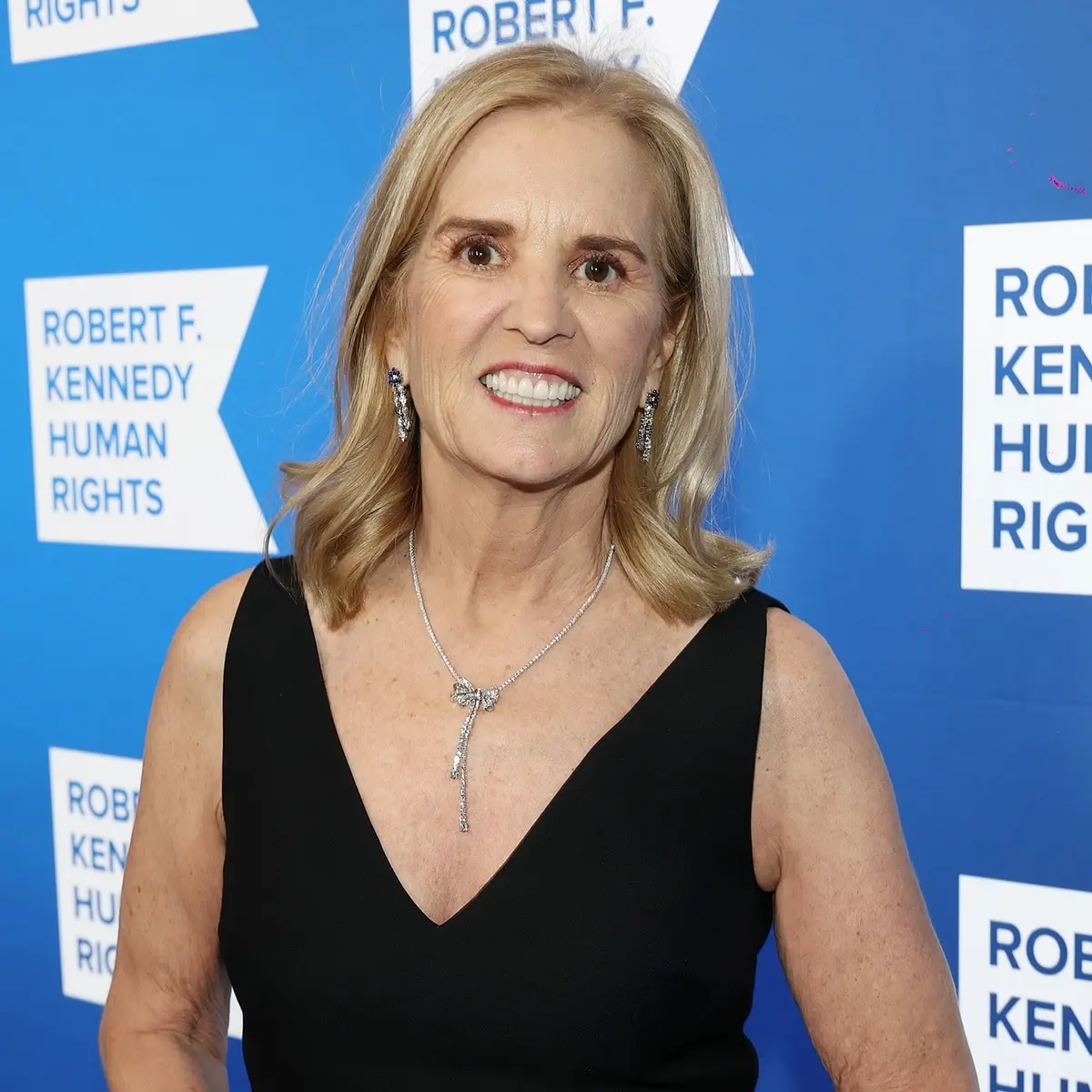
Human rights activist Kerry Kennedy released an official statement on behalf of the family, honoring her late niece:
"Our family is heartbroken by the loss of my dear niece Kyle Francis Kennedy… A bright and gentle spirit, a committed educator and devoted mother."
Kerry noted that Kyle’s resilience in the face of physical adversity never wavered, maintaining her sharp wit and dedication to her sons, Conor and Declan. Friends, family, and public obituary archives further highlighted Kyle’s remarkable academic achievements, her passion for early childhood education, and her courageous advocacy for disability rights—including notable testimony before the Massachusetts state legislature regarding healthcare discrimination.
Simultaneously, the family has navigated the deeply felt loss of Tatiana Schlossberg, daughter of Caroline Kennedy, whose intelligence, journalistic integrity, and literary contributions left an indelible mark on those who knew her. Across the board, public statements from surviving family members have emphasized a collective resolve to honor their departed relatives by sustaining the values of compassion, public service, and fierce personal resilience.
Future Outlook: The Next Chapter of the Dynasty
As the Kennedy family navigates this latest chapter of mourning, the focus inevitably turns toward the future and the generation currently stepping into the public arena.
Members of the younger cohort are actively redefining what it means to carry the Kennedy name in the 21st century. Jack Schlossberg, a Yale and Harvard graduate, has established himself as a distinct cultural and political voice, combining digital media engagement with serious political ambitions, including his recent announcement to seek a congressional seat representing New York’s 12th congressional district. Other members of the family continue to make significant strides in law, environmental activism, the arts, and international diplomacy.
Ultimately, the enduring story of the Kennedy family is not defined solely by the tragedies that have marked its history, but by the relentless refusal to let those sorrows define their contributions to society. Through institutional philanthropy, civic engagement, and a persistent dedication to public service, the descendants of Joseph P. and Rose Kennedy continue to shape the American landscape, ensuring that their family’s complex, historic legacy endures for generations to come.