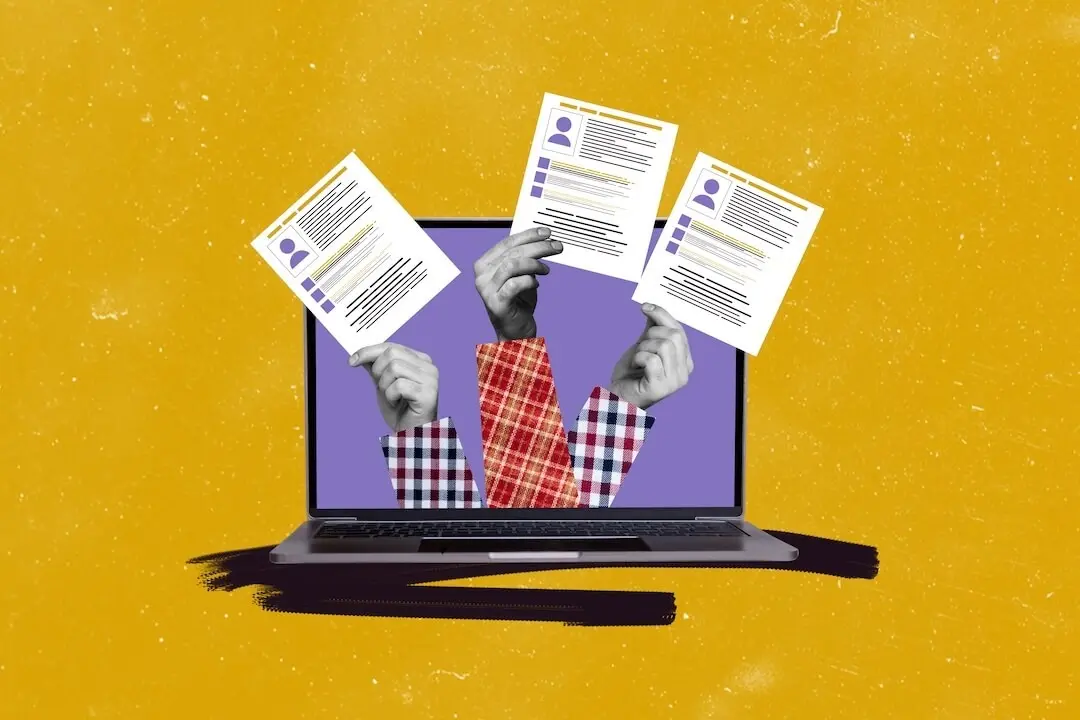
In the high-stakes, hyper-competitive landscape of modern media, hiring editors are drowning in paperwork. Faced with hundreds of applicants for a single vacancy, a newsroom leader might spend mere seconds scanning a resume before deciding whether to move a candidate forward or consign them to the virtual wastebasket. Yet, a peculiar paradox plagues the industry: some of the finest storytellers, investigators, and wordsmiths in the business—professionals whose entire livelihood depends on clarity, conciseness, and impact—are remarkably inept at writing about themselves.
According to veteran recruiters and hiring managers, the vast majority of journalism resumes are fundamentally broken. They read like lifeless job descriptions rather than dynamic portfolios of achievement. Instead of detailing the investigative breakthroughs, audience growth milestones, and high-pressure breaking news coups that distinguish an exceptional candidate from a mediocre one, applicants routinely default to generic, passive bullet points. They list what they were supposed to do, rather than how effectively they did it.
This systemic failure to self-advocate is hurting careers across the board, from wide-eyed college graduates applying for summer internships to veteran statehouse reporters with decades of bylines. In an era where newsrooms are shrinking, competition is fierce, and "ghosting" by hiring managers has become an unfortunate industry norm, your resume is often your only leverage. Transforming that document from a dull historical archive into a compelling sales pitch is no longer optional—it is a professional survival skill.
Detailed Chronology: The Evolution of the Journalistic CV and Modern Recruitment Realities
To understand why contemporary journalism resumes miss the mark, one must examine how the hiring process has mutated over the past two decades.
The Shift from Print to Digital Scanning
In the golden age of print journalism, newsroom executives would physically flip through paper resumes, often taking time to read cover letters and review physical clippings packets. Today, the recruitment ecosystem is dominated by digital applicant tracking systems (ATS), remote hiring loops, and overworked digital editors who triage candidates between meetings, push notifications, and live coverage.
Recruiters note that this acceleration has compressed the evaluation window. If a resume does not immediately arrest a hiring manager’s attention with tangible proof of competency, it is discarded. Despite these shifting dynamics, many journalists continue to treat their resumes as static bibliographies rather than high-impact marketing documents. They rely on templates designed in the early 2000s, failing to realize that the metrics-driven digital age demands an entirely different approach to self-presentation.
Anatomy of a Misguided Resume
Consider the classic, flawed resume entry submitted by countless reporters. A hypothetical statehouse reporter with over two decades of experience might draft their employment history like this:
Reporter, Nevada Daily Herald, Las Vegas, August 2000 to present
Covers weekly government meetings, analyzes legislation, and explains policy to readers.
Writes headlines and shares stories on social media.
Attends press conferences and conducts interviews with public officials.
While accurate, this description is utterly devoid of distinction. It tells a hiring editor nothing about the candidate’s caliber, initiative, or unique journalistic voice. It reads like a job listing posted by Human Resources, not the professional footprint of a seasoned investigator.
The Rewrite: Moving from Duties to Impact
When pushed to reflect on their actual career milestones—uncovering municipal corruption, turning complex fiscal bills into accessible reads, or mentoring younger staffers—the same reporter can radically overhaul their narrative. A high-impact revision looks vastly different:
Reporter, Nevada Daily Herald, Las Vegas, August 2000 to present
Spearheaded a yearlong investigative series into state water rights that prompted three legislative hearings and two federal audits.
Broke national news on the closure of the city’s largest public health clinic, driving a 300% surge in digital subscriptions over a 48-hour window.
Mentored five early-career reporters and fellows, leading to two state press association awards for their collaborative enterprise reporting.
Utilized data journalism tools (Python, Tableau) to analyze campaign finance filings, creating the newsroom’s first interactive political donor database.
The chasm between these two examples is profound. The first outlines baseline expectations; the second proves excellence. Both describe the exact same human being, but only the latter compels a hiring manager to pick up the phone.
Supporting Context & Metrics: What Recruiters Actually Look For
Recruiting professionals emphasize that transforming a resume requires shedding professional modesty. Journalism culture traditionally prizes institutional humility—the idea that the story should always be about the subjects, not the reporter. While admirable in daily reporting, this ethos is toxic when applied to job hunting.
The Power of Quantifiable Metrics
Numbers speak louder than adjectives. In digital media, analytics rule the day. Yet, few resumes leverage the wealth of data available to modern journalists. Effective resumes incorporate metrics wherever possible:
Audience Engagement: High open rates for newsletters, time-on-page benchmarks, or unique pageview milestones for exclusive reports.
Scope and Scale: The frequency of national syndication, the dollar amount of public funds uncovered in spending audits, or the size of the audience reached during live-blogging events.
Efficiency and Agility: The speed with which breaking news coverage was mobilized and executed under deadline pressure.
In-Demand Skills That Stand Out
Beyond traditional reporting and writing acumen, modern newsrooms face unique technical and operational challenges. Highlighting specialized skills can instantly elevate a candidate above the pile:
Artificial Intelligence Literacy: Demonstrating an ethical, innovative grasp of AI tools to enhance reporting workflows, transcribe interviews, or analyze massive document dumps.
Multilingual Capabilities: Reporting and conducting interviews in languages other than English, opening up under-served local communities.
Data Accountability: Extracting, cleaning, and visualizing public records to hold institutions accountable through hard data.
Structural Best Practices
Recruiters recommend adhering to strict structural guidelines to maximize readability:
The One-Page Rule: Unless you are a senior executive or an academic with extensive publishing credits, keep your resume strictly to one page. Ruthlessly edit out redundant lines.
Experience First: Students and early-career journalists should lead with professional work experience, internships, and clips, rather than burying their practical achievements beneath academic credentials.
Strategic Omissions: Drop ancient history (such as unrelated jobs from decades ago), high school achievements, and short-lived, toxic stints that ended abruptly. If you are worried about age discrimination, omit your college graduation year. Never include jobs from which you were fired for repeated ethical breaches or excessive factual corrections.
Official Insights & Industry Guidance
Industry recruiters, career coaches, and newsroom veterans agree that the baseline rules of professional presentation still apply, even as the media industry undergoes profound structural transformation.
On Honesty and Integrity: Fabricating or exaggerating credentials is a fatal error in journalism. As industry experts note, journalists are professional truth-seekers whose entire job involves fact-checking and vetting sources. If an applicant is caught embellishing their resume, their career in reputable newsrooms is effectively over before it begins.
On Formatting Simplicity: Fancy graphics, multi-column layouts, and overly ornate designs often break automated tracking software and irritate busy editors. Clean, minimalist formatting saved as a universal PDF is always the gold standard.
On Peer Review: Before hitting send on an application or distributing a resume to a professional network, candidates should run their documents through rigorous quality control. Utilizing the Associated Press Stylebook for state abbreviations, titles, and dates ensures absolute precision, while feedback from trusted mentors can catch blind spots in tone and emphasis.
Future Outlook: Navigating the 2026 Job Market and Beyond
As the media industry stabilizes following years of economic turbulence, digital transformation, and shifting platform algorithms, the nature of newsroom employment is evolving. Artificial intelligence is automating routine aggregation, and newsrooms are placing a premium on original, verified, high-impact accountability reporting.
Consequently, the generic "general assignment" reporter role is rapidly contracting, while specialized, high-skill reporting positions are becoming the industry standard. Your resume must reflect this reality. It must position you not merely as a reporter who records events, but as a multimedia enterprise strategist who understands audience behavior, leverages cutting-edge tools, and drives tangible public impact.
For job seekers navigating the market, the mandate is clear: stop hiding behind passive language. Update your resume continuously as major achievements unfold so you are always prepared when opportunity knocks. Treat your resume as your first breaking news assignment of any job search—researched, rigorous, compelling, and impossible to ignore.
Want to share your career questions or seek personalized advice? Submit your inquiries to industry recruitment columns with the subject line "Ask the Recruiter." Whether you are searching for your first internship or your next major leadership role, utilize the comprehensive resources available on major industry job boards to secure your place in the modern newsroom.