

Executive Overview
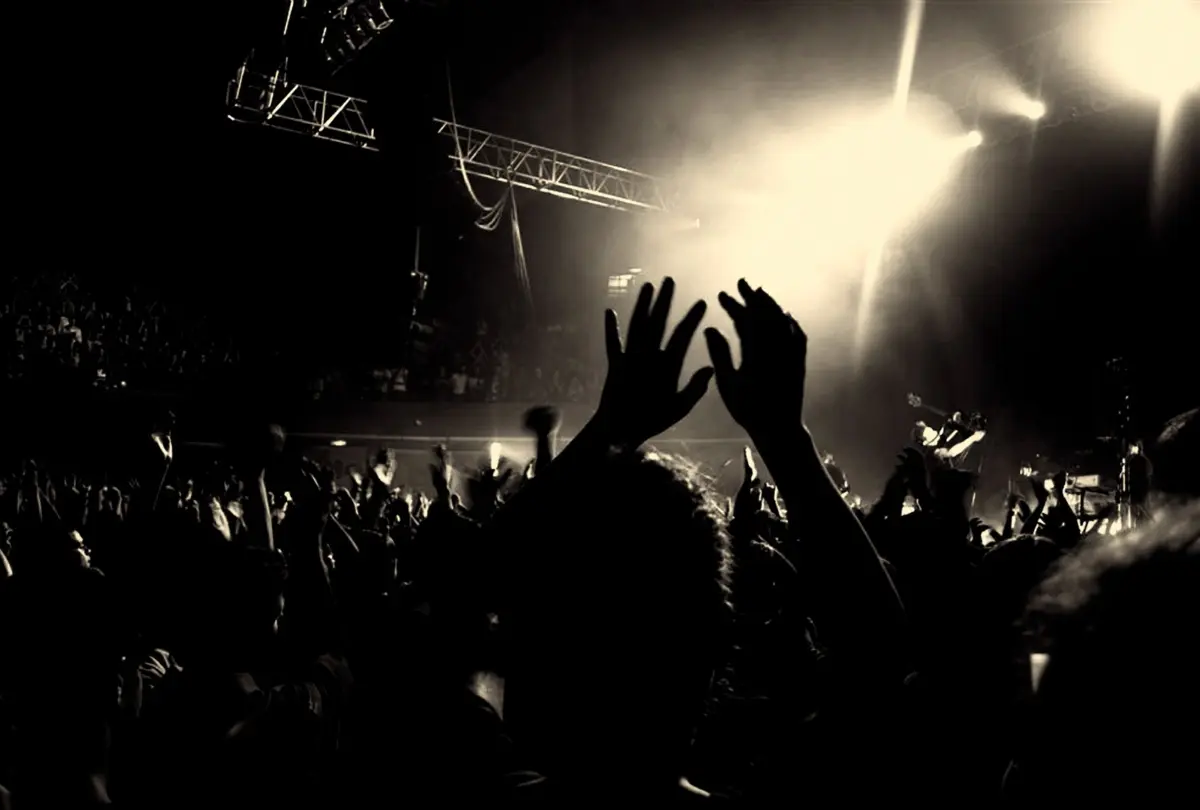
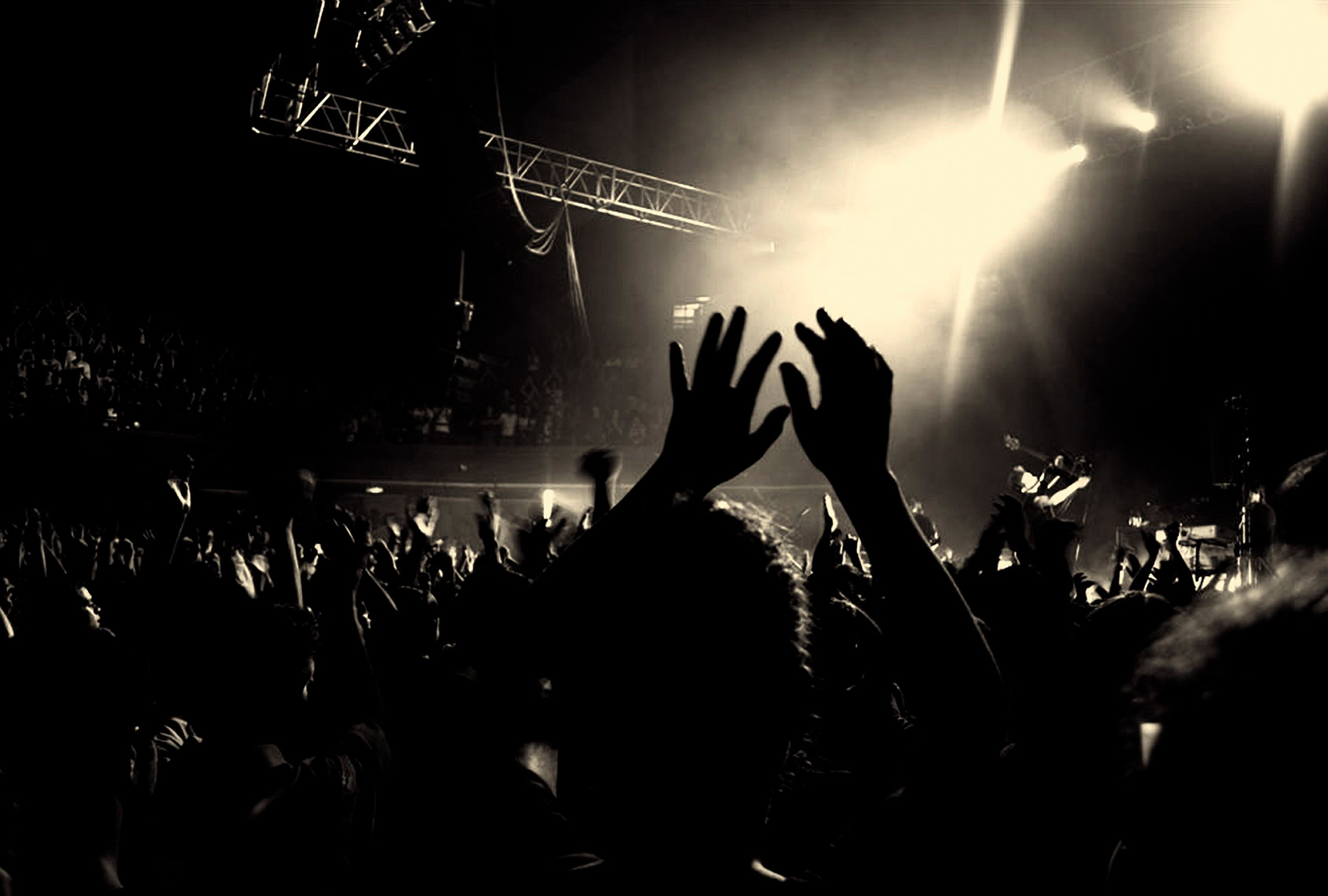
For decades, modern social conditioning has tied the consumption of leisure to the presence of a companion. Whether dining out, going to the movies, or attending a massive stadium tour, the default societal assumption is that a crowd of one is a crowd of loneliness. This is particularly true in the realm of live music. Mainstream cultural commentary has long framed attending a concert alone as an act of desperation, a last-resort measure taken only when friends are unavailable, schedules fail to align, or romantic prospects fall through.
Recent media coverage has attempted to reframe this narrative, describing going to concerts solo as a "top-tier human experience." Yet, these mainstream attempts often lean into exaggerated, mystical tropes about "the oneness of things," completely missing the practical, liberating reality of the practice. The truth is much simpler, more grounded, and far more liberating: live music is better on your own terms.
Going to a concert alone is not an anomaly, a sign of social isolation, or an act of bravery. It is an expression of supreme self-awareness, aesthetic autonomy, and pure fandom. From early-evening dive bar sets to sold-out amphitheater extravaganzas, the solo concertgoer commands their own experience, unburdened by compromised schedules, conflicting spatial preferences, or the exhausting emotional labor of entertaining a companion. As the live music industry continues to navigate shifting ticket-purchasing landscapes, digital detox trends, and fluctuating social dynamics, it is time to permanently abolish the stigma of the solo ticket holder.
Detailed Chronology: A Lifelong Education in Solo Attendance
To understand the enduring value of the solo concert experience, one must examine how grassroots live music communities actually operate. Long before the era of smartphones, algorithmic concert recommendations, and ubiquitous digital ticketing platforms, solo attendance was simply a pragmatic reality for dedicated fans.
The Adolescent Pioneer
Consider the trajectory of a lifelong music enthusiast who attended their first solo arena show at the age of 14. Left with a simple choice—either miss out on seeing a defining artist of the era or brave the venue alone—the decision was obvious. Dropped off at the doors by a mother who wryly hoped the experience would "get it out of [her] system," the young attendee navigated the labyrinth of the New Haven Coliseum to witness Bruce Springsteen live.
Far from the isolating, anxiety-inducing ordeal that pop culture warns teenagers about, the reality was entirely communal. Within 15 minutes of claiming a seat in the upper reaches of the arena, the solo teenager was surrounded by a makeshift community. Conversations sparked naturally with neighboring fans swapping tour lore, debating the merits of local radio DJs, and trading intelligence on upcoming tour dates. By the end of the night, phone numbers were exchanged, and a lifelong appreciation for the social permeability of live music was cemented.
The Modern Circuit: From Dive Bars to Theaters
Fast-forward decades later, and the mechanics of the solo show have evolved while retaining their core independence. Picture an early Tuesday evening at a local dive bar hosting the Dream Syndicate. With a blissfully early 7:00 PM start time and no opening act, the solo attendee arrives, checks in with the door staff, purchases a bottle of water, claims a bar stool against the far wall, and quietly reads a book until the first chords ring out. There is no negotiation over arrival times, no hurried dinner plans, and no compromise on vantage points.
In another instance, at a packed general admission theater hosting an R.E.M. tribute project featuring Michael Shannon and Jason Narducy, the solo strategy shifts toward sonic immersion. Arriving early, the solo patron gravitates toward the barrier. Proximity to the speakers serves a vital secondary function: it effectively drowns out the dreaded "chompers"—those audience members who treat a live performance as white noise for casual conversation.
Standing at the front naturally curates its own community. Within minutes, friendships form with other solo or small-group attendees. Unspoken pacts are forged: individuals take turns holding spots at the barrier while others make a restroom run, bypassing long lines and avoiding unwanted, patronizing interactions with people eager to "explain" the band’s history to an experienced fan.
Whether settling into the acoustic sweet spot of an experimental jazz-rock set at a local artistic consortium like Trinosophes or staking out a spot in the front section of a high-energy punk show, the pattern remains identical. The solo concertgoer moves fluidly through the ecosystem of live performance, engaging with the community entirely on their own terms.
Supporting Context & Metrics: Challenging the "Sad" Solo Stereotype
Mainstream media missteps regarding solo concertgoing usually stem from a fundamental disconnect: the writers view live music merely as a social backdrop, whereas dedicated fans view it as an immersive, primary art form.
The Logistics of Compromise
When attending a concert with friends or a partner, the friction points begin long before the house lights dim. Consider the standard checklist of coordination hurdles:
- Schedule Alignment: Finding an evening where multiple busy adults have concurrent free time.
- Ticket Tier Discrepancies: Agreeing on budget constraints that dictate whether seats are in the front row or the upper balcony.
- Arrival Wars: Negotiating whether to arrive at doors-open to secure a spot at the barrier or wander in leisurely just as the headliner takes the stage.
- Spatial Preferences: Balancing one person’s desire to dance in the general admission pit with another’s need for a seated, reserved vantage point.
When these compromises fail, fans often choose to stay home. Consequently, thousands of live music experiences are missed every year simply because individuals refuse to go it alone. This self-imposed restriction is entirely arbitrary. As legendary rocker Neil Young famously noted, "Live music is better." Attaching a social prerequisite to that maxim strips the medium of its immediacy.
The Intergenerational Continuity
Critics of solo concertgoing often argue that modern digital isolation makes going to a show alone feel starker or more exposed than it did in previous decades. Yet, contemporary fieldwork across diverse musical genres tells a completely different story.
Whether observing younger demographics packing venues for modern pop icons like Harry Styles and Taylor Swift, or noticing seasoned fans holding down the front rows at underground punk and indie bills like Bikini Kill, the fundamental social rituals of live music remain unchanged. Fans continue to chat in line, swap social media handles, compare tour notes, and build spontaneous networks of shared enthusiasm. The presence of a smartphone in every pocket has not eroded the human connection of the concert floor; it has simply updated the medium of exchange.
Official Industry Friction: The Ticketmaster Barrier
While social anxiety and cultural stigma are largely imaginary hurdles, solo concertgoers face one very real, institutional obstacle: the ticketing infrastructure itself.
In the modern landscape dominated by monopolistic ticketing platforms like Ticketmaster, the solo buyer is frequently penalized by platform design. Prominent structural issues include:
- The "Lonely Seat" Penalty: Automated ticketing algorithms frequently restrict single buyers from purchasing a solitary seat if it leaves an isolated empty chair next to it. Users are routinely forced to alter their seating selections or purchase pairs just to secure admission.
- Artificial Scarcity Framing: High-demand events utilize dynamic pricing and queue systems that actively discourage casual single-ticket searches, driving up the perceived difficulty of navigating the box office alone.
Despite these corporate hurdles, experienced solo attendees have learned to navigate the system—often treating single tickets as a strategic advantage to secure high-value seats that are left over when group blocks fail to sell out symmetrically.
Future Outlook: The Rise of Self-Actualized Audiences
As cultural attitudes slowly catch up to lived reality, the future of live music consumption points toward radical autonomy. The outdated notion that an empty seat beside you invalidates your enjoyment of a show is giving way to a healthier, more self-actualized appreciation of the arts.
The modern concertgoer is shedding the embarrassment of the solo ticket. Whether driven by niche musical tastes that friends do not share, divergent work schedules, or simply the psychological peace of not having to manage another person’s concert experience, going solo is securing its rightful place as a premier method of experiencing live performance.
Ultimately, live music demands your full attention. It asks you to surrender to the sound, the space, and the communal energy of the room. That surrender is infinitely more profound when you are entirely untethered from the expectations of a companion. The directive moving forward is clear: buy the ticket, claim your space on the floor or against the back wall, read your book before the opening act, and immerse yourself in the music. The show is about to begin, and you are never truly alone in a room full of people sharing the exact same frequency.