

Executive Overview
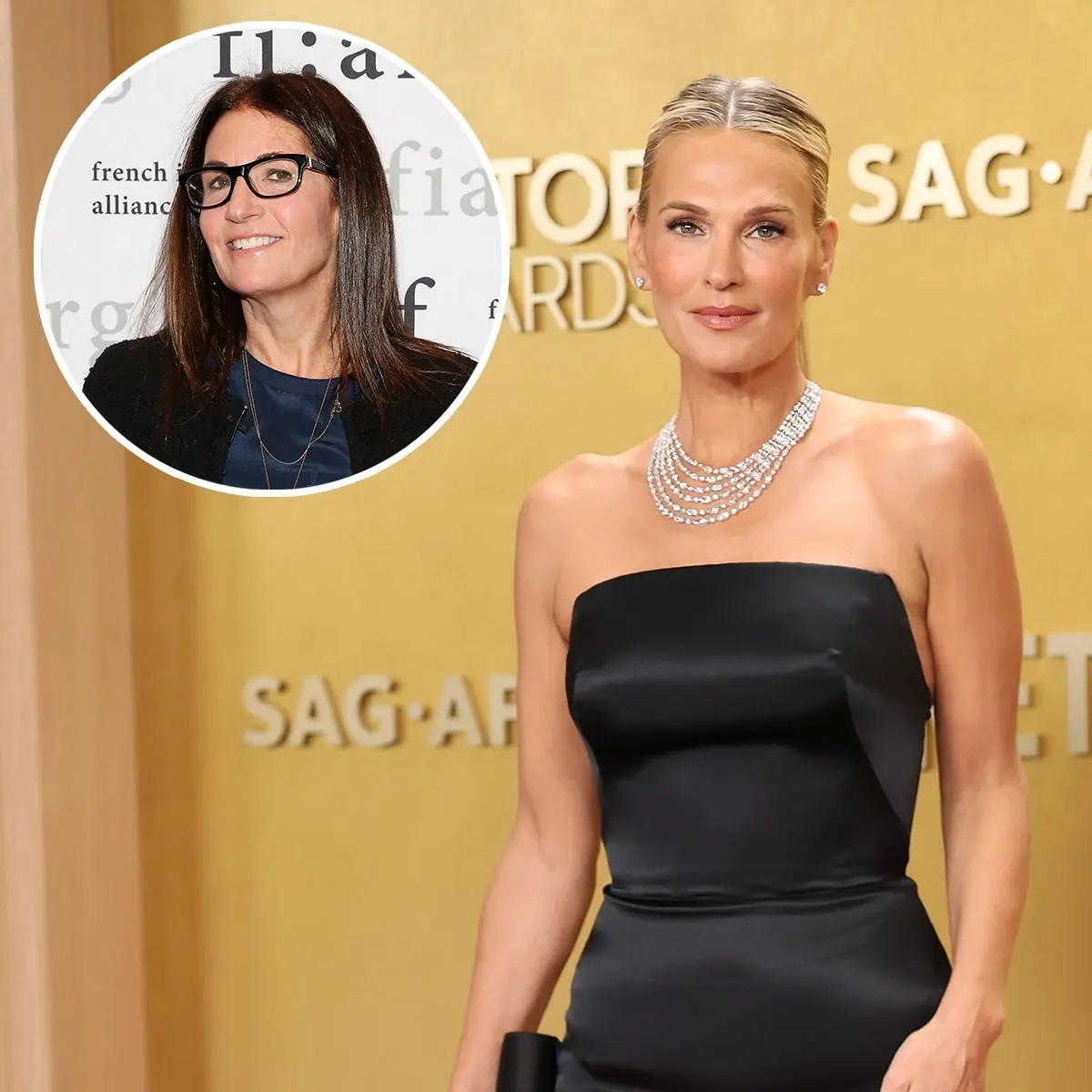
In the fast-paced, highly saturated landscape of the modern beauty industry, intellectual property and brand distinction are vital for survival. This reality came to the forefront of industry discourse when model, entrepreneur, and YISE founder Molly Sims publicly expressed her profound disappointment over a high-profile naming conflict with industry veteran Bobbi Brown’s brand, Jones Road Beauty.
The controversy erupted after Jones Road Beauty introduced a new makeup offering titled "Wide Awake," a moniker that instantly drew concern from Sims and her supporters. For Sims, who launched her successful YISE Wide Awake Brightening Eye Cream in March 2024, the situation highlighted the precarious hurdles faced by independent, female-led beauty startups competing against legacy powerhouses.
What began as an emotional, transparent Instagram video by Sims quickly escalated into a viral industry talking point about originality, trademark due diligence, and the ethical responsibilities of veteran founders toward up-and-coming entrepreneurs. Within days, the narrative shifted from a public call-out to a swift corporate retraction, as Brown issued a formal apology and promised to rebrand the disputed product. This incident serves as a crucial case study in contemporary beauty marketing, illuminating the fine line between accidental oversight and brand encroachment in an increasingly crowded global marketplace.
Detailed Chronology of Events
The unfolding of the "Wide Awake" naming dispute highlights how quickly modern digital platforms can transform a private business grievance into a public relations focal point.
March 2024: The Genesis of YISE’s Signature Product
Molly Sims officially established her lifestyle and beauty brand, YISE, positioning it as a thoughtfully curated line designed to meet the rigorous demands of everyday consumers and beauty enthusiasts alike. As part of her strategic product rollout, Sims introduced the YISE Wide Awake Brightening Eye Cream. Backed by a small, dedicated internal marketing team, the product rapidly gained traction, carving out a loyal customer base and establishing itself as a standout item within the brand’s burgeoning portfolio.
September 15, 2024: The Jones Road Beauty Launch
Months after the commercial establishment of Sims’ flagship eye cream, Jones Road Beauty—founded by legendary makeup artist Bobbi Brown—unveiled its latest cosmetic offering. Promoted as a "Wide Awake" neutralizer and concealer, the new product was rolled out with an extensive digital marketing campaign. According to subsequent statements from Brown’s team, the launch was preceded by standard preliminary procedures, including internal market assessments and trademark database checks.
September 19, 2024: Molly Sims Takes to Instagram
The tipping point occurred four days after the Jones Road Beauty launch. Flooded with direct messages, texts, and emails from concerned retail partners, loyal customers, and industry peers, Molly Sims realized the extent of the overlap. Taking to Instagram, the 53-year-old entrepreneur posted a candid, emotional video that bypassed traditional PR filters.
In the video, Sims articulated her frustration, noting that not only was the exact name duplicated, but elements of the marketing copy and campaign messaging struck uncomfortably close to home. She emphasized the David-versus-Goliath dynamic at play, contrasting the massive infrastructure of established legacy brands with the scrappy, limited-budget reality of her five-person marketing team.
September 21, 2024: Bobbi Brown Issues a Public Apology
Recognizing the rapid velocity of the online backlash and the validity of Sims’ concerns, Bobbi Brown acted swiftly to de-escalate the tension. On September 21, just two days after Sims’ viral video, Brown released an official statement via Instagram.
The 69-year-old industry pioneer addressed the controversy head-on, clarifying that the naming overlap was entirely unintentional. Brown explained that initial trademark searches had failed to flag any active, conflicting ownership under the "Wide Awake" title for that specific category at the time of their pre-launch checks. Acknowledging the emotional toll the oversight took on Sims and her team, Brown announced immediate corrective actions, promising to strip the "Wide Awake" moniker from the concealer line and pivot toward a new brand identity.
Supporting Context & Metrics: The Realities of Independent Beauty Startups
To fully grasp the gravity of the Sims-Brown dispute, one must examine the economic and operational ecosystem of the contemporary beauty market. Independent beauty brands operate in an environment characterized by extreme saturation, fierce competition for digital shelf space, and razor-thin operational margins.
The Power of Micro-Teams vs. Legacy Infrastructure
Molly Sims’ emphasis on her "small, but mighty" team of five underscores a common structural reality for celebrity-backed indie brands launched in the post-pandemic era. While legacy beauty houses possess dedicated legal departments, expansive research-and-development divisions, and automated trademark surveillance tools, indie startups often rely on agile, multi-role personnel.
- Resource Allocation: Independent brands must strategically allocate capital, often prioritizing product formulation and organic social media marketing over comprehensive, multi-jurisdictional legal sweeps during early development phases.
- Brand Identity Protection: For a startup like YISE, a signature product name functions as a primary anchor for consumer recognition. When a legacy brand utilizes the same phrase, it risks diluting search engine optimization (SEO) performance, confusing retail partners, and siphoning organic consumer traffic.
The Ethics of Mentorship and Industry Support
Beyond the legal and commercial implications, the controversy resonated deeply within the beauty community because of the interpersonal dynamics involved. Bobbi Brown is widely regarded as a trailblazing pioneer who carved out a space for women-led entrepreneurship in a historically male-dominated industry. For Sims—who has frequently cited Brown as a professional inspiration—the misstep felt particularly personal.
The discourse sparked broader industry conversations regarding the unwritten code of conduct among female founders. As Sims noted in her initial address, the foundational ethos of the modern indie beauty movement has historically been rooted in mutual empowerment, collective growth, and the belief that the market is vast enough to accommodate diverse entrepreneurial visions without resorting to competitive encroachment.
Official Statements and Declarations
The transparency of modern social media allowed both principals to communicate their perspectives directly to consumers, bypassing traditional media intermediaries.
Molly Sims’ Perspective
In her September 19 video broadcast, Sims maintained a balance of vulnerability and firm advocacy for her brand:
"I don’t normally post stuff like this, but over the last few days, I’ve had friends, customers, brand partners, retail partners DM, text, and email me that a brand that I love use and support not only use the exact name of a product I launched two years ago, but also their marketing copy and campaign feels a little too close to home.
I have the privilege of working with a primarily female team who bust their freaking asses every day to make this dream happen. My marketing team of five—we are small, but we are mighty. We have tiny budgets. We are incredibly scrappy.
There is room for all of us. All of us. There is room for more women to build great brands, create great products, and have great ideas of their own. We should be inspiring each other, not taking from each other… I can’t explain how disappointed—honestly, sad and hurt—I am to see this from another female founder who I’ve known for years and have looked up to in this industry."
Bobbi Brown’s Response
Bobbi Brown’s official statement, released via her brand’s social media channels on September 21, accepted accountability and outlined immediate remedial measures:
"Last week, the Jones Road Beauty team and I launched Wide Awake neutralizer and concealer. We didn’t realize Molly Sims has a product with the same name in her YISE beauty collection. This was a mistake.
Prior to our launch, a trademark search showed no other ownership of the name… We’re changing our product name moving forward, and will no longer call it Wide Awake. I would never knowingly copy another product’s name.
To Molly Sims and her team at YISE, I’m sorry this happened, and we’re taking steps to correct it."
Future Outlook and Industry Implications
As the dust settles on the "Wide Awake" naming controversy, the incident leaves a lasting imprint on how beauty brands approach product development, trademark registration, and public crisis management.
Enhanced Due Diligence Across the Board
The rapid accountability demonstrated by Bobbi Brown sets a precedent for how established beauty houses must handle inadvertent naming overlaps. Moving forward, industry analysts expect both legacy corporations and indie startups to invest more heavily in exhaustive, multi-tier trademark clearances prior to finalizing marketing campaigns. The high cost of rebranding a launched product—including packaging redesigns, digital asset removal, and supply chain adjustments—serves as a cautionary tale for product developers industry-wide.
Strengthening Founder Solidarity
Despite the initial friction, the swift resolution of the dispute highlights the power of direct, transparent communication in the digital age. By addressing the grievance openly and receiving an equally public, accountable apology, both Sims and Brown preserved their respective brand reputations while reinforcing the importance of mutual respect among female entrepreneurs.
Ultimately, the YISE and Jones Road Beauty controversy underscores a vital lesson for the evolving cosmetic sector: as the marketplace continues to expand, maintaining brand integrity requires vigilance, proactive communication, and an unwavering commitment to honoring original creative output.