

Executive Overview
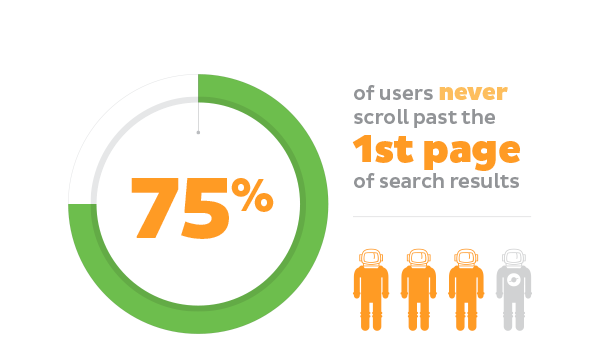
In the modern digital economy, visibility is the ultimate currency. With over 3.5 billion searches executed daily, Google remains the undisputed gateway to consumer intent. Yet, the brutal reality of search engine optimization (SEO) is underscored by a sobering statistic: 75% of users never scroll past the first page of search results.
As veteran copywriter Brian Clark famously quipped, "The best place to hide a dead body is page 2 of the Google search results."
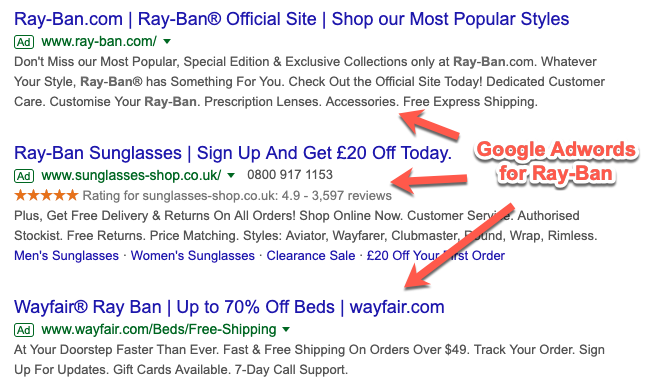
Achieving a first-page ranking is no longer just a digital marketing milestone; it is a foundational requirement for business survival. However, capturing that digital real estate has grown exponentially more complex. Modern Search Engine Results Pages (SERPs) are no longer simple lists of ten blue links. They are dynamic, hyper-competitive ecosystems dominated by Pay-Per-Click (PPC) advertisements, Local Map Packs, Featured Snippets, Knowledge Panels, and related question carousels.
This comprehensive investigative report outlines thirteen battle-tested strategies, actionable templates, and technical insights. It reveals how businesses can tailor their SEO frameworks to conquer page one—whether through direct website optimization or innovative off-site positioning.

Detailed Chronology: 13 Proven Ways to Secure First-Page Visibility
Navigating the intricacies of modern SEO requires a systematic approach. While some strategies yield rapid, high-impact results, others demand sustained technical execution.

1: Capitalize on Existing Keyword "Low-Hanging Fruit" (24-Hour Win)
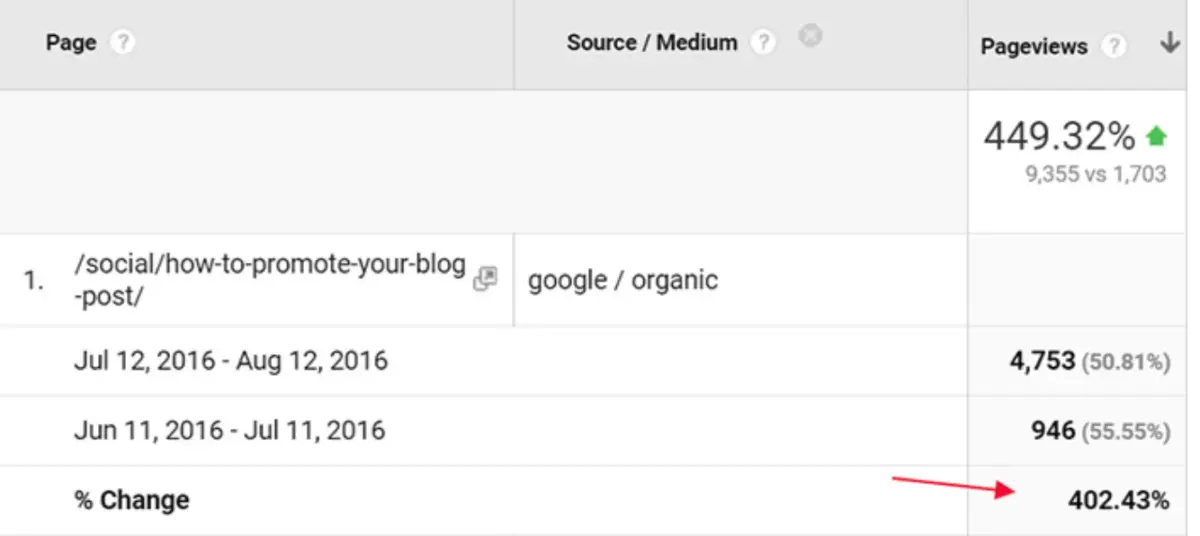
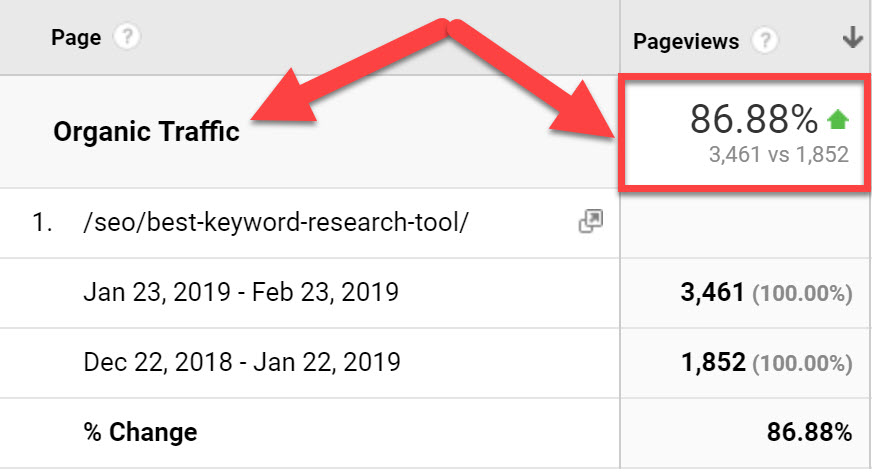
Traditional keyword research focuses almost exclusively on creating new content. However, one of the fastest ways to spike organic traffic—sometimes by over 400% month-over-month—is to optimize existing content that is already ranking on the cusp of page one.

- Step 1: Identify Low-Hanging Fruit: Utilizing tools like Semrush, pull your domain’s organic research report. Apply a custom position filter ranging from 6 to 20. This instantly strips away noise, leaving you with high-intent queries currently languishing on the bottom of page one or page two.
- Step 2: Layer Advanced Filters: Refine your dataset by adding minimum search volume thresholds, maximum Keyword Difficulty (KD%) caps, and a minimum word count (e.g., queries with 3+ words).
- Step 3: Prioritize and Export: Focus on bottom-of-the-funnel "money" keywords first before moving up to informational queries. Export these targets into a tracking spreadsheet, assess the competitive landscape, and relaunch optimized pages with richer content, updated statistics, and enhanced internal linking.
2: Find and Eliminate Keyword Cannibalization
Keyword cannibalization occurs when multiple pages on a single domain compete for the exact same search query. Far from doubling your chances, this splits backlinks, divides social shares, and confuses search engine crawlers—frequently resulting in Google ignoring both pages entirely.
- The Remediation Process: Export your site’s organic position report into a tracking template to expose overlapping URL rankings.
- The Fix: If competing pages offer unique value, consolidate them into a single, authoritative canonical resource and implement a 301 redirect from the discarded URL. If the competing page offers no unique value, safely prune and delete it.
3: Seize "Position Zero" with Featured Snippets
Ranking #1 organically is fantastic, but capturing Position Zero—the Featured Snippet—steals an estimated 8.6% of clicks directly from the top-ranking organic result. Audit your site for queries where you already rank in positions 2 through 10, extract competitor formatting structures (paragraphs, bulleted lists, or comparison tables), and restructure your content to provide direct, concise answers to those specific search queries.

4: Dominate the Local Map Pack
For location-based businesses, organic blue links are only half the battle. Google’s Local Map Pack frequently commands prime real estate at the top of the SERP, even without explicit "near me" modifiers. According to official guidelines, local rankings depend heavily on three core pillars: Relevance, Distance, and Prominence. Optimizing your Google Business Profile and building local citations are non-negotiable steps to capture this traffic.
5: Target Low-Competition, High-Intent Long-Tail Keywords
Long-tail keywords feature lower individual search volumes but exhibit significantly higher conversion intent. By mining Semrush or Google’s Keyword Magic Tool for long-tail variations and question-based modifiers (e.g., "how to," "what is"), brands can capture highly qualified traffic that bypasses the fierce competition of broad head terms.

6: Leverage "Barnacle SEO"
When multi-billion-dollar authorities like TripAdvisor, Zillow, or Avvo dominate specific niches, attempting to outrank them out-of-the-gate is futile. Instead, practice Barnacle SEO—a strategy coined by Will Scott. By embedding your brand, services, or optimized resources directly into high-ranking industry directories, review sites, and active forum threads (such as Quora), you effectively attach your business to platforms already dominating page one.

7: Deploy "Parasite SEO" for Ultra-Competitive Markets
Similar to Barnacle SEO, Parasite SEO involves publishing comprehensive, value-driven content directly onto high-authority third-party publications or media platforms. This allows agile brands to piggyback on established domain trust, ranking instantly for hyper-competitive "money" keywords that would otherwise take years of independent link-building to achieve.

8: Rigorously Match Content Types to SERP Intent
A common SEO failure is targeting a keyword with the wrong content format. If searchers looking for "interactive infographics" are consistently served long-form listicles by Google, publishing a product page will yield zero traction. Always inspect the SERP before writing: if Google favors videos, how-to guides, or category grids, your content asset must match that precise format.

9: Accurately Qualify Targets Using Page-Level Link Signals
Domain Authority is a broad metric; page-level authority dictates true ranking power. Studies consistently show a strong correlation between page-level referring domains and first-page rankings. Before committing resources to a target keyword, analyze the Authority Score (AS) and unique referring domains of the current top-ten URLs. Unless your asset can match or strategically out-maneuver those metrics through superior content relevance, pivot to less saturated targets.

10: Aggressively Build Page-Level Authority
To outrank entrenched competitors, you must systematically build authority to your specific URLs. Key tactics include:

- Competitor Backlink Replication: Mine competitor backlink profiles for high-quality, text-based follow links and pitch your superior asset.
- Backlink Gap Analysis: Identify linking domains that reference your competitors but ignore your site.
- Strategic Internal Linking: Pass link equity from your site’s highest-authority pages down to newly published assets via relevant, contextual internal links.
11: Expand Your Organic Footprint with Semantic Secondary Keywords
A single well-optimized page can rank for thousands of related terms. By running semantic keyword expansions via keyword research tools, you can weave secondary variations and related phrases into your content, expanding your organic footprint and capturing vast secondary search traffic.
12: Adopt a Mobile-First and Core Web Vitals Mindset
With Google enforcing mobile-first indexing, a sub-par mobile experience actively damages both mobile and desktop rankings. Ensure your site is fully responsive, passes Google’s Mobile-Friendly Tests, and optimizes page-loading speeds using insights from Google PageSpeed Insights and GTmetrix.
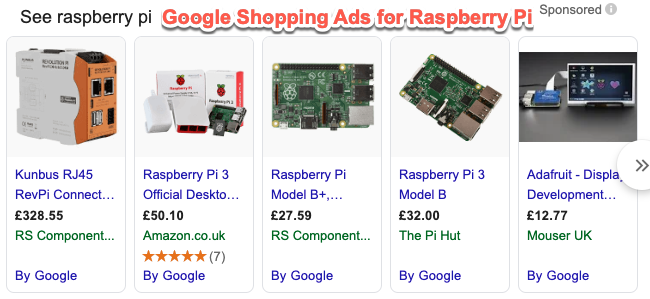
13: "Pay to Play" via Strategic Paid Search Integration
While organic SEO builds long-term equity, paid strategies—such as Google Text Ads, Local Map Ads, and sponsored

placement on trusted review aggregators (e.g., G2, Avvo)—provide immediate visibility. Leveraging competitor ad history reports allows marketers to identify long-running, high-converting ad keywords without wasting budget on trial and error.

Supporting Context & Metrics
To contextualize the scale of optimization required, digital analysts point to several empirical datasets:

- The 75% Drop-off: Roughly three-quarters of users terminate their search journey on page one.
- The Position Zero Advantage: Capturing a Featured Snippet extracts noticeable click-through rate (CTR) volume away from the primary #1 organic position.
- Referral Dominance: In competitive cases (such as Matt Barby’s app maker campaign), strategic off-site positioning can drive tens of thousands of targeted referral visits and thousands of user conversions in fractions of the time required for standalone domain growth.
Official Statements and Industry Insights
Search engine optimization authorities emphasize that modern ranking algorithms reward user satisfaction above all else. Google’s continuous algorithmic updates—from mobile-first indexing mandates to emphasis on helpful, people-first content—signal a clear directive: Understand search intent, match content formats to user expectations, and build undeniable topical authority.

As industry experts reiterate throughout this report, execution speed matters just as much as technical precision. Utilizing tools like Google Search Console’s URL Inspection tool to manually request immediate re-indexing ensures that fresh optimizations and newly launched assets enter Google’s priority crawl queues without delay.

Future Outlook
As artificial intelligence and conversational search reshape the digital landscape, the definition of "page one" will continue to evolve. Features like generative search experiences and zero-click information summaries place an even heavier premium on authoritative citations, structured data markup, and multi-channel visibility (encompassing organic, local, social, and paid touchpoints).

Brands that succeed tomorrow will not rely on a single tactic. They will adopt a hybrid, agile framework—combining technical precision, rapid content optimization, strategic off-site partnerships (Barnacle and Parasite SEO), and a relentless focus on user intent. Take these thirteen strategies one step at a time, rigorously monitor your metrics, and engineer your digital footprint to dominate the modern search engine results page.
