

Executive Overview
In the fast-paced, hyper-competitive landscape of global quick-service restaurants and specialty beverage retail, few corporate turnarounds are being watched as closely as that of Starbucks. Two years into its aggressive "Back to Starbucks" transformation plan, the coffee giant is demonstrating tangible, data-backed momentum. Most notably, global comparable sales surged by an impressive 7.9% in the previous quarter, signaling that the structural and cultural overhaul initiated by leadership is resonating deeply with consumers.
Behind this financial rebound lies a deliberate alignment of operational improvements and creative brand reinvention. Starbucks has systematically focused on revitalizing its in-store environments—making its coffeehouses more inviting, functional, and warm—while simultaneously streamlining operational efficiency to ensure consistent, reliable service across its massive global footprint. However, corporate executives are quick to point out that logistics and store layout alone could not carry the weight of the turnaround. Marketing has played an instrumental role in driving this growth, acting as the narrative engine that translates operational changes into emotional consumer connections.
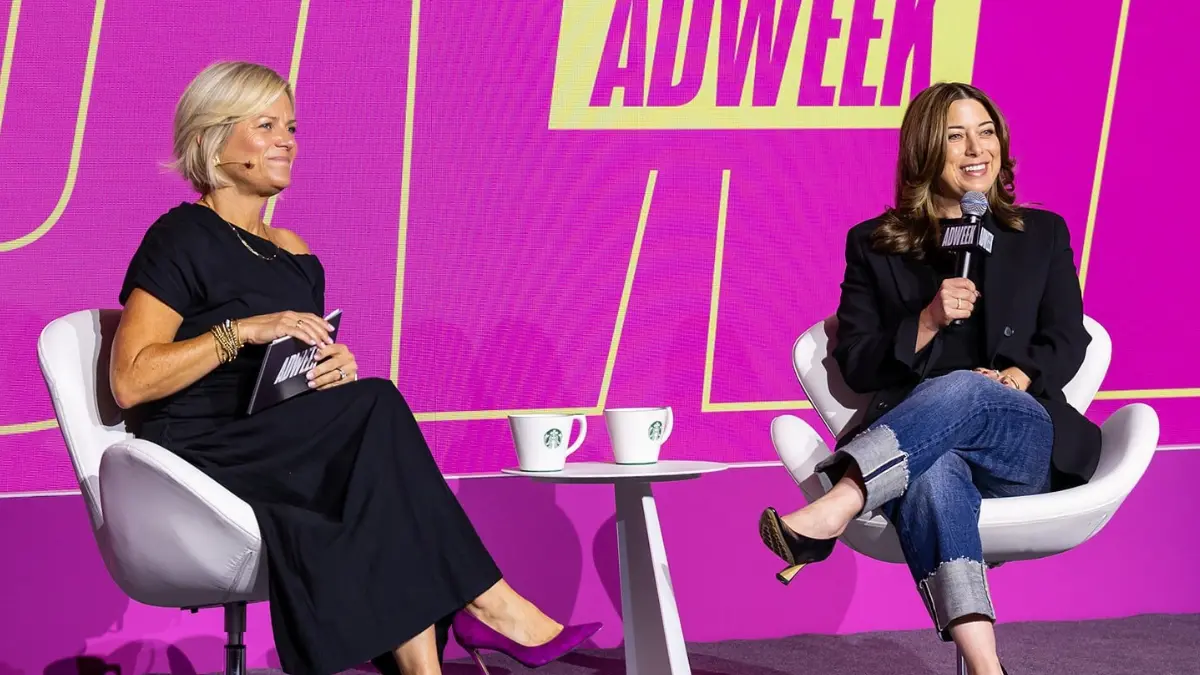
This strategic evolution took center stage at Brandweek in Atlanta, where Starbucks Chief Brand Officer Tressie Lieberman sat down with ADWEEK Chief Brand Officer and Community Officer Jenny Rooney. Their unscripted conversation offered a rare, candid look inside the boardroom and marketing studios of Seattle. Lieberman pulled back the curtain on a sobering corporate reality: when she stepped into her role in 2024, the brand felt to many insiders and loyalists as though it had "lost a bit of soul."
What followed was a diagnostic and creative reimagining aimed at striping away corporate bloat, refocusing on the core rituals of coffee craftsmanship, and leaning into the cultural resonance that made Starbucks a household name in the first place. This comprehensive report explores the chronology of the transformation, examines the performance metrics steering the recovery, analyzes official leadership insights, and projects the long-term outlook for the world’s most ubiquitous coffee brand.
Detailed Chronology: The Road to Transformation
To understand where Starbucks is today, it is necessary to examine the trajectory that led to the "Back to Starbucks" initiative. For years, the brand had leaned heavily into digital acceleration, mobile ordering apps, drive-thru speed, and transactional efficiency. While these innovations initially boosted convenience metrics and catered to a post-pandemic consumer base demanding instant gratification, they inadvertently introduced systemic friction.
The Seeds of Disconnection (2022–2023)
As mobile order-ahead volume skyrocketed, Starbucks stores increasingly transformed into assembly lines rather than community sanctuaries. Long lines of frustrated mobile-app users crowded pick-up counters, colliding with delivery couriers and dwindling walk-in customers. The sensory experience of the coffeehouse—the aroma of freshly ground beans, the chalk-drawn menus, the tactile engagement with baristas, and the ambient invitation to sit and stay awhile—began to erode.
By late 2023, internal and external metrics signaled growing consumer fatigue. Brand affinity scores dipped slightly among core loyalists who felt the experience had become overly mechanized. The human element, long considered Starbucks’ ultimate competitive moat, was being squeezed out by algorithmic efficiency.
The Shift and Diagnostic Phase (2024)
Recognizing the widening gap between corporate strategy and consumer sentiment, Starbucks initiated a leadership restructuring designed to put brand identity and customer experience back at the forefront. Enter Tressie Lieberman in 2024, tasked with diagnosing the brand’s ailments and spearheading a creative renaissance.
Upon arrival, Lieberman’s assessment was remarkably candid: the brand had lost its soul. The diagnostic phase required listening closely to both the consumer base and the frontline baristas. Starbucks realized that to fix the brand, it had to stop treating stores merely as fulfillment centers and start treating them as destinations once again.
Operational Realignment and Marketing Synergy (2025–Present)
The subsequent rollout of the "Back to Starbucks" plan was structured around two concurrent pillars:
- The Store Experience Revamp: Reinvesting in physical locations by decluttering pick-up zones, improving seating areas, optimizing barista deployment to reduce wait-time anxiety, and bringing back tactile elements of hospitality.
- Cultural Reclamation through Marketing: Moving away from purely functional, promotion-driven advertisements toward emotionally resonant campaigns that celebrate coffee culture, craft, and human connection.
This culminated in high-profile cultural touchpoints, such as cementing its position as a Super Bowl Monday tradition through high-visibility engagement offers, proving that the brand could successfully capture consumer attention outside of traditional holiday cycles.
Supporting Context & Metrics: Decoding the Turnaround
A corporate turnaround cannot rely on sentiment alone; it must be substantiated by hard financial and operational data. The metrics emerging from Starbucks’ financial reports validate the hypothesis that brand soul and commercial profitability are deeply intertwined.
Financial and Sales Indicators
- Global Comparable Sales Growth: The most staggering indicator of momentum is the 7.9% year-over-year increase in global comparable sales recorded last quarter. This metric demonstrates that customer frequency and average ticket sizes are expanding across mature markets.
- Traffic vs. Ticket Balance: Unlike quarters in previous years where growth was driven almost entirely by price increases (ticket size), the recent surge reflects a healthy recovery in transaction volume—meaning more people are physically walking through the doors and choosing Starbucks over burgeoning specialty competitors.
Marketing Efficiency and Brand Health Metrics
- Return on Ad Spend (ROAS): By pivoting from fragmented, discount-heavy digital campaigns to holistic brand-building narratives, Starbucks has optimized its marketing expenditures. The focus has shifted from buying short-term conversions to cultivating long-term customer lifetime value (LTV).
- Sentiment Analysis: Social listening and internal brand tracking indicate a measurable rebound in terms of brand warmth and relevance. Consumers are increasingly associating the brand once again with craftsmanship and comfort rather than corporate industrial efficiency.
| Metric Category | Pre-Transformation Era (2023) | Current Status (Post-Turnaround) | Strategic Driver |
|---|---|---|---|
| Global Comp Sales | Sluggish / Flat growth | +7.9% last quarter | Store environment updates & consistent service |
| Store Experience | Congested, transactional, friction-heavy | Decongested zones, restored seating, barista support | Operational layout redesign & labor optimization |
| Brand Perception | Perceived as overly mechanized / "lost soul" | Refocused on human connection and craft | Narrative marketing & cultural event programming |
Official Statements and Insights: Perspectives from Brandweek
The dialogue between Starbucks Chief Brand Officer Tressie Lieberman and ADWEEK Chief Brand Officer Jenny Rooney at Brandweek in Atlanta provided a masterclass in modern brand stewardship. Rather than masking past missteps, Lieberman leaned into transparency, offering a blueprint for how legacy brands can course-correct without losing their foundational identity.
Reflecting on her arrival at the company in 2024, Lieberman did not mince words regarding the internal state of affairs:
"When I joined, the brand felt like it had lost a bit of soul. So it was very simple: we needed to figure out how to get back to what made us iconic in the first place."
Lieberman emphasized that the core challenge was not a lack of consumer demand for coffee, but rather a dilution of the emotional contract between the brand and its patrons. For decades, Starbucks had succeeded not simply because it sold caffeinated beverages, but because it provided a reliable "Third Place"—a physical environment distinct from home and work where people could gather, work, or find a moment of peace.
During the Brandweek conversation, Lieberman highlighted how modernizing a legacy brand requires balancing digital utility with analog comfort:
- Honoring the Craft: Shifting marketing narratives to highlight the artistry of the barista and the provenance of the bean, rather than just speed and convenience.
- Simplifying the Message: Cutting through the noise of overly complex corporate promotions to deliver clear, inviting, and emotionally resonant invitations to consumers.
- Empowering the Frontline: Acknowledging that the true guardians of the Starbucks soul are the baristas on the ground, whose daily interactions dictate brand perception far more than any billboard or digital ad.
Future Outlook: Sustaining Momentum in a Crowded Market
As Starbucks enters the next phase of its "Back to Starbucks" journey, the focus shifts from initial recovery to long-term sustainability. While a 7.9% lift in global comparable sales is a powerful proof-of-concept, maintaining this momentum in an increasingly volatile macroeconomic and competitive environment will require disciplined execution.
Key Strategic Imperatives for the Future
- Navigating Digital Integration Without Alienating the Walk-In Customer:
The company must continue to refine its mobile app and ordering algorithms to prevent digital bottlenecks inside stores. Striking the right balance between digital efficiency and in-store hospitality will remain an ongoing operational tightrope walk. - Deepening Cultural Relevance Among Younger Demographics:
Gen Z and Millennial consumers demand authenticity, ethical sourcing, and experiential value. Starbucks’ marketing will need to continually evolve, aligning with cultural moments—such as its successful Super Bowl Monday initiatives—to stay top-of-mind without feeling forced. - Elevating the Product Portfolio:
Beyond the core espresso and coffee beverages, continuous innovation in seasonal offerings, cold foam variations, and functional beverages will be necessary to capture changing dietary and taste preferences. - Workforce Investment:
Because the brand’s soul is ultimately delivered by human hands, ongoing investments in barista training, wage stability, and workplace culture will be non-negotiable. Happy baristas create welcoming spaces; welcoming spaces drive repeat customers.
Conclusion
The "Back to Starbucks" transformation plan serves as an inspiring case study for legacy brand stewardship across the global corporate landscape. By possessing the institutional courage to admit when a brand has drifted from its foundational identity, and by executing a synchronized strategy linking operations, store design, and soul-centered marketing, Starbucks has successfully rewritten its trajectory.
As Tressie Lieberman and her leadership team look ahead, the blueprint is clear: honor the past, respect the frontline, and never let the mechanics of business eclipse the human connection that brews within every cup. If the recent financial metrics and cultural re-engagement are any indication, the green siren is once again singing in harmony with her loyal audience.