

Executive Overview
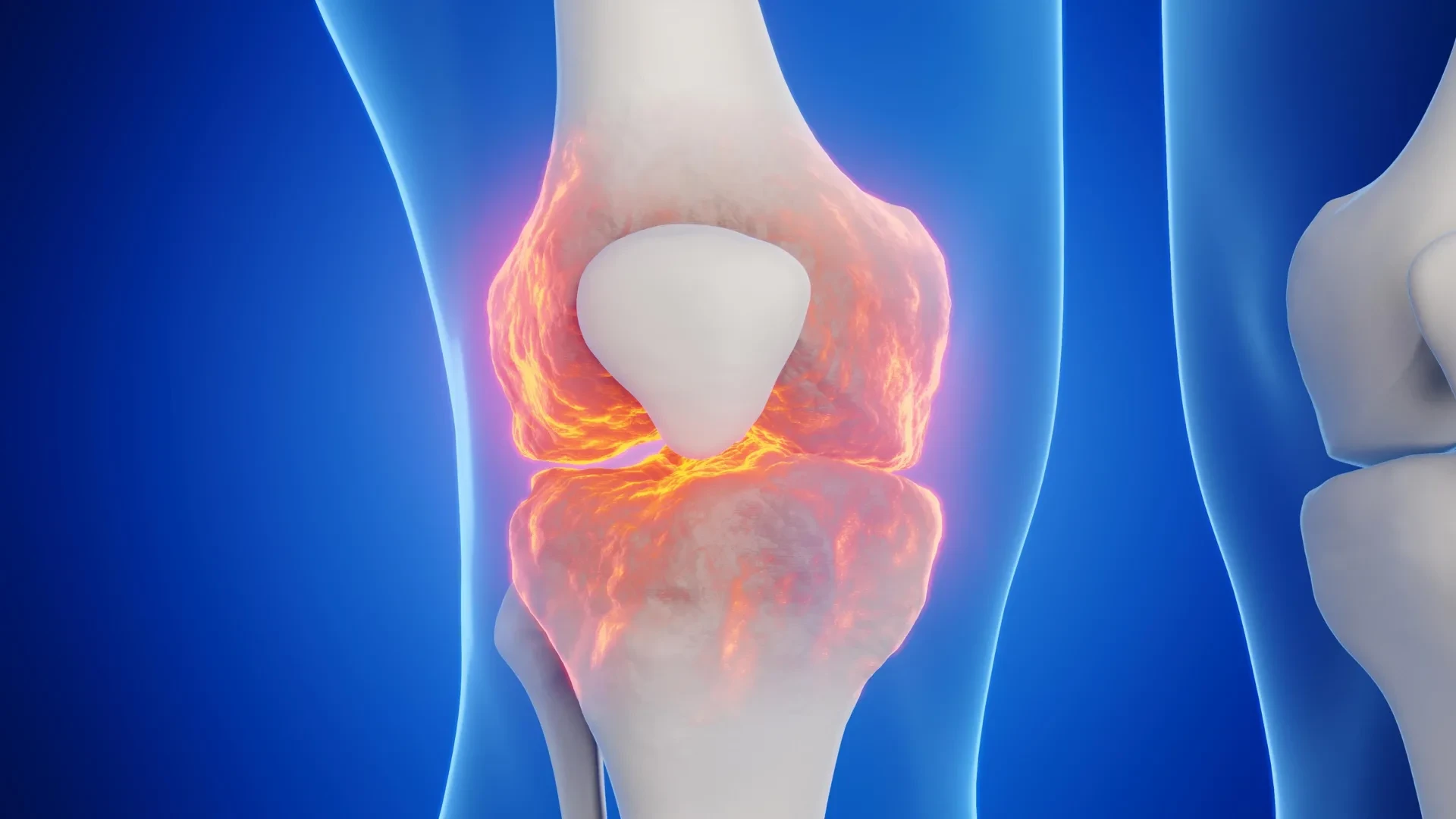
For the estimated 15 million Americans—and countless more globally—living with the debilitating daily reality of knee osteoarthritis (OA), routine physical actions such as walking down a grocery aisle, climbing a flight of stairs, or rising from a low sofa can transform into excruciating ordeals. This chronic degenerative joint disease wears away the protective cartilage cushioning the ends of bones, resulting in friction, bone spurs, swelling, and severe, unyielding pain.
While physicians have long recognized that excess body weight exacerbates this load-bearing joint stress, achieving and maintaining the level of weight loss required to alter the disease trajectory through conventional lifestyle interventions alone remains a monumental hurdle for most patients.
Now, a transformative horizon in musculoskeletal and metabolic medicine has come into view. Data from two major, simultaneous Phase 3 clinical trials—collectively encompassing over 1,000 participants and led by researchers at Northwestern University—demonstrate that the experimental injectable weight-loss medication retatrutide can deliver staggering results. Patients receiving the highest therapeutic doses of retatrutide lost an average of roughly 25% of their total body weight. More importantly for joint health, roughly two-thirds (approximately 66%) of those treated with the drug reported a reduction in knee pain of 50% or greater, compared to just 38% of participants who received a placebo.
Beyond weight loss and drastic reductions in joint pain, secondary health markers improved significantly. Participants exhibited notable drops in systemic inflammation, blood pressure, and blood lipid profiles. These findings, published on November 8 in the New England Journal of Medicine (NEJM), signal a potential paradigm shift. If approved by the U.S. Food and Drug Administration (FDA), retatrutide could offer a powerful new therapeutic frontier for millions of individuals trapped in the vicious cycle of obesity and degenerative joint disease.
Detailed Chronology: Unveiling the Clinical Trial Data
The journey toward these remarkable findings culminated on November 8, when the medical community converged in Orlando, Florida, for the annual meeting of the American College of Rheumatology, alongside the simultaneous publication of the study in the NEJM.
The TRIUMPH Trials Unfolded
The clinical evaluation of retatrutide for knee osteoarthritis was executed through two primary Phase 3 trials: TRIUMPH-4 and TRIUMPH-1-OA. Together, these trials enrolled more than 1,000 carefully screened participants who suffered from both obesity (or significant overweight status) and symptomatic, painful knee osteoarthritis.
- TRIUMPH-4 Results Presented: On November 8, Dr. Philip Conaghan, a study co-author and professor of musculoskeletal medicine at the University of Leeds in the United Kingdom, stepped up to the podium at the American College of Rheumatology annual meeting in Orlando to present the primary data from the TRIUMPH-4 trial.
- TRIUMPH-1-OA Presentation: Findings from the companion study, TRIUMPH-1-OA, were showcased during a dedicated poster session later that same day, providing a comprehensive data set that confirmed and expanded upon the outcomes observed in TRIUMPH-4.
Quantifying the Relief
The trials utilized rigorous, standardized metrics to measure patient progress. Researchers relied on the Western Ontario and McMaster Universities Arthritis Index (WOMAC) Pain index, a globally accepted gold standard for quantifying osteoarthritis symptoms. During clinical visits, participants ranked their pain levels on a scale from 0 to 10. To ensure accuracy and eliminate recall bias, patients also utilized dedicated mobile applications to log their daily pain scores throughout the duration of the trials.
When data from both trials were synthesized, the magnitude of the response became clear:
- Weight Loss Magnitude: Participants on the highest dosage regimen of retatrutide shed an average of approximately 25% of their baseline body weight. Lead investigators noted that several individuals dropped 100 pounds or more over the course of the study.
- Pain Reduction Threshold: Approximately 66% of the retatrutide cohort achieved at least a 50% reduction in WOMAC-measured knee pain. In stark contrast, only 38% of the placebo group reached this same milestone of clinical improvement.
- Systemic Biometric Improvements: Beyond joint relief, clinicians recorded substantial ameliorations in secondary cardiovascular and metabolic risk factors, including lowered systolic and diastolic blood pressure, improved lipid panels, and suppressed systemic inflammatory markers.
Supporting Context & Metrics: The Scale of the Crisis and the Science of Retatrutide
To fully appreciate the clinical significance of the retatrutide trials, one must examine the epidemiological landscape of knee osteoarthritis and the unique pharmacological properties of this next-generation therapy developed by pharmaceutical giant Eli Lilly.
The Staggering Burden of Knee Osteoarthritis
Knee osteoarthritis is not merely a normal consequence of aging; it is a complex whole-joint disease. In the United States alone, symptomatic knee osteoarthritis affects roughly 5% of the population—amounting to approximately 15 million people.
The current armamentarium of treatments is vast, yet often limited in long-term efficacy:
- Conservative Measures: Physical therapy, topical non-steroidal anti-inflammatory drugs (NSAIDs), and oral medications such as ibuprofen or diclofenac sodium (Voltaren).
- Advanced Interventions: Corticosteroid injections and opioid analgesics. While steroid injections can offer profound relief, their therapeutic window is notoriously short-lived, typically wearing off within weeks or a few months.
- Surgical Options: Total knee replacement surgery remains the ultimate recourse for end-stage joint destruction, carrying substantial recovery times, surgical risks, and healthcare costs.
For decades, physicians have emphasized weight loss as a foundational treatment. Clinical literature demonstrates that shedding just 5% to 10% of total body weight through calibrated diet and exercise regimens can yield measurable improvements in knee pain and joint function. However, Dr. Thomas Schnitzer, professor of physical medicine and rehabilitation, anesthesiology, and rheumatology at the Northwestern University Feinberg School of Medicine and corresponding author of the study, highlights the Catch-22 inherent in this approach: “Losing more than 10% through these approaches alone is often exceptionally challenging. For people already struggling with painful knees, exercising enough to achieve substantial weight loss can be physically agonizing and nearly impossible.”
How Retatrutide Differs from Current GLP-1 Medications
While GLP-1 receptor agonists such as semaglutide (Wegovy, Ozempic) and tirzepatide (Zepbound, Mounjaro) have revolutionized the obesity treatment landscape—typically achieving weight reductions of 10% to 20% by acting on one or two hormone receptors—retatrutide represents a major evolutionary leap.
Often dubbed a "triple-agonist," retatrutide is an experimental, once-weekly injectable medication that activates receptors for three distinct, naturally occurring metabolic hormones:
- Glucagon-like peptide-1 (GLP-1)
- Glucose-dependent insulinotropic polypeptide (GIP)
- Glucagon
By simultaneously engaging these three pathways, retatrutide accelerates energy expenditure and appetite suppression to a degree not previously seen in clinical pharmacology. Scientists from Eli Lilly, who participated as co-authors on the research papers, designed the molecule to harness this multi-hormonal synergy. The resulting weight loss—averaging 20% to 25%—directly translates to an unprecedented reduction in the mechanical load borne by the knee joints.
Official Statements and Expert Analysis
The medical community has responded to the publication of the NEJM data with a mixture of profound optimism and grounded scientific caution.
"The findings are really saying for people who are overweight and have OA, if you lose a significant amount of weight with this treatment, there is a good chance that you’re going to get a meaningful reduction in your knee pain," stated Dr. Thomas Schnitzer of Northwestern University.
Elaborating on the mechanics of this relief, Schnitzer added: "A major factor is that you’re loading your knees less and therefore, there’s less pain, and it allows you to increase your function." Reflecting on the sheer magnitude of patient transformation, he noted, "Participants had remarkable responses. Many of the people in this study lost considerable amounts of weight, with a few losing up to a hundred pounds or more."
At the same time, experts underscore that pharmacology should not entirely eclipse foundational lifestyle modifications. Schnitzer firmly maintains that improving eating habits, ramping up physical activity, and making sustainable lifestyle adjustments must remain the first line of defense.
"These strategies also avoid side effects associated with GLP-1 drugs, including gastrointestinal problems and muscle loss," Schnitzer explained.
Preserving lean muscle mass is of paramount importance for individuals managing knee osteoarthritis. The quadriceps, hamstrings, and surrounding musculature act as vital natural shock absorbers and stabilizers for the knee joint. Rapid, unmonitored weight loss that strips away muscle mass could inadvertently destabilize the joint, creating secondary clinical challenges.
Future Outlook: Unanswered Questions and the Road Ahead
While the results of the TRIUMPH trials mark a watershed moment in rheumatology and metabolic health, lead investigators emphasize that this research represents a critical opening chapter rather than a finalized playbook. Several profound clinical questions remain to be answered by subsequent investigations.
1. Can Retatrutide Slow or Halt Disease Progression?
Perhaps the single most critical unanswered question is whether retatrutide does more than simply mask or alleviate symptoms. Researchers do not yet know whether the drug can fundamentally alter the structural pathology of knee osteoarthritis—specifically, whether significant weight loss and systemic anti-inflammatory action can slow cartilage degradation enough to defer or eliminate the need for total knee replacement surgery. (It is worth noting that patients who already required immediate knee replacements were explicitly excluded from the Phase 3 trials).
"That would be the goal here," Schnitzer remarked, "to say you can reduce people’s pain, and you can stop the progression of their osteoarthritis."
2. Efficacy in Non-Overweight Patients
The current trials focused exclusively on individuals struggling with both obesity and knee osteoarthritis. Consequently, it remains entirely unknown whether retatrutide could offer similar pain-relieving benefits to non-overweight or normal-weight patients who suffer from primary osteoarthritis due to trauma, genetics, or wear-and-tear. Further clinical studies will be required to explore this demographic.
3. Disentangling Weight Loss from Anti-Inflammatory Effects
Another compelling avenue for ongoing scientific inquiry involves dissecting the precise mechanism of pain relief. While mechanical unloading (less physical weight pressing down on the joint) is undeniably a major driver of reduced pain, scientists suspect that retatrutide’s broader biological profile plays an independent role.
"These drugs are believed to have significant anti-inflammatory activity, but the mechanism is not entirely known," Schnitzer noted. "Whether cutting down inflammation in the joint is also important in addition to reducing load needs more research, so this is still a first step, in my view. I’ve been working in the OA field for a long time, and I think this opens up opportunities to do a lot more studies to understand the condition better."
Conclusion
For millions of patients whose lives have been systematically narrowed by the relentless pain of knee osteoarthritis, retatrutide offers a powerful glimmer of hope. By bridging the gap between metabolic endocrinology and musculoskeletal medicine, these Phase 3 clinical trials demonstrate that profound weight loss is no longer an insurmountable barrier for those with damaged joints. As researchers continue to parse out structural disease-modifying potential and anti-inflammatory pathways, patients and clinicians alike await FDA review, looking toward an era where managing osteoarthritis pain is no longer just about coping with symptoms, but fundamentally transforming physical health.
