

Executive Overview
For decades, the global food and beverage industry has marketed sugar substitutes as a silver bullet for modern health crises. Consumers seeking to escape the well-documented perils of refined table sugar—glucose and fructose—have eagerly embraced products sweetened with aspartame, sucralose, and sugar alcohols like sorbitol. These alternatives promise the familiar sensory experience of sweetness without the caloric load, blood sugar spikes, or insulin surges associated with traditional sucrose.
However, a growing body of investigative nutritional science is dismantling the comforting assumption that these synthetic and alternative sweeteners are biologically inert. A groundbreaking study published in the journal Science Signaling introduces alarming new evidence regarding sorbitol, a widely utilized sugar alcohol found in everything from "sugar-free" chewing gum and diet candies to pharmaceuticals and naturally occurring stone fruits.
Led by Dr. Gary Patti, the Michael and Tana Powell Professor of Chemistry in Arts & Sciences and of Genetics and Medicine at Washington University in St. Louis (WashU Medicine), the research demonstrates that sorbitol is metabolically perilous. Far from passing harmlessly through the digestive tract—a long-held dogma of nutritional science—sorbitol is positioned just "one transformation away from fructose." When ingested in high quantities, or when synthesized internally by the gut following a high-glucose meal, sorbitol can bypass natural biological defenses and make its way directly to the liver. Once there, it can be converted into derivatives of fructose, potentially contributing to the very metabolic dysfunctions—such as steatotic liver disease and accelerated cellular growth pathways—that consumers actively try to avoid.
This investigative report explores the complex biochemistry of sorbitol, detailing how gut microbes serve as a fragile protective filter, why modern diets can easily overwhelm these biological mechanisms, and what this means for the multi-billion-dollar "sugar-free" industrial complex.
Detailed Chronology of the Discovery
The journey toward understanding the hidden metabolic risks of sorbitol did not begin in a confectionery aisle, but rather in the meticulous biochemical labs of WashU Medicine, where researchers have spent years mapping the hidden pathways of sugar metabolism.
Phase 1: Unmasking Fructose and the Liver
For several years, Dr. Gary Patti’s laboratory has focused intensely on how fructose is processed within the human body. While glucose can be utilized by virtually every cell in the body for immediate energy, fructose is metabolized primarily by the liver. Previous investigations from the Patti lab revealed alarming insights into this process:
- Cancer Promotion: The metabolic byproducts of fructose processing can be hijacked by cancer cells, providing biochemical building blocks that actively promote tumor growth.
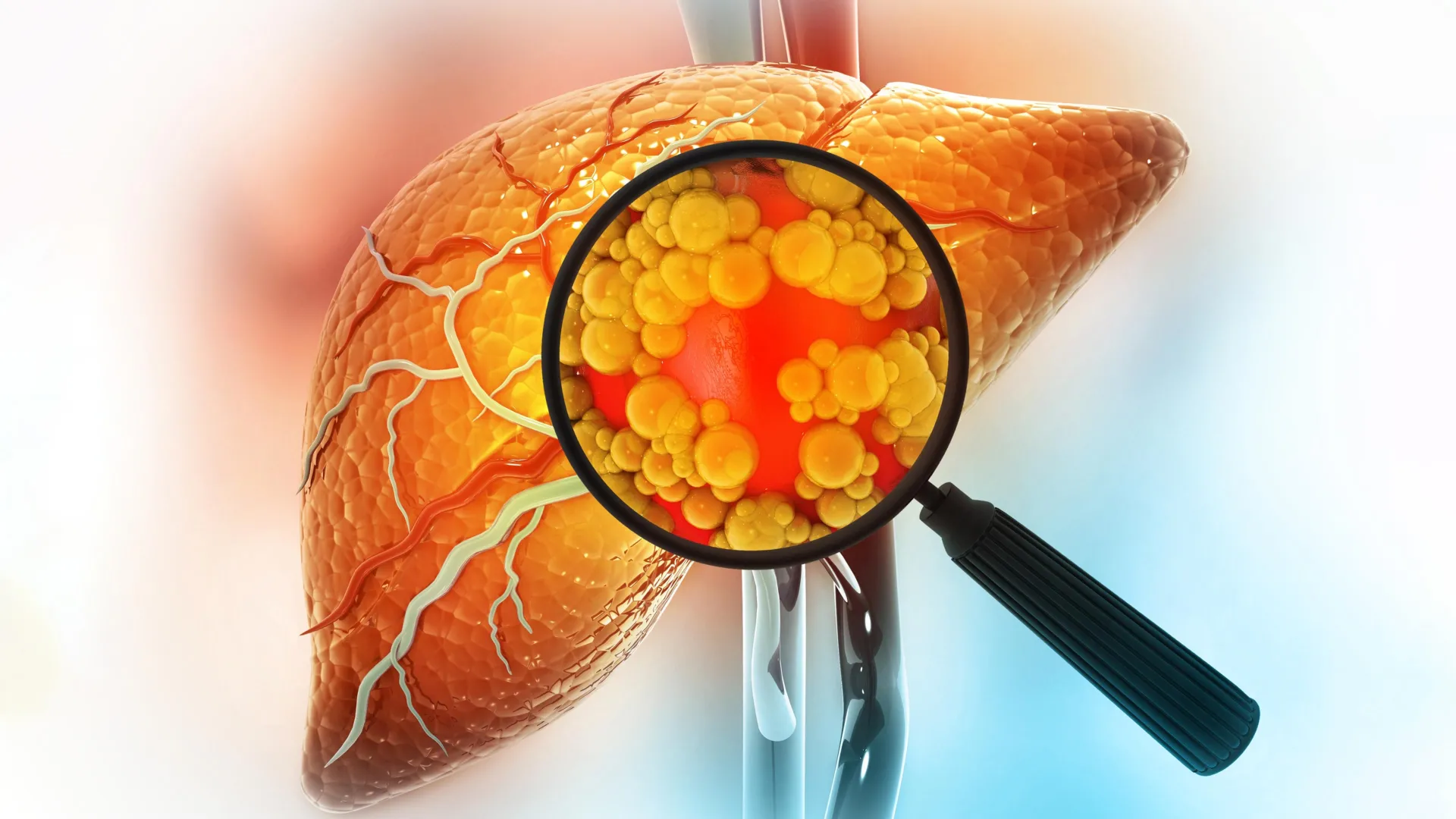
- Liver Disease: Fructose has been increasingly implicated as a primary driver of metabolic dysfunction-associated steatotic liver disease (MASLD)—formerly known as non-alcoholic fatty liver disease (NAFLD). This condition, characterized by the dangerous accumulation of excess fat in the liver, now affects approximately 30% of adults worldwide, fueling an epidemic of cirrhosis and liver failure.
Understanding that fructose posed severe health threats when consumed in excess, Patti and his team naturally turned their attention to structurally similar compounds, setting the stage for their recent investigation into sorbitol.
Phase 2: Tracing Sorbitol in Zebrafish Models
To determine the exact biological fate of sorbitol inside a living organism, the researchers turned to zebrafish models. Sorbitol is a polyol (sugar alcohol) naturally present in stone fruits like peaches, plums, and cherries, but it is heavily manufactured as a synthetic additive in low-calorie and diabetic-friendly foods.
Using advanced tracing techniques, the team monitored how ingested sorbitol moved through the gastrointestinal tract and into systemic circulation. Contrary to the prevailing medical consensus—which held that sugar alcohols are poorly absorbed and largely excreted—the researchers observed that sorbitol traveled far beyond the digestive system.
- "We do absolutely see that sorbitol given to animals ends up in tissues all over the body," Dr. Patti noted.
Phase 3: The Endogenous Pathway (Glucose-to-Sorbitol Conversion)
Perhaps the most startling discovery of the Science Signaling study was that humans do not need to consume sorbitol directly for it to present a metabolic risk.
Historically, medical science associated internal sorbitol production strictly with pathology, specifically diabetes. In diabetic states, chronically elevated blood glucose levels force an enzyme (aldose reductase) to convert excess glucose into sorbitol, a process known to cause diabetic complications like neuropathy and retinopathy because the enzyme has a low affinity for glucose and only triggers at high concentrations.
However, the WashU experiments revealed a paradigm shift: diabetes is not required to trigger this pathway. The team discovered that even in healthy individuals, localized glucose concentrations inside the gut can spike dramatically immediately following a carbohydrate-rich meal. These post-prandial spikes are high enough to activate intestinal enzymes, leading to significant endogenous production of sorbitol right inside the gut.
Phase 4: The Gut Microbiome as a Gatekeeper
Faced with both dietary and internally synthesized sorbitol, what stops this sugar alcohol from flooding the liver? The answer lies in the human microbiome.
The researchers identified specific bacterial strains within the gut—most notably Aeromonas species—that possess the enzymatic machinery to degrade sorbitol. These beneficial microbes consume the sugar alcohol, breaking it down into harmless bacterial byproducts before it can cross the intestinal wall.
However, this protective mechanism is delicate and entirely dependent on microbial composition. If an individual lacks adequate populations of sorbitol-degrading bacteria, or if their microbiome has been altered by poor diet, antibiotics, or disease, the microbial safety net fails. Unchecked sorbitol slips past the intestinal barrier, enters the portal vein, and travels directly to the liver, where it is converted into fructose derivatives.
Supporting Context & Metrics: The "Sugar-Free" Illusion
To contextualize the gravity of these findings, one must examine the sheer ubiquity of sugar alcohols in the modern marketplace and the metabolic metrics governing human energy processing.
The Scale of Consumption
Sugar alcohols—including sorbitol, xylitol, mannitol, and erythritol—are consumed by millions of people daily. They are prized by food manufacturers for several functional reasons:
- Glycemic Index: They are absorbed more slowly than table sugar, resulting in a blunted glycemic response. This makes them staples in diabetic management.
- Caloric Reduction: While table sugar provides roughly 4 calories per gram, sugar alcohols typically provide between 1.5 and 3 calories per gram, aiding weight management initiatives.
- Dental Health: Unlike sucrose, oral bacteria cannot easily ferment sugar alcohols into the acids that cause tooth decay.
Despite these benefits, the human gut has a strict volumetric threshold for handling polyols. Consuming more than 10 to 20 grams of sorbitol at once frequently results in acute gastrointestinal distress, including osmotic diarrhea, cramping, and bloating, because unabsorbed sugar alcohols draw water into the intestinal lumen.
However, the Science Signaling study highlights a more insidious, sub-acute danger: long before acute osmotic distress occurs, high intakes of glucose and sorbitol can completely saturate the digestive tract’s processing capacity. When total load overwhelms both the microbiome’s ability to degrade sorbitol and the intestine’s absorptive limits, systemic spillover occurs.
Dr. Patti experienced this realization firsthand when checking the ingredient label of his own preferred protein bar, only to discover that it contained a massive dose of sorbitol hidden among a matrix of other sweeteners and emulsifiers.
Comparative Metabolic Pathways
| Sweetener Category | Primary Chemical Form | Primary Processing Organ | Primary Health Risk / Concern |
|---|---|---|---|
| Refined Glucose | Monosaccharide | Ubiquitous (All cells) | Insulin resistance, obesity, systemic inflammation |
| Refined Fructose | Monosaccharide | Liver | Steatotic liver disease (MASLD), cancer cell proliferation, hypertriglyceridemia |
| Sucrose (Table Sugar) | Disaccharide (Glucose + Fructose) | Liver & Systemic | Combines risks of both glucose and fructose |
| Sorbitol (Sugar Alcohol) | Polyol (Hydrogenated Glucose) | Intestine (Microbiome) & Liver | Can be converted to fructose derivatives if microbial filter is overwhelmed |
As the table illustrates, attempting to escape fructose by pivoting to sorbitol may ultimately land the body in the exact same metabolic biochemical destination.
Official Statements and Expert Perspectives
The implications of this research extend far beyond academic curiosity, striking at the heart of dietary guidelines issued by health organizations worldwide.
Dr. Gary Patti emphasizes that consumers and researchers alike must abandon the naive view that chemical substitutions are biologically neutral.
"There is no free lunch when searching for sugar alternatives," Patti asserts. "The body has evolved complex, interconnected metabolic networks. When you alter one pathway—such as substituting table sugar with a sugar alcohol—you do not simply bypass metabolism; you often redirect it through alternative channels that can lead to the exact same pathological endpoints, such as liver dysfunction."
The research team points out that the medical community has historically viewed sorbitol through a very narrow lens, pigeonholing it as a mere byproduct of hyperglycemic pathology in diabetics. By proving that normal, everyday dietary glucose spikes can generate substantial internal sorbitol loads, the WashU study forces a reevaluation of dietary safety standards.
Furthermore, nutritionists and gastroenterologists are taking note of the microbiome’s emerging role as a metabolic gatekeeper. The realization that gut bacteria can dictate whether a harmless dietary component becomes a liver toxin underscores the profound individuality of human metabolism. Two people can consume the exact same "sugar-free" protein bar or diet beverage, but due to differences in their microbial ecosystems, one person’s gut bacteria will safely neutralize the sorbitol, while the other person’s system will pass it directly to the liver.
Future Outlook: Navigating the Post-Sugar Era
As the food science community digests these findings, the path forward for both consumers and product developers will require a fundamental shift in strategy.
Implications for Clinical Practice and Public Health
- Revisiting Dietary Guidelines for Diabetics: Individuals managing diabetes or metabolic syndrome rely heavily on foods labeled "sugar-free" or "diabetic-friendly." If these products rely heavily on sorbitol and other polyols that can generate fructose-like liver stress, clinicians may need to advise patients to moderate total polyol intake, rather than viewing them as unlimited free passes.
- Microbiome-Targeted Nutrition: Understanding that gut microbes act as a protective barrier against dietary toxins opens the door for microbiome-based interventions. Future therapies may involve probiotic supplementation specifically designed to boost sorbitol-degrading bacterial strains in individuals suffering from metabolic disorders.
- Label Transparency: Food regulatory agencies, such as the U.S. Food and Drug Administration (FDA) and the European Food Safety Authority (EFSA), may face mounting pressure to require more detailed disclosures regarding the systemic fate of sugar alcohols, moving beyond simple calorie counts and laxative warnings.
Conclusion: A Call for Holistic Nutritional Science
The study from Washington University serves as a timely reminder that nature’s biochemical web is far more intricate than industrial food engineering. While alternative sweeteners will undoubtedly continue to play a role in reducing acute caloric intake and managing severe hyperglycemia, they are not a biological loophole.
As researchers continue to map the hidden journeys of polyols from the gut to the liver, the overarching lesson remains clear: true metabolic health cannot be achieved merely by swapping one chemical for another in a laboratory. It demands a holistic approach centered on whole foods, minimal processing, and a deep respect for the body’s complex biochemical limits.