

Executive Overview
In the sprawling, often misunderstood taxonomy of pomology, few fruit varieties command as much quiet respect—and invite as much seasonal mystique—as the classification known colloquially as "keeper" apples. To the uninitiated, the term sounds like the preamble to an eerie folklore tale, evoking images of mythical woodland fae trading enchanted fruit for human memory. Yet, behind the whimsical terminology lies a rigorous, scientifically fascinating biological process.
Unlike early-season summer varieties that experience a fleeting, ten-minute window of peak perfection before rapidly degrading into mealy mush, keeper apples are built for the long haul. They endure weeks or even months of storage, often undergoing profound chemical transformations that elevate their flavor profiles from mundane to magnificent.
This investigative review examines one of the most intriguing specimens of the late-season harvest: the Blue Pearmain, sourced directly from Vermont’s esteemed Scott Farm. Blending agricultural science, historical pomology, and an unvarnished critique of modern fruit-shaming internet hysteria, this report explores the chemistry of aging fruit, the structural integrity of dense-fleshed apples, and why patience remains the ultimate virtue in the orchard.
Detailed Chronology: From Blossom to Cold Storage
The life cycle of a keeper apple is a masterclass in botanical resilience. Understanding the Blue Pearmain requires tracing its trajectory from the sun-drenched branches of New England orchards to the dark, temperature-controlled quiet of winter storage.
Phase One: Late-Season Harvesting
Unlike their August counterparts—which prioritize immediate sugar spikes and rapid cellular breakdown—late-season apples develop slowly under crisp autumn skies. The Blue Pearmain harvested for this evaluation arrived from Scott Farm carrying the weight of a dense, heavy crop. Historically, apples maturing in October possess the structural fortitude necessary to withstand the transition from tree to basket, and ultimately to the consumer’s palate.
Phase Two: Transport and Ambient Acclimation
In the world of fine fruit, transit conditions matter. Following a journey that mirrored the multi-stop transit of elite heirloom varieties—moving from car trunk to hotel room, back to vehicle, and finally home—the specimen underwent a brief period of ambient stabilization. While many modern commercial operations rely on Industrially Controlled Cold Storage Units to suspend an apple’s metabolic clock in stasis, this particular Blue Pearmain received no such high-tech coddling. Instead, it relied purely on its native biochemical defenses.

Phase Three: The Transition to the Chill Chest
Upon initial consumption, the Blue Pearmain revealed itself to be a formidable entity—dense, structurally unyielding, and sporting a skin akin to treated leather. Recognizing that its peak flavor evolution lay ahead, the apple was consigned to a mid-humidity refrigerator drawer. This low-tech intervention mirrors traditional winter storage methods used for centuries: maintaining a cool, stable environment to slow down respiration rates, reduce ethylene gas production, and allow complex esters to steadily mature.
Supporting Context & Metrics: Pomology, Chemistry, and Internet Ignorance
To truly appreciate the Blue Pearmain, one must contextualize its unique physical characteristics within the broader framework of pomological science—while dispelling the viral misinformation that frequently plagues modern produce discussions.
The Science of "Elf Fuckery" (And Actual Plant Biochemistry)
Why do some apples improve with age while others rot? While it is tempting to attribute the phenomenon to woodland magic, the reality lies in complex biochemical machinery:
- Starch-to-Sugar Conversion: Keeper apples excel at breaking down starches into soluble sugars gradually over weeks and months.
- Ethylene Suppression: Varieties like the Blue Pearmain emit ethylene gas at a more controlled rate, preventing both self-destruction and the premature ripening of neighboring produce.
- Ester Synthesis: Over time, cellular processes convert aldehydes into complex esters. These volatile organic compounds are largely responsible for the sophisticated aromas that translate directly to our perception of taste.
Debunking the Digital Doom-Sayer
In an era where social media platforms frequently host unscientific panic, heirloom and specialty apples often fall victim to sensationalized ragebait.
- The Waxy Bloom: The characteristic "blue" or purplish-indigo hue of the Blue Pearmain is caused by a natural waxy epicuticular bloom. Far from being a toxic industrial chemical or a genetic mutation engineered by "Big Fruit," this wax is a botanical defense mechanism synthesized by the apple itself to prevent moisture loss and deter pests.
- Anti-Oxidation Paranoia: Similarly, online commentators frequently express alarm when certain varieties (such as the Cortland or specialized keepers) resist rapid browning when sliced. This is not the result of pharmaceutical tampering, but rather the deliberate breeding of low-polyphenol-oxidase traits designed to preserve visual and structural integrity.
Tasting Metrics and Physical Profile
Upon initial dissection, the Blue Pearmain presented distinct measurable traits:
- Density & Weight: Resembling a regulation baseball in size and heft, its cellular packing is exceptionally tight.
- Juice Factor: Moderate. It avoids the dry, mealy texture of poorly stored fruit without rendering itself a gusher.
- Flavor Architecture: A complex opening note of buttery vanilla and honeyed pear, deepening into fermented dimensions reminiscent of mead and blanc vermouth. The acid-to-sugar ratio leans firmly into a balanced 60/40 split.
- Textural Obstacles: The skin presents formidable resistance—described colloquially as "chewing a wallet"—while the flesh possesses a dense, slightly potato-adjacent firmness that demands respect from the jaw.
Official Statements and Expert Observations
Pomologists and heirloom orchardists have long championed the philosophy that certain apples are not meant for immediate, off-the-tree gratification. As observed in historical orchard management:

"An apple in August has a short life. An apple in October might be an apple you can still eat at Christmas."
According to fruit historians and keepers of heritage varieties—such as those cultivating the Arkansas Black, Black Oxford, and the legendary GoldRush (an apple famously unpalatable directly off the branch, yet transformed into a sun-kissed delicacy by spring)—patience is the defining variable in high-end fruit consumption.
Scott Farm in Vermont, the provenance of this specific Blue Pearmain, serves as a living museum for such preservation-grade fruit. Experts at these historic agricultural sites emphasize that heritage varieties are often bred for longevity and multifaceted flavor development rather than immediate, one-note sugary sweetness. The official consensus among heirloom enthusiasts is clear: evaluating a keeper apple immediately upon harvest is akin to drinking un-aged distillate; you are tasting potential, not finality.
Future Outlook: The Winter Box Experiment
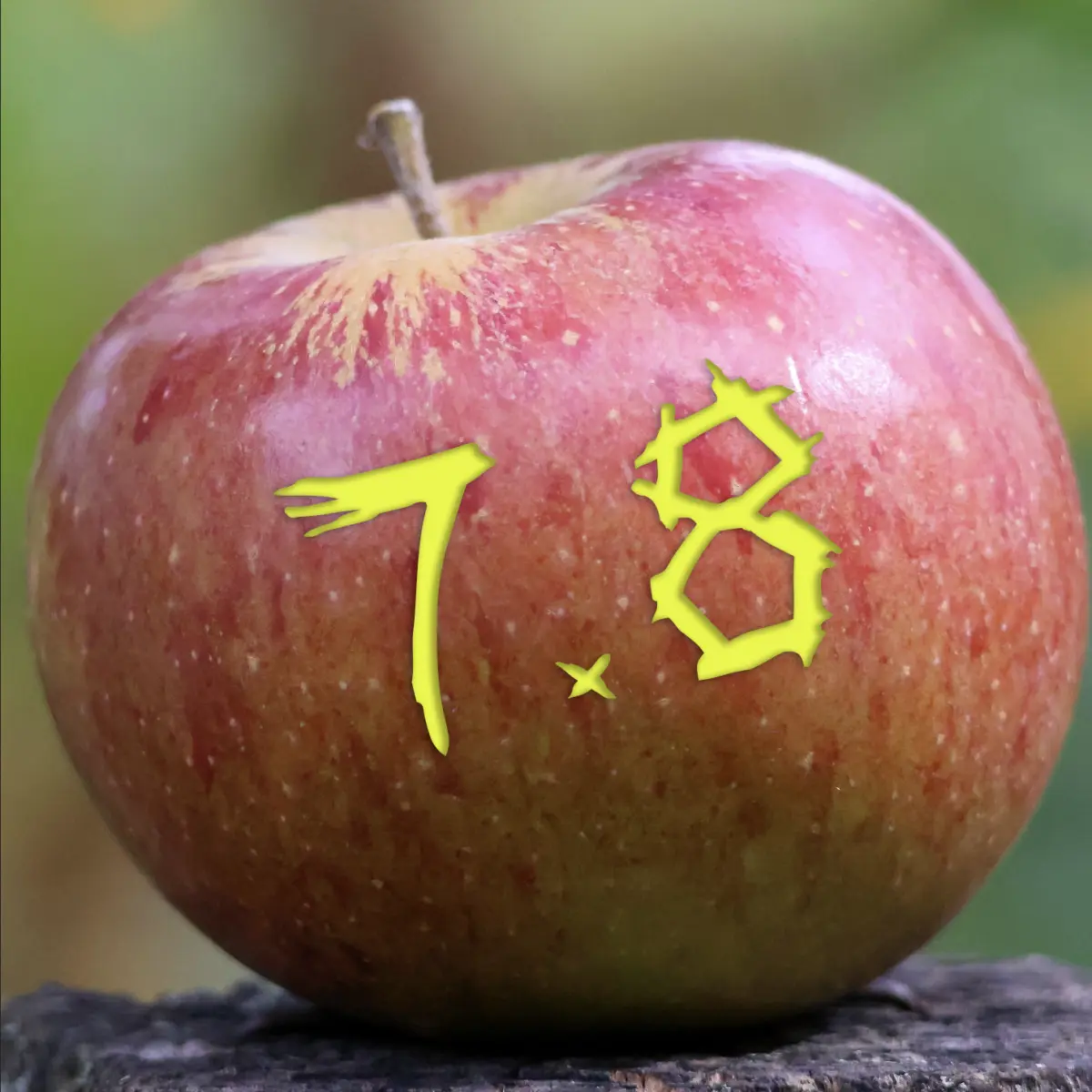
With an initial baseline score of 7.8 out of 10, the Blue Pearmain stands as a fascinating specimen of late-season pomology. However, its true destiny remains unwritten.
Having secured remaining specimens within the climate-controlled confines of a winter storage box, the ongoing observational protocol will test the limits of its maturation. Over the coming weeks and months, subsequent tastings will track how the formidable tannins and robust skin interact with ongoing ester development.
If historical precedents set by legendary keepers like the GoldRush and Roxbury Russet hold true, the passage of time will blunt the aggressive texture of the skin, deepen the mead-like aromatics, and elevate this "big blue-faced butter boy" into the pantheon of elite winter fruit. Until then, the Blue Pearmain rests in the chill chest—proving once and for all that the best things in the orchard truly come to those who wait.
