

Executive Overview
In an era where customer service is increasingly scrutinized and public figures leverage social media to hold businesses accountable, Grammy Award-winning singer Kelly Clarkson recently found herself at the center of a retail controversy. The acclaimed vocalist and media personality took to the public platform X (formerly Twitter) on October 10 to detail an exceptionally frustrating shopping excursion at a boutique in Brooklyn, New York. Clarkson recounted being treated with overt condescension by a store employee who seemingly presumed her financial inability to afford the establishment’s curated merchandise.
The incident—characterized by the singer as a modern-day reenactment of the iconic, humiliating boutique scene from the 1990 romantic comedy Pretty Woman—highlights lingering issues of elitism, profiling, and consumer disrespect within luxury and high-end retail spaces. Beyond a mere customer grievance, the event reflects broader conversations regarding how public figures, despite their immense wealth and cultural influence, remain susceptible to snap judgments based on casual attire or unassuming appearances. This report provides an in-depth analysis of the incident, examining its thematic parallels to cinematic history, Clarkson’s transition to her New York life following a high-profile divorce, and the structural implications of elitist sales tactics in modern commerce.
Detailed Chronology
The Brooklyn Encounter
The sequence of events began on the afternoon of October 10, when Clarkson ventured to a Brooklyn neighborhood to explore a specialty retail establishment she had previously noted as aesthetically appealing ("rad") and promising for prospective purchases. According to her public statements, she entered the boutique with the clear intention of acquiring several specific items.
However, the tone of the visit shifted almost immediately upon her interaction with a store representative. Rather than receiving standard customer assistance or hospitality, Clarkson was subjected to what she described as a patronizing evaluation. The staff member purportedly looked her up and down with skepticism, projecting an attitude that clearly communicated a disbelief in her financial solvency. To compound the insult, the employee proactively offered to locate "something comparable" elsewhere—an explicit insinuation that the store’s primary inventory was far beyond her economic reach.
The Immediate Social Media Backlash
Furious over the blatant condescension, Clarkson exited the store without making a purchase and immediately documented her indignation online. Writing on X, she offered a scathing critique of the establishment’s operational ethos:
"Just drove all the way to Brooklyn to check out this store I thought looked really rad and had a few things in mind to buy, and literally was looked at as if I couldn’t afford it and was told he could find something comparable for me. Wow, dude. You’re an idiot and just lost a huge sale."
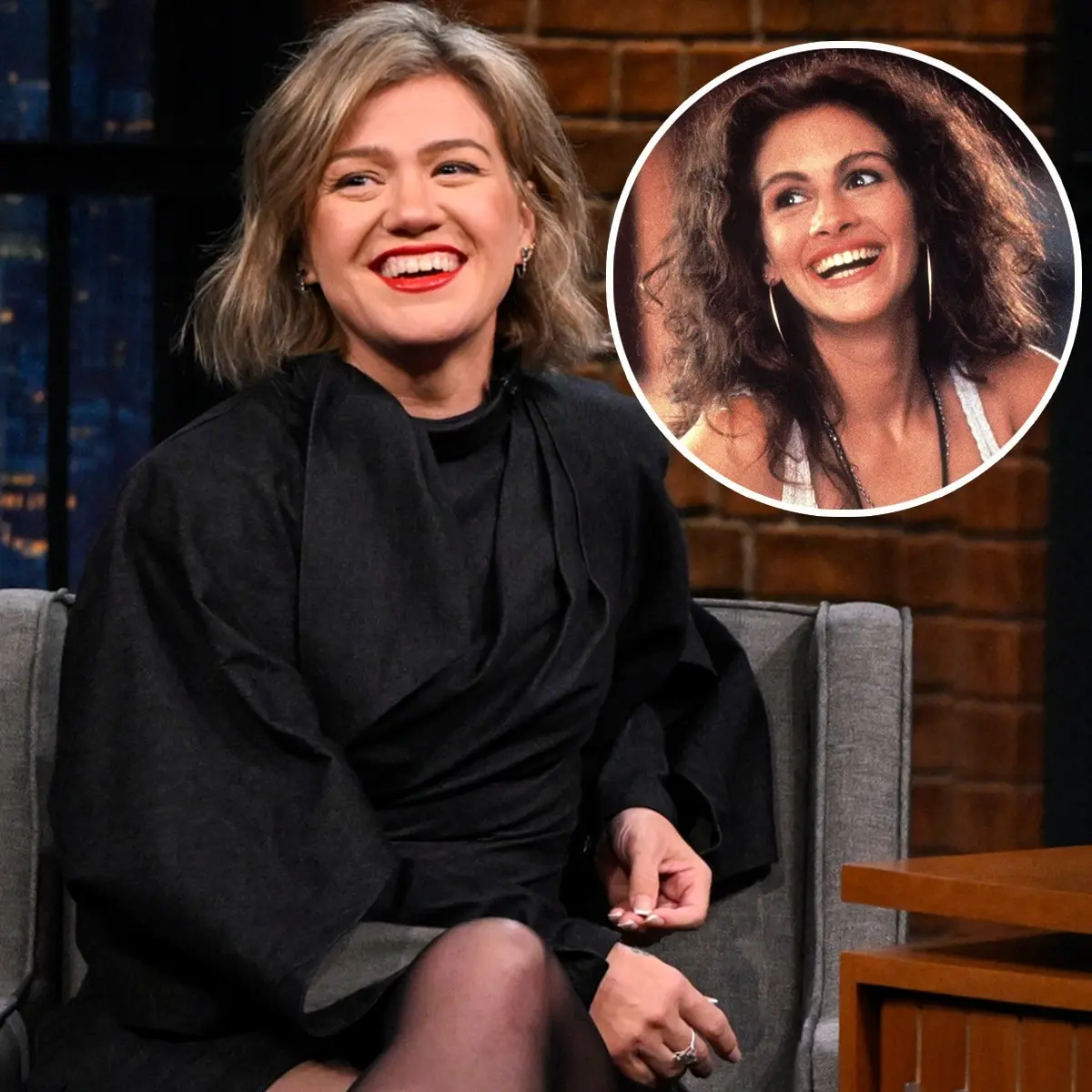
Refusing to let the interaction pass quietly, Clarkson went a step further by explicitly naming the store in subsequent posts. She encouraged her millions of followers to patronize the business only "if you enjoy being treated like Julia Roberts’ character in Pretty Woman," punctuating the recommendation with a pointed thumbs-down emoji.
Media outlets, including E! News, immediately reached out to the named boutique for comment, though the establishment has yet to issue an official response or public statement addressing the allegations.
Supporting Context & Metrics: The Pretty Woman Parallel
Cinematic Realism vs. Modern Retail Reality
Clarkson’s immediate cultural reference point—the 1990 Garry Marshall film Pretty Woman—remains a cinematic touchstone for retail snobbery. In the film, Julia Roberts’ character, Vivian Ward, enters an upscale Rodeo Drive boutique wearing casual, provocative streetwear. The boutique salesclerks refuse to serve her, loudly judging her appearance and demanding she leave before she eventually returns triumphant, armed with massive shopping bags from competing stores, to deliver the immortal line: "Big mistake. Big. Huge."
While cinematic dramatizations often exaggerate social interactions for comedic or dramatic effect, consumer advocacy groups note that high-end retail profiling remains a pervasive, systemic issue. Sales associates in luxury and avant-garde boutiques frequently undergo implicit—and sometimes explicit—training to curate a specific clientele, often relying on visual markers of wealth (such as designer labels, high-end accessories, or visible signs of affluence) to determine the level of service rendered.
In Clarkson’s case, her famously down-to-earth demeanor, combined with a preference for casual streetwear during personal errands, made her an unwitting target for a clerk relying on superficial heuristics rather than professional sales intuition.
Clarkson’s New York Chapter and Life Transitions
To fully understand the gravity of a routine shopping trip escalating into a public callout, one must contextualize Clarkson’s current lifestyle. The 44-year-old entertainer relocated to New York City in 2023, shifting production of The Kelly Clarkson Show from Los Angeles to the iconic 30 Rockefeller Plaza.
The move followed her high-profile 2022 divorce from talent manager Brandon Blackstock, with whom she shares two children, River (12) and Remington (10). Clarkson has previously been transparent about the emotional toll of those years, describing herself as "very depressed for the last three years" prior to her relocation. For Clarkson, the Big Apple represented a vital reset button—a therapeutic environment where her family could establish a fresh, thriving routine away from the relentless fishbowl of Hollywood.
However, urban living inevitably exposes even the most successful celebrities to the unvarnished realities of everyday life. Unlike Los Angeles, where private shopping experiences, VIP appointments, and chauffeured environments heavily insulate high-net-worth individuals, navigating the distinct neighborhoods and independent boutiques of Brooklyn requires a level of street-level anonymity that can backfire drastically when an unrecognizing—and overly presumptuous—sales associate misjudges a customer.
Official Statements & Public Reception
The Fallout of Celebrity Accountability
Clarkson’s public airing of the boutique highlights a growing trend among contemporary celebrities: utilizing direct-to-consumer social media channels to bypass traditional public relations gatekeepers and penalize poor business practices directly.
While luxury retail establishments historically held the upper hand in customer-employee disputes—operating under the assumption that disgruntled shoppers would simply walk away—social media has democratized consumer retribution. A single post from an artist with a massive, highly engaged digital footprint can instantly direct negative publicity, economic boycotts, and critical reviews toward a localized business.
Industry analysts have weighed in on the incident, noting that high-end boutiques operating in trendy enclaves like Brooklyn walk a fine line between maintaining an exclusive brand aura and alienating potential clientele. By gatekeeping their merchandise based on superficial assumptions, establishments risk offending not only everyday consumers but also affluent tastemakers who prefer dressing down during their off-hours.
Future Outlook
Lessons in Modern Retail and Consumer Culture
As the dust settles on Clarkson’s Brooklyn shopping misadventure, several broader takeaways emerge for both the retail sector and public figures alike:
- The Death of Aesthetic Profiling: In an era where tech billionaires wear hoodies and Grammy winners run errands in sweatpants, retail associates can no longer reliably gauge a customer’s purchasing power by their outward appearance. Training programs in luxury and specialty retail must pivot away from elitist exclusion toward inclusive, high-caliber customer service for all patrons.
- The Power of Digital Amplification: Businesses must recognize that every single customer interaction carries the potential for massive digital exposure. A rude dismissal from an arrogant clerk can transform overnight from a minor localized annoyance into a global PR crisis.
- Clarkson’s Continued Evolution: For Kelly Clarkson, the incident serves as a minor bump in an otherwise successful urban chapter. Having recently announced her decision to step away from the daily rigors of her talk show after seven seasons to prioritize her children and future creative endeavors, Clarkson remains firmly in control of her narrative—whether she is headlining a stadium, evaluating talent, or teaching an overconfident Brooklyn boutique clerk a real-life lesson in Pretty Woman justice.
Ultimately, the Brooklyn shopkeeper’s oversight serves as a cautionary tale: never judge a book by its cover, and never assume the casually dressed woman browsing your racks isn’t one of the most powerful and influential voices in the entertainment industry.