

Executive Overview
Finishing a rigorous workout often delivers an immediate rush of endorphins and a deep sense of accomplishment—that is, until a few hours or days later when delayed onset muscle soreness (DOMS) sets in. This familiar, throbbing discomfort can linger for days, turning simple, everyday tasks like climbing stairs, carrying groceries, or even sitting down into an exercise in endurance.
In a frantic search for relief, everyday gym-goers and recreational athletes are increasingly adopting the aggressive recovery protocols once reserved exclusively for elite Olympians and professional sports teams. Propelled by viral social media trends and a multi-billion-dollar wellness industry, fitness enthusiasts are embracing everything from sub-zero ice baths and high-pressure compression garments to targeted massages and colorful arrays of recovery supplements.
While many of these commercial products and trendy therapies promise faster recovery, reduced muscle soreness, and dramatically improved performance, the underlying scientific reality is far more nuanced. Beneath the sleek marketing campaigns and influencer endorsements lies a complex biological trade-off. In many cases, sidestepping short-term pain through aggressive interventions can inadvertently sacrifice long-term physiological gains. Ultimately, the expanding scientific consensus reveals a humbling truth: true muscle recovery cannot be neatly bottled, patented, and sold. The most effective paths to physical restoration remain rooted in the unglamorous, foundational basics of sleep, hydration, and nutrition.
Detailed Chronology of the Fitness Recovery Market
To understand how modern fitness culture arrived at a point where a backyard ice bath or a specialized recovery shake is considered standard post-workout procedure, it is necessary to trace the evolution of sports science and its commercialization over the past few decades.
The Era of Elite Secrecy (Pre-2000s)
For decades, advanced recovery protocols were strictly guarded secrets within elite training camps, university athletic departments, and professional sports franchises. Cryotherapy chambers, specialized pneumatic compression devices, and customized sports nutrition regimens were funded by multimillion-dollar budgets and administered by specialized physical therapists and sports scientists. The average gym-goer relied on basic stretching, a hot shower, and a balanced meal to bounce back from a heavy lifting session or a long run.
The Democratization of Discomfort (2000s–2010s)
As sports science research expanded and entered the public consciousness, fitness journals, running magazines, and early online forums began translating elite methodologies for the masses. This period marked the initial commercialization of recovery products. Foam rollers transitioned from physical therapy clinics to commercial gym floors. Compression tights emerged from medical applications (used to treat deep vein thrombosis and poor circulation) and were marketed to marathon runners and CrossFit athletes as performance enhancers.
The Social Media Acceleration (2020s–Present)
The advent of short-form video platforms fundamentally transformed the recovery landscape. Today, fitness influencers and high-profile athletes routinely broadcast their post-workout routines, turning cold plunges, percussion massage guns, and brightly colored supplement cocktails into viral aesthetics. This digital exposure fueled an unprecedented boom in the direct-to-consumer wellness market. Portable home ice baths, smart temperature-regulated cold plunges, and high-tech compression boots are now standard status symbols in suburban garages, transforming recovery into a lucrative lifestyle brand rather than a purely clinical intervention.
Supporting Context & Metrics: Analyzing the Popular Interventions
As the consumer recovery market surges, exercise physiologists and researchers have put these popular modalities under the microscope. The findings frequently contradict the marketing claims pushed by manufacturers.
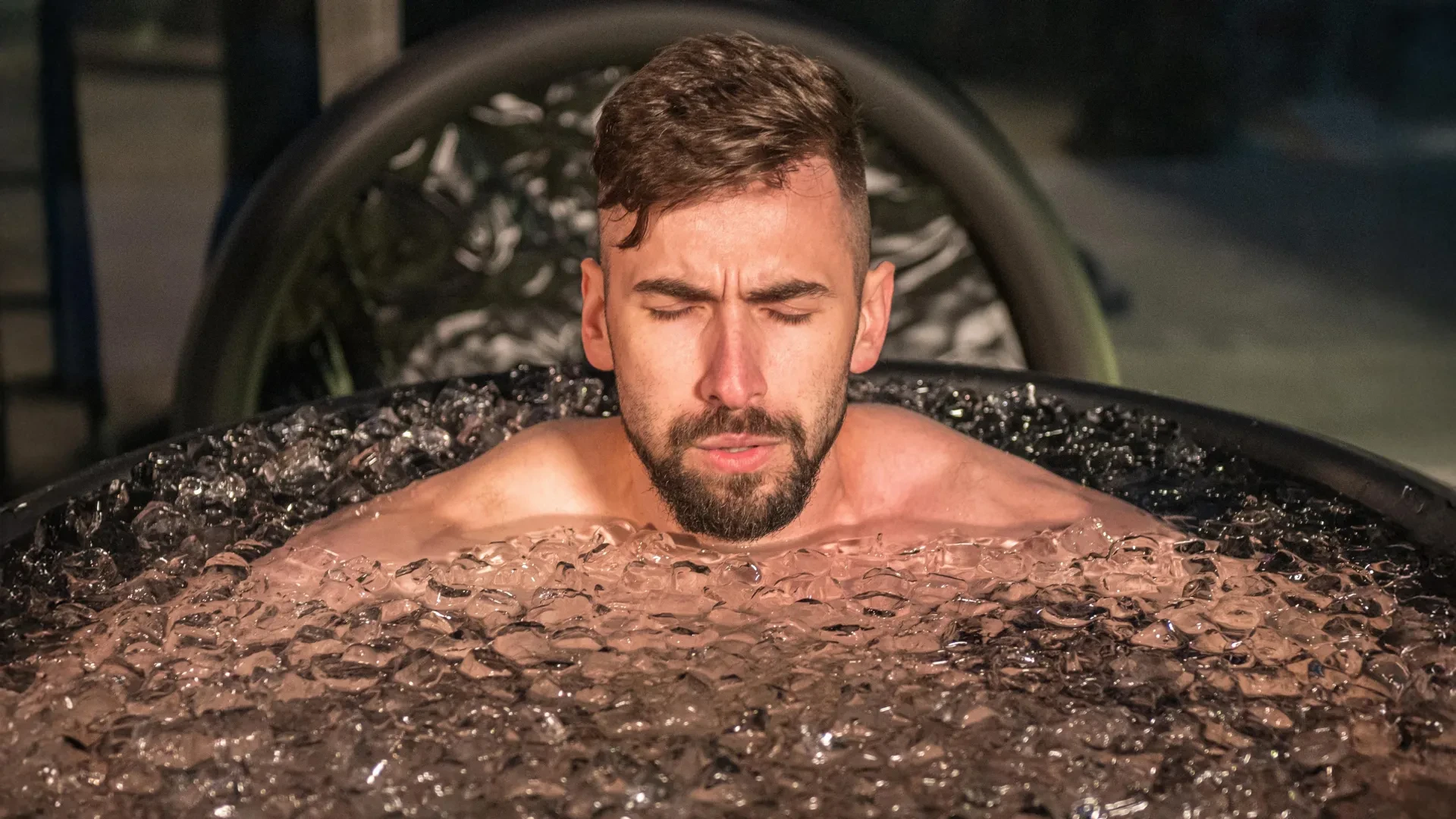
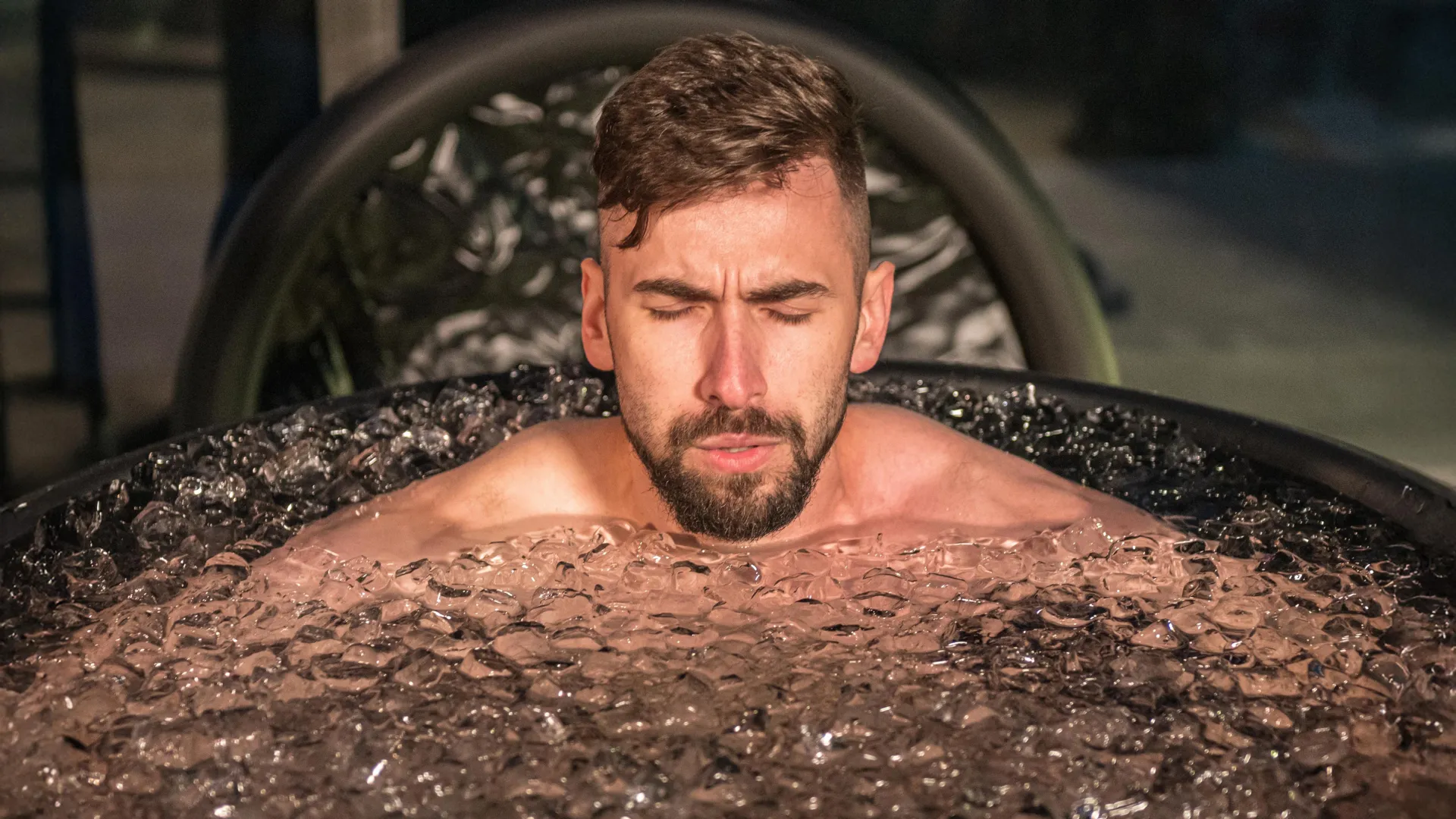
1. Ice Baths and Cold Water Immersion
Few recovery strategies have received as much cultural cachet or scientific scrutiny as the ice bath. Typically involving water immersion at temperatures below 15°C (59°F), cold therapy is widely praised for its ability to numb immediate pain and reduce systemic inflammation.
- The Short-Term Benefit: Clinical research indicates that cold water immersion effectively blunts acute inflammation, which can temporarily reduce muscle soreness and help athletes recover basic muscle function within a compressed 24-hour window.
- The Long-Term Catch: Inflammation is not merely a byproduct of injury; it is a critical signaling mechanism that triggers muscular adaptations and drives hypertrophy (muscle growth). By artificially dampening this inflammatory response with frequent ice baths, individuals can blunt the long-term cellular adaptations of their training. In essence, while ice baths offer rapid relief when back-to-back competition requires peak performance, using them regularly after every workout can actively hinder muscle-building goals.
2. Compression Garments
Compression tights, sleeves, and pneumatic boots are frequently worn post-exercise under the premise that external pressure accelerates circulation, drives fresh blood into recovering tissue, and minimizes swelling.
- Physiological Impact: A landmark 2022 study sought to separate physiological mechanisms from placebo effects by comparing actual compression garments against a control group given a placebo tablet. The study confirmed that compression garments genuinely improved circulation and muscle blood flow, whereas the placebo did not. This proved the physical effects are real, rather than purely psychological.
- The Performance Reality: Despite proven changes in blood flow, evidence showing that compression garments meaningfully restore functional muscle strength remains weak. They may reduce the sensation of heaviness and make the user feel better recovered, but they are unlikely to miraculously fast-track actual muscular repair.
3. Massage and Percussion Therapy
Massage remains one of the few recovery interventions backed by relatively consistent scientific literature regarding subjective well-being. Whether delivered by a licensed therapist or a high-powered vibrating massage gun, soft tissue work successfully lowers perceived muscle stiffness and enhances relaxation.
- The Trade-Off: While athletes consistently report feeling less sore and psychologically refreshed following a massage, objective measures of muscular power and performance restoration remain modest and inconsistent. Massage effectively mitigates the psychological and sensory discomfort of hard training, but it should not be expected to replace physical rest.
4. Recovery Supplements: Sorting Fact from Fiction
The global nutrition supplement market is a multi-billion-dollar enterprise characterized by neon-colored recovery drinks, proprietary blends, and aggressive claims. However, the scientific validation behind these products varies drastically.
- Whey Protein: Extensively researched and derived from dairy, whey is rich in essential amino acids and effectively stimulates muscle protein synthesis (the biological process driving muscle growth). It delivers small-to-moderate benefits for overall recovery, though evidence regarding its ability to directly alleviate DOMS is mixed.
- Branched-Chain Amino Acids (BCAAs): Despite intense marketing popularity, BCAAs (leucine, isoleucine, and valine) are proving less effective than complete protein sources. Muscle repair requires all essential amino acids—not just the trio found in BCAAs. Whole foods such as chicken, beef, salmon, and tofu inherently provide the full spectrum of amino acids required for optimal tissue repair.
- Tart Cherry Juice: Rich in polyphenols with powerful antioxidant and anti-inflammatory properties, tart cherry juice has emerged as a darling of endurance athletes. Emerging studies suggest it offers small-to-moderate effects in reducing post-workout soreness and accelerating the restoration of muscular strength.
- Omega-3 Fatty Acids: Fish oil supplements are frequently championed to combat exercise-induced inflammation. While some data shows modest reductions in muscle soreness, results across clinical trials are inconsistent, confirming that fish oil is a supplementary tool rather than a miraculous recovery fix.
Expert Insights and Official Scientific Statements
To gain a deeper perspective on the commercialization of fitness recovery, sports scientists and clinical researchers emphasize the primacy of fundamental physiology over commercial gimmicks.
Dr. Jonathan Taylor, a leading exercise physiologist specializing in neuromuscular recovery, notes a growing disconnect between consumer expectations and scientific reality:
"We have cultivated a culture of instant gratification within fitness. People want to push their bodies to absolute failure in the gym, pay three hundred dollars for a smart cold plunge or an exotic supplement, and wake up completely fresh the next morning. Biology simply does not operate that way. Muscle tissue requires time, cellular signaling, and raw nutritional building blocks to adapt and grow stronger. When we aggressively short-circuit the body’s natural inflammatory and repair pathways with excessive interventions, we often compromise the very adaptations we are working so hard to achieve."
Furthermore, nutritional researchers continually underscore the superiority of whole foods over manufactured supplements. Clinical consensus emphasizes that the complex matrices of vitamins, minerals, and macronutrients found in an unprocessed, balanced diet interact synergistically in ways that isolated powders and capsules cannot replicate.
Dr. Elena Vance, a clinical sports nutritionist, points out:
"The supplement industry thrives on the premise that a specific powder or pill holds the master key to recovery. Yet, decades of nutritional science demonstrate that a balanced diet rich in whole foods consistently outperforms isolated supplements. The human body is exceptionally well-equipped to recover on its own, provided it receives adequate macronutrients, micronutrients, sleep, and time."
Future Outlook: What Actually Works?
As the fitness industry matures and consumer skepticism grows in the face of exaggerated marketing claims, the future of sports recovery is shifting away from high-tech gimmicks and returning to biological first principles.
The market for home wellness technology—ranging from portable infrared saunas to automated compression sleeves—will undoubtedly continue to thrive, driven by convenience and consumer demand. However, both elite and recreational athletes are increasingly recognizing that these tools provide, at best, marginal gains at the outer edges of performance.
The scientific literature repeatedly arrives at an unglamorous conclusion: the most powerful, evidence-based recovery mechanisms cannot be purchased in a bottle, leased as a subscription service, or strapped to your legs. Instead, they comprise the unshakeable foundation of physical health:
- Sleep: Quality, uninterrupted sleep remains the ultimate anabolic and restorative state, during which human growth hormone (HGH) is released and tissue repair peaks.
- Hydration: Maintaining optimal fluid and electrolyte balance is vital for cellular nutrient transport and waste removal.
- Whole-Food Nutrition: Supplying the body with adequate calories, complete proteins, and antioxidant-rich micronutrients through a balanced diet fuels the natural repair process.
- Active Recovery and Programming: Structuring intelligent training programs that incorporate appropriate rest days and low-intensity movement prevents chronic overtraining before it starts.
Ultimately, the most significant lesson of the modern fitness recovery era is a humbling one: health, adaptation, and physical resilience cannot be bottled and sold. True recovery is an organic biological process that respects the body’s natural need for time, rest, and real nourishment.