As artificial intelligence continues to fundamentally reshape the landscape of digital product design and software development, the industry finds itself at a critical juncture. The initial wave of experimental wonder and superficial "one-shot" prototyping has given way to a sober reality: design and engineering teams are no longer asking if AI will change their workflows, but how to harness it sustainably, efficiently, and without succumbing to exhausting industry hype.
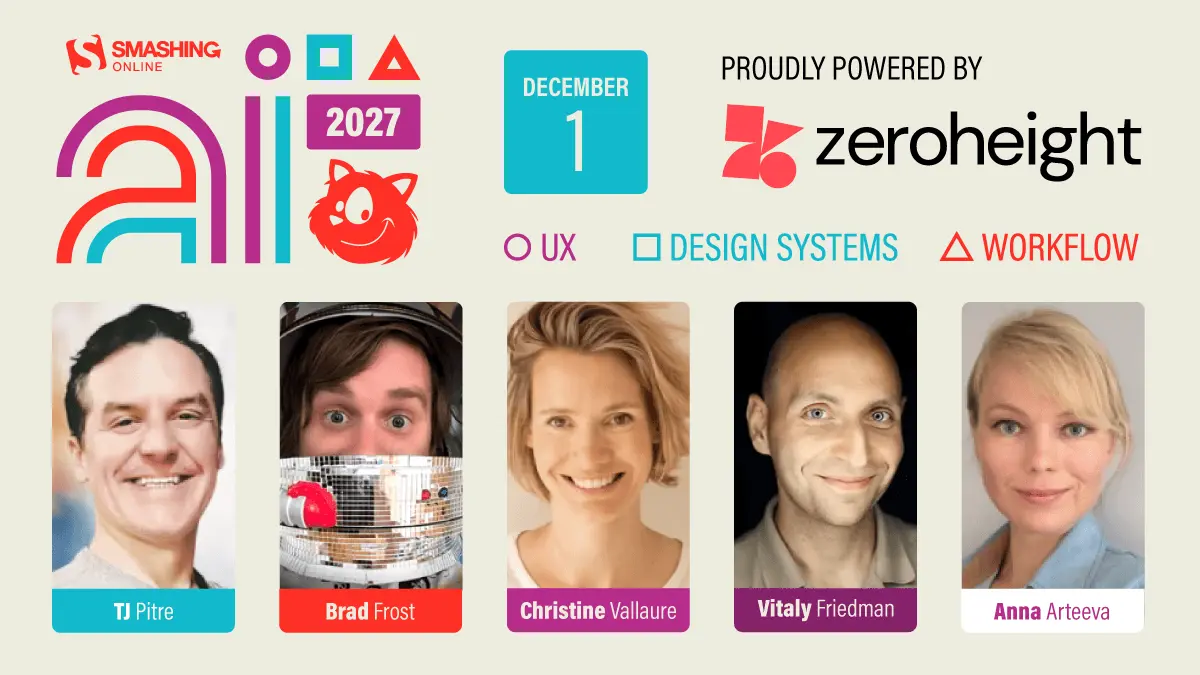
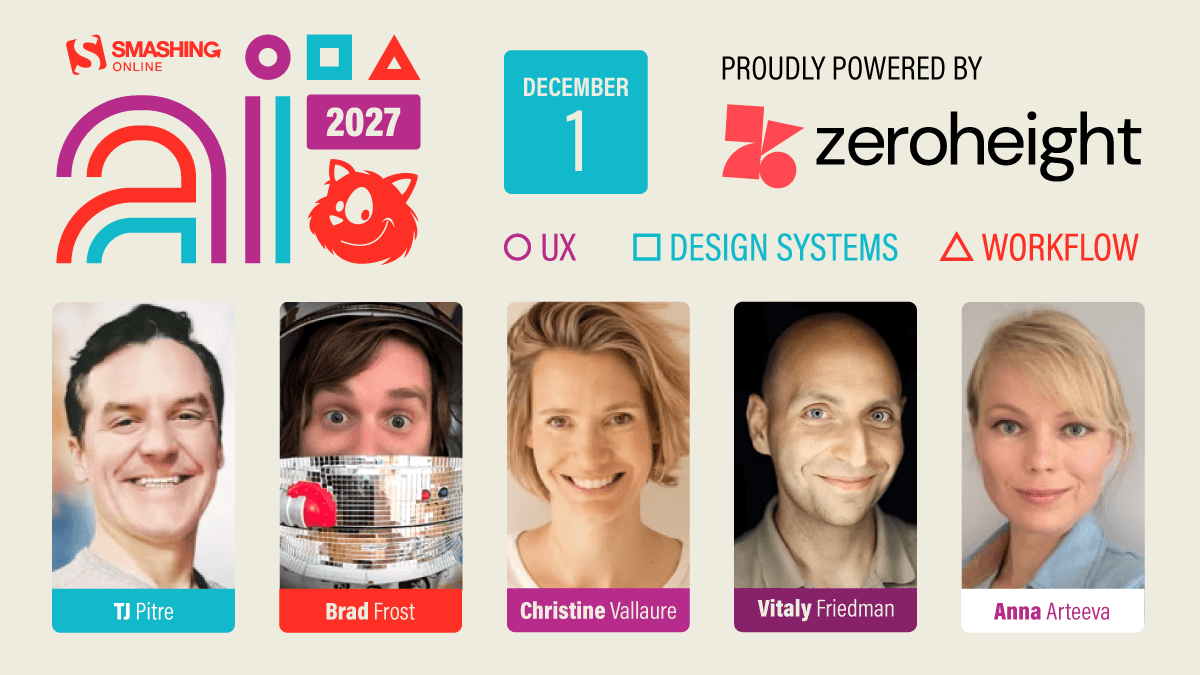
Enter the AI 2027 Conference, a specialized, high-impact online event hosted by SmashingConf on December 1, 2026. Designed explicitly for UX/UI designers, front-end engineers, and design system architects, this live half-day symposium aims to bypass theoretical musings and deliver rigorous, field-tested methodologies. The core mission of the conference is straightforward yet ambitious: to take stock of where AI stands today, forecast the structural shifts anticipated by 2027, and highlight the exact environments where forward-thinking teams are successfully scaling AI integration.
Rather than offering generic panel discussions, the event focuses heavily on practical application—showcasing actual toolchains, architectural setups, and overlooked nuances that define modern product creation. Capped off with moderated breakout rooms tailored for direct workflow troubleshooting, the AI 2027 Conference positions itself not merely as a speaking circuit, but as a collaborative workshop designed to build operational resilience in an era of rapid technological velocity.
Detailed Chronology and Event Schedule
Structured for maximum cognitive retention and immediate utility, the AI 2027 Conference unfolds across a tightly packed half-day agenda on December 1, 2026. Doors open fifteen minutes prior to the official commencement to allow global attendees to synchronize their timezones and settle into the digital venue. The session timeline is meticulously organized to take participants on a journey from macro-level experience design down to the granular realities of documentation and coding agents.
Morning Agenda Breakdown
8:10 AM — Designing AI Experiences in 2027
Opening the architectural dialogue, this foundational session explores how user expectation, interaction models, and interface paradigms must evolve to accommodate agentic workflows and autonomous systems in the near future.
8:45 AM — Prototyping AI Functionality
Moving past static mockups, speakers demonstrate how multidisciplinary teams can rapidly prototype intelligent features, turning abstract AI capabilities into testable, interactive realities early in the product lifecycle.
9:20 AM — Nobody Will Read Your Documentation
A provocative look at traditional knowledge management silos. This segment addresses why human-centric documentation often fails and introduces the structural requirements necessary to make technical guides machine-readable for AI agents.
9:40 AM — Design Systems and Figma MCPs
Diving deep into modern tooling, this session investigates how Model Context Protocols (MCPs) and advanced Figma integrations are bridging the persistent gap between design artifacts and production-ready code.
10:15 AM — Alternative Workflows for AI and Design Systems
An exploration of non-linear development paths, examining how teams are restructuring their teams, repositories, and review cycles to accommodate AI-driven contributions without compromising design integrity.
10:50 AM — Real-World AI & Design Systems Workflow
A synthesis of theory and practice, bringing together end-to-end case studies that illustrate what succeeds, what fails, and how resilient teams maintain architectural governance when utilizing automated generation tools.
Following the formal presentations, the conference transitions into interactive, moderated breakout rooms. This concluding segment provides a vital forum where participants can bring their specific organizational bottlenecks, tooling frictions, and architectural questions directly to industry authorities.
Supporting Context & Metrics: The Maturation of AI in Workflows
The urgency behind the AI 2027 Conference is underscored by structural shifts occurring across the technology sector. For years, design systems have served as the single source of truth for organizations aiming to scale digital products consistently. However, the introduction of generative AI and coding agents has created both unprecedented acceleration and severe systemic friction.
Historically, the workflow bottleneck lived in handoffs—the painful translation phase where static Figma components were laboriously re-implemented in code by front-end engineers. While design tokens and component libraries mitigated some of this friction, they were fundamentally built for human consumption. Today, the landscape demands AI-ready design systems. These are systems architected not just with visual properties in mind, but with structured context, semantic clarity, and programmatic accessibility that allow Large Language Models (LLMs) and coding agents to generate accurate, brand-compliant code on the first pass.
Market observations indicate a stark divergence among product teams:
The Hype Trap: Organizations relying on superficial, unguided "one-shot" AI prompts often experience technical debt accumulation, broken UI patterns, and fragmented user experiences.
The Systems Approach: High-performing teams that invest in structured context, rigorous design system documentation, and agentic training see measurable velocity gains, reducing time-from-concept to production by significant margins.
By focusing on tools like Figma MCPs (Model Context Protocols) and agentic coding workflows, the AI 2027 Conference directly addresses the missing link in modern software engineering: aligning machine intelligence with human design governance.
Official Statements and Expert Insights
To curate a curriculum grounded in reality, SmashingConf has assembled an elite roster of industry practitioners who have spent years navigating the intersection of design, code, and artificial intelligence.
Vitaly Friedman on Cutting Through the Hype
As the friendly host and organizer of the event, Vitaly Friedman—renowned for his extensive work in UX, front-end architecture, and performance optimization—emphasizes that the industry has reached a fatigue point regarding ungrounded speculation:
"I’ve been running my AI design patterns workshop for a while now — and everywhere I look, it’s the same story: people don’t want more AI hype, they want to actually get better at using it. That’s exactly why we decided to organise this event."
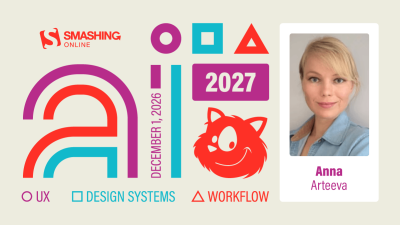
Anna Arteeva on Agentic Coding
Transitioning from product design leadership at Payoneer to becoming one of Maven’s top-ranked educators, Anna Arteeva brings a vital perspective on agentic workflows. Her work focuses on helping designers unlock technical fluency, move past superficial prototypes, and cultivate the critical judgment needed to make coding agents a reliable, professional part of daily design practice.
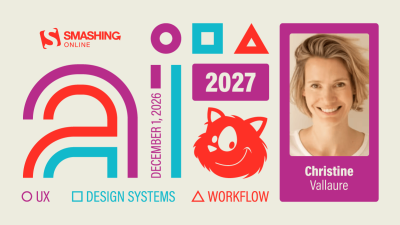
Christine Vallaure on Blurring Design and Code
Founder of Moonlearning.io and author of The Solo, Christine Vallaure spends her time deep within developer workflows. With two decades of product experience, she acts as a translator, extracting what designers truly need from complex engineering environments and transforming those insights into rigorous, hands-on educational frameworks.
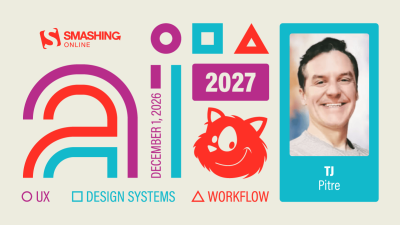
TJ Pitre on Bridging Context
As Product Architect for AI and Design Systems at Figma and founder of Southleft, TJ Pitre focuses heavily on the mechanics of structured context. His work explores how modern tooling can seamlessly connect design intent with engineering execution.
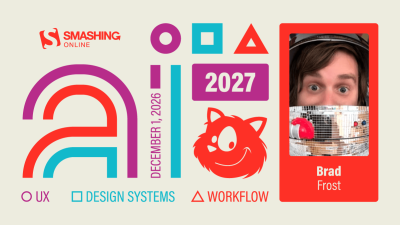
Brad Frost on Collaborative Methodologies
Author of the seminal book Atomic Design, Brad Frost has long championed collaborative workflows and design system evolution. Through his extensive consulting and educational platforms—including the AI & Design Systems course—Frost continues to guide organizations toward sustainable, multi-disciplinary software creation.
Luke Murphy and the zeroheight Partnership
The conference is proudly powered by zeroheight, a premier platform dedicated to creating, managing, and publishing unified design system documentation. Luke Murphy, Principal Design Advocate at zeroheight, joins the lineup with a critically important partner session titled: "Why Nobody Reads Your Design System Documentation, and What Coding Agents Need From Your Docs."
Reflecting on his participation, Murphy notes:
"Smashing Conference has always been one of my favourite events, so I’m really excited to be wrapping up all the findings I’ve discovered over the last six months and bringing them to the audience!"
Future Outlook: Preparing for 2027 and Beyond
As we look toward 2027, the role of the designer and front-end engineer is undergoing a philosophical redefinition. The traditional boundaries separating visual design, information architecture, and software development are becoming increasingly porous.
Events like the AI 2027 Conference signal a maturing ecosystem. The era of treating artificial intelligence as a novelty party trick is over; it is rapidly being integrated into the core plumbing of digital product creation. Organizations that successfully adapt will be those that treat their design systems not merely as visual guidelines for humans, but as comprehensive, machine-readable ecosystems capable of guiding autonomous agents.
For professionals committed to staying ahead of this curve, the December 1, 2026 event offers a rare opportunity to bypass the trial-and-error phase. By learning directly from the trenches—absorbing what works, discarding what fails, and engaging in targeted peer troubleshooting—attendees can secure a definitive competitive edge as the industry steps fully into the reality of 2027.