

Executive Overview
For decades, the prevailing medical consensus regarding metabolic health, obesity, and weight management has centered on a singular, foundational metric: the number on the bathroom scale. Patients diagnosed with obesity, prediabetes, and non-alcoholic fatty liver disease have long been counseled that reclaiming their health is primarily a game of caloric arithmetic. Eat less, move more, shed the pounds, and metabolic markers will naturally align.
However, a groundbreaking clinical trial published in the prestigious journal Cell Metabolism challenges this long-held dogma. Researchers at the Washington University School of Medicine in St. Louis have demonstrated that the composition of what we eat matters just as much as—and in some cases, significantly more than—the total weight lost.
Comparing three of the most widely prescribed dietary regimens for weight management—the ketogenic (keto) diet, the Mediterranean diet, and a low-fat, plant-forward diet—the research team uncovered striking physiological differences. While participants across all three groups achieved identical weight-loss targets of approximately 10% of their starting body weight over a four-to-five-month period, their internal transformations diverged dramatically.
Most notably, individuals adhering to the very low-carbohydrate, high-fat ketogenic diet experienced a staggering 67% reduction in liver fat, far outpacing the 45% reductions observed in both the Mediterranean and low-fat cohorts. Furthermore, the clinical implications for prediabetes were profound: half of the participants in the keto group entirely reversed their diagnostic criteria for the condition, compared to 29% in the Mediterranean group and just 7% in the low-fat group.
These findings arrive at a pivotal juncture in modern medicine. As powerful new pharmacological interventions, such as GLP-1 receptor agonists, revolutionize the treatment of obesity by driving unprecedented weight loss, this study illuminates the synergistic value of targeted nutritional therapy. It suggests that specific dietary macronutrient distributions can unlock metabolic healing that extends far beyond simple mass reduction, offering a new frontier in the battle against metabolic syndrome.
Detailed Chronology: Inside the Washington University Clinical Trial
To understand the magnitude of these findings, one must examine the rigorous methodology and timeline of the Washington University trial. Designing a nutritional study that isolates the variable of diet composition while controlling for weight loss is notoriously difficult. Human compliance is notoriously fickle, and self-reported dietary logs are frequently unreliable.
To overcome these traditional research hurdles, corresponding author Dr. Samuel Klein and first author Dr. Max Petersen instituted a highly controlled, tightly monitored clinical protocol.
Patient Recruitment and Baseline Assessment
The research team recruited a cohort of 42 adult participants. Every individual enrolled in the trial met three strict clinical criteria: they lived with obesity, suffered from prediabetes (blood sugar levels elevated above normal thresholds but not yet meeting the diagnostic criteria for type 2 diabetes), and presented with excess fat accumulation inside their liver cells, known clinically as fatty liver disease or hepatic steatosis.
Before the intervention began, baseline measurements were established. Researchers mapped participants’ body fat percentages, insulin sensitivity, lipid profiles, and precise liver fat content using advanced imaging techniques. Additionally, participants underwent rigorous 24-hour blood sampling protocols to establish baseline hormonal rhythms related to energy metabolism.
Randomization and Controlled Feeding
The 42 participants were randomly assigned to one of three distinct nutritional arms:
- The Ketogenic Group: A high-fat, very-low-carbohydrate regimen.
- The Mediterranean Group: A moderate-fat diet emphasizing plant foods, olive oil, nuts, fish, and moderate dairy.
- The Low-Fat Group: A plant-forward diet restricting fat intake heavily in favor of complex carbohydrates.
To eliminate the confounding variable of non-compliance—the Achilles’ heel of nutritional science—the research team took an uncompromising approach: they supplied every single meal consumed by the participants. Furthermore, each participant was paired with a dedicated registered dietitian for weekly consultations to ensure absolute adherence to the prescribed macronutrient ratios.
The Intervention Phase: Hriving for Equal Weight Loss
The diets were engineered with vastly different nutritional profiles:
- Ketogenic Diet: Carbohydrates accounted for a minuscule 4% of daily caloric intake, while fats supplied a robust 73% (with proteins making up the remainder).
- Mediterranean Diet: Composed of 50% carbohydrates and 35% fat.
- Low-Fat Diet: Derived 70% of its calories from carbohydrates and only 15% from fat.
Crucially, the researchers did not issue a blanket calorie restriction. Instead, daily caloric intake was individually calibrated and adjusted over time for each participant. The explicit goal was to ensure that regardless of the dietary path chosen, every single participant crossed the finish line having lost roughly 10% of their baseline body weight. For the participants, reaching this landmark milestone required a sustained, highly supervised effort lasting between four to five months.
Post-Intervention Analysis
Upon completion of the four-to-five-month trial, participants returned to the laboratory for comprehensive re-evaluations. The 24-hour blood sampling protocols were repeated, liver imaging was conducted anew, and metabolic markers were exhaustively cataloged.
While the physical transformation—a 10% weight loss—was shared equally across the board, the internal metabolic landscape told three entirely different stories.
Supporting Context & Metrics: Unpacking the Data
The divergence in metabolic outcomes between the groups underscores a vital physiological truth: weight loss and metabolic healing are deeply intertwined, but they are not synonymous. The human body does not merely respond to the scale; it responds dynamically to the biochemical signals triggered by specific macronutrients.
The Liver Fat Disparity
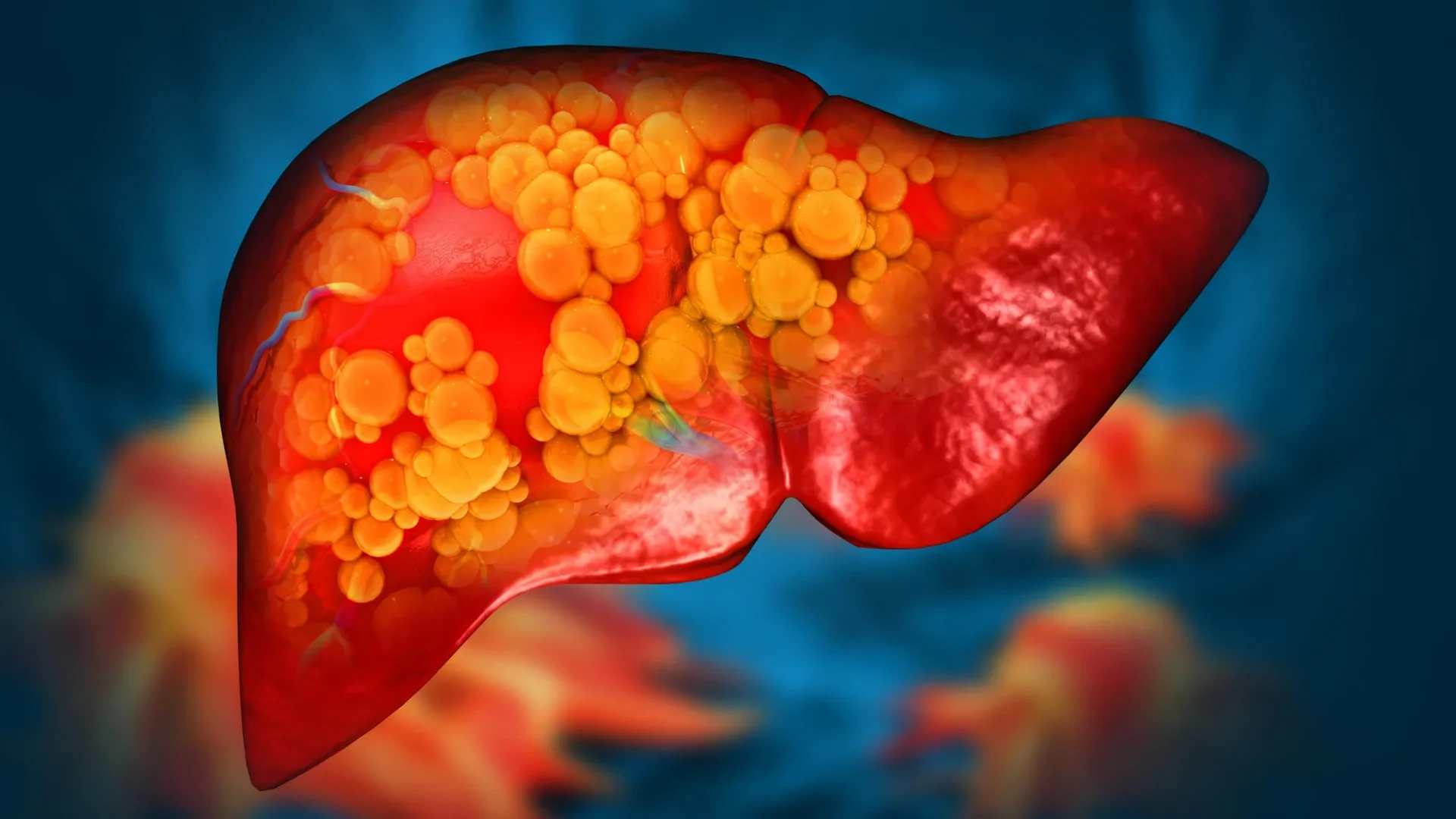
Non-alcoholic fatty liver disease (NAFLD) is an increasingly prevalent condition closely linked to insulin resistance and obesity. Excess fat accumulation within hepatocytes (liver cells) can severely impair the organ’s ability to regulate systemic metabolism, glucose production, and lipid processing. Left unchecked, NAFLD can progress to non-alcoholic steatohepatitis (NASH), cirrhosis, and liver failure.
In the Washington University trial, all three diets successfully reduced liver fat, proving that weight loss alone is a powerful therapeutic tool for hepatic steatosis. However, the magnitude of the reduction varied wildly:
- Low-Fat Diet: 45% reduction in liver fat.
- Mediterranean Diet: 45% reduction in liver fat.
- Ketogenic Diet: 67% reduction in liver fat.
This massive disparity—a clearance rate nearly half-again as high as the other cohorts—occurred despite the fact that the keto group lost the exact same amount of weight as the low-fat and Mediterranean groups. This proves that carbohydrate restriction exerts an independent, powerful therapeutic effect on hepatic lipid metabolism.
Hormonal Shifts and the Paradox of Dietary Fat
To uncover why the ketogenic diet cleared liver fat so aggressively, researchers analyzed the 24-hour blood samples for changes in key metabolic hormones.
The data revealed that participants in the keto group exhibited the largest surge in glucagon. Glucagon is a peptide hormone produced by the pancreas that works in opposition to insulin. While insulin drives energy storage, glucagon mobilizes stored energy, signaling the body to break down fat stores—particularly those sequestered in the liver. Concurrently, the keto group experienced the most pronounced drop in circulating insulin levels. Lower systemic insulin combined with elevated glucagon creates the ideal biochemical environment for lipolysis (fat burning) within hepatic tissue.
Perhaps the most astonishing finding of the trial defied conventional nutritional wisdom regarding dietary fats. Because the ketogenic diet derived 73% of its calories from fat—much of it saturated fat from animal sources—clinicians traditionally worry about spikes in atherogenic lipoproteins, blood triglycerides, and serum cholesterol.
Yet, the blood panels revealed no such increase. Participants consuming a high-fat diet did not experience elevations in blood lipids or cholesterol levels during the trial period.
Reversing Prediabetes: A Dramatic Contrast
Prediabetes affects tens of millions of adults worldwide, serving as the immediate precursor to type 2 diabetes, cardiovascular disease, and microvascular complications. It is characterized by impaired glucose tolerance and declining insulin sensitivity—the body’s inability to effectively clear glucose from the bloodstream using the hormone insulin.
By the end of the intervention, the clinical impact on prediabetes varied drastically by diet:
- Low-Fat Diet: Only 7% of participants no longer met the diagnostic criteria for prediabetes.
- Mediterranean Diet: 29% of participants crossed out of the prediabetes range.
- Ketogenic Diet: A remarkable 50% of participants successfully reversed their prediabetes status.
This means that after just four to five months, half of the individuals in the keto arm of the study restored their blood sugar regulation to healthy, non-diabetic ranges.
Official Statements and Expert Perspectives
The implications of these findings have sent ripples through the endocrinology and nutritional science communities. The study’s lead investigators have offered critical context regarding how these findings fit into the broader landscape of modern metabolic healthcare.
Dr. Samuel Klein, the study’s corresponding author and a leading authority in nutritional science and metabolism at the Washington University School of Medicine, emphasized the clinical significance of looking beyond simple weight reduction:
"We know weight loss can improve metabolic health in people who are obese," Dr. Klein stated. "Our data suggest that if you have high liver fat content and prediabetes, reducing carbohydrate intake can have important therapeutic effects on metabolism beyond just weight loss alone."
Dr. Klein’s perspective challenges the calorie-is-a-calorie dogma that has dominated dietary counseling for decades. While caloric deficit remains the master key for shedding pounds, the quality and macronutrient makeup of those calories dictate how efficiently internal organs—particularly the liver and pancreas—heal from metabolic insult.
Dr. Max Petersen, the study’s first author, highlighted the unexpected safety profile regarding blood lipids, as well as the intersection of this research with modern pharmacological breakthroughs:
"The most surprising finding was that participants in the ketogenic diet group didn’t experience an increase in blood fat or cholesterol levels despite consuming the most fat," Dr. Petersen noted.
Addressing the therapeutic landscape of the 2020s, Dr. Petersen drew a direct parallel between dietary intervention and the advent of revolutionary anti-obesity medications:
"GLP-1-based medications have revolutionized the therapy of obesity. We now have a very effective pharmacotherapy for achieving significant weight loss. But in addition, our study shows that the specific composition of the diet can give you added benefits."
Future Outlook: The Next Frontier in Metabolic Medicine
As medical science marches further into the 21st century, the approach to treating metabolic syndrome—comprising obesity, insulin resistance, fatty liver disease, and type 2 diabetes—is undergoing a profound metamorphosis.
The Era of Combination Therapy
The rapid rise of GLP-1 receptor agonist medications (such as semaglutide and tirzepatide) has fundamentally shifted what is clinically possible for weight loss. Patients who previously struggled for decades against biological hunger cues and metabolic adaptation can now achieve rapid, substantial body mass reduction.
However, as Dr. Petersen noted, weight loss is only half the battle. Restoring cellular sensitivity, clearing ectopic fat from vital organs like the liver and pancreas, and repairing broken hormonal feedback loops require a nuanced approach. The future of metabolic medicine likely lies in combination therapy: utilizing pharmacological agents to achieve necessary weight reduction, paired with targeted, highly personalized nutritional protocols—such as ketogenic or very-low-carbohydrate therapies—to maximize organ-specific healing and glycemic control.
Limitations and the Call for Long-Term Research
While the findings from Washington University are undeniably robust, the research team is careful to outline the current limitations of their work and chart the course for future investigations.
The clinical trial, while exceptionally rigorous in its controlled feeding protocols, was relatively small, encompassing 42 participants, and lasted for a defined window of four to five months. Nutritional scientists emphasize that short-term physiological shifts do not automatically translate into lifelong outcomes.
Critical questions remain unanswered:
- Sustainability: Can patients maintain strict ketogenic diets over years rather than months without experiencing social fatigue, micronutrient deficiencies, or burnout?
- Long-Term Cardiovascular Risk: While short-term lipid profiles remained stable in this cohort, what are the multi-year cardiovascular implications of sustained, high-saturated-fat consumption in diverse populations?
- Comparative Durability: How do the glycemic reversal rates of a keto diet hold up against Mediterranean or low-fat diets at the 2-year, 5-year, and 10-year marks?
To answer these pressing questions, larger, longer-term randomized controlled trials will be required. Funding agencies, including the National Institutes of Health (NIH) and the Foundation for Barnes-Jewish Hospital—which supported this specific trial—will need to invest in extended nutritional tracking studies.
Conclusion: A Paradigm Shift in Nutritional Prescriptions
For clinicians, dietitians, and patients alike, the message from this landmark study is clear: the one-size-fits-all approach to weight-loss dieting is obsolete.
When confronting the interconnected epidemics of obesity, fatty liver disease, and prediabetes, the biological pathway chosen to reach a weight-loss goal matters profoundly. By demonstrating that carbohydrate restriction can clear liver fat twice as effectively and reverse prediabetes in half of all patients, this research paves the way for precision nutrition—where diets are prescribed not merely to shrink the waistline, but to aggressively heal the metabolically compromised organs within.
