

Executive Overview
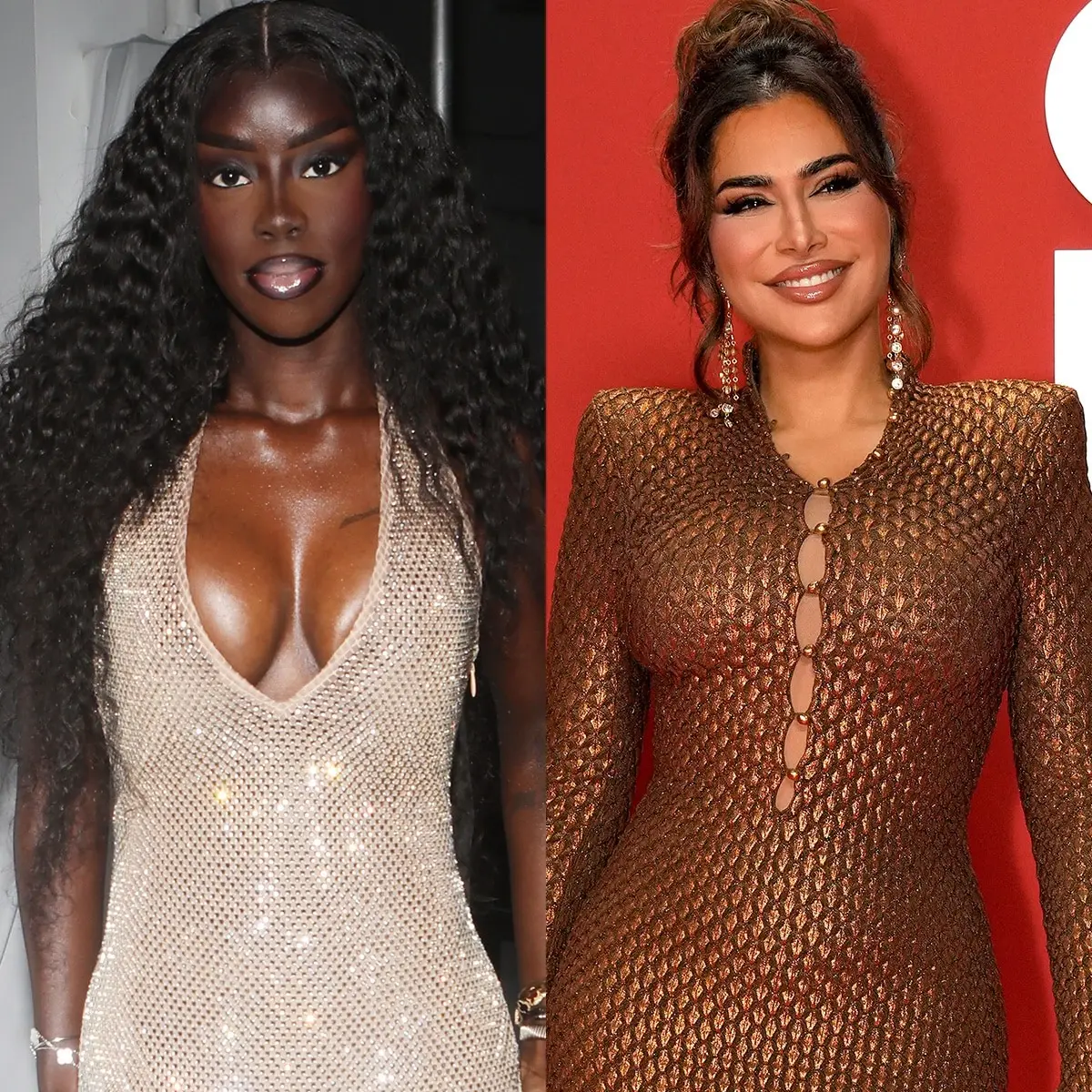
In the fast-paced, highly scrutinized ecosystem of the modern beauty industry, inclusivity is no longer merely a marketing buzzword—it is the baseline currency of consumer trust. However, translating the philosophy of representation into everyday corporate operations remains a minefield for legacy brands and indie darlings alike. This tension came to a head in a high-profile digital clash between beauty entrepreneur Huda Kattan, founder of the global powerhouse Huda Beauty, and prominent shade consultant and TikTok creator Golloria.
The controversy erupted over a foundational product decision: the discontinuation of "Coffee Cake," a popular darkest setting powder, and its replacement with a new shade, "Coco Truffle." What began as a product pivot quickly escalated into an industry-wide conversation regarding structural inclusivity, the nuances of undertones for dark skin tones, and the corporate blind spots that persist even among founders who champion diversity.
Following an emotional public apology from Kattan on November 20—in which she addressed both the handling of the discontinuation and personal health challenges she faced earlier in the year—Golloria offered a measured yet firm critique. Rather than letting the apology serve as the final word, the 25-year-old influencer used her platform to dissect why simply swapping one deep shade for another fails to address the nuanced reality of catering to deep complexions.
This deep-dive report examines the anatomy of the controversy, the mechanics of shade development, the personal and corporate pressures faced by beauty founders, and what this high-stakes exchange reveals about the evolving demands of beauty consumers in an era of radical transparency.
Detailed Chronology
The Spark: Discontinuation and the Loss of "Coffee Cake"
The friction between Huda Beauty and the creator community began when the brand announced it was phasing out "Coffee Cake," its darkest setting powder, with plans to replace it with a newly formulated shade named "Coco Truffle." For many consumers and shade consultants who relied on Coffee Cake as a staple in their professional and personal kits, the decision felt like a step backward.
Setting powders tailored to deep skin tones are notoriously difficult to formulate. They require precise balancing of red, yellow, and neutral undertones to prevent ashiness, gray casts, or unwanted oxidation. When a brand discontinues a proven favorite in this category, it immediately triggers anxiety among consumers who have fought hard for representation on retail shelves.
The Backlash and the November 20 Apology
As digital discontent mounted, beauty influencer and shade consultant Golloria stepped forward to voice her concerns, critiquing how Huda Beauty managed the transition and questioning the rationale behind replacing Coffee Cake with Coco Truffle.
Faced with mounting community feedback, Huda Kattan took to Instagram on November 20 to post an emotional, direct-to-camera apology video. In the address, Kattan tackled the controversy head-on while contextualizing the turbulent backdrop against which these decisions were made. She revealed that the brand’s initial assessment suggested Coffee Cake was underperforming in terms of positive consumer feedback, prompting her team to seek improvements.
However, Kattan candidly admitted that her team miscalculated the deep emotional and practical connection consumers had to the shade. Furthermore, she disclosed personal hardships that complicated her oversight during this period, including a harrowing health crisis in April that required emergency surgery for a ruptured breast implant.
Despite these personal challenges, Kattan acknowledged that the brand faltered in its communication and inclusivity commitments, noting that Coco Truffle—which launched initially as a pressed powder before transitioning to a loose formulation—was not yet widely available enough to justify pulling its predecessor.
Golloria’s Response: Nuance Over Optics
Responding directly in the comments section of Kattan’s November 20 post, Golloria acknowledged the gesture while holding firm to her professional assessment:
"I appreciate your apology and you taking the time to get back to me. Speaking from both my experience as a shade consultant and as a dark skinned woman whose shade options are directly affected by this decision, I don’t think Coco Truffle should replace Coffee Cake. And that’s just the honest truth."
Elaborating on her stance across subsequent social media posts, the 25-year-old creator emphasized a core tenet of cosmetic formulation that is frequently misunderstood by corporate teams: depth and undertone are not interchangeable. A shade that occupies a similar position on a lightness-to-darkness scale does not automatically serve the same complexions.
Golloria’s critique shifted the conversation from corporate intent to operational execution, challenging the notion that brands can simply swap dark shades in and out of a lineup without consulting the communities those products are designed to serve.
Supporting Context & Metrics: The Mathematics of Shade Inclusion
To understand why the discontinuation of a single setting powder sparked such intense backlash, one must examine the broader systemic challenges facing consumers with deep skin tones within the global beauty market.
The Evolution of the "Complexion Gap"
For decades, the beauty industry operated under a homogenous standard that largely ignored consumers of color, particularly those with deep and rich skin tones. The landscape shifted dramatically in 2017 with the launch of Fenty Beauty by Rihanna, which introduced a 40-shade foundation range (later expanded to 50), proving that inclusivity is not just a moral imperative but a massive commercial success. This phenomenon, dubbed the "Fenty Effect," raised consumer expectations permanently.
However, true inclusion extends far beyond foundation ranges. Complexion products—including concealers, bronzers, color correctors, and setting powders—require specialized chemical engineering. Setting powders, in particular, must control oil and set makeup without altering the underlying foundation shade or casting a white/ashy film under flash photography.
Why Interchanging Deep Shades Fails
As Golloria noted in her critique, a shade occupying a similar depth in a range does not mean it serves the same complexions. Skin undertones among people of color span a vast spectrum:
- Warm Undertones: Golden, yellow, or olive hues that require rich, amber-based powders.
- Cool Undertones: Red or blue-red nuances that demand deeper, mahogany-leaning formulations.
- Neutral Undertones: Balanced compositions that avoid excessive warmth or coolness.
When a brand replaces a tested powder like Coffee Cake with a new variant like Coco Truffle without rigorous consumer testing across these sub-categories, it risks alienating users who spent years finding their exact match. The metric of success for a shade extension should not be how quickly a product can be manufactured or cycled through inventory, but how seamlessly it integrates into the routines of diverse consumers.
Official Statements and Industry Perspectives
Huda Kattan: Reflecting on Accountability and Growth
Kattan’s video message provided rare transparency into the internal pressures of running an independent multinational cosmetics brand. Reflecting on the evolving expectations of 2026, Kattan emphasized that checkbox inclusivity is no longer acceptable:
"Inclusivity is not about, ‘Yes, done, check, we’re inclusive.’ That to me is some of the things that are wrong with the industry. It’s 2026. We can do better. We can do better and I think brands should be doing better in 2026."
Kattan expressed deep regret over the handling of the transition, admitting a tactical error that many corporate executives attempt to sweep under the rug:
"We should have kept it in stores, because at the end of the day, if some people liked it, we should have kept it in stores until there was something better available."
By acknowledging that her team should have kept Coffee Cake in circulation while refining Coco Truffle, Kattan set a high bar for accountability. She confirmed that Huda Beauty is actively reworking Coco Truffle to ensure it becomes available as quickly as possible, tailored specifically to meet the needs of rich skin tones.
Golloria: Redefining True Representation
Golloria’s commentary highlighted the psychological and practical toll placed on dark-skinned consumers who constantly have to advocate for basic market availability. In her Instagram captions and video responses, she crystallized the core philosophical disagreement:
"Doing what’s easiest for the brand instead of what’s needed by the women you say you want to serve… Inclusion means making room for our differences, not asking us to settle for whatever is most convenient for you to offer."
Her perspective serves as a vital reminder that consumer advocacy in the digital age is collaborative yet uncompromising. Creators like Golloria act as vital watchdogs, bridging the gap between boardroom decisions and real-world application.
Future Outlook: What This Means for the Future of Beauty Brands
The public exchange between Huda Kattan and Golloria is more than a fleeting social media drama; it represents a watershed moment for how beauty brands must operate moving forward. As we look toward the future of the cosmetic landscape, several key takeaways emerge for brands seeking sustainable success:
1. The Death of the "Quiet Discontinuation"
In the past, brands could quietly reformulate or discontinue products with minimal notice, relying on marketing cycles to absorb the loss. Today, digital communities maintain meticulous archives of their favorite products. Brands must adopt radical transparency when altering or retiring staple items, especially those catering to historically underrepresented groups.
2. Co-Creation as a Standard Operating Procedure
Listening to feedback after a product launches is no longer sufficient. Leading beauty brands are increasingly moving toward models of pre-launch co-creation, partnering directly with shade consultants, MUAs, and digital creators with specialized expertise during the formulation phase. By embedding diverse voices into product development from day one, brands can avoid costly missteps and foster deep brand loyalty.
3. Empathy Meets Accountability
Kattan’s willingness to blend personal vulnerability with professional accountability points toward a healthier corporate culture in beauty. Consumers do not expect perfection from founders, but they do demand honesty, active listening, and a willingness to correct course when mistakes are made.
Ultimately, the dialogue sparked by Coffee Cake and Coco Truffle underscores an empowering truth: the modern beauty consumer is informed, articulate, and unwilling to settle. As brands navigate the complex realities of global supply chains and diverse consumer needs, the standard has been permanently elevated. True inclusion is not a destination marked by a completed checklist, but an ongoing commitment to listening, learning, and honoring the rich diversity of human skin.
