For decades, the classic rock box set has served as a ritualistic offering for the dedicated aficionado—a meticulously curated mausoleum of outtakes, alternate mixes, and glossy liner notes meant to honor past glories. However, the holiday release slate redefines this paradigm entirely. Rather than merely gathering dust in the archives of music history, two monumental archival packages—Tom Petty & the Heartbreakers’ "Origins 1971–1978" and The Who’s "The Who By Numbers 50th Anniversary Edition"—demonstrate how physical releases can resurrect an era with startling immediacy.
These packages do not simply revisit history; they breathe new life into it. By employing radically different curatorial philosophies, both releases succeed in illuminating the blood, sweat, and creative friction that forged two of rock and roll’s most enduring institutions. While the Petty collection acts as a masterclass in myth-expansion—tracing a band from raw, hungry Florida upstarts to Rock and Roll Hall of Fame legends—The Who’s monumental set dives headfirst into the psychological turmoil surrounding a transitional masterpiece. Together, these releases prove that when handled with uncompromising standards, archival box sets remain the ultimate bridge between yesterday’s counterculture and today’s discerning listener.
Detailed Chronology & Structural Breakdown
Tom Petty & the Heartbreakers: Origins 1971–1978
The architecture of Origins 1971–1978 is designed to upend the traditional chronology of rock documentaries. Rather than kicking off safely with the band’s commercial breakthroughs, the collection plunges the listener straight into the primordial soup of Petty’s early musical iterations.
The heart of the project centers on newly mixed and remastered editions of the band’s self-titled 1976 debut and its 1978 follow-up, "You’re Gonna Get It!" But the true crown jewels reside on the companion discs "No Sleep Til L.A." and "The Cut Out Bin." Instead of presenting a dry, chronological parade of random studio flubs, curators deliberately shaped these unreleased recordings into a cohesive narrative album.
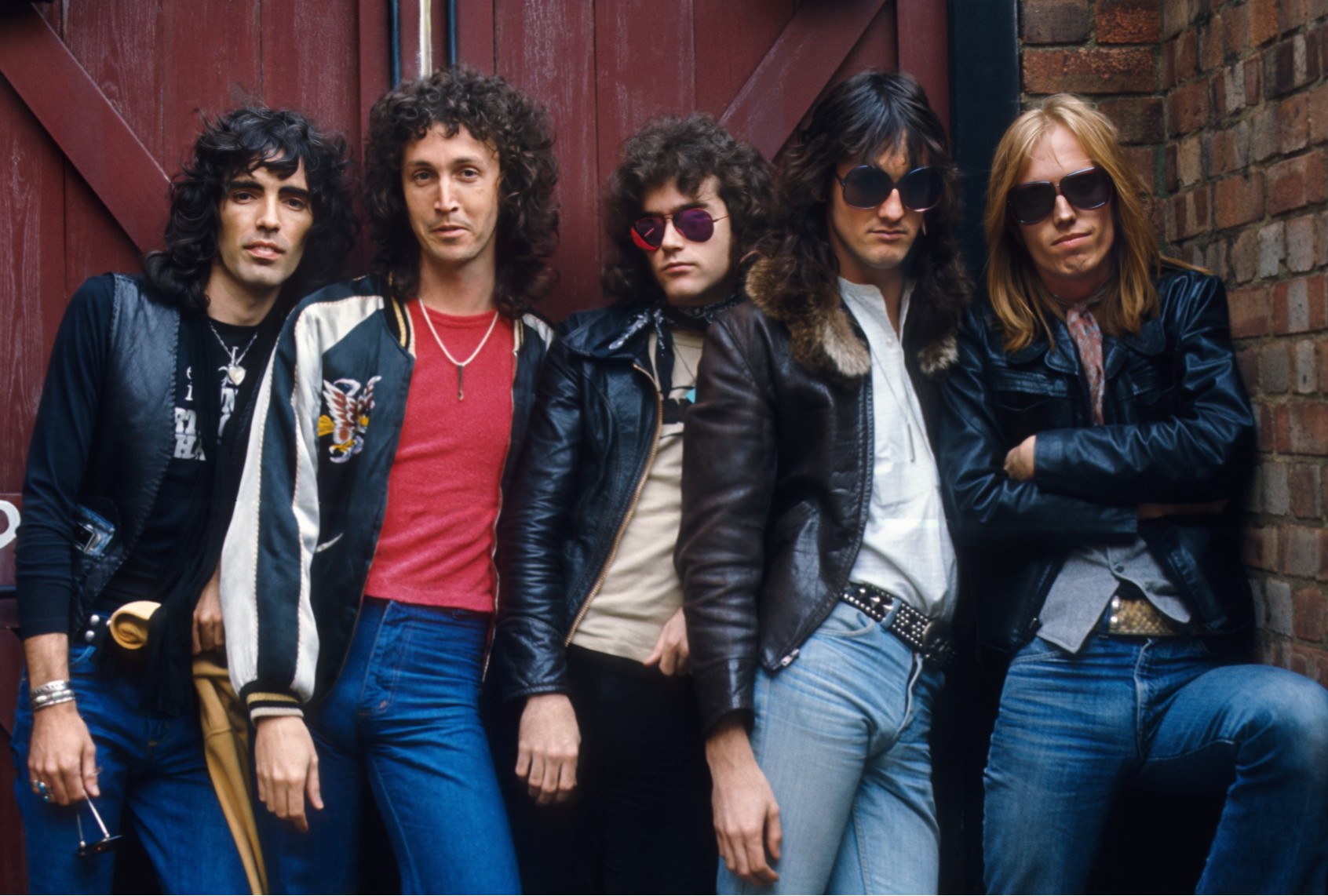
The timeline reaches back as early as 1971 to capture the Mudcrutch era—Petty’s pre-Heartbreakers outfit featuring future bandmates Mike Campbell and Benmont Tench. It tracks the collective as they migrated from Florida to Los Angeles on a wing and a prayer, before Shelter Records shipped them to Tulsa to learn the discipline of record-making without burning through exorbitant L.A. studio fees.
The sequence culminates with a legendary, explosive 40-minute performance from the BBC’s Old Grey Whistle Test in 1977. Dressed in sharp black suits, aviators, and exuding gunslinger confidence, the band tears through a set that captures a group already adored in the UK while still fighting for their footing back home.
The Who: The Who By Numbers 50th Anniversary Edition
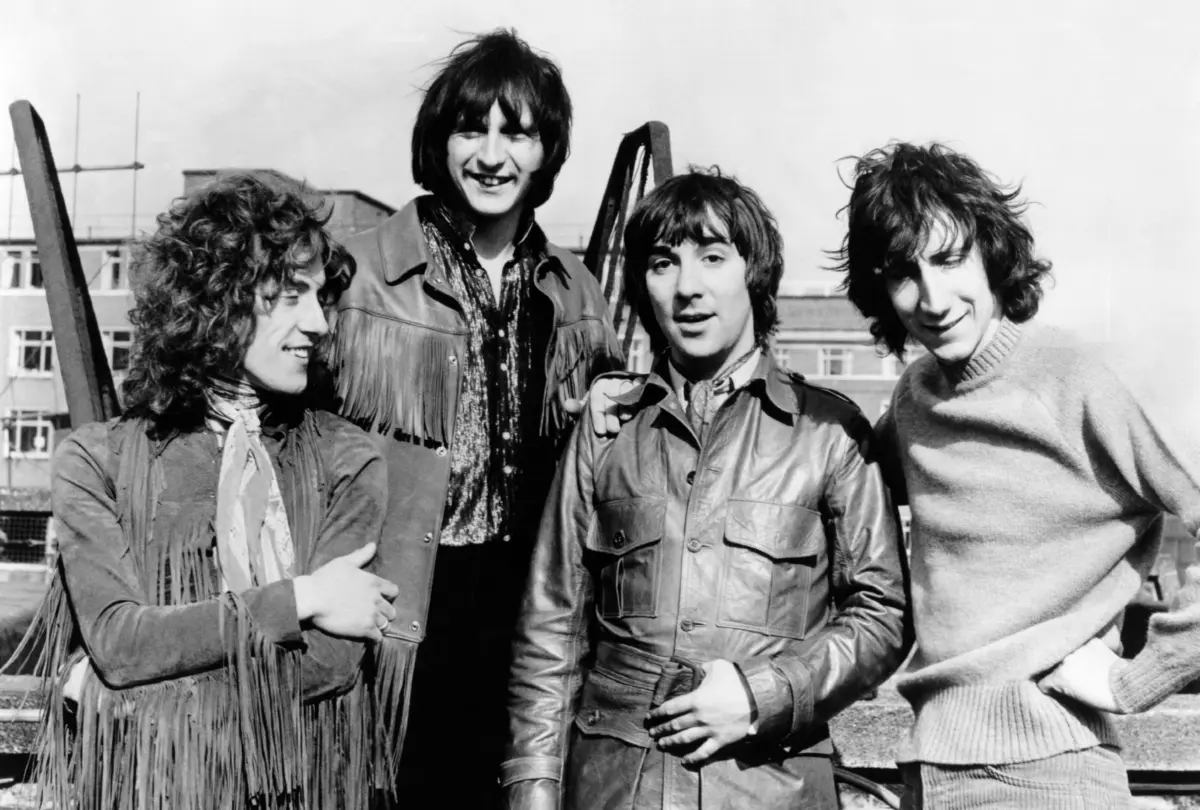
In contrast, The Who’s approach is panoramic, designed to serve as a definitive, microscopic audit of a single album released during a period of intense personal and professional strain. Issued originally in 1975, The Who By Numbers now receives the deluxe 50th-anniversary treatment, complete with 92 unreleased audio tracks, pristine Atmos mixes, and a 100-page book spearheaded by esteemed archivist Andy Neill.
The journey begins with Pete Townshend’s pristine, ethereal home demos. Nearing 30, Townshend was experiencing a profound crisis of identity, feeling alienated from his own compositions and resentful that his best material was funneled into The Who rather than a dedicated solo career.
From those intimate acoustic sketches, the collection moves into the "Tracking Sessions"—loose, conversational studio warm-ups where the band grappled with new material. Fans are treated to studio banter, Glyn Johns offering critical guidance from the control room, and Pete complaining about a lack of breakfast.
The chronology continues through early mixes, guide vocals, and finally, two historic live documents: a fiery 1976 set from Swansea (Keith Moon’s final proper UK performance with the band) and a newly unearthed, fully remastered concert film from the Pontiac Silverdome in December 1975, capturing a record-breaking indoor crowd of 76,896 fans.
Supporting Context & Metrics: Inside the Vaults
Feature / Metric
Tom Petty & the Heartbreakers – Origins 1971–1978
The Who – The Who By Numbers 50th Edition
Primary Focus
Genesis of the band, Mudcrutch era to first two LPs
The transitional crisis between Quadrophenia and Who Are You
Key Unreleased Audio
Curated outtake albums (No Sleep Til L.A., The Cut Out Bin)
92 unreleased audio tracks, early Townshend demos, tracking sessions
Visual Artifacts
BBC Old Grey Whistle Test (1977) DVD, Blu-Ray Dolby Atmos mixes
Pontiac Silverdome concert film (1975), Swansea live audio (1976)
Physical Booklets
46-page full-color "fanzine" titled Heart Attack
100-page comprehensive book featuring liner notes, lyrics, and rare photos
Archival Philosophy
Myth-expansion and structural evolution
Complete, exhaustive document of an individual record
The value of these releases lies in the granular details buried within their respective sessions. For Petty, the outtakes serve as an interrogation of industry skepticism. Listening to tracks like the swaggering, new-wave-adjacent opener "Parade of Loons," the reggae-inflected "You’re Gonna Learn," or the Dylan-esque homage "Wild Eyes," it remains baffling how music executives initially struggled to categorize the band. As keyboardist Benmont Tench recalls discovering early Petty originals like "Unheard Kind of Hero," the storytelling maturity of a teenage Petty signaled the dawn of a monumental talent.
For The Who, the metrics of the era tell a story of sheer commercial dominance colliding with psychological exhaustion. The Pontiac Silverdome footage preserves a staggering milestone: an indoor attendance record of 76,896 people, managed via closed-circuit video screens—a technological marvel for 1975. Yet beneath the stadium-rock pageantry lay deep internal fractures. Townshend’s struggle to reconcile personal vulnerability with stadium rock anthems—highlighted by his reluctance to let Glyn Johns salvage the ukulele-driven ukulele ditty "Blue Red and Gray"—exemplifies the high-stakes friction that made the band’s classic lineup so volatile and magnetic.
Official Statements & Industry Perspectives
The curatorial rigor behind these releases is governed by strict artistic standards set by those closest to the legacies. Adria Petty, overseeing Petty Legacy, articulated the uncompromising criteria used to evaluate material for the Heartbreakers’ outtakes record:
"It’s not Tom Petty good," Adria Petty explained regarding what made the cut. "Could this be any band? If so, it’s not in there . . . it’s gotta be something that really adds to the canon or we’re just detracting from the canon."
This ethos ensured that the material chosen was not merely historical filler, but a genuine expansion of the artist’s voice. Discussing the band’s rough early aesthetic, she added with a laugh, "These are not guys you want to date your daughter, you know?"—underscoring Petty’s lifelong refusal to be sanitized or co-opted into any transient musical trend.
On the other side of the Atlantic, Pete Townshend’s candid reflections on the creation of By Numbers reveal a songwriter deeply at war with his own output and public persona. Detailing his aversion to projecting unearned joy, Townshend noted:
"I find that the hardest thing for me to do as a writer is to express optimism, general warmth and a feeling of good will to all men in a song . . . It feels trite and I hate it."
This internal struggle, paired with producer Glyn Johns’ insistence on preserving vulnerable moments like the fragile ukulele demos, gave the album its raw, confessional power—a dynamic fully unpacked across the box set’s extensive liner notes and tracking session tapes.
Future Outlook: The Standard for Modern Archival Releases
As the physical music market continues to evolve, these two box sets establish a gold standard for how legacy acts should manage their historical footprints. The industry is moving past the era of lazy, slapped-together compilations designed for a quick holiday cash grab. Today’s sophisticated consumer demands context, high-resolution immersive audio mixes (such as Dolby Atmos), rigorous historical documentation, and—most importantly—transparency in curation.
The success of Origins 1971–1978 and The Who By Numbers 50th Anniversary Edition signals a healthy future for classic rock archiving. By treating unreleased recordings not as scrap-heap leftovers, but as vital narrative chapters, rights holders can deepen fan engagement while introducing foundational catalogs to younger generations.
Ultimately, these releases prove that great rock and roll does not age; it merely waits to be properly contextualized. Whether it is Tom Petty roaring out of a Gainesville rehearsal space or Pete Townshend wrestling with his demons in a London studio, these box sets ensure that the foundational fire of 20th-century music continues to burn with undiminished intensity.