

Executive Overview
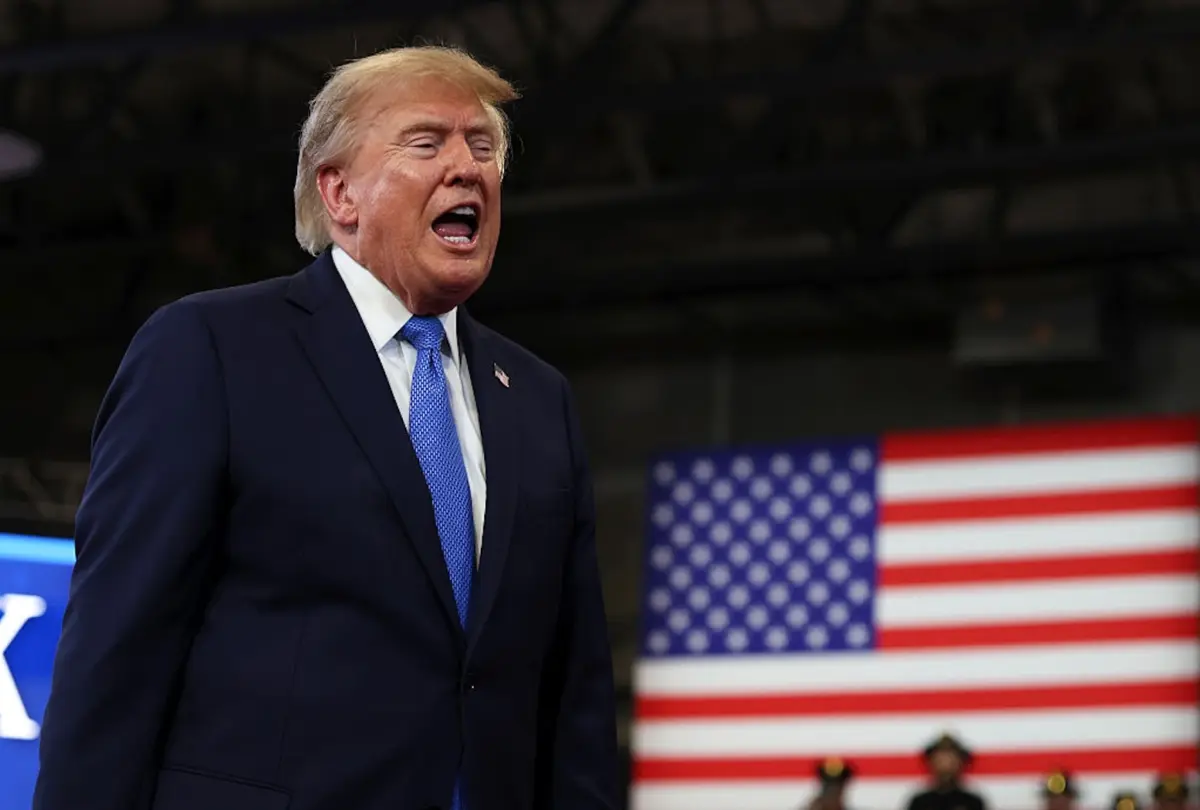
On November 3, 2026, as voters cast ballots across the United5 States, President Donald Trump directed a fierce barrage of criticism
at Fox News, one of his historically closest and most influential media allies. In a series of inflammatory posts on Truth Social, Trump accused the conservative media giant of turning against him, pandering to Democrats, and deliberately airing hit pieces disguised as public opinion polling.
The President’s public meltdown exposed a widening chasm between the populist movement that propelled him to power and the corporate leadership of conservative media. Trump’s grievances spanned multiple fronts: he claimed the network’s coverage was actively alienating its core audience, targeted individual network personalities with personal insults, and alleged that Fox Corp. leadership was secretly funneling financial support to prominent Democratic lawmakers.
While Fox News remains the dominant cable news network by viewership metrics, it has recently faced measurable audience erosion. Network executives have publicly attributed these declines to broader market forces, such as political fatigue on the eve of a major election cycle. However, Trump’s fiery rebuke underscores a recurring historical friction point: a deep-seated populist suspicion that institutional media conglomerates, even conservative-leaning ones, ultimately prioritize corporate metrics and establishment politics over unalloyed loyalty to Donald Trump.
Detailed Chronology of an Election Day Meltdown
The escalation began early on Tuesday, November 3, 2026, as the nation focused on critical midterm contests. Rather than projecting a unified front with the conservative media apparatus, Trump took to Truth Social to air longstanding grievances regarding how Fox News frames his political resurgence.
Morning Grievances and Polling Accusations
By mid-morning, Trump trained his sights on the network’s polling division, a frequent target of his ire during previous campaigns and presidential terms. Dismissing the validity of their methodologies, Trump wrote:
*"The FoxNews Poll, always the worst, is so insulting with the questions they ask. Every question is a hit job, and every answer is ‘BULLS**!’"
Trump countered these metrics by asserting that his internal popularity had never been higher, pointing to a CNN poll he claimed demonstrated overwhelming, unified support among registered Republicans. He argued that the discrepancy between independent measures of his support and Fox’s editorial output proved the network was intentionally manufacturing negative narratives.
Direct Attacks on Network Personalities
As the afternoon broadcast schedule rolled out, Trump’s frustration shifted from macro-level polling to micro-level programming choices. Watching the network’s flagship roundtable discussion program, The Five, Trump singled out liberal co-host and Democratic strategist Jessica Tarlov.
In a post that quickly drew intense media scrutiny across digital platforms, Trump launched a sharp personal attack:
"I can’t stand Jessica Tarlov’s voice — DUMB AS A ROCK, but it’s the voice that gets me."
Trump went on to inform his followers that he actively changes the channel whenever Tarlov appears on screen, a theatrical gesture designed to signal his profound distaste for the network’s inclusion of opposing political viewpoints. This targeted hostility highlights the ongoing tension within hybrid talk formats like The Five, which rely on ideological friction to generate high ratings while simultaneously provoking the wrath of conservative purists who demand ideological totalism.
Allegations of Financial Betrayal
Later in the day, Trump escalated his attack by broadening the scope of his accusations against Fox Corporation’s corporate apparatus. He publicly questioned why the corporate entity behind the network was allegedly providing financial backing to key Democratic figures and campaign committees.
Without providing hard figures or documentary evidence to substantiate his claims, Trump listed several prominent Democratic politicians, including House Minority Leader Hakeem Jeffries, along with Representatives Jamie Raskin, Ted Lieu, and Pete Aguilar, accusing them of receiving indirect institutional support tied to Fox’s corporate ecosystem. This unsupported allegation struck at the heart of Trump’s populist appeal, which thrives on the narrative of an embattled outsider fighting against a unified, bipartisan establishment.
Supporting Context & Metrics: Ratings, Reality, and Viewer Fatigue
Trump’s assault on Fox News did not materialize in a vacuum; it coincided with a verified, albeit complex, period of ratings contraction for the network.
Analyzing the October 2026 Ratings Slump
According to recent Nielsen data analyzed by industry outlets such as TheWrap, Fox News experienced a noticeable 27% year-over-year decline in its total-day audience metrics during October 2026. While these drops are significant for television executives accustomed to unyielding dominance, media analysts note that October historically represents a volatile transition period leading into major election cycles, often characterized by temporary viewer tune-out or alternative media consumption patterns.
Despite the percentage drop, Fox News retained its crown as the most-watched cable news network in the United States, outperforming competitors MSNBC and CNN by substantial margins.
Lachlan Murdoch’s Explanation vs. Trump’s Narrative
The tension between corporate explanations and Trump’s populist diagnosis came to a head just prior to Election Day. On Monday, during a financial earnings call, Fox Corp. CEO Lachlan Murdoch addressed the ratings contraction directly. Murdoch attributed the dip to widespread "viewer fatigue"—a natural consequence of an exhausted electorate navigating a hyper-saturated, continuous-cycle political media environment.
Trump aggressively rejected Murdoch’s assessment, framing the ratings slump not as a symptom of general fatigue, but as a direct referendum on the network’s perceived hostility toward his political movement. On Truth Social, Trump wrote:
"They’re way down, not because of me, but because they are AGAINST me! This happened once before, and Fox almost collapsed. It’s happening again!"
Trump’s reference to the network “almost collapsing” points back to the post-2020 election period, when a faction of his base temporarily abandoned Fox News for upstart, ultra-conservative streaming platforms like Newsmax and One America News (OAN) after the network prematurely called Arizona for Joe Biden on election night.
Official Statements and Industry Reactions
The public feud between the former president and the premier conservative television network sent immediate shockwaves through media circles, prompting varied responses from industry analysts, political strategists, and digital commentators.
- Media Watchdogs and Observers: Analysts from outlets like Mediaite and CNN Business noted that Trump’s attacks follow a well-worn playbook: whenever his media visibility dips or unfavorable data surfaces, he immediately seeks to delegitimize the messenger. By framing unfavorable polling and balanced panel discussions as acts of betrayal, Trump attempts to insulate his political brand from critical scrutiny.
- Fox Corporation Silence: As of late Tuesday evening, neither Lachlan Murdoch nor other senior Fox News executives had issued an official statement responding directly to Trump’s Truth Social tirade. Corporate strategy at the network has generally favored maintaining a degree of institutional distance from Trump’s social media outbursts, balancing the necessity of keeping his base engaged with the realities of running a publicly traded media conglomerate.
- The Democratic Perspective: While Democratic leadership declined to comment on Trump’s specific feud with Fox, operatives pointed to the President’s allegations regarding corporate donations as evidence of the chaotic and unpredictable nature of late-stage election day information flows.
Future Outlook: The Fragility of the Conservative Media Ecosystem
As the results of the 2026 midterms unfold, this high-stakes public falling-out sheds light on the fragile symbiosis between Donald Trump and conservative media institutions.
- The Loyalty Paradox: Fox News relies heavily on the MAGA movement for its prime-time ratings success, yet its corporate imperatives—such as attracting blue-chip advertisers, expanding demographic appeal, and maintaining journalistic pretenses through figures like Jessica Tarlov—frequently put it at odds with Trump’s demand for uncritical devotion.
- Alternative Media Growth: Each time public friction occurs between Trump and legacy conservative television, it provides an opening for decentralized, digital-first media ecosystems. Platforms like Rumble, X (formerly Twitter), and independent podcasts continue to capture audiences who feel mainstream conservative outlets have grown too institutional.
- Long-Term Implications: Whether Fox News can recover its lost audience share post-election remains an open question. However, one reality is clear: as long as Donald Trump commands a massive, devoted political following, his relationship with conservative media will remain volatile, defined by a perpetual cycle of transactional utility, mutual dependence, and explosive public grievances.
