

Executive Overview
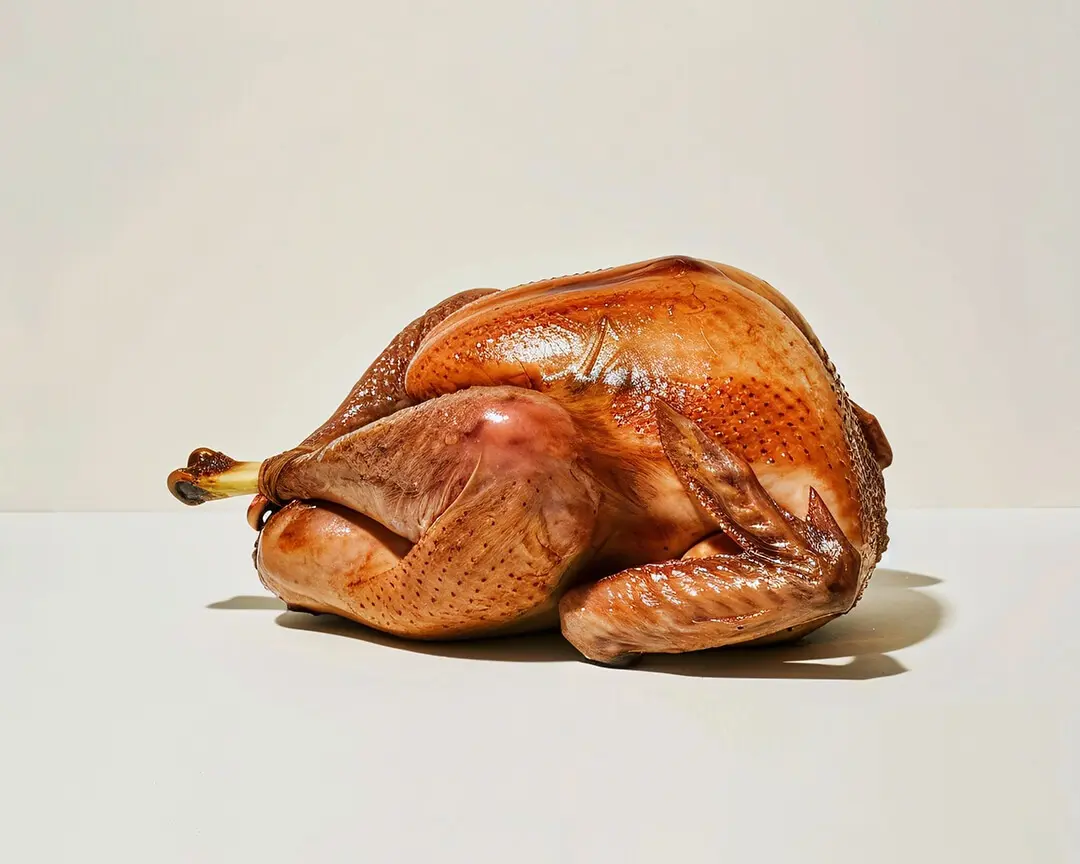
Every November, millions of households across North America reenact a familiar post-prandial ritual. The final bite of spiced pumpkin pie is swallowed, the last ceramic plate is cleared from the dining table, and a collective wave of lethargy ripples through the living room. Guests and family members alike retreat to sofas and recliners, surrendering to a heavy, inescapable drowsiness. For generations, cultural consensus has pointed an accusing finger at the centerpiece of the feast: the roast turkey.
The narrative is deeply ingrained in holiday folklore. Turkey, we are told, is packed with an amino acid called tryptophan, a chemical compound that allegedly triggers a sedative effect, resulting in the legendary "turkey coma." It is a convenient, almost charming explanation for why an afternoon football game suddenly becomes a hypnotic backdrop to a room full of snoring relatives.
However, modern nutritional science and clinical research tell a radically different story. The belief that turkey induces sleepiness is, fundamentally, a culinary myth. While turkey does indeed contain tryptophan—an essential amino acid that the human body utilizes to synthesize serotonin and melatonin—the concentration found in a standard holiday serving falls woefully short of having any pharmacological sedative impact.
To experience a physiological effect comparable to clinical treatments utilizing tryptophan, an individual would have to consume an absurd, physically impossible quantity of poultry—roughly six pounds in a single sitting. Therefore, blaming the bird for your Thanksgiving exhaustion is scientifically inaccurate. Instead, the post-meal slump is the culmination of a multi-variable physiological event: a heavy load of carbohydrates and sugars, alcohol consumption, physical fatigue from holiday preparation, and the unique emotional dynamics of extended family gatherings.
This comprehensive investigation examines the biochemistry of tryptophan, evaluates the empirical data regarding dietary intake, explores the true culprits behind the Thanksgiving fatigue phenomenon, and provides a definitive look at why our annual holiday nap is happening for entirely different reasons than we’ve been led to believe.
Detailed Chronology: How the Myth Took Flight
To understand how a harmless piece of poultry became public enemy number one in the realm of post-meal alertness, we must trace the intersection of nutritional science, cultural storytelling, and human physiology.
The Biochemical Discovery of Tryptophan
The story begins not in a commercial kitchen, but in the laboratories of biochemists during the early-to-mid 20th century. Researchers identified tryptophan as an essential amino acid, meaning the human body cannot synthesize it independently; it must be obtained through diet. Scientists soon mapped its metabolic pathways, discovering that tryptophan serves as a vital precursor to two major neurotransmitters and hormones: serotonin (which regulates mood, appetite, and sleep) and melatonin (which regulates the sleep-wake cycle).
Because supplements of L-tryptophan were later studied and marketed for their mood-stabilizing and sleep-inducing properties, the public conceptual link between tryptophan and sleep was forged.
The Cultural Codification of the "Turkey Coma"
As mass media expanded in the mid-20th century, lifestyle writers, journalists, and cartoonists began searching for relatable, ubiquitous cultural tropes. Thanksgiving offered a goldmine of shared experiences, chief among them the universal exhaustion that follows the afternoon feast.
Pop culture readily seized upon the biochemical fact that turkey contains tryptophan, stripped away the nuance of dosage and human metabolism, and created a catchy, pseudo-scientific narrative: Turkey makes you sleepy.
Over decades, this narrative was reinforced by repetition. Comedians joked about it, greeting cards illustrated it, and families passed the "fact" down through generations. By the time modern nutritional science began publicly correcting the record, the myth was already baked into the cultural identity of the holiday. It became a self-fulfilling prophecy: people feel tired after Thanksgiving dinner, assume the turkey is to blame, and perpetuate the legend to the next generation.
Supporting Context & Metrics: Breaking Down the Numbers
To truly appreciate why the turkey myth fails under scrutiny, we must examine the hard data. Nutritional science relies on precise measurements, and when we stack the tryptophan content of poultry against human physiological thresholds, the myth quickly disintegrates.
The Math of Meat: What’s Actually on Your Plate?
Let us look at the nutritional profile of a typical Thanksgiving dinner component. A single, standard 3-ounce serving of roasted turkey breast contains approximately 250 milligrams (mg) of tryptophan.
To put that figure into perspective, let us examine how much tryptophan the average American adult consumes on any given day without even thinking about it. Through typical daily protein sources—such as chicken, beef, pork, fish, eggs, and dairy products—most adults consume more than 800 milligrams of tryptophan daily as part of their standard diet. If turkey were uniquely capable of inducing a heavy, immediate coma-like state due to its tryptophan content, we would all be falling asleep at our desks every time we ate a standard chicken or ham sandwich on a Tuesday afternoon.
Clinical Doses vs. Holiday Feasting
In clinical settings, when physicians or researchers utilize tryptophan to address conditions such as insomnia or clinical depression, the therapeutic parameters are vastly different from a holiday dinner plate:
- Over-the-Counter Supplements: Standard retail capsules typically range from 500 mg to 1,000 mg per dose.
- Clinical Treatment Guidelines: According to data from the Mayo Clinic, therapeutic regimens for treating depression or sleep disorders often call for 8 to 12 grams (8,000 to 12,000 mg) of tryptophan per day.
Now, let us calculate what it would take to achieve a therapeutic dose of 8,000 milligrams using turkey alone:
- At 250 mg per 3-ounce serving, an individual would need to consume 32 separate servings.
- Weight-wise, that translates to roughly 6 pounds of turkey in a single meal.
Unless an individual is actively participating in a high-stakes, professional competitive eating contest, consuming six pounds of dense poultry is biologically improbable. Therefore, the amount of tryptophan ingested during a normal Thanksgiving meal is wholly insufficient to trigger the sedative effects attributed to it.
Other Foods with Comparable Tryptophan Levels
If tryptophan were the primary catalyst for sedation, several other everyday foods would carry the exact same reputation. Consider the following items, all of which contain roughly the same amount of tryptophan found in a standard serving of turkey:
- One standard can of tuna fish
- Two cups of whole or skim milk
- A half-cup serving of firm tofu
- A standard 3-ounce serving of roast pork
None of these foods are culturally associated with mass afternoon naps, further proving that tryptophan content alone is not the driving force behind post-meal fatigue.
Official Statements and Expert Perspectives
Nutritional scientists, sleep researchers, and medical organizations have spent years attempting to correct the public record regarding the Thanksgiving turkey myth.
Dr. Raj Dasgupta, a sleep specialist and clinical associate professor of medicine, has repeatedly noted in medical literature that turkey’s reputation is undeserved. "Tryptophan is an essential amino acid, but your body doesn’t use it in isolation," experts explain. When you eat turkey alongside a massive array of other proteins, the tryptophan must compete with numerous other amino acids to cross the blood-brain barrier. Consequently, very little of it ever reaches the brain to convert into serotonin or melatonin.
Furthermore, medical authorities consistently issue warnings regarding the casual use of over-the-counter tryptophan supplements. The Mayo Clinic and the Cleveland Clinic emphasize that while dietary tryptophan from food is entirely safe, concentrated supplements can interact dangerously with existing pharmacological treatments—particularly Selective Serotonin Reuptake Inhibitors (SSRIs) used to treat depression and anxiety. Combining high-dose tryptophan supplements with these medications can lead to serotonin syndrome, a potentially life-threatening condition characterized by agitation, confusion, rapid heart rate, and high blood pressure.
Thus, while the turkey on your plate won’t hurt you, consumers are strongly advised to consult a primary care physician before introducing high-dose amino acid supplements into their wellness routines.
Future Outlook: Redefining the Post-Meal Slump
If turkey is innocent, what is actually happening to our bodies on the fourth Thursday of November? Sleep researchers and dietitians point to a confluence of biological, behavioral, and environmental factors that combine to create the ultimate post-feast fatigue.
1. The Carbohydrate and Sugar Surge
The most significant contributor to post-meal yawns is the sheer composition of the Thanksgiving menu. Traditional holiday spreads are heavily front-loaded with simple and complex carbohydrates: mashed potatoes, stuffing, dinner rolls, candied yams, corn pudding, and multiple slices of pie.
When you consume a high-carbohydrate meal, your body experiences a spike in blood glucose. In response, the pancreas releases a surge of insulin to help clear the glucose from your bloodstream and shuttle it into your cells. This insulin spike also drives most amino acids into your muscles—except for tryptophan. With other amino acids cleared out of the way, the relative proportion of tryptophan in the bloodstream increases, making it easier for it to cross the blood-brain barrier. In short, it is not the turkey’s tryptophan acting alone, but rather the carbohydrates accompanying the meal that set the biochemical stage for sleepiness. Furthermore, the massive digestive effort required to process a high-calorie, high-fat feast redirects blood flow away from the brain and toward the gastrointestinal tract, inducing a natural state of physical sluggishness.
2. Alcohol Consumption
Thanksgiving is frequently celebrated with festive beverages—wine, beer, cocktails, or champagne. Alcohol is a central nervous system depressant. While an initial glass of wine might make a guest feel lively and conversational, the systemic breakdown of alcohol leads to drowsiness, sedation, and a fragmented sleep cycle later that night.
3. Physical Exhaustion and Stress
The lead-up to Thanksgiving is rarely relaxing for everyone involved. Hosts often spend days cleaning, grocery shopping, and toiling in the kitchen for hours on end. Guests may wake up early to travel, run a morning "Turkey Trot" charity race, or manage the high-stress logistics of holiday hosting. By the time the meal is finally consumed, many people are operating on a sleep deficit and physical exhaustion.
4. Emotional Energy and Family Dynamics
Spending intensive hours interacting with extended family members—navigating generational differences, political discussions, and family history—requires immense emotional and cognitive energy. Once the meal is finished and the social obligations are temporarily satisfied, the psychological decompression feels intensely like physical exhaustion.
Conclusion: Embrace the Nap
As nutritional science continues to debunk culinary folklore, we can finally acquit the Thanksgiving turkey of its long-standing criminal record. The bird is innocent.
Instead of blaming the poultry, recognize the post-Thanksgiving nap for what it truly is: the natural, predictable result of a massive caloric intake, a heavy carbohydrate load, physical overexertion, and the blissful relief of a job well done.
So, as long as the head chef, host, or your responsibilities have given you formal permission to sign off, do not hesitate. Clear the plates, loosen your belt, and go lie down with genuine gratitude—secure in the knowledge that science is right there on the couch beside you.
