

Executive Overview
In the modern digital landscape, search engines have evolved far beyond simple keyword-matching directories. They have transformed into sophisticated answer engines designed to interpret, anticipate, and satisfy human curiosity. With billions of queries processed daily across global search infrastructure, consumer behavior has shifted dramatically toward conversational search patterns. This paradigm shift is heavily accelerated by the widespread adoption of voice-activated assistants and mobile search devices.
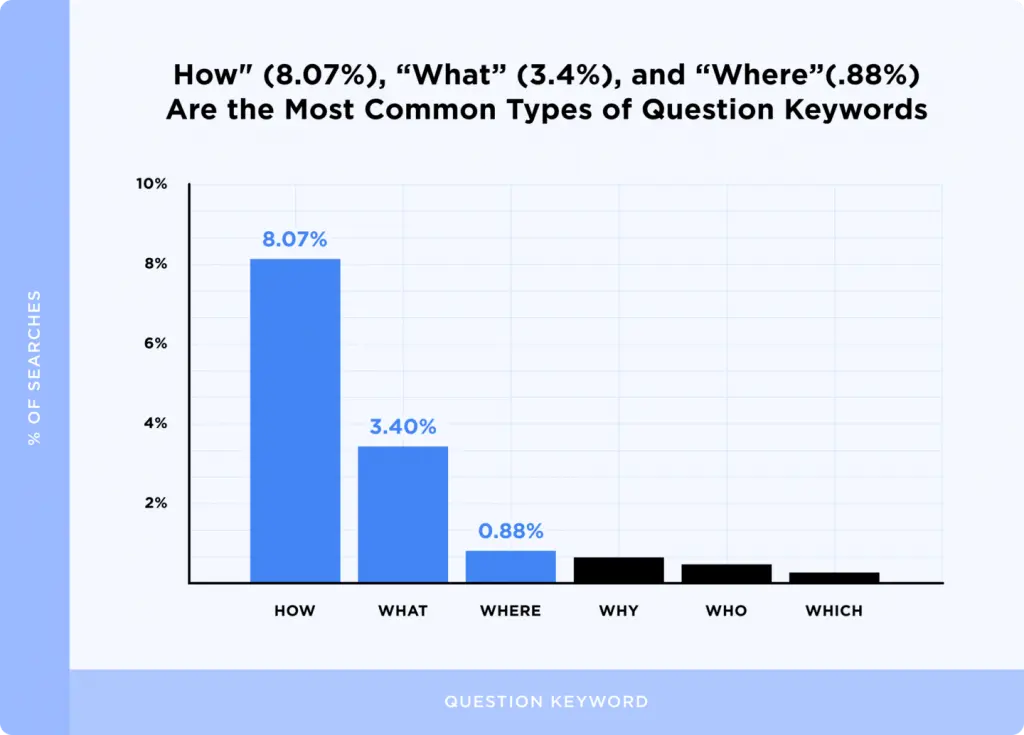
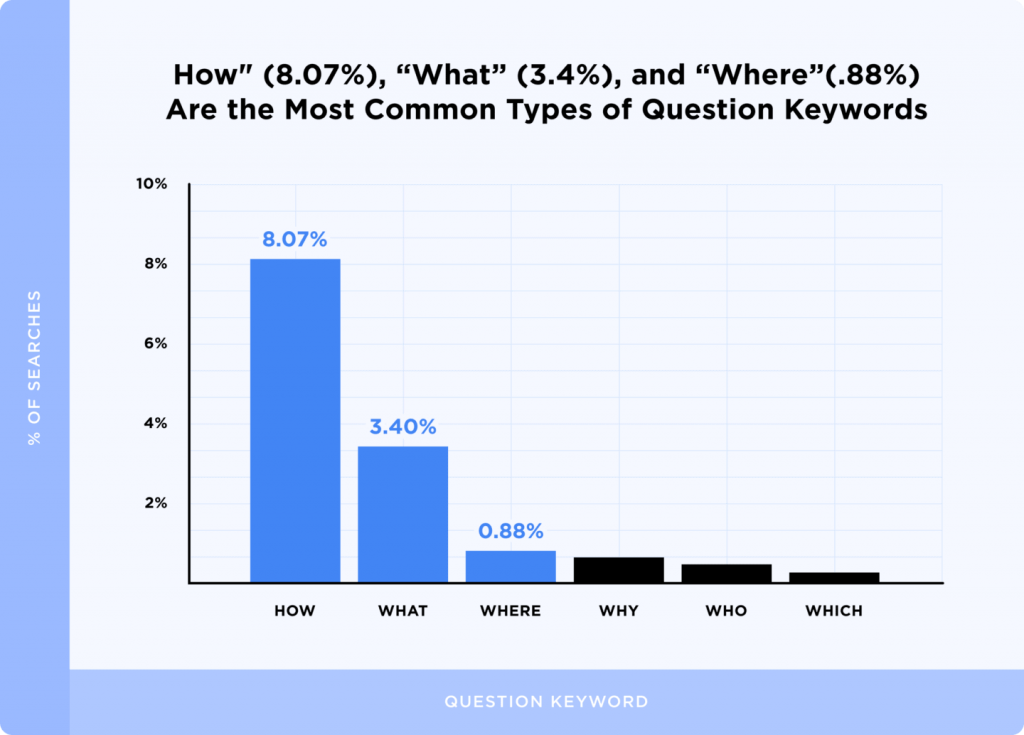
Recent search engine studies reveal a striking statistic: approximately 14.1% of all Google search queries are structured as questions. When applied to a staggering baseline of 3.5 billion daily searches, this percentage translates to roughly 490 million questions asked every single day. Linguistic analysis of these queries further indicates that interrogative terms such as "how" (accounting for 8.07% of queries) and "what" (accounting for 3.4%) dominate user behavior.

For digital marketers, content creators, and enterprise SEO strategists, this vast ecosystem of queries represents an unprecedented commercial opportunity. Question-based keywords are typically long-tail terms characterized by two distinct advantages: exceptionally high user intent and remarkably low keyword competition. By systematically uncovering and targeting these queries, businesses can position their products, services, or affiliate offers directly at the precise moment a potential customer is seeking a solution.
This comprehensive report examines four scalable methodologies for uncovering high-value, low-competition question keywords, transforming raw consumer curiosity into actionable, revenue-driving content pipelines.

Detailed Chronology: The Evolution of Search and Interrogative Intent
To understand why question-based keyword research has become paramount to modern search engine optimization (SEO), one must examine the chronological progression of search engine algorithms and user habits.
Early Search Paradigms: The Era of Shorthand Strings
In the nascent days of commercial search engines, users were conditioned to truncate their thoughts into fragmented, machine-like strings of text. A user seeking advice on customer relationship management software would typically type rudimentary phrases like "CRM software" or "best CRM systems". Search engines, relying primarily on exact-match keyword density and primitive link-analysis algorithms, would return broad directories or generic software vendor homepages.
The Conversational Turn and Voice Search Integration
As broadband internet matured and mobile devices became ubiquitous, user behavior underwent a seismic shift. The introduction of natural language processing (NLP) models, combined with the rise of voice-activated search interfaces like Siri, Alexa, and Google Assistant, eliminated the need for shorthand syntax. Users no longer needed to adapt to the machine; rather, machines learned to adapt to human speech patterns.
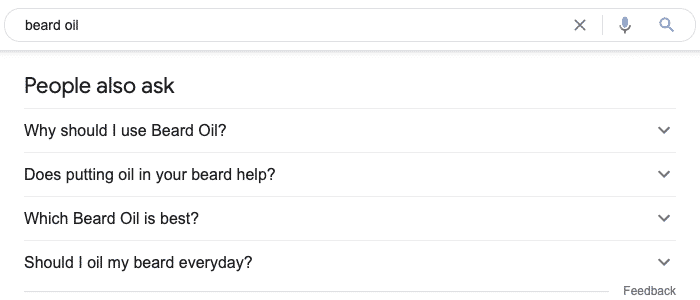
Consumers began typing and speaking in complete sentences. Queries transformed from "CRM software" to "What is the best CRM software for a small healthcare practice that integrates with an existing ERP system?" This evolutionary leap created a massive surge in long-tail, question-based search strings. Search engines responded by introducing specialized UI elements designed to capture this intent, most notably the People Also Ask (PAA) boxes and rich featured snippets.

Supporting Context & Metrics: Why Question Keywords Are a Conversion Goldmine
For digital strategists allocating limited content budgets, prioritizing question-based keywords offers a two-pronged structural advantage over traditional, broad-match head terms.
1. High Commercial and Informational Intent
When a user inputs a question into a search engine bar, they are signaling a high degree of active intent. Unlike broad navigational searches where a user may just be browsing, interrogative queries usually stem from a specific, pressing pain point.

- A user asking, "How do I integrate my CRM with my accounting software?" is actively struggling with a workflow bottleneck.
- A user asking, "Is HubSpot HIPAA compliant?" is likely evaluating enterprise software options under strict regulatory constraints.
These high-intent moments provide content creators with a frictionless opportunity to introduce a product, software feature, or affiliate offering directly into the narrative as the definitive solution to the user’s problem.
2. Lower Keyword Difficulty (KD) and Reduced Barrier to Entry
Head terms like "CRM" or "beard oil" are fiercely contested by enterprise giants wielding massive domain authority and extensive backlink profiles. Ranking for these head terms requires exhaustive content creation and aggressive link-building campaigns.

Conversely, long-tail question keywords are inherently more specific, resulting in significantly lower search competition. In many instances, content creators can secure first-page rankings for question-based keywords with targeted, highly focused articles—often without needing to build a single backlink. Metrics provided by enterprise SEO platforms like Semrush consistently show that specific, multi-word interrogative queries fall comfortably into the "easy" or "possible" keyword difficulty brackets.
Four Advanced Methods to Scale Question-Based Keyword Research
Scaling the manual discovery of hundreds of question keywords is inefficient. Below are four proven, systematic methodologies designed to automate and expand question-based keyword research workflows using industry-standard SEO toolkits.

+-----------------------------------------------------------------+
|               4 Ways to Find Question Keywords                  |
+-----------------------------------------------------------------+
          |                                     |
          v                                     v
 1. Question-Based Reports              2. People Also Ask (PAA)
    - Seed topic input                      - Chrome extensions (SEO Minion)
    - Intent & grouping filters             - Export & bulk metric analysis
          |                                     |
          v                                     v
 3. Subreddit Mining                    4. Quora Thread Mining
    - Niche community research              - Forum intent analysis
    - Advanced subfolder filters            - Long-tail modifier targeting
Method 1: Leveraging Dedicated Question-Based Keyword Reports
Most enterprise-grade SEO suites, including Semrush and Ahrefs, feature robust keyword database filters designed to isolate interrogative strings from millions of indexed search queries.
- Execution: Input a broad seed topic (e.g., "CRM") into the platform’s keyword research tool. Navigate to the advanced filter settings and select the "Questions" modifier tab.
- Data Extraction: The platform will generate a comprehensive report categorizing queries by search volume, CPC, and Keyword Difficulty (KD).
- Granular Exploration: While top-tier results will display broad queries (e.g., "What is a CRM?"), scrolling further down the report reveals ultra-specific, low-competition long-tail queries (e.g., "Can a CRM be integrated with an ERP?" or "What features should I look for in a sales database?").
- Optimization Tip: Utilize built-in Intent and Grouping filters to instantly isolate informational or commercial-intent questions, allowing you to map specific queries directly to top-of-funnel blog posts or bottom-of-funnel product comparison pages.
Method 2: Mining Google’s "People Also Ask" (PAA) Ecosystem
Google’s PAA boxes are a direct reflection of real-time consumer curiosity. However, copying and pasting these questions manually is entirely unscalable.

- Execution: Install a reliable SERP scraping utility, such as the free SEO Minion Chrome extension. Enter your primary seed keyword into Google and let the tool interact with the search engine results page (SERP).
- Bulk Export: Use the extension to expand and export the top 100 to 200 organic PAA results directly into a CSV file. The exported data will typically include fields such as PAA Title, corresponding text snippets, source URLs, and URL titles.
- Metric Enrichment: Copy the extracted list of questions and paste them into the Semrush Keyword Overview or equivalent batch analysis tool.
- Filtering for Gems: Analyze the batch report for search volume and keyword difficulty metrics. While every 100 extracted PAA queries may yield only a handful of high-volume, low-competition opportunities, repeating this process across multiple seed terms yields a robust content calendar of targeted sub-topics and cluster pages.
Method 3: Subreddit Mining for Niche Pain Points
Online forums like Reddit serve as unvarnished focus groups where consumers and professionals openly discuss their software frustrations, operational bottlenecks, and product preferences.
- Execution: Navigate to Reddit and search for communities (subreddits) tied directly to your industry, product category, or competitor ecosystem (e.g.,
r/CRM). - Organic Research Mapping: Take the specific URL of that subreddit and plug it into the Organic Research report of an SEO platform like Semrush, ensuring the subfolder filter is active.
- Advanced Filtering: Layer on strict filters to isolate high-value queries. For example, set the minimum search volume to 20+ and apply an advanced word-count filter to include queries longer than two words.
- Identifying Differentiators: Scan the results for comparative and descriptive queries. You may uncover low-difficulty keywords like "HIPAA compliant CRM" or "Is HubSpot HIPAA compliant?". These insights allow agile competitors to craft specialized positioning content addressing specific compliance or feature gaps that major industry players may overlook.
Method 4: Mining High-Traffic Quora Threads
Quora is a powerhouse forum that frequently dominates SERP real estate for complex, multi-faceted consumer questions.

- Execution: Access the Organic Research database within your preferred SEO suite. Input
quora.comas the target domain, and apply advanced URL path filters alongside keyword inclusion modifiers (e.g., combining your core topic like "beard oil" with interrogative modifiers like "how" or "best"). - Targeting Low-Competition Threads: Review the resulting keyword list for green or light-yellow KD scores. You will unearth specific, highly nuanced questions that traditional keyword research tools often miss (e.g., "How to fix patchiness when growing a beard using natural oils?").
- Content Integration: Use the "add to list" feature within your keyword manager to compile these forum-derived queries into a master sheet, transforming them into comprehensive content briefs for your writing team.
Official Statements and Expert Insights
Industry authorities emphasize that the integration of artificial intelligence and machine learning into search engine algorithms makes human-centric question research more critical than ever.
Search engine representatives have repeatedly noted that modern algorithms are specifically engineered to reward content that demonstrates genuine experience, expertise, authoritativeness, and trustworthiness (E-E-A-T). When creators answer specific, niche consumer questions with depth, nuance, and firsthand product knowledge, search engines recognize that content as a superior satisfaction mechanism for the user’s query.
Furthermore, leading SEO strategists point out that question-based optimization directly future-proofs digital assets against ongoing algorithm updates. As search engines continue to prioritize zero-click answers and direct conversational snippets, owning the question-and-answer ecosystem ensures sustained brand visibility across both traditional desktop displays and emerging voice-search platforms.
Future Outlook: The Next Frontier of Interrogative Search
Looking ahead, the landscape of question-based keyword research is poised for accelerated transformation driven by generative artificial intelligence (GenAI) and conversational search interfaces like Google’s Search Generative Experience (SGE) and OpenAI-powered search features.
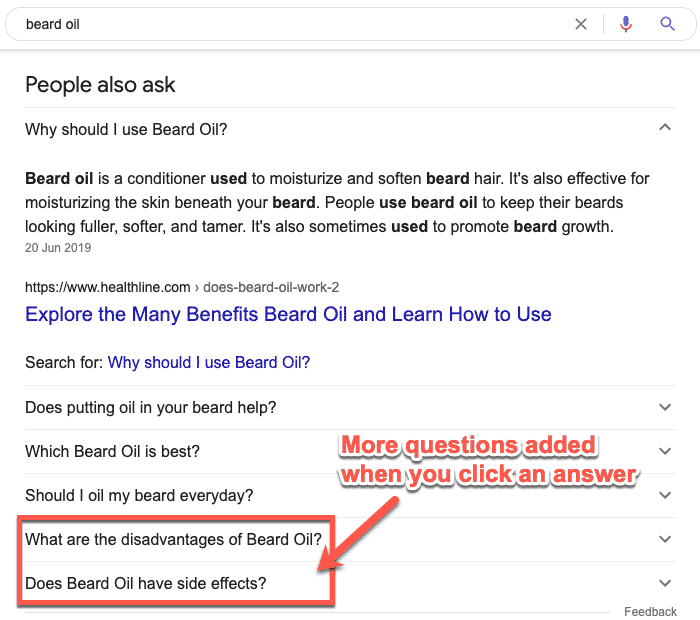
As search engines increasingly synthesize direct answers via conversational AI summaries rather than relying solely on traditional ten-blue-link results, the nature of content consumption will shift. Users will engage in multi-turn, conversational dialogues with search engines, asking follow-up questions in real time.
For content publishers and digital marketers, this evolution underscores the imperative to move beyond surface-level keyword insertion. Future-proof SEO strategies will require the creation of interconnected, highly granular content webs that comprehensively answer every possible sub-question a user might ask along their buyer journey. By mastering the four scaling methodologies outlined in this report—leveraging SEO databases, PAA scrapers, forum mining, and competitor analysis—organizations can build resilient, high-intent traffic funnels capable of thriving in the evolving generative search era.