

Executive Overview
In the pantheon of pomological taxonomy, few sub-categories evoke as much textural and gustatory intrigue as the russet apple. Characterized by their parchment-like, reticulated skin and complex, often nutty flavor profiles, russets occupy a singular space between historical preservation and artisanal culinary appreciation.
Following a brief hiatus necessitated by an acute bout of vertigo—subsequently verified as non-influenza-related through rigorous diagnostics, though the theoretical possibility of nocturnal mammalian intrusion ("head bats") remains unrefuted—pomological evaluation has triumphantly resumed.
This installment delivers a double-feature analysis focusing on two distinguished mid-19th-century selections sourced from the Scott Farm orchards: the British-born Claygate Pearmain and the German-born Zabergau Reinette.
Rather than framing this evaluation as a hostile, zero-sum combat scenario—a common journalistic trope in modern produce reviews—this investigation explores these two cultivars through the lens of parallel evolution. Despite emerging from distinct European landscapes during the same era, the Claygate Pearmain and Zabergau Reinette share a startling array of pomological DNA, structural mouthfeels, and aromatic compounds.
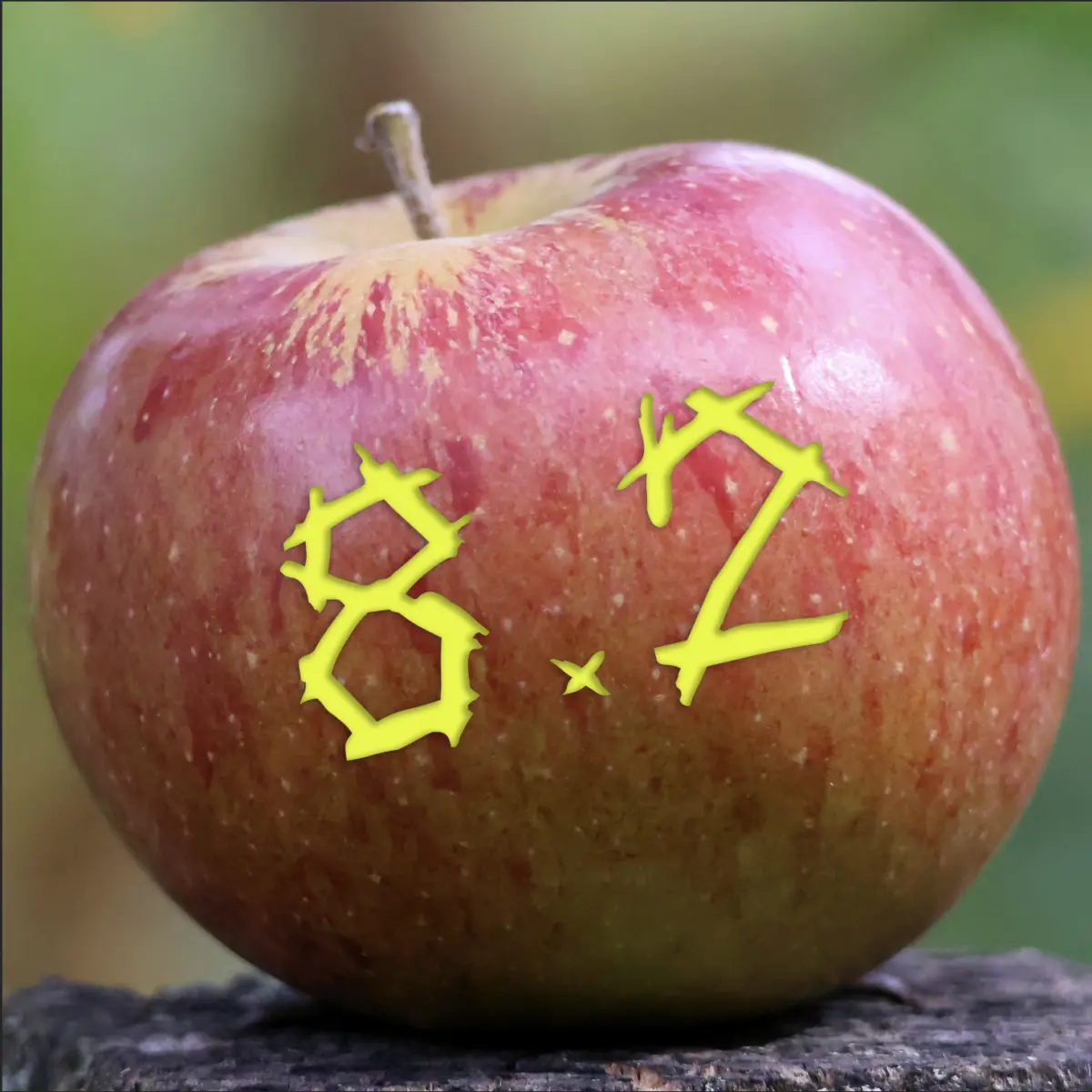
Ultimately, both varieties earned a stellar, dead-heat Final Score of 8.2 out of 10, solidifying their status as masters of the "crunft" spectrum—that delicate, elusive middle ground between hard crunch and soft give.

Detailed Chronology: The Return to the Orchard and the Anatomy of a Double-Feature
The Recovery Phase and Live-Performance Interlude
The resumption of the 2026 apple evaluation circuit was briefly waylaid by an unannounced siege of vertigo and dizziness. While such vestibular disruptions routinely sideline normal daily operations, recovery was successfully expedited in time to attend a live performance by comedian Patton Oswalt. Critical consensus from the author strongly advises immediate attendance should readers find themselves within geographic proximity of his touring schedule.
With physiological equilibrium restored—and influenza definitively ruled out via negative testing, leaving barometric pressure shifts, suspect shrimp, or phantom chiropteran encounters as the primary suspects—the focus pivoted squarely back to pomology.
Introducing the Contenders (Which Are Not Actually Fighting)
While initial framing playfully teased a "VERSUS MODE BATTLE MATCH," closer inspection revealed that pitting the Claygate Pearmain against the Zabergau Reinette would be akin to comparing two alternate-reality variants of the exact same fruit entity.
- The Claygate Pearmain: Originating in the United Kingdom during the mid-1800s, this cultivar bears the classic "pearmain" moniker, pointing toward historical associations with pear-like aromatic profiles.
- The Zabergau Reinette: Hailing from Germany during the same mid-19th-century window, this robust European selection brings its own heavy-hitting tannin structure and assertive size to the table.
Both varieties arrived from Scott Farm as self-sterile selections historically prized for a dual-purpose life path: equally viable for fresh eating out of hand or pressed into complex, artisanal ciders.
Supporting Context & Metrics: Shared Traits and Divergent Nuances
To truly understand the weight of an 8.2 score, one must examine the empirical overlap and subtle sensory divergences separating these two russet heavyweights.

The Commonalities: Texture, Skin, and Flavor Architecture
- Tactile Aesthetics (The Exfoliant Quality):
Both apples display a pronounced russeting. The skin texture can be accurately described as resembling dry parchment paper. While not possessing the aggressive, knobby protrusions of a true Knobbed Russet, their tactile roughness is substantial enough to joke about utilizing them as bespoke facial exfoliants. - The "Crunft" Spectrum:
In terms of density and structural integrity, neither apple falls into the trap of being aggressively hard or frustratingly soft. Instead, they occupy the golden mean between crunch and soft—a state officially designated as "crunft." - Hydration Levels:
Both varieties are properly juicy without crossing into the territory of excessive messiness ("splooshin’ it up"). The moisture is retained efficiently within the flesh. - Aromatic and Flavor Notes:
Both cultivars exhibit strong, foundational pear notes running parallel to their primary russet flavor profile. This profile manifests as a sweet-tart dynamic underscored by a subtle, anisey-licoricey back note. Furthermore, piercing the initial tartness reveals a comforting, pecan-like nuttiness that grounds the tasting experience.
The Divergences: Mouth-Feel and Sugar Ratios
Despite their striking similarities, microscopic examination of the sensory data reveals distinct points of divergence:
- Tannin Activity and Oral Feedback:
The Zabergau Reinette boasts a higher tannin concentration. Typically, high tannins result in a standard moisture-wicking dryness on the palate. However, the Zabergau produced a unique physiological reaction: a distinct buzz and vibration on the inner lining of the lips, creating the whimsical sensation that the apple was attempting to consume the taster in return. This tingling effect lingered long after consumption. - Pear-Forward Dominance:
Ironically, despite the "pearmain" designation belonging explicitly to the Claygate, the Zabergau Reinette proved to be the more aggressively pear-forward of the two. - Sugar Ratios and Flavor Accents:
- Claygate Pearmain: Leans slightly sweeter, operating on roughly a 60/40 sweetness-to-tartness split. Its sweetness carries a distinct honeyed undertone, evoking memories of breakfast cereals (specifically, subtle flavor notes reminiscent of Honey Nut Cheerios).
- Zabergau Reinette: Balances closer to a 50/50 split, relying less on honeyed nostalgia and more on its robust tannin-driven structural bite.
Official Statements and Horticultural Metadata
The visual composition accompanying this review features a deliberate arrangement of historical cultivars. From left to right, the photographic evidence displays:
- Zabergau Reinette
- Grimes Golden
- Claygate Pearmain
In light of their nearly identical performance metrics, both fruits have been officially inducted into the upper echelons of the 2026 tasting ledger.
- Final Score: 8.2 / 10 (awarded to both fine, exfoliant round boys).
- Cultural Classification: Brothers from another mother, twins separated at birth, nutty funky russet lads. (Note: This descriptor also serves as the foundational identity for a newly minted cottagecore EDM-fado band founded in Manchester, scheduled for live deployment at the Wicker Man festival in February).
Future Outlook
As the 2026 apple review season marches inexorably forward, the discovery of the Claygate-Zabergau parallel underscores the infinite variety hiding beneath the rustic exterior of heirloom pomology. With vertigo firmly in the rear-view mirror and an extensive backlog of historic and modern cultivars already cataloged—ranging from the iconic Honeycrisp and Cox’s Orange Pippin of previous years to contemporary heavyweights like SweeTango, SnapDragon, and the esteemed Reine des Reinettes—the commitment to exhaustive, sensory-driven fruit journalism remains unwavering.
Onward we go into the orchard.
