

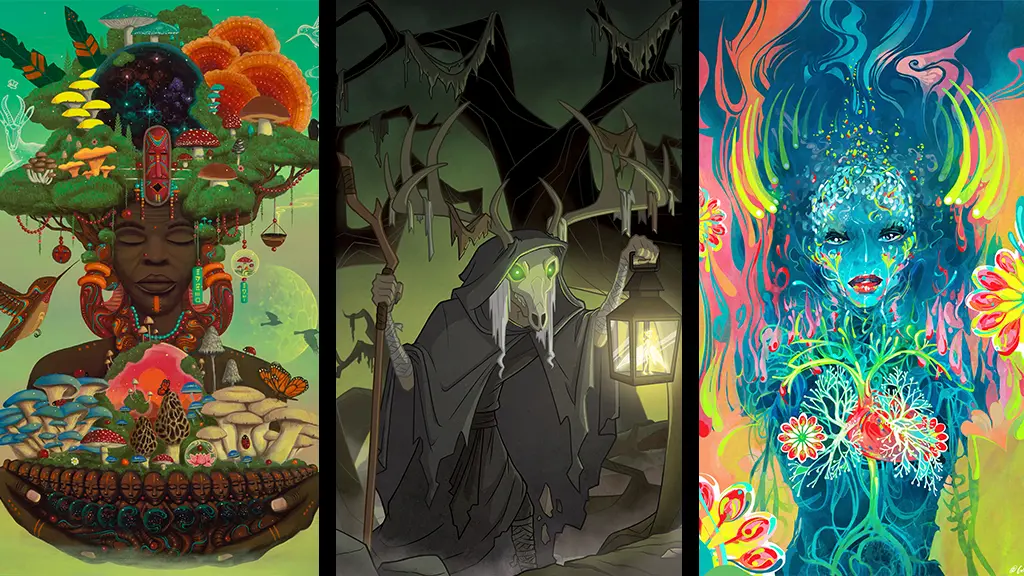
In the contemporary literary ecosystem, independent speculative fiction venues serve as vital incubators for groundbreaking narratives, visionary poetry, and incisive critical discourse. Among these, the Hugo Award-winning Uncanny Magazine has distinguished itself as a cultural anchor, championing diverse voices and immersive speculative storytelling. As the publication faces the financial realities of sustaining its operations into its thirteenth year, the magazine’s leadership has turned to the global reader community through a high-profile crowdfunding campaign: Uncanny Magazine Year 13: The Space Unicorn Believes in YOU!
Simultaneously, this milestone invites a retrospective examination of the publication’s inner workings, specifically through the lens of its long-running print interview series. Authored by acclaimed speculative fiction writer Caroline M. Yoachim—whose notable credentials include four Hugo Award nominations, seven Nebula Award nominations, and an Ignyte Award—the magazine’s interviews have spent seven and a half years charting the creative minds behind modern science fiction and fantasy. Across fifty issues and roughly one hundred in-depth conversations, Yoachim has cultivated a unique vantage point on the mechanics of contemporary authorship.
This report synthesizes Yoachim’s critical insights regarding the writing process, the psychological architecture of research, the enduring imperative of human authorship in an era of automated text generation, and the structural pressures facing independent literary enterprises today.
Detailed Chronology: Seven and a Half Years of Uncanny Dialogue
The history of Uncanny Magazine’s print interview segment is intertwined with the publication’s broader mission to bridge the gap between audience and creator. Initiated in 2018 under Yoachim’s stewardship, the interview column evolved into a cornerstone of the magazine’s physical and digital editions. Over a span of seventy-five months, the feature chronicled a dynamic cross-section of speculative fiction’s most innovative minds.
The Inception of the Series (2018)
When Yoachim first assumed the role of print interviewer, the objective was straightforward: establish a bridge between the finished literary artifact and the iterative, often chaotic human effort required to produce it. Early installments focused heavily on the initial sparks of inspiration, establishing a baseline methodology for dissecting how short stories transition from ephemeral conceptual notions into fully realized narrative structures.
Expansion and Methodological Evolution (2019–2023)
As the series matured across dozens of issues, the scope of inquiry expanded. Yoachim moved beyond standard craft questions to investigate the extensive research methodologies employed by authors. Whether tracing historical migrations or investigating regional folklore, the interviews began mapping the unseen labor that underpins speculative worldbuilding. By the turn of the decade, the column had established a recognizable rhythm: balancing foundational creative queries with unexpected, offbeat psychological prompts designed to catch authors off-guard and reveal the thematic undercurrents of their fiction.
The Contemporary Milestone and Crowdfunding Phase (2026)
Marking fifty issues and one hundred completed interviews, the feature stands as an invaluable archive of modern creative technique. This editorial longevity coincides with a critical operational juncture for the publication as a whole. In mid-2026, Uncanny Magazine launched its Year 13 Kickstarter initiative, thrusting the long-term viability of independent genre publishing back into the spotlight and prompting a public reflection on the cultural value of human-authored literature.
Supporting Context & Metrics: Anatomy of the Craft
Yoachim’s sweeping retrospective on her tenure as an interviewer offers concrete data points regarding how stories are conceived, researched, and executed. Her findings challenge monolithic writing advice, emphasizing instead the profoundly idiosyncratic nature of creative production.
1. The Decentralization of the Writing Process
A recurring theme across Yoachim’s hundred interviews is the absence of a universal "correct" writing process. While foundational inspiration can arrive from virtually anywhere—ranging from reality television broadcasts (as seen in Chimera) to geographical anomalies like flooded Greek villages (Thicker) or cinematic ballroom choreography (The Pandemonium Waltz)—the execution phase defies standardization.
Authors interviewed by Yoachim report divergent pathways to completion:
- The Pantser Approach: Discovering the narrative organically through continuous drafting without a rigid blueprint.
- The Architect Approach: Meticulously outlining structural beats, character arcs, and thematic milestones before generating prose.
- The Iterative Revisionist: Writing rough drafts at high velocity followed by intensive, multi-layered structural overhauls.
This plurality demonstrates that creative advice must remain flexible; the definitive process is simply whatever methodology successfully brings a narrative from conception to completion.
2. The Mechanics of Research and Worldbuilding Depth
Research functions as a foundational pillar for speculative fiction, grounding fantastical elements in tangible realism or emotional resonance. Yoachim’s interviews highlight three distinct ways authors leverage research:
- Speculative Grounding: Authors such as Catherynne M. Valente (When He Calls Your Name) draw directly from multi-cultural mythologies—incorporating Romani, Greek, and Hebrew folklore—to construct the speculative architecture of their tales.
- Atmospheric Evocation: Recreating a precise cultural vibe or sense of place often requires immersive field observation. For Permanent Press, author Sunwoo Jeong observed local neighborhood laundromats to absorb the authentic atmosphere required for the setting. Similarly, Wen-yi Lee (Red, Scuttle When the Ships Come Down) utilized historical frameworks of British colonialism and 19th- to 20th-century migrations to build a surreal context unmoored from a specific chronological timeline.
- Micro-Detail Authenticity: Often, extensive research is deployed for fleeting narrative moments. AnaMaria Curtis (The Glass City), for instance, investigated the botanical origins and physical properties of regional fruits—specifically evaluating whether pawpaws could withstand being thrown over a wall—illustrating the granular dedication required to sell a minor plot point.
These deliberate authorial choices, rooted in human curiosity and contextual understanding, inject a layer of depth and texture that automated text generators cannot replicate.
3. The Psychology of Literary Play
To maintain narrative pacing within the interviews themselves, Yoachim deliberately integrated lighthearted, offbeat questions near the midpoint of each conversation. By asking authors to step into their characters’ shoes through surreal hypotheticals—such as P. Djèli Clark reflecting on the acceptance of divine godhood, Natalia Theodoridou contemplating angelic trinkets, or Christopher Caldwell assigning tarot cards—the interviews expose the deeper psychological relationship between creators and their fictional avatars. These playful inquiries simultaneously engage the readership, inviting them to interrogate the text through an interactive, imaginative framework.
Official Statements and Industry Insights
The intersection of Yoachim’s editorial reflections and the current state of independent publishing highlights a broader industry discourse surrounding human authorship, artistic labor, and market sustainability.
"Being able to talk to dozens of authors about their process has really driven home for me that there are so many ways to write a story, there is no one size fits all writing advice, and in the end authors just have to do the thing that works," noted Caroline M. Yoachim, reflecting on her seven-and-a-half-year retrospective.
Furthermore, Yoachim emphasizes the vital distinction between human-driven literary creation and the rise of automated content generation:
"Research adds depth and realism to stories… These decisions shape the final story in ways that AI-generated texts cannot replicate. Going down the research rabbit hole is one of the things that makes human writing, well, human."
Addressing the logistical realities of running a premier literary publication, the magazine’s editorial board, spearheaded by Editor-in-Chief Michael Damian Thomas alongside the broader Uncanny Magazine staff, underscores the collaborative effort required to maintain high artistic standards. Producing a bi-monthly magazine populated by original fiction, poetry, essays, and companion podcasts demands continuous community investment and institutional backing.
Future Outlook: Securing Year 13 and Beyond
As Uncanny Magazine navigates the financial complexities of the digital publishing landscape, the immediate future of the publication hinges on the success of its current funding initiative. The Uncanny Magazine Year 13: The Space Unicorn Believes in YOU! Kickstarter campaign represents more than a simple budgetary target; it is a referendum on the sustainability of paying professional rates to writers, artists, poets, and essayists in an increasingly automated media environment.
Strategic Implications for Independent Publishing
- Community-Driven Financing: Crowdfunding models continue to serve as the primary financial safety net for independent speculative fiction venues, insulating editorial independence from volatile advertising markets and corporate platform shifts.
- Value Proposition of Human Art: Publications like Uncanny reinforce their market value by leaning heavily into the personality, humanity, and deep creative labor of their contributors—elements exemplified by Yoachim’s long-running interview column.
- Archival Legacy: The accumulation of intellectual property, creator interviews, and critical essays forms an enduring literary archive that influences generations of emerging speculative fiction authors.
With backer rewards ranging from digital and physical subscriptions to signed books, manuscript critiques, and exclusive online hangouts, the Year 13 campaign provides a structured pathway for readers to directly participate in the preservation of award-winning independent literature. As Yoachim and the editorial team look toward the publication’s second decade, the continuity of Uncanny Magazine depends upon maintaining the symbiotic relationship between creators, editors, and an engaged global audience.