

Executive Overview
Across suburban and regional Australia, an estimated half of all households engage in a deeply cherished daily routine: putting out seeds, suet, or scraps to welcome wild birds into their gardens. For millions, this quiet communion with nature offers a vital connection to local wildlife, providing a sense of stewardship and ecological harmony. However, as a lethal and rapidly mutating strain of avian influenza—H5N1—takes a devastating foothold across the Australian continent, conservationists and biosecurity experts are issuing an urgent, unambiguous warning.
Backyard feeding stations, long regarded as harmless sanctuaries, risk operating as viral superspreader events. By artificially clustering multiple bird species—and the scavengers that trail them—in unnatural densities, these backyard oases create ideal transmission hotspots for a pathogen that has already decimated global wildlife populations. Recent mass mortality events, including the deaths of over 1,000 crested terns and the tragic milestone of mainland Australia’s first marine mammal fatality in a long-nosed fur seal, underscore the gravity of the threat.
While public health authorities maintain that human infection remains rare, the ecological stakes could not be higher. Endangered species already hovering on the brink of extinction, such as the orange-bellied parrot, face unprecedented compounding pressures if H5N1 takes root in localized feeding hubs. This report investigates the intersection of suburban wildlife feeding and contemporary biosecurity, examining the mechanics of avian influenza transmission, detailing the timeline of the current outbreak, and outlining critical mitigation strategies that every citizen must adopt to protect Australia’s unique biodiversity.
Detailed Chronology: The Escalation of H5N1 in Australia
To understand the vulnerability of backyard ecosystems, one must examine the rapid and alarming trajectory of the H5N1 virus as it breached Australia’s geographic isolation. For decades, Australia stood as one of the last major landmasses spared from the devastating global waves of the highly pathogenic avian influenza (HPAI) H5N1 strain, which has swept across North America, Europe, Asia, and Antarctica over recent years, eradicating millions of wild birds and hundreds of mammalian species.
- Late 2024 to Mid-2025 (The Global Precedent): International data highlights the unprecedented adaptability of the H5N1 lineage. Unlike historical strains of avian flu that predominantly impacted domestic poultry and resolved quickly, this contemporary genotype has demonstrated a terrifying cross-species capacity, infecting marine mammals, felines, mustelids, and scavengers. Australian biosecurity agencies heightened surveillance along coastal migratory routes, anticipating the inevitable arrival of infected migratory shorebirds.
- Early 2026 (The First Incursions): Isolated detections of HPAI began appearing in remote offshore territories and select coastal sectors, triggering emergency response protocols. Wildlife health networks braced for impact as migratory birds arrived from the Northern Hemisphere, carrying the virus across flyways.
- August 2026 (The Crested Tern Mass Mortality): The crisis intensified dramatically with a confirmed mass mortality event. More than 1,000 crested terns were found dead or dying in concentrated coastal zones, overwhelming local wildlife carers and signaling that the virus had achieved efficient transmission capabilities within colonial seabird populations.
- Late August 2026 (The Mainland Mammal Milestone): In what conservation scientists have termed a grim and predictable milestone, the virus crossed the species barrier into an Australian mainland mammal for the first time, claiming the life of a long-nosed fur seal. This event shattered the illusion that the outbreak could be contained strictly within avian populations, demonstrating that coastal scavengers and marine life sharing the intertidal zone were directly exposed.
- Present Day (The Backyard Threat Multiplier): With the virus actively circulating in wild populations, attention has turned inland. Millions of suburban backyards now represent an unmonitored risk variable. Because infected birds can shed the virus via saliva, nasal secretions, and feces before displaying outward symptoms of illness, suburban feeding stations risk functioning as inadvertent vector hubs, bridging the gap between wild pathogen reservoirs and urban wildlife populations.
Supporting Context & Metrics: The Science of Suburban Transmission
To grasp why backyard feeding poses such a formidable biosecurity risk, it is necessary to analyze the behavioral ecology of suburban birds and the epidemiological dynamics of H5N1.
Unnatural Aggregation and Interspecies Contact
In a natural setting, avian species maintain distinct foraging territories, moving across landscapes in loose flocks or solitary pairs. This dispersion acts as a natural defense mechanism against infectious disease, limiting the frequency and density of direct contact.
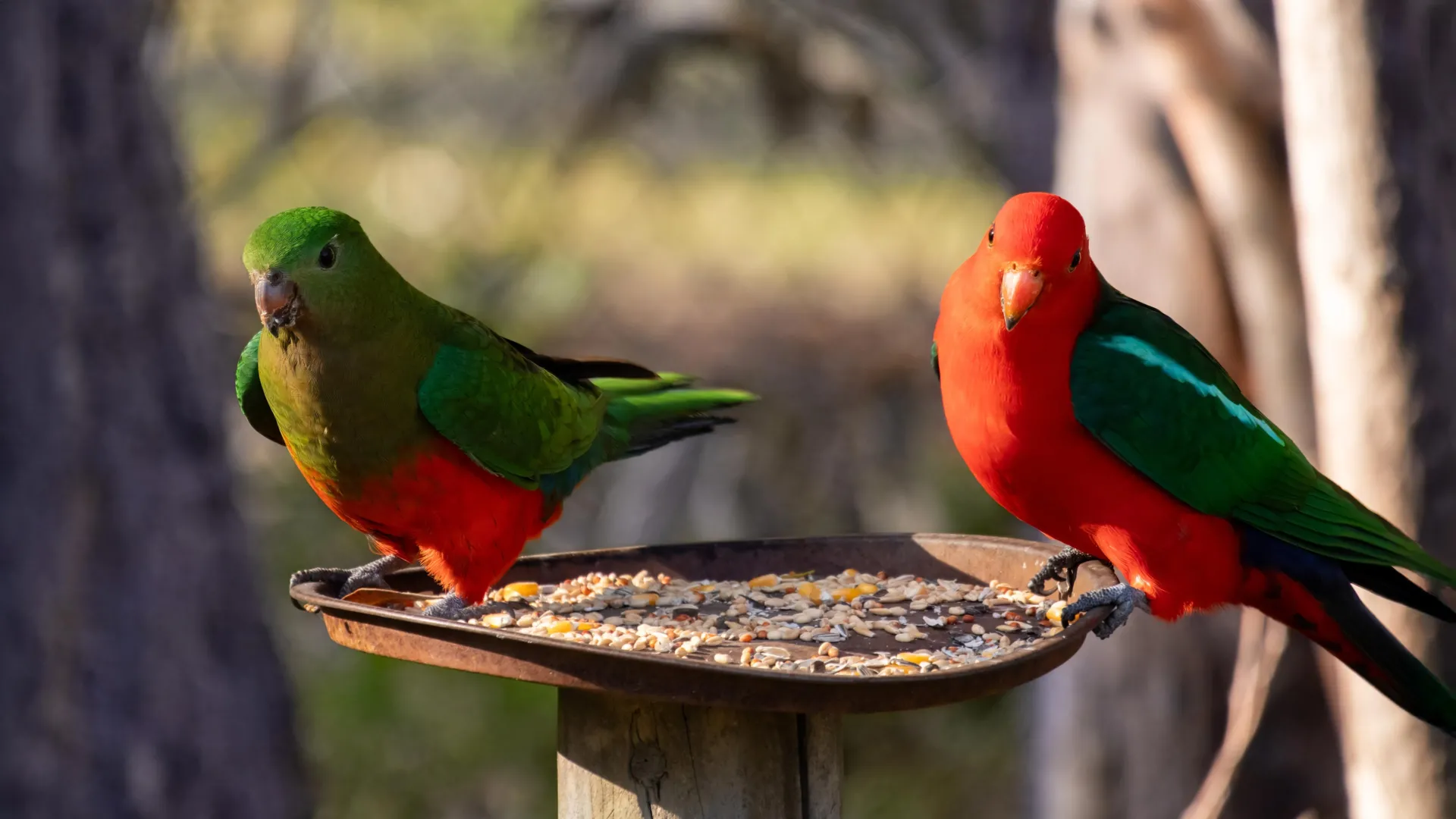
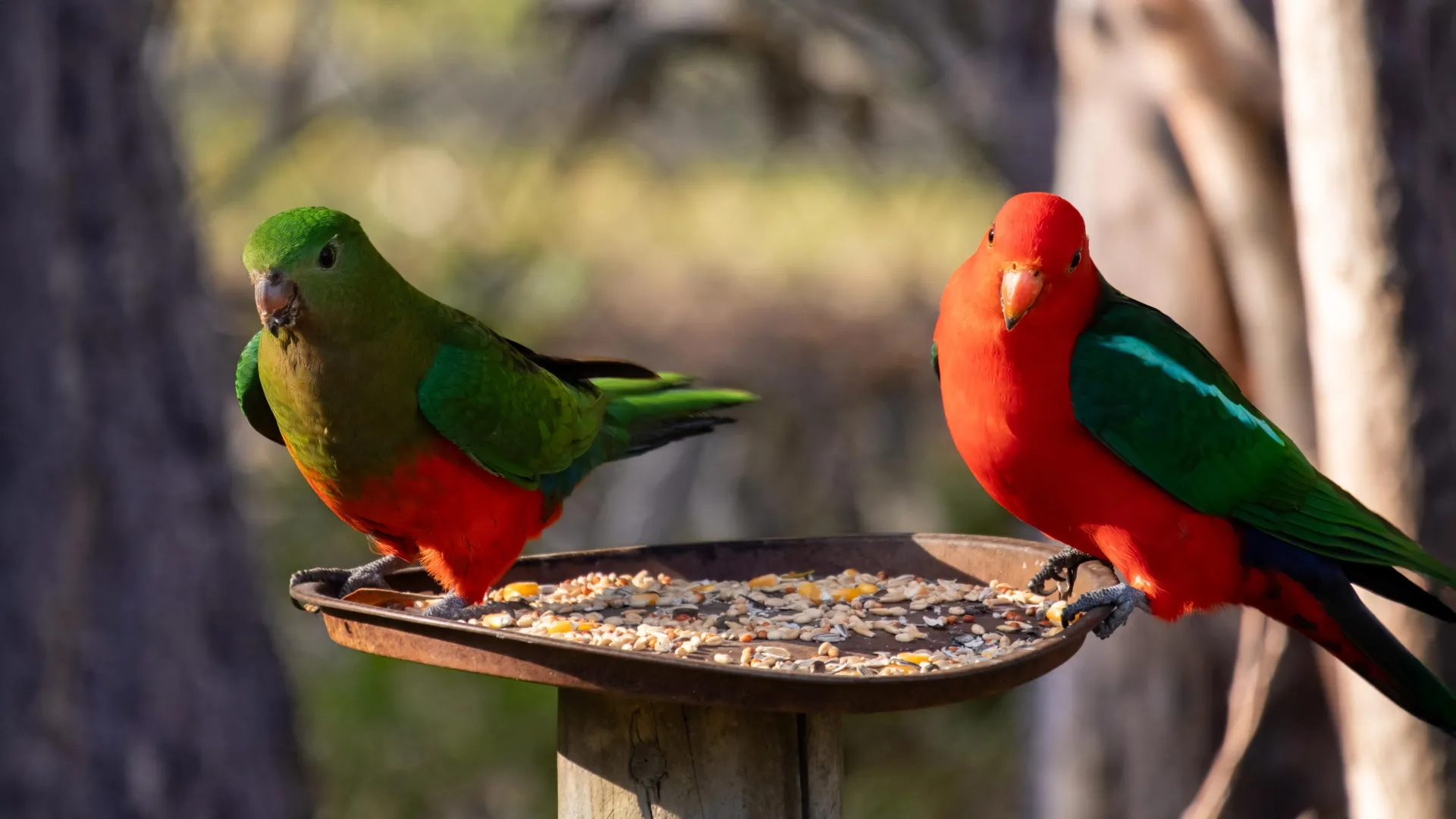
Backyard feeding stations fundamentally disrupt this evolutionary spacing. When a resident places a tray of mixed seeds or meat scraps on a patio table, they create an artificial resource bonanza. This bounty attracts a concentrated mix of species—such as noisy miners, rainbow lorikeets, magpies, corellas, and pigeons—that would rarely congregate in such tight physical quarters in the wild.
- High-Density Exposure: When dozens of individuals feed from the same contaminated tray, peck at the same food items, or bathe in the same water basin, the potential for pathogen transfer skyrockets.
- Fecal-Oral and Respiratory Routes: H5N1 is primarily shed through respiratory droplets and infected droppings. A single asymptomatic or mildly infected bird visiting a suburban feeder can deposit high viral loads onto feeding surfaces, exposing every subsequent visitor over the course of the day.
The Scavenger Link and Mammalian Spillover
The ecological ripple effects of backyard feeding extend far beyond the birds that land on the tray. Suburban landscapes are shared by opportunistic scavengers—including introduced red foxes, stray cats, urbanized possums, rodents, and corvids (crows and ravens).
When birds contract H5N1, they often become disoriented, lethargic, or die shortly after symptom onset. These vulnerable individuals frequently become easy targets for mammalian and avian scavengers. If a red fox or a backyard possum consumes the carcass of an H5N1-infected bird at or near a feeding station, the virus can readily cross the species barrier. The recent death of the long-nosed fur seal on the Australian mainland serves as a stark reminder of how rapidly this pathogen moves through predatory and scavenging food webs.
Threat to Endangered Endemics
Australia possesses a fragile and highly endemic avifauna. While resilient suburban species like currawongs and cockatoos may absorb population losses, highly threatened and geographically restricted taxa face existential risks. Conservation biologists warn that if H5N1 penetrates the breeding or foraging grounds of critically endangered species—such as the orange-bellied parrot (Neophema chrysogaster), whose wild population numbers fewer than a hundred individuals—the introduction of a hyper-virulent pathogen via contaminated shared spaces could drive the species rapidly toward extinction.
Official Statements & Expert Perspectives
The mounting severity of the H5N1 outbreak has prompted a unified response from Australia’s leading ecological, agricultural, and public health bodies. Authorities are urging the public to shift away from anthropocentric wildlife management practices in favor of strict biosecurity vigilance.
Dr. Sarah Henderson, a leading wildlife epidemiologist, explains the fundamental misunderstanding underlying backyard feeding:
"People view feeding wild birds as an act of profound kindness. They see a hungry lorikeet or a visiting magpie and feel a moral imperative to help. However, from an epidemiological standpoint, our backyards are functioning as unmonitored livestock markets. We are drawing animals together from vast radii, encouraging them to share nose-to-beak contact over communal troughs. In the face of H5N1, this well-intentioned hobby acts as an amplifier for viral transmission."
The Biodiversity Council, alongside state departments of primary industries, has released targeted advisory frameworks for citizens navigating the crisis. Their research emphasizes that supplementary feeding is rarely nutritionally vital for adult suburban birds.
"Our long-term studies demonstrate that the vast majority of birds visiting backyard feeders derive upwards of 80% to 90% of their daily nutritional requirements from natural landscapes—insects, nectar, seeds, and worms," notes avian ecologist Dr. Marcus Thorne. "The bread, seeds, and meat scraps we offer are essentially snacks, not essential survival meals. By stopping or drastically reducing this practice, we do not starve the birds; rather, we encourage them to disperse naturally across the ecosystem, breaking the chains of disease transmission."
Public health officials from state health departments and the Commonwealth Department of Health, Aged Care and Disability reiterate that while the risk of human contraction of H5N1 remains low, vigilance is paramount.
"Human infection typically requires prolonged, direct, and unprotected contact with sick or dead infected animals, such as poultry workers or wildlife handlers," a federal health spokesperson stated. "Nevertheless, as the virus mutates and adapts to mammalian hosts, members of the public must exercise extreme caution. Under no circumstances should citizens handle sick or deceased wildlife."
Future Outlook: Navigating the New Normal of Wildlife Biosecurity
As Australia confronts its first major encounter with widespread H5N1 avian influenza, the cultural relationship between suburban residents and backyard wildlife faces a defining test. The traditional image of an elderly homeowner scattering breadcrumbs to a flock of rosellas is no longer a benign pastoral scene; under the harsh lens of modern virology, it carries tangible ecological risk.
Mitigating the threat of H5N1 does not necessarily require an immediate, permanent ban on all human-wildlife engagement, but it does demand a radical modernization of suburban habits. Biosecurity experts recommend a tiered approach for households that refuse to abandon the practice entirely:
- Transition to Complete Cessation: Recognizing that the absolute safest strategy is to remove food sources entirely, households are encouraged to let wild birds forage independently. Gardens can still be made bird-friendly through the planting of native, nectar-producing flora (such as grevilleas, banksias, and bottlebrushes), which provides natural sustenance without artificial congregation points.
- Radical Volume Reduction: If feeding must continue, the quantity of food should be slashed to discourage large, multi-species flocks from gathering simultaneously, mirroring social-distancing protocols implemented during human pandemics.
- Absolute Ban on Hand-Feeding: The intimate practice of enticing birds to take food directly from human fingers must be entirely abandoned to eliminate direct physical contact risks.
- Rigorous Sanitation Protocols: Feeding trays, water baths, and surrounding deck surfaces must be scrubbed daily using domestic bleach solutions and rinsed thoroughly. Biosecurity bodies are blunt: If a household is not prepared to maintain hospital-grade cleanliness of feeding equipment, they have an ethical obligation to stop feeding altogether.
Ultimately, Australia’s ability to weather the H5N1 crisis without catastrophic losses to its native fauna will depend on public compliance and a collective shift in mindset. Protecting our iconic birdlife and vulnerable mammals requires citizens to step back, respect ecological boundaries, and understand that sometimes the most profound act of conservation is simply letting nature manage itself.
Emergency Protocol Notice: If you encounter sick, distressed, or dead wild birds or marine mammals, do not touch or attempt to rescue them. Immediately record the exact location, capture photographs from a safe distance, keep domestic pets away from the area, and report the sighting to the Emergency Animal Disease Hotline on 1800 675 888 (Australia).