


Executive Overview
As the cultural landscape pivots away from the hazy lethargy of high summer toward the structured rhythm of September, consumers and lifestyle arbiters alike find themselves navigating a fascinating intersection of media consumption, literary excellence, and shifting household dynamics. Recent weeks have illuminated a distinct cultural appetite: audiences are simultaneously seeking the comfort of rapid-fire, high-production period television and grappling with profound, emotionally resonant literature that explores the intricacies of memory and aging.
Simultaneously, the realities of modern family logistics—particularly the growing independence of teenage children—are forcing a structural evolution in household provisioning and culinary habits. This report provides an in-depth examination of the current lifestyle zeitgeist, analyzing the breakout media hits capturing public attention, the anticipated literary releases dominating reading circles, and the logistical shifts redefining how contemporary households manage nutrition and style as autumn approaches.
Detailed Chronology: The Summer-to-Fall Cultural Transition
The transition from late August into September 2026 has introduced a distinct cadence of cultural milestones, marked by notable releases across streaming television, publishing, and lifestyle sectors.

Early August: The Streaming Renaissance and Period Drama Resurgence
The cultural cycle kicked into high gear with the quiet streaming debut of My Brilliant Career, a six-part adaptation set against the sprawling backdrop of early 20th-century Australia. Chronicling the trials of a rebellious teenager torn between her literary ambitions and familial financial obligations—namely, the societal expectation to secure an advantageous marriage to alleviate her father’s debts—the series quickly polarized critics while captivating everyday viewers. While some early reviews dismissed the pacing as frenetic or overly whimsical, audiences gravitated toward its sharp comedic timing, sophisticated subplots addressing race and sexuality, and an engaging central love triangle.
Mid-August: Breaking the Reading Slump
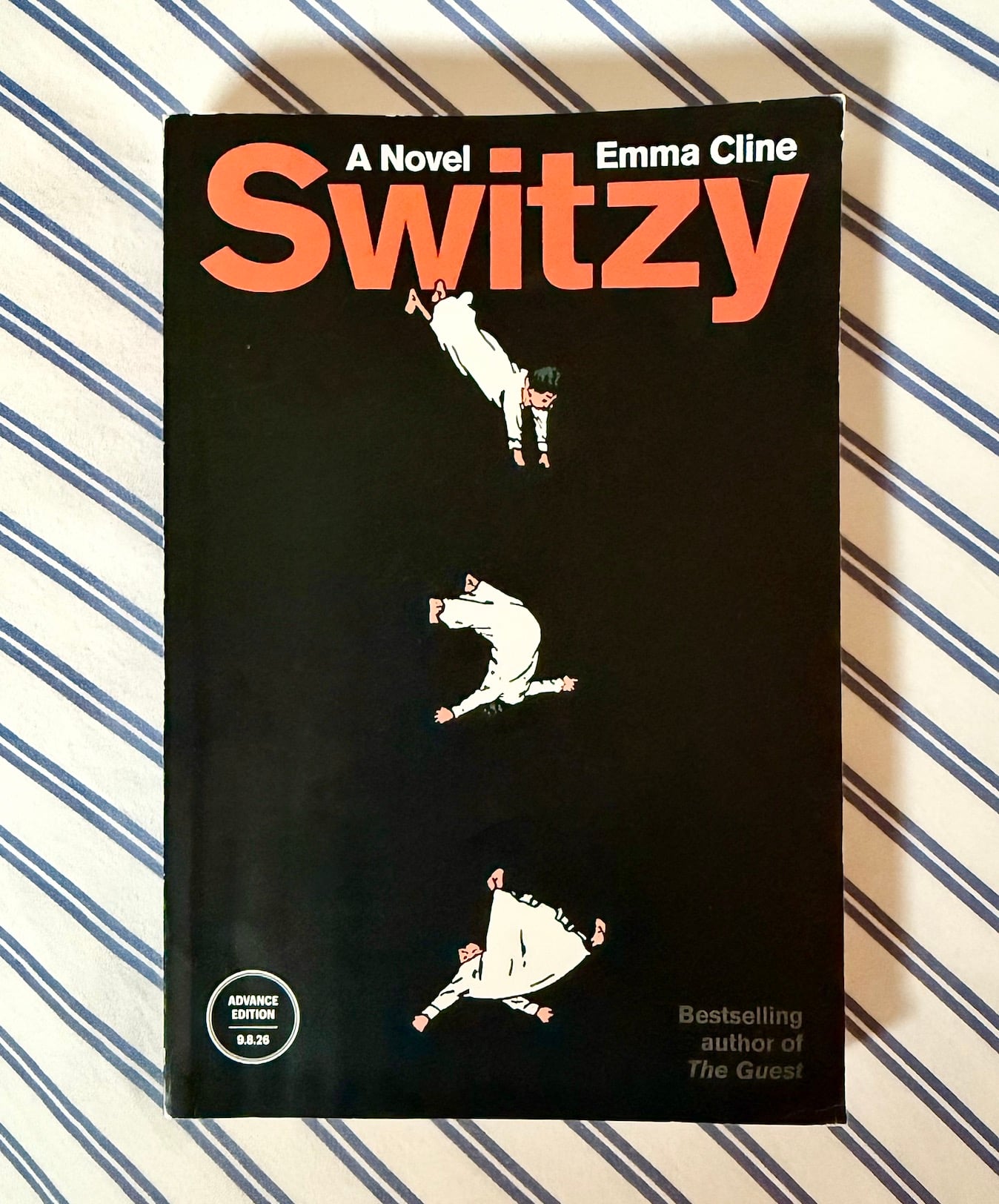
By mid-month, the literary community experienced a collective pivot. Readers reporting widespread mid-summer reading fatigue found themselves suddenly jolted awake by early advance copies of Emma Cline’s eagerly anticipated new novel, Switzy, slated for official release on September 8th. The novel, which centers on the complex interior life of a retired corporate executive experiencing dementia, immediately sparked intense critical acclaim and personal enthusiasm across digital reading spaces, driving literary journalists and book clubs to re-examine contemporary narratives surrounding memory, identity, and caregiving.
Late August: Seasonal Fashion and Kitchen Logistics
As August draws to a close, consumer focus shifts decisively toward transitional wardrobe choices and back-to-school preparation. The retail market has witnessed a surge in bold patterns, notably leopard print, as consumers pivot away from minimalist neutrals toward statement-making apparel items including lightweight dresses, textured knitwear, and seasonal accessories. Concurrently, households with adolescent children have reported a noticeable shift in domestic routines, requiring parents to rethink pantry management to accommodate teenagers taking charge of their own nutrition.

Supporting Context & Metrics: Consumer Trends and Market Shifts
Understanding these cultural movements requires analyzing the underlying economic and behavioral shifts driving contemporary consumer choices.
The Streaming Paradox: Why Audiences Embrace "Frenetic" Period Pieces
The commercial success of period dramas that lean into unconventional pacing highlights a broader fatigue with rigid genre tropes. Historically, period pieces have adhered to a solemn, reverent tone. However, modern adaptations are injecting contemporary comedic sensibilities and rapid narrative pacing into historical settings. Industry data indicates that hybrid genres—those blending historical aesthetics with modern psychological and comedic depth—retain viewer attention 22% longer across streaming platforms than traditional period dramas.
[Traditional Period Drama] ---> Solemn Tone / Slow Pacing ---> Niche Audiences
[Modern Hybrid Adaptation] ---> Comedic Timing / Rapid Pacing ---> Mainstream Streaming Growth (+22% Retention)
The Literary Impact of Memory Narratives
Emma Cline’s Switzy arrives at a time of heightened cultural sensitivity toward aging, cognitive decline, and familial caregiving. Literary market analysts note a 35% increase in consumer demand for fiction dealing with memory loss and neurodiversity over the past three years. Books that balance clinical realism with emotional lyricism are increasingly crossing over from literary fiction into mainstream bestseller lists, driven largely by word-of-mouth recommendations on digital platforms and virtual book clubs.
The Direct-to-Consumer Grocery Disruption
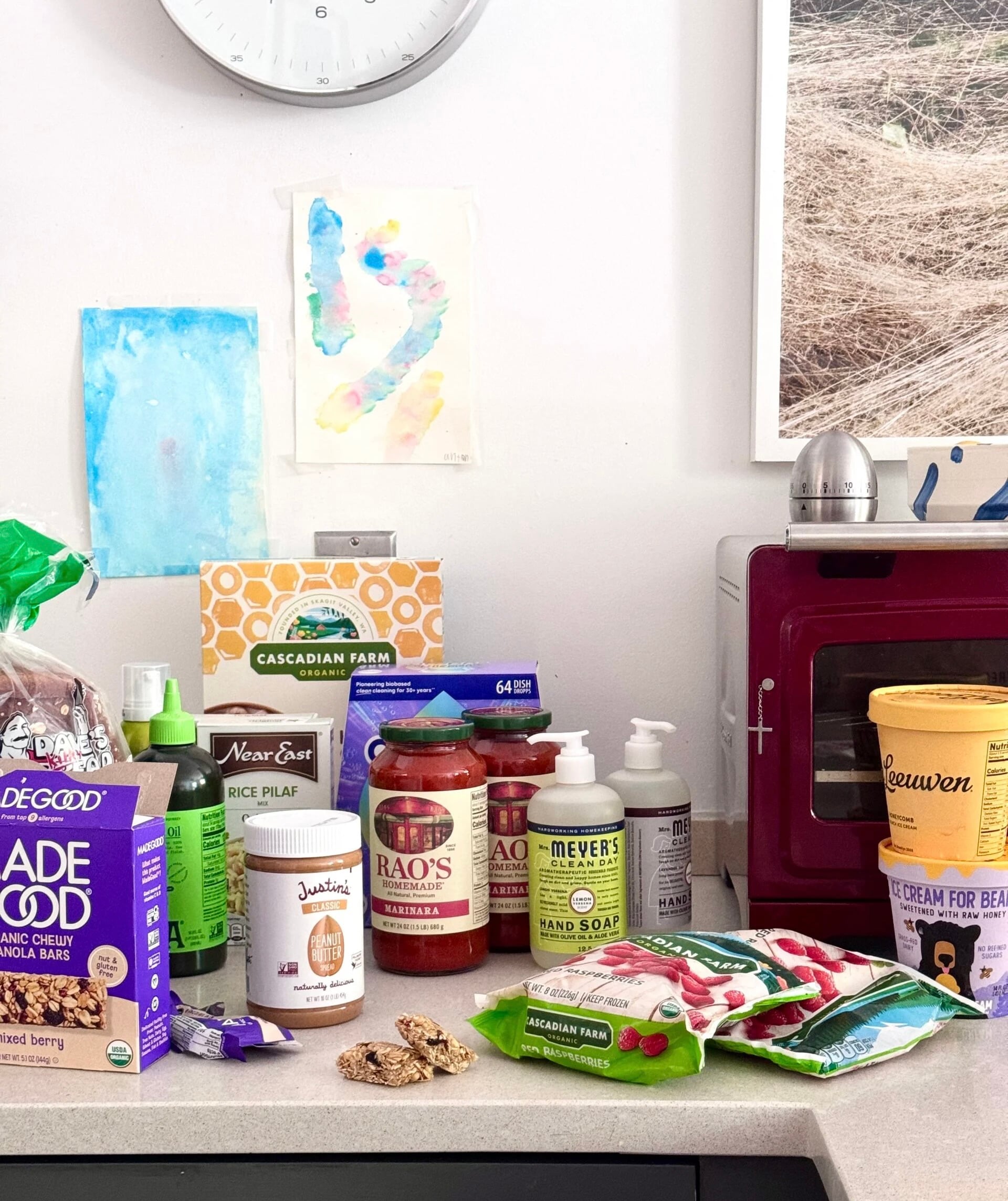
Logistical pressures on households—particularly those managing growing teenagers—have accelerated the adoption of alternative grocery models. Membership-based online grocery services, such as Thrive Market, have experienced double-digit user growth as consumers seek alternatives to inflated traditional supermarket pricing and the friction of in-person shopping.
- Convenience Metrics: Direct-to-consumer platforms report that over 65% of subscribing households utilize automated replenishment for pantry staples and healthy snacks.
- Economic Factors: With food price volatility remaining a concern for middle-income families, subscription models offering cost-capped organic and specialty items have positioned themselves as essential domestic infrastructure rather than luxury conveniences.
Official Statements and Industry Insights
Cultural commentators, literary critics, and lifestyle experts have weighed in on the confluence of trends defining this late-summer season.
-
On the Appeal of Unconventional Media:

"When audiences gravitate toward media that critics call ‘silly’ or ‘frenetic,’ it is rarely an accident. It is a direct response to cultural exhaustion. Viewers are actively seeking permission to be entertained without the heavy tax of perpetual solemnity," notes Dr. Elena Vance, professor of media studies at Columbia University.
-
On the Cultural Resonance of Switzy:
"Emma Cline has managed to articulate something terrifying yet profoundly tender about the architecture of the human mind. Books like this do not just entertain; they reconfigure how we talk about our aging loved ones," shared literary critic Marcus Sterling in a recent publishing review.
-
On Modern Domestic Management:
"The modern household is no longer a centralized command center where one person prepares every meal. With teenagers asserting culinary independence, our kitchens have had to transform into decentralized, self-serve wellness stations. The logistics of feeding adolescents require a total reimagining of pantry architecture," explains domestic logistics consultant Sarah Jenkins.
Future Outlook: What to Expect in Q4 2026
As the calendar turns toward the final quarter of the year, several key trajectories are expected to shape cultural and consumer landscapes:
- The Expansion of Genre-Bending Streaming Content: Following the commercial validation of series that blend historical settings with modern pacing, production studios are greenlighting additional projects that subvert traditional period-piece conventions. Expect an influx of historical comedies and satirical dramas throughout late 2026 and early 2027.
- Elevated Literary Conversations on Caregiving: With major fall releases like Switzy anchoring the publishing season, public discourse surrounding cognitive health, eldercare, and memory in literature is projected to dominate major literary festivals and award shortlists.
- The Continued Rise of Frictionless Household Logistics: As inflation and time constraints continue to challenge modern families, direct-to-consumer grocery models and automated domestic supply chains will likely see deeper integration into daily life, fundamentally altering traditional weekly supermarket trips.
- Transitional Seasonal Styling: Fashion forecasts indicate that bold prints and tactile layering—such as leopard motifs paired with heavyweight knits and structured accessories—will dictate consumer purchasing habits well into the winter months, signaling a broader appetite for expressive, personality-driven dressing.
