

Executive Overview
In the ongoing debate over which dietary architecture best combats the modern epidemics of obesity, insulin resistance, and metabolic syndrome, a definitive new clinical trial has introduced a compelling data point. Published in the Cell Press journal Cell Metabolism, a rigorous study conducted by researchers at the Washington University School of Medicine in St. Louis demonstrates that a very low-carbohydrate, high-fat ketogenic diet delivers superior metabolic advantages compared to both Mediterranean and traditional low-fat diets.
While public health messaging has historically emphasized generalized calorie restriction and uniform weight loss as the primary drivers of health improvements, this trial shifts the narrative. The findings indicate that macronutrient composition—specifically, severe carbohydrate restriction paired with high fat intake—exerts profound therapeutic effects that transcend mere pounds lost on a scale.
Most strikingly, after four to five months of adherence to a ketogenic regimen, approximately 50 percent of study participants with obesity and prediabetes effectively reversed their prediabetic status, outperforming those on the Mediterranean and plant-forward low-fat diets by wide margins. Furthermore, the ketogenic diet produced a staggering 67 percent average reduction in liver fat, alongside profound improvements in hepatic and systemic metabolic markers.
As the medical community grapples with soaring rates of metabolic dysfunction and the widespread adoption of pharmacotherapies such as GLP-1 receptor agonists, this research underscores the enduring potency of targeted nutritional therapy. By isolating weight loss as a controlled variable across all study arms, the Washington University research team has provided unprecedented insight into the specific physiological pathways unlocked when dietary carbohydrates are virtually eliminated.
Detailed Chronology: Unpacking the 42-Patient Clinical Trial
To understand the weight of these findings, one must examine the meticulous design and execution of the clinical trial led by corresponding author Dr. Samuel Klein and first author Dr. Max Petersen. Historically, isolating the effects of specific diets from the confounding variable of weight loss has plagued nutritional science. When people lose weight on any diet, their metabolic health almost invariably improves, making it difficult to determine whether a low-fat, Mediterranean, or low-carbohydrate diet holds inherent superiority.
Participant Selection and Randomization
To overcome this methodological hurdle, Klein and his colleagues engineered a trial designed to neutralize the weight-loss variable. The research team enrolled 42 adult participants in the St. Louis area, all of whom shared a distinct clinical profile: they suffered from obesity, prediabetes, and non-alcoholic fatty liver disease (NAFLD), now more formally termed metabolic dysfunction-associated steatotic liver disease (MASLD).
These 42 individuals were randomly allocated into one of three distinct nutritional arms:
- The Ketogenic (Keto) Diet Group: Designed to be extremely low in carbohydrates and high in fats.
- The Mediterranean Diet Group: Emphasizing plant-based foods, monounsaturated fats from olive oil and nuts, and moderate portions of fish and dairy.
- The Plant-Forward Low-Fat Diet Group: Focused on high-carbohydrate, low-fat ingestion derived primarily from plant sources.
The Interventional Protocol and Dietary Control
A major vulnerability of free-living dietary studies is poor adherence and inaccurate self-reporting of food intake. The Washington University research team neutralized this vulnerability by taking complete control of the food supply.
Throughout the duration of the intervention, the research team prepared and supplied 100 percent of the food consumed by the participants. To ensure compliance and provide psychological support, participants met with a registered dietitian on a weekly basis.
The macronutrient distributions of the three diets were starkly differentiated:
- The Ketogenic Diet: Derived a mere 4 percent of its total caloric energy from carbohydrates, while allocating a robust 73 percent of calories to fats (including sources rich in saturated fats) and the remainder to protein.
- The Mediterranean Diet: Composed of 50 percent carbohydrates, 35 percent fat (predominantly unsaturated), and balanced proteins.
- The Low-Fat Plant-Forward Diet: Drove 70 percent of its caloric intake from carbohydrates, while restricting fat to just 15 percent.
Caloric Manipulation and Weight Parity
Crucially, the investigators adjusted total caloric intake on an individual basis for every participant across all three groups. The explicit goal was to ensure that every subject—regardless of whether they were eating 70 percent carbohydrates or 4 percent carbohydrates—lost approximately 10 percent of their initial body weight.
Reaching this standardized 10-percent weight-loss target required a protracted temporal window, taking roughly four to five months of sustained dietary adherence. By forcing equal weight loss across all three cohorts, the researchers ensured that any divergence in metabolic markers could be attributed directly to the biochemical impact of the specific diet, rather than the secondary effects of shedding pounds.
Supporting Context & Metrics: Deconstructing the Data
When the four-to-five-month intervention concluded, the data yielded profound insights into how distinct macronutrient ratios interact with human physiology. While all cohorts achieved the mandated 10 percent reduction in body weight and demonstrated generalized improvements in body fat composition and baseline insulin sensitivity, the granular physiological changes diverged significantly.
Liver Fat Reduction: The Ketogenic Advantage
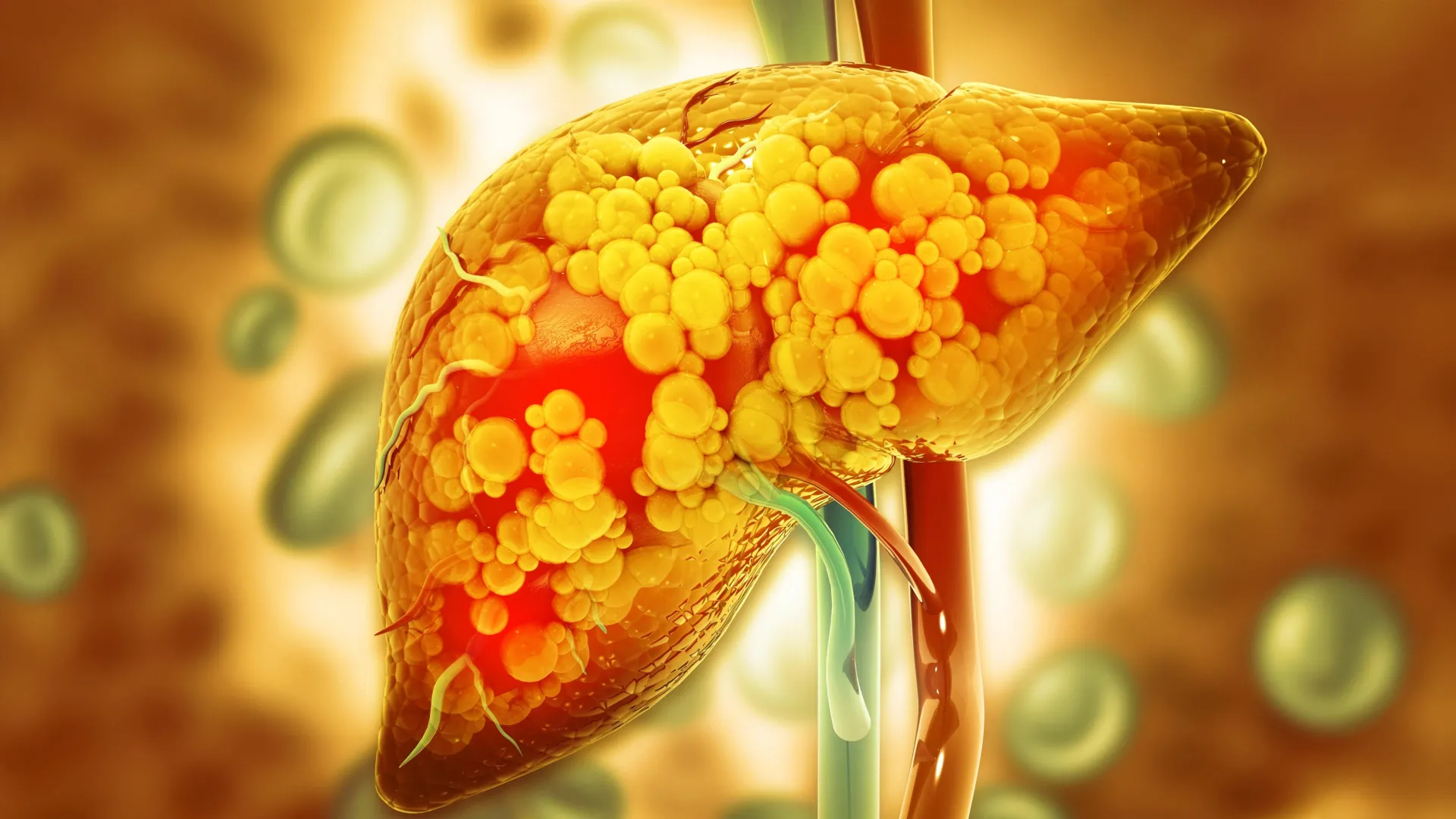
The most dramatic physiological divergence centered on the liver. Ectopic fat deposition within the liver is a primary driver of non-alcoholic fatty liver disease, insulin resistance, and systemic inflammation.
Despite identical overall weight loss, the ketogenic diet produced superior hepatic clearance:
- Ketogenic Group: Demonstrated an average reduction in liver fat of 67 percent.
- Mediterranean Group: Achieved an average reduction in liver fat of 45 percent.
- Plant-Forward Low-Fat Group: Achieved an average reduction in liver fat of 45 percent.
This nearly 50 percent relative advantage in hepatic fat clearance among the keto cohort highlights a mechanism that extends far beyond simple caloric deficit or adipose tissue reduction.
Hormonal Shifts and Metabolic Mechanisms
To uncover why the ketogenic diet facilitated such aggressive clearance of liver fat, the research team tracked participants’ metabolism over continuous 24-hour periods by executing serial blood draws and metabolic analyses.
The data revealed two primary biochemical drivers unique to or magnified within the ketogenic group:
- Glucagon Surges: Participants following the ketogenic diet exhibited the largest systemic rise in glucagon. Glucagon is a peptide hormone produced by the pancreas that works in opposition to insulin; it stimulates glycogenolysis and hepatic fatty acid oxidation, effectively signaling the liver to burn stored fat rather than store it.
- Insulin Suppression: The keto group experienced the most pronounced decline in circulating blood insulin levels. Because insulin is an anabolic, fat-storing hormone that inhibits lipolysis, chronic hyperinsulinemia locks fat inside tissues, including the liver. Driving down baseline insulin levels opened the metabolic floodgates for lipid mobilization.
The Lipid Paradox: Saturated Fat Without Dyslipidemia
A persistent concern among clinicians regarding very-low-carbohydrate diets has been the potential for hyperlipidemia. Because ketogenic diets frequently incorporate high amounts of total and saturated fats from animal sources, critics have long warned that such regimens might elevate serum cholesterol, triglycerides, and cardiovascular risk markers.
The Washington University trial directly challenged this dogma.
"The most surprising finding was that participants in the ketogenic diet group didn’t experience an increase in blood fat or cholesterol levels despite consuming the most fat," noted Dr. Max Petersen, the study’s first author.
This unexpected stability in lipid profiles provides reassuring data for clinicians who hesitate to recommend low-carbohydrate protocols due to fears of inducing dyslipidemia in patients already burdened by metabolic syndrome.
Prediabetes Reversal Metrics
The clinical endgame of metabolic therapy is the restoration of normal glucose homeostasis. In this trial, the reversal of prediabetes served as the ultimate litmus test for clinical efficacy.
When evaluating the percentage of participants who no longer met diagnostic criteria for prediabetes post-intervention:
- Ketogenic Diet: ~50 percent of participants successfully reversed their prediabetes.
- Mediterranean Diet: 29 percent of participants crossed the threshold into normal glycemic control.
- Plant-Forward Low-Fat Diet: Just 7 percent of participants achieved prediabetes reversal.
This stark gradient—ranging from 7 percent in the high-carbohydrate, low-fat arm to 50 percent in the very-low-carbohydrate ketogenic arm—suggests that carbohydrate restriction is a potent therapeutic lever for individuals battling impaired glucose tolerance.
Official Statements and Expert Perspectives
The publication of these findings in Cell Metabolism has generated widespread dialogue within the endocrinology and nutritional science communities. Principal investigators have contextualized the data within the broader landscape of modern metabolic medicine, balancing enthusiasm for dietary interventions with a realistic appraisal of clinical implementation.
Dr. Samuel Klein, the study’s corresponding author and a leading authority on metabolism at the Washington University School of Medicine, emphasized the clinical nuance of the data:
"We know weight loss can improve metabolic health in people who are obese. Our data suggest that if you have high liver fat content and prediabetes, reducing carbohydrate intake can have important therapeutic effects on metabolism beyond just weight loss alone."
Klein’s statement strikes at the heart of precision nutrition. While generalized weight-loss advice remains a cornerstone of public health, this study indicates that untangling specific pathologies—such as hepatic steatosis and insulin resistance—may require targeted nutritional prescriptions rather than a one-size-fits-all caloric deficit.
Dr. Max Petersen expanded on these implications, drawing a direct comparison between endogenous dietary manipulation and the current pharmacological revolution in obesity care:
"GLP-1-based medications have revolutionized the therapy of obesity. We now have a very effective pharmacotherapy for achieving significant weight loss. But in addition, our study shows that the specific composition of the diet can give you added benefits."
Petersen’s perspective reflects a growing consensus in modern medicine: pharmaceutical interventions like semaglutide or tirzepatide are extraordinarily effective at driving weight loss, but they do not necessarily replace the unique metabolic signaling pathways triggered by specific macronutrient manipulations. Combining advanced pharmacotherapy with precision nutritional frameworks may represent the gold standard for future metabolic care.
The research team also acknowledged the institutional backing that made such a rigorously controlled, inpatient-style feeding trial possible. Financial and operational support for the project was provided by the National Institutes of Health (NIH) and the Foundation for Barnes-Jewish Hospital, reflecting the high scientific priority placed on resolving long-standing controversies in nutritional epidemiology.
Future Outlook: Clinical Implications and Next Steps
As the medical community digests the outcomes of Klein, Petersen, and their colleagues, several critical questions emerge regarding the translation of these findings into everyday clinical practice.
Rethinking Dietary Guidelines for MASLD and Prediabetes
For decades, mainstream dietary guidelines have favored moderate-to-high carbohydrate, low-fat eating patterns for cardiovascular and metabolic health, largely rooted in historical concerns over dietary cholesterol and saturated fat. However, the accumulation of clinical trial data—bolstered by this latest Cell Metabolism publication—demands a re-evaluation of these guidelines for distinct patient phenotypes.
For patients presenting with metabolic dysfunction-associated steatotic liver disease (MASLD) and prediabetes, a very low-carbohydrate ketogenic diet should no longer be viewed merely as an eccentric fad diet. Instead, it must be recognized as a potent, evidence-based therapeutic intervention capable of reversing metabolic disease markers far more rapidly and comprehensively than conventional low-fat protocols.
Overcoming Barriers to Long-Term Adherence
Despite the striking metabolic efficacy demonstrated over the course of four to five months, significant hurdles remain regarding the long-term sustainability of ketogenic diets in free-living populations.
Adhering to a regimen that restricts carbohydrate intake to 4 percent of total calories requires high levels of behavioral modification, continuous meal planning, and social navigation. While the Washington University study achieved high compliance through weekly dietitian meetings and pre-prepared meals, maintaining such strict dietary boundaries in an obesogenic environment presents a formidable challenge for the average patient.
Future research initiatives must focus on:
- Durability Trials: Evaluating whether patients can sustain ketogenic or very-low-carbohydrate eating patterns over multi-year periods without sliding back into baseline dietary habits.
- Step-Down Protocols: Investigating whether a strict ketogenic induction phase can be followed by a sustainable, moderately low-carbohydrate maintenance diet while preserving the metabolic gains achieved in the liver and pancreas.
- Personalized Biomarkers: Developing predictive screening tools to determine which specific patient genotypes or metabolic phenotypes will derive the maximum therapeutic benefit from carbohydrate restriction versus Mediterranean or plant-forward paradigms.
The Synergy of Pharma and Nutritional Therapy
Finally, the integration of these dietary findings with modern anti-obesity medications opens up an exciting frontier in clinical research. As GLP-1 receptor agonists suppress appetite and facilitate monumental weight loss, patients are frequently vulnerable to lean muscle mass loss and unaddressed metabolic inertia.
Pairing these pharmacological agents with a structurally optimized ketogenic diet designed to target ectopic liver fat and preserve insulin sensitivity could create a synergistic therapeutic model. By leveraging both the appetite-suppressing power of modern drugs and the biochemical signaling pathways of carbohydrate restriction, clinicians may soon offer patients a dual-pronged assault against the root causes of metabolic syndrome.
Conclusion
The clinical trial from Washington University School of Medicine marks a watershed moment in nutritional science. By proving that a ketogenic diet outperforms Mediterranean and low-fat diets in clearing liver fat and reversing prediabetes—even when total weight loss is held constant—the study elevates macronutrient quality from a dietary preference to a critical medical variable. As healthcare systems search for scalable solutions to chronic metabolic disease, targeted carbohydrate restriction stands out not just as a tool for weight management, but as a powerful, restorative medicine.
