

Executive Overview
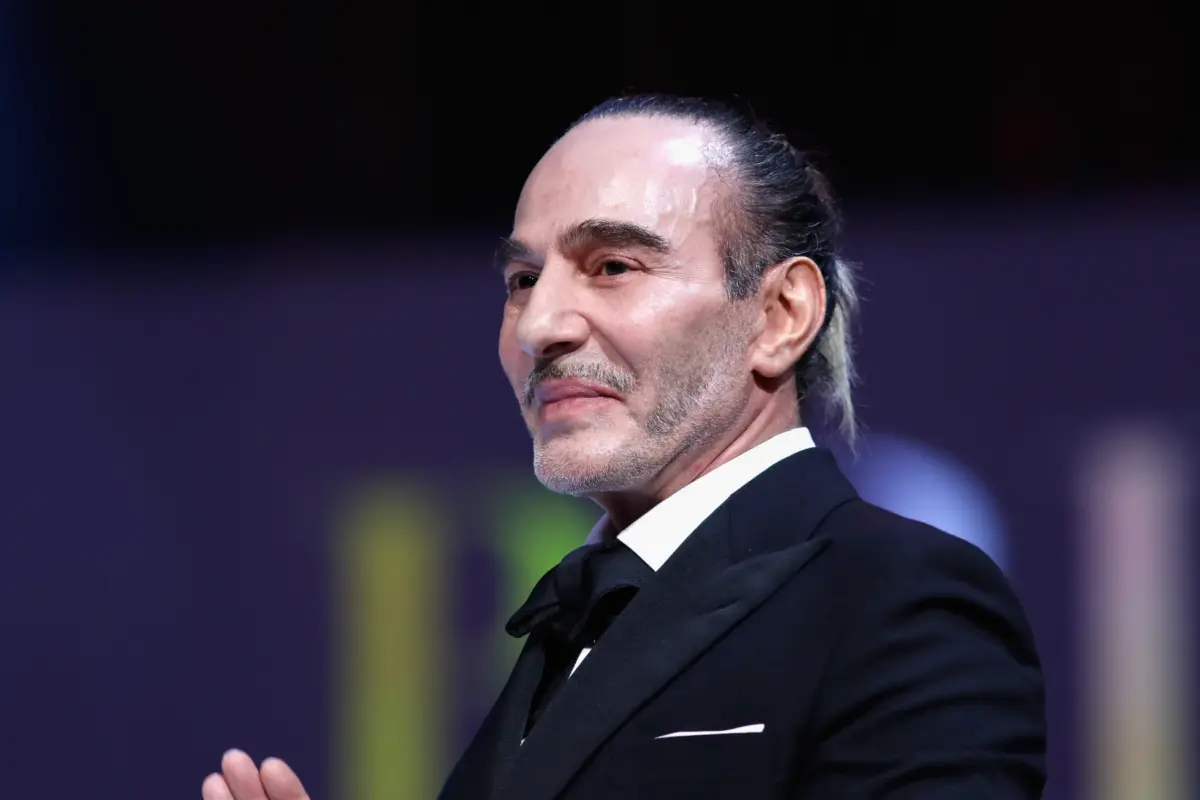
The Metropolitan Museum of Art has officially reversed its decision to honor visionary British designer John Galliano with a landmark solo retrospective at the Costume Institute. The exhibition, tentatively titled John Galliano: Horizons and slated to serve as the thematic anchor for the prestigious 2027 Met Gala, was abruptly scrapped following a fierce wave of criticism from museum donors, cultural leaders, and civic officials. The controversy was fueled by Galliano’s infamous 2011 antisemitic and racist tirade in Paris, an incident that resulted in a criminal conviction for hate speech in France and fundamentally derailed what was previously considered one of the most brilliant careers in modern fashion history.
Galliano confirmed the cancellation via a personal statement shared on Instagram, wherein he reiterated his profound remorse for the pain caused by his past actions. Rather than pressing forward with an institutional milestone that would have placed him alongside elite design legends Yves Saint Laurent and Rei Kawakubo as only the third living designer to receive a solo retrospective at the Met, Galliano voluntarily stepped aside. He noted that true atonement cannot be achieved through museum walls or high-profile accolades, but rather through a lifelong commitment to listening, personal accountability, and rehabilitation.
The decision marks a dramatic climax to weeks of mounting tension within the global fashion and cultural elite. While museum leadership, spearheaded by Costume Institute head curator Andrew Bolton and Met trustee Anna Wintour, had engaged in extensive preemptive outreach with Jewish leaders—securing tacit approvals and forgiveness from organizations like the Anti-Defamation League (ADL)—the backlash from philanthropic donors and local politicians proved insurmountable. Threatening to rescind vital financial contributions and publicly denouncing the institution’s choice, critics argued that celebrating a figure tied to hate speech, regardless of subsequent rehabilitation and sobriety, represented an unacceptable compromise of institutional values.
This comprehensive report examines the arc of the controversy, detailing the fallout between the museum and its elite donor base, the nuances of Galliano’s decade-and-a-half-long journey toward sobriety, the statements released by key stakeholders, and the broader implications this cancellation holds for the intersection of art, morality, and corporate accountability in the modern cultural landscape.
Detailed Chronology: From Parisian Downfall to New York Cancellation
The 2011 Paris Outburst and Legal Aftermath
To understand the visceral reactions that led to the cancellation of the 2027 Met exhibition, one must look back to February 2011. At the time, John Galliano was at the absolute zenith of his creative powers, serving as the creative director for both his eponymous label and the French luxury powerhouse Dior. Renowned for his theatrical runways, historical pastiches, and peerless technical mastery, Galliano was celebrated as a defining creative force of the late 20th and early 21st centuries.
That glittering reality shattered overnight. In late February 2011, reports surfaced that Galliano had engaged in a vicious, alcohol-fueled verbal assault on patrons at La Perle, a popular café in Paris’s Marais district. Subsequent video footage emerged showing an intoxicated Galliano hurling antisemitic and anti-Asian slurs, culminating in the chilling declaration, "I love Hitler."
The fallout was swift and catastrophic. Dior immediately suspended and subsequently fired the designer, while his own eponymous house distanced itself from his name. In March 2011, Galliano was formally charged with public insults based on race and religion under French law. During his trial in June of that year, Galliano expressed deep remorse, attributing his explosive behavior to a severe, compounding cocktail of alcoholism, prescription drug addiction, and mounting work-related pressure. In September 2011, a French court found him guilty, ordering him to pay suspended fines totaling €6,000.
The Long Road to Rehabilitation and Return
Following his conviction, Galliano disappeared from the public eye, entering a rigorous rehabilitation facility to combat the addiction that had nearly destroyed his life and career. For several years, he remained a pariah in the high-end fashion ecosystem, undertaking quiet periods of introspection and informal mentorship.
His tentative re-entry into the industry began in 2013, when close friend and fellow designer Oscar de la Renta invited him to spend a brief residency in his New York studio. This olive branch paved the way for Galliano’s permanent return in 2014, when OTB Group founder Renzo Rosso appointed him as the creative director of Maison Margiela. Under the Margiela banner, Galliano slowly rebuilt his professional reputation, channeling his avant-garde sensibilities into critically acclaimed haute couture collections that culminated in his viral, widely celebrated Artisanal collection in early 2024. Throughout this resurgence, Galliano frequently spoke about his sobriety, crediting a robust support network with helping him achieve over a decade of continuous recovery.
The Met’s 2027 Announcement and Immediate Backlash
Buoyed by Galliano’s successful rehabilitation and his status as a critical darling once more, the Metropolitan Museum of Art announced earlier this month that John Galliano: Horizons would be the Costume Institute’s spring 2027 exhibition. The decision was heralded by curators as a long-overdue celebration of a transformative artistic voice.
However, the announcement instantly ignited a firestorm. While museum leadership had consulted select religious authorities—including the Anti-Defamation League, which publicly stated that Galliano had genuinely worked through his issues and earned forgiveness—the broader community was far less forgiving.
Prominent Met Museum donors, whose financial backing is critical to the institution’s operating budget, expressed outrage, with several threatening to rescind vital gifts and future endowments. The political sphere quickly joined the chorus of condemnation. New York City Council Speaker Julie Menin penned a scathing letter addressed to Anna Wintour, Andrew Bolton, and Met Director Max Hollein, explicitly labeling the planned exhibition "a serious mistake" given the designer’s history of hate speech. As public pressure mounted and the reputational risk to the museum escalated, the planned retrospective unraveled.
Supporting Context & Metrics: The Economics and Ethics of Museum Curation
The sudden cancellation of the Galliano exhibition highlights a profound structural tension facing modern cultural institutions: balancing the preservation and celebration of artistic genius against the moral imperatives of contemporary social accountability.
The Weight of the Met Gala Ecosystem
The Costume Institute exhibition is far from a standard museum showcase; it serves as the financial engine for the entire Metropolitan Museum of Art, largely sustained by the proceeds and global visibility of the Met Gala. In recent years, the Gala has evolved into the premier red-carpet event of the global entertainment and fashion calendar, generating tens of millions of dollars in single-night fundraising.
Choosing a subject for the Costume Institute exhibition is a high-stakes calculation involving millions of dollars in corporate sponsorships, ticket sales, merchandise licensing, and philanthropic donations. Historically, solo exhibitions honoring living designers are exceedingly rare, reserved for undisputed titans whose contributions have fundamentally shifted the paradigm of global aesthetics. Prior to Galliano, only two living designers had been granted solo retrospectives at the Met: Yves Saint Laurent in 1983 and Rei Kawakubo of Comme des Garçons in 2017.
By selecting Galliano, the museum anticipated a blockbuster cultural moment. Instead, the convergence of philanthropy and public ethics demonstrated that financial donors and civic leaders retain immense leverage over institutional programming, proving that commercial viability cannot entirely insulate a project from ethical scrutiny.
The Rehabilitation Paradox
Galliano’s case sits at the center of a broader cultural debate regarding restorative justice and the "statute of limitations" on past misconduct. Proponents of Galliano’s exhibition—including museum curators and representatives from organizations like the ADL—argued that his fifteen-year journey of sobriety, coupled with public expressions of remorse and an absence of subsequent infractions, represented a valid framework for forgiveness and professional reintegration.
Conversely, critics, including the coalition of angry donors and civic officials, maintained that certain forms of bigotry leave a permanent stain that disqualifies an individual from receiving the highest echelon of institutional validation. For these stakeholders, a museum backed by public trust and philanthropic capital should not elevate an individual convicted of hate speech, regardless of how transformative their contributions to textile art and design may be.
Official Statements
John Galliano’s Statement
In a candid post shared via his official Instagram account, John Galliano announced his withdrawal from the exhibition while addressing the public and his supporters directly:
"I understand that meaningful atonement is not achieved through an exhibition, institutional recognition, or a single public gesture. It is a continuing responsibility, demonstrated through listening, learning, and one’s conduct over time.
I do not want the debate surrounding me to put the Met in a difficult distraction or to distract from the remarkable work of the Costume Institute. I also recognize and respect that an exhibition honoring my work would be painful for some.
I would also like to express my deepest gratitude to all those who have guided, supported and accompanied me throughout these fifteen years of sobriety and recovery from alcoholism and addiction. Your wisdom, patience and humanity have helped me more than I can ever adequately express. I remain profoundly indebted to you for giving me, as you promised, a life better than I could ever have dreamt of."
Anna Wintour’s Response
Vogue editor-in-chief and Met trustee Anna Wintour released an official statement supporting the designer’s decision to step down from the retrospective:
"John’s decision that the exhibition devoted to his work should not take place at this time is very courageous and a measure of the man he is. I believe this is the right decision, and both he and the Museum have my full support."
Institutional Next Steps
The Metropolitan Museum of Art has confirmed that it respects the collaborative outcome and will pivot away from the planned Galliano retrospective. Museum administrators announced that new details regarding the Costume Institute’s 2027 spring exhibition and the corresponding Met Gala theme will be revealed to the public at a later date.
Future Outlook
The cancellation of John Galliano: Horizons marks a watershed moment for the global fashion industry and major cultural institutions alike. It signals a shifting paradigm in how museums curate their galleries, suggesting that institutions can no longer easily separate an artist’s technical genius from their personal conduct, particularly when that conduct involves hate speech and criminal convictions.
For John Galliano, the decision brings a close to a high-profile attempt at institutional canonization, though it leaves his day-to-day role at Maison Margiela untouched. He remains an active, revered creative force within contemporary design, valued by industry insiders for his peerless ateliers and avant-garde vision, even as mainstream cultural validation remains out of reach.
For the Metropolitan Museum of Art and the Costume Institute, the episode serves as a powerful cautionary tale regarding the complexities of public programming in an era of heightened social awareness. As museum leadership turns the page toward 2027, the institution faces the challenge of selecting a new thematic focus that can command global attention, drive vital philanthropic support, and navigate the delicate balance between artistic achievement and public accountability.
