

Executive Overview
In the sprawling, hyper-competitive landscape of digital search, user behavior has undergone a profound transformation. Modern consumers do not merely navigate the web with transactional brevity—typing disjointed strings like "best CRM" or "coffee grinder"—they converse with search engines. They ask complex, nuanced questions, reflecting a fundamental shift in how digital information is discovered and consumed.

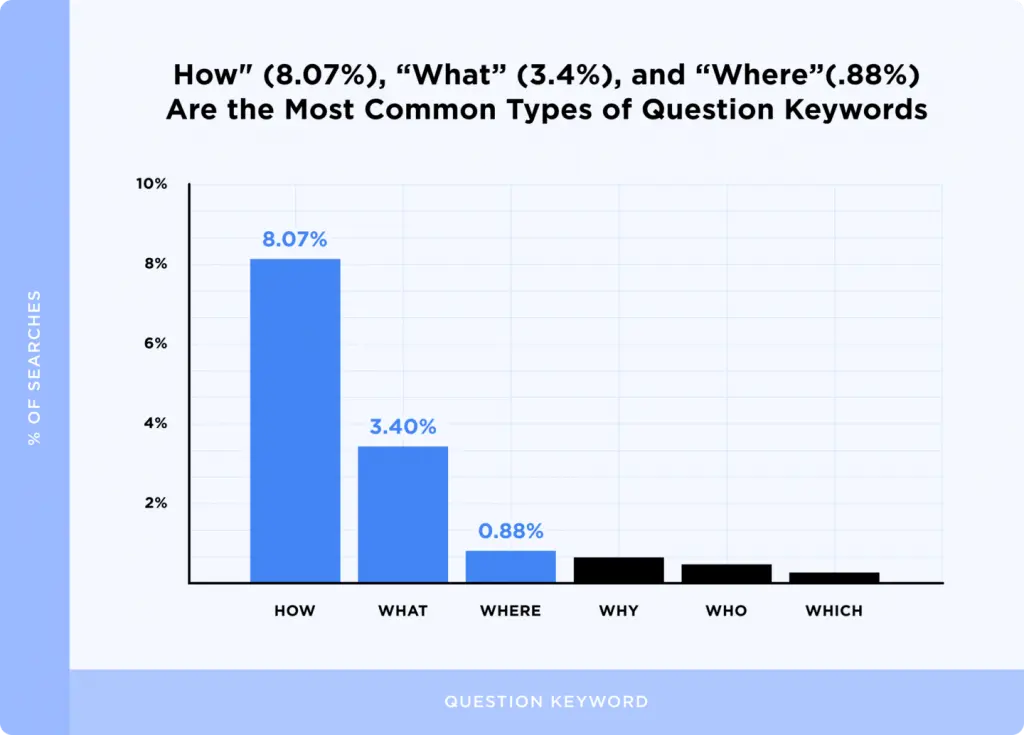
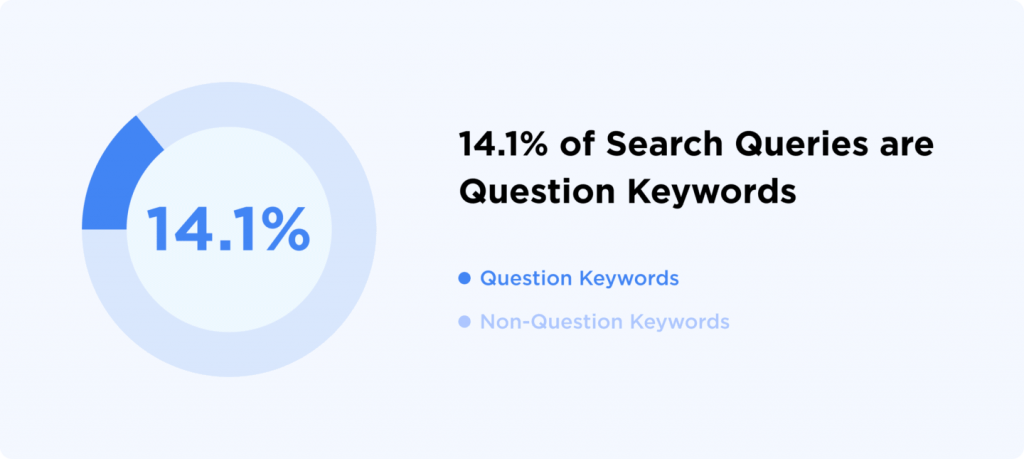
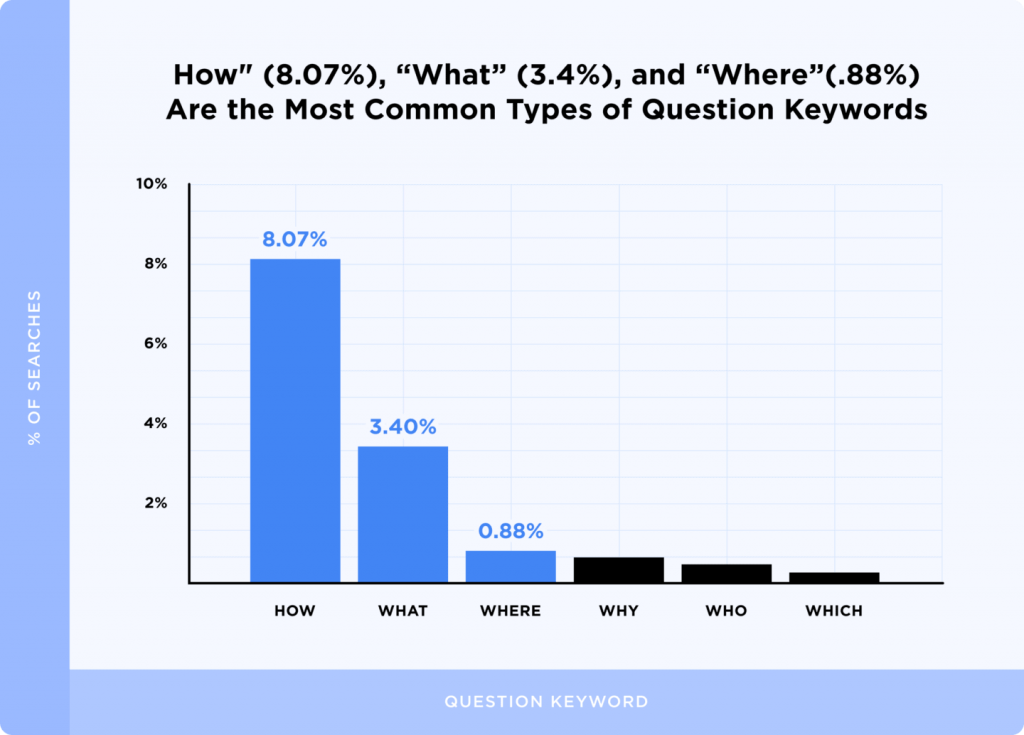
Recent industry data reveals an astonishing digital reality: nearly 14.1% of all Google searches are explicitly question-based. When calculated against a baseline of roughly 3.5 billion daily global queries, this amounts to an astounding 490 million questions asked every single day. Dominated overwhelmingly by interrogatives like "how" (8.07%) and "what" (3.4%), this tidal wave of inquiry is largely driven by the rapid proliferation of voice-activated search and the modern consumer’s demand for immediate, frictionless problem-solving.
For content creators, marketers, and enterprise strategists, this paradigm shift represents both a challenge and an unprecedented commercial opportunity. Question-based keywords offer a dual advantage rarely found in traditional SEO: exceptionally high user intent and significantly lower keyword competition. By strategically addressing these inquiries, brands can position their products, services, or affiliate offers not as generic advertisements, but as direct, authoritative solutions to immediate consumer pain points.
This comprehensive report explores the strategic value of question-based keywords and details four scalable methodologies to mine, analyze, and leverage these high-intent search opportunities.
Detailed Chronology: The Evolution of Search Intent and the Rise of Interrogative Queries
To understand the current dominance of question-based keywords, one must examine the chronological trajectory of search engine optimization (SEO) over the past two decades.

Phase One: The Era of Keyword Stuffing and Short-Tail Dominance (Early 2000s)
In the infancy of commercial search engines, algorithms relied heavily on exact-match keyword density. Users learned to adapt by inputting telegraphic, short-tail phrases (e.g., "cheap flights," "digital camera"). The web was populated by content tailored to algorithms rather than humans, resulting in repetitive text and poor user experiences.

Phase Two: Semantic Search and the Mobile Revolution (2010–2015)
As smartphones permeated global markets, mobile browsing changed user habits. Typing on smaller screens encouraged users to speak or write more naturally. Simultaneously, major algorithm updates—such as Google’s Hummingbird and BERT—introduced advanced semantic search capabilities. Search engines evolved past simple keyword matching to understand the context and intent behind user queries. The web began favoring natural language processing, setting the stage for long-tail, conversational search terms.

Phase Three: Voice Search and the Explosion of Natural Language (2015–Present)
The integration of voice assistants (Siri, Alexa, Google Assistant) accelerated the shift toward interrogative syntax. Users stopped typing "weather New York" and began asking, "What is the weather going to be like in New York today?" This technological leap institutionalized question-based keywords as a core pillar of modern digital discovery. Today, smart marketers recognize that optimizing for these conversational queries is no longer optional; it is a vital component of capturing high-intent organic traffic.

Supporting Context & Metrics: Why Question-Based Keywords Are a Digital Goldmine
Content strategists often overlook question keywords, mistakenly assuming they lack commercial value compared to high-volume transactional terms. However, granular data analysis proves otherwise. Question-based optimization yields two major strategic benefits:

1. High User Intent
When a user enters a question into a search engine—such as "How do I integrate a CRM with an ERP system?"—they are experiencing a friction point. They are actively seeking a solution, and they want it immediately. This high degree of intent dramatically shortens the customer journey. By providing an exhaustive, authoritative answer, a brand can seamlessly introduce its product or service as the ultimate resolution to the user’s problem.
2. Low Keyword Competition
Because question queries are typically long-tail terms, they frequently exhibit lower keyword difficulty (KD) scores across major SEO platforms. Consequently, marketers often do not need to construct massive, thousand-word content monoliths or engage in aggressive backlink-building campaigns to secure a first-page ranking. Targeting ultra-specific questions allows newer or smaller domains to outrank established competitors by capturing niche, high-conversion traffic pools.
4 Ways to Scale Question-Based Keyword Research
Uncovering hundreds of high-value question keywords manually is an inefficient, unsustainable task. Below are four battle-tested tactics designed to scale research efforts rapidly, leveraging industry-standard tools and platforms.

1. Leverage Dedicated Question-Based Keyword Reports
Most enterprise-grade SEO suites, such as Semrush and Ahrefs, feature dedicated modules that filter data specifically for interrogative queries.
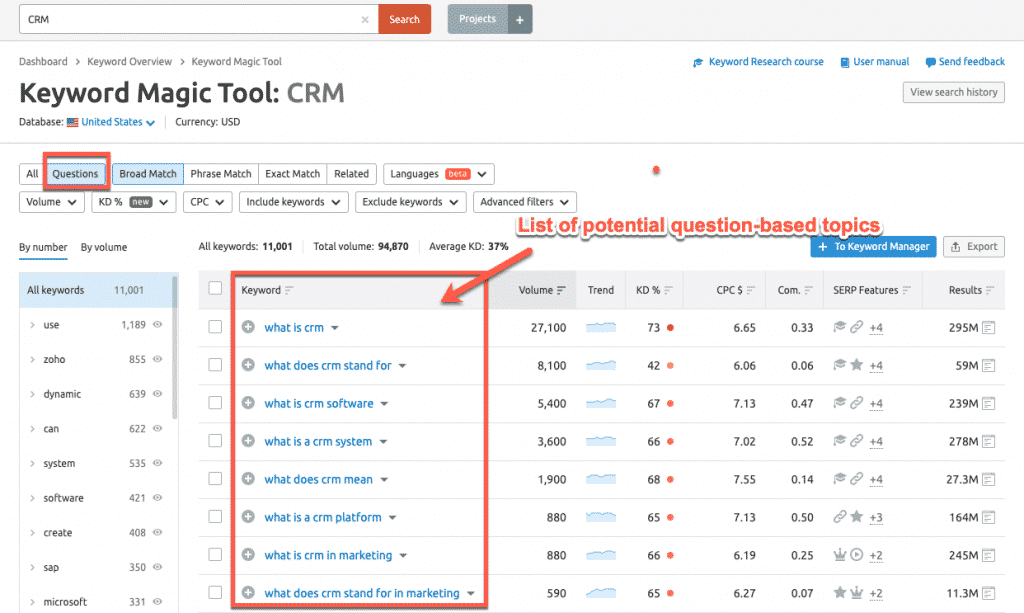
- The Process: Input a broad seed topic (e.g., "CRM") into the keyword research tool and navigate to the "Questions" filter tab.
- The Insight: At the top of the report, you will encounter high-volume, generalized questions. However, as you scroll further down into the data, you will unearth ultra-specific, low-competition long-tail queries (e.g., “Can a CRM be integrated with an ERP?” or “What features should I look for in a CRM database?”).
- Strategic Execution: Use advanced filters—such as Semrush’s Intent and Grouping filters—to isolate informational and commercial-intent questions. Map these queries to specific pieces of content, support pages, or product comparison guides that naturally align with your offerings.
2. Mine the "People Also Ask" (PAA) SERP Feature
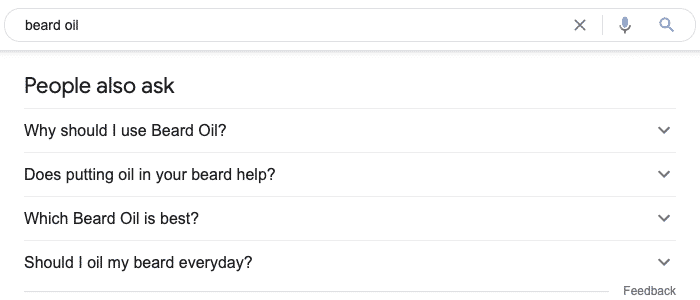
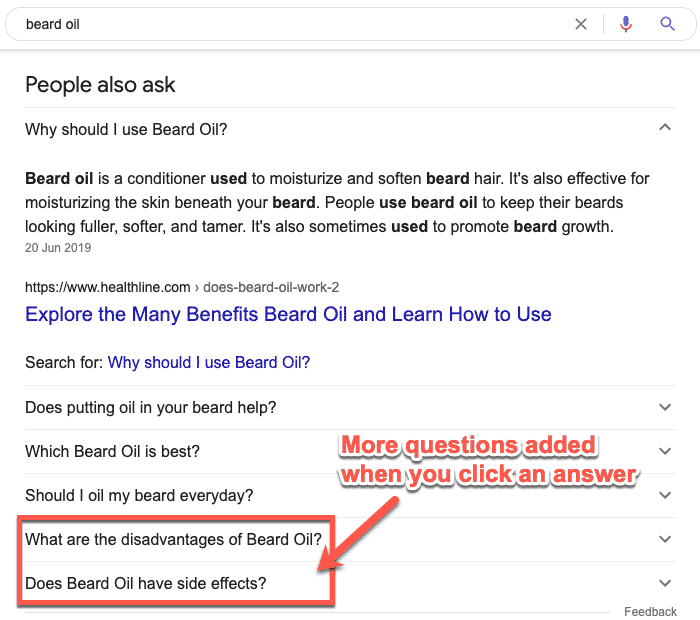
Google’s "People Also Ask" boxes represent a direct window into the collective consciousness of active searchers. These dynamically generated dropdowns display real-time questions related to a user’s initial query.
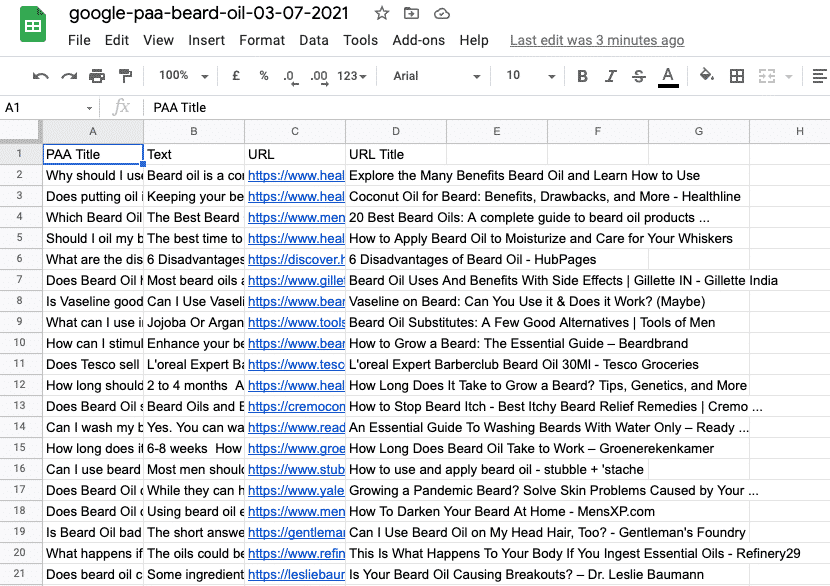
- The Challenge: Manually clicking open PAA boxes, copying questions, and pasting them into a spreadsheet is tedious and time-consuming.
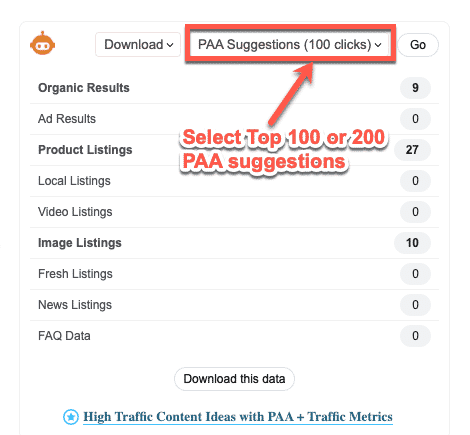
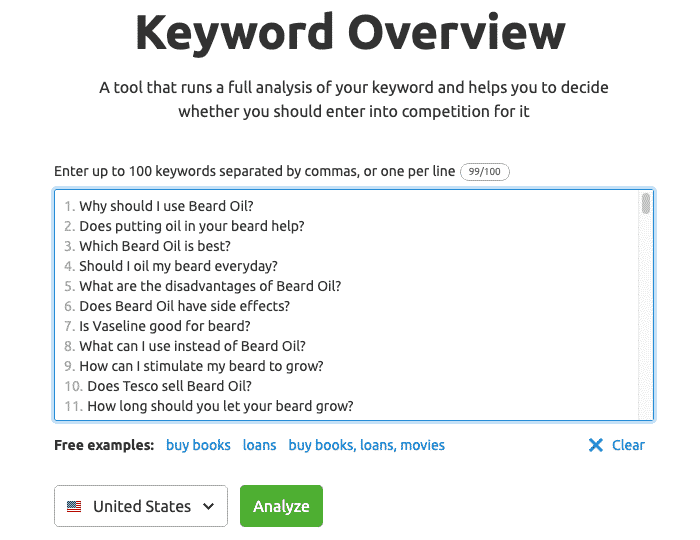
- The Solution: Install a free browser extension like SEO Minion. When performing a search, use SEO Minion to export the top 100 to 200 PAA records directly into a CSV file or Google Sheet.
- Analysis: Extract the primary question column, paste the list into a bulk keyword overview tool (such as Semrush Keyword Overview), and analyze their search volume and keyword difficulty. While only a small percentage of these questions may yield high search volume, compiling data across multiple seed topics will net a rich portfolio of accessible, low-competition content ideas.
3. Mine Niche Subreddits for Unfiltered Consumer Pain Points
Online forums like Reddit are treasure troves of authentic consumer sentiment, operational frustrations, and niche inquiries that traditional keyword research tools often miss.
- The Process: Identify subreddits dedicated to your industry, product category, or competitor ecosystem (e.g.,
r/CRM). - Semrush Integration: Input the specific subreddit URL into an Organic Research tool, select the subfolder option, and apply advanced filters (e.g., setting a minimum search volume threshold of 20 and a word count greater than two to capture multi-word queries).
- Uncovering Differentiators: Scanning these filtered results reveals highly specific commercial and informational queries, such as “HIPAA compliant CRM” or “Is HubSpot HIPAA compliant?”. Brands can use these insights to target underserved niches, create comparison content, or highlight specific product differentiators (e.g., proving compliance where a major competitor falls short).
4. Mine High-Traffic Quora Threads
Quora remains one of the internet’s most powerful user-generated Q&A platforms, frequently ranking prominently in search engine results pages (SERPs) for long-tail questions.

- The Process: Navigate to an SEO research platform’s Organic Research report, input
quora.com, and apply advanced URL filters combined with a relevant topic modifier (e.g.,quora.com+ "beard oil" + "how" or "best"). - Execution: Review the indexed Quora threads that drive organic traffic. Identify low-competition questions that align with your business offerings. Marketers can either answer these questions directly on Quora to drive referral traffic or use the identified topics to build dedicated, optimized landing pages and blog posts on their own domains.
Future Outlook: The Next Frontier of Conversational Search and AI Integration
As the digital ecosystem continues to evolve, the intersection of conversational search and Artificial Intelligence (AI) will further elevate the importance of question-based keywords.

With the rapid rollout of AI-driven search experiences—such as Google’s Search Generative Experience (SGE) and conversational AI chat interfaces—search engines are no longer just matching strings to links; they are synthesizing direct, comprehensive answers from multiple web sources. In this new era, content structured around explicit questions and concise, authoritative answers is exponentially more likely to be cited by AI models and featured prominently in zero-click search environments.

Moving forward, forward-thinking digital marketers must treat question-based keyword research not as a peripheral tactic, but as the foundational architecture of their entire content strategy. By systematically listening to what their target audiences are asking—and providing the fastest, most comprehensive answers—brands can secure sustainable organic visibility, build deep consumer trust, and capture high-intent traffic long before their competitors realize the shift.
