

Executive Overview
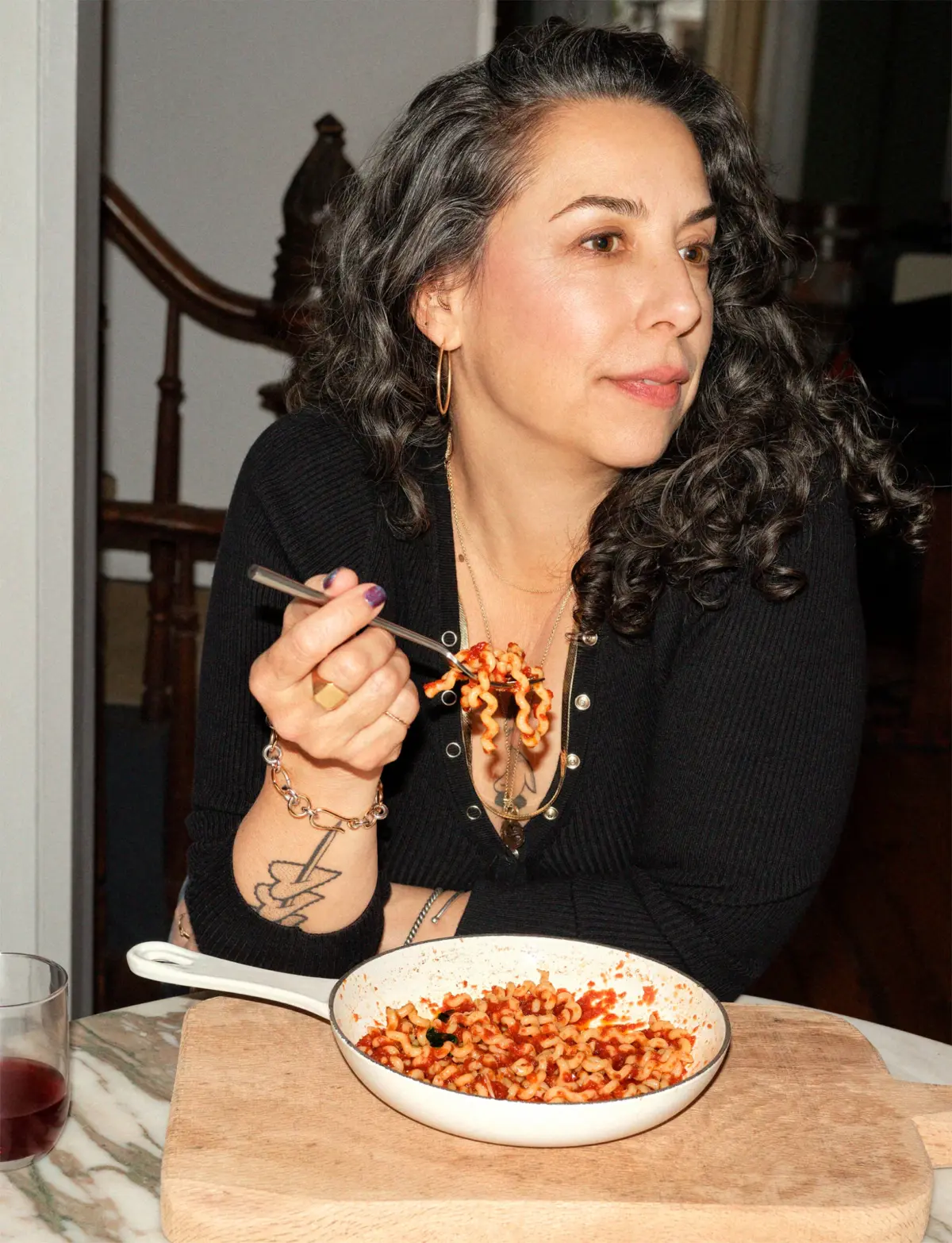
Divorce is universally recognized as one of life’s most profound disruptions—a seismic shift that rewrites daily routines, alters domestic spaces, and forces individuals to reimagine their identities outside the confines of a long-term partnership. For celebrated food writer, recipe developer, and former Bon Appétit editor Carla Lalli, the end of a 24-year marriage became the catalyst for a radical rethinking of her relationship with food, family, and home.
In her eagerly anticipated new cookbook, Food Is a Feeling: Recipes & Stories, With Love (published by Clarkson Potter/Publishers, an imprint of Penguin Random House), Lalli steps away from traditional, multi-serving family fare to explore the intimate, sometimes jarring, but ultimately liberating world of cooking for two, or even just for one. Rather than framing the dissolution of her marriage through a lens of unmitigated tragedy, Lalli’s essays and recipes offer a nuanced, deeply relatable portrait of modern reinvention. Through the prism of the kitchen, she demonstrates how new domestic rituals can emerge from major life transitions, turning the quietness of an empty house into an unexpected space for creative freedom, emotional resilience, and culinary discovery.
This comprehensive feature examines Lalli’s personal narrative, the structural and psychological evolution of her home life with her younger son, Cosmo, the broader cultural conversation surrounding eating alone after divorce, and a detailed look at her upcoming literary release, complete with an exclusive spotlight on one of the book’s standout recipes: her Lemony Chickpea Stew with Rice and Magic Green Sauce.
Detailed Chronology: From Nuclear Family to the "Gang-of-Two"
When a long-term marriage ends, the immediate aftermath is rarely tidy. For Lalli, the initial phase was marked by the logistical and emotional realities familiar to millions of families navigating separation: dividing up space, coordinating visitation schedules, and confronting the stark arithmetic of grocery shopping for a suddenly smaller household.
The Quiet Aftermath and the New Domestic Regime
In the early days following her separation, Lalli found herself adjusting to a home that felt markedly different. With her older son away at college and her ex-husband establishing a separate residence, Lalli remained in the family home, creating a dynamic that she affectionately terms the "gang-of-two" scenario with her younger son, Cosmo, during her custody weeks.
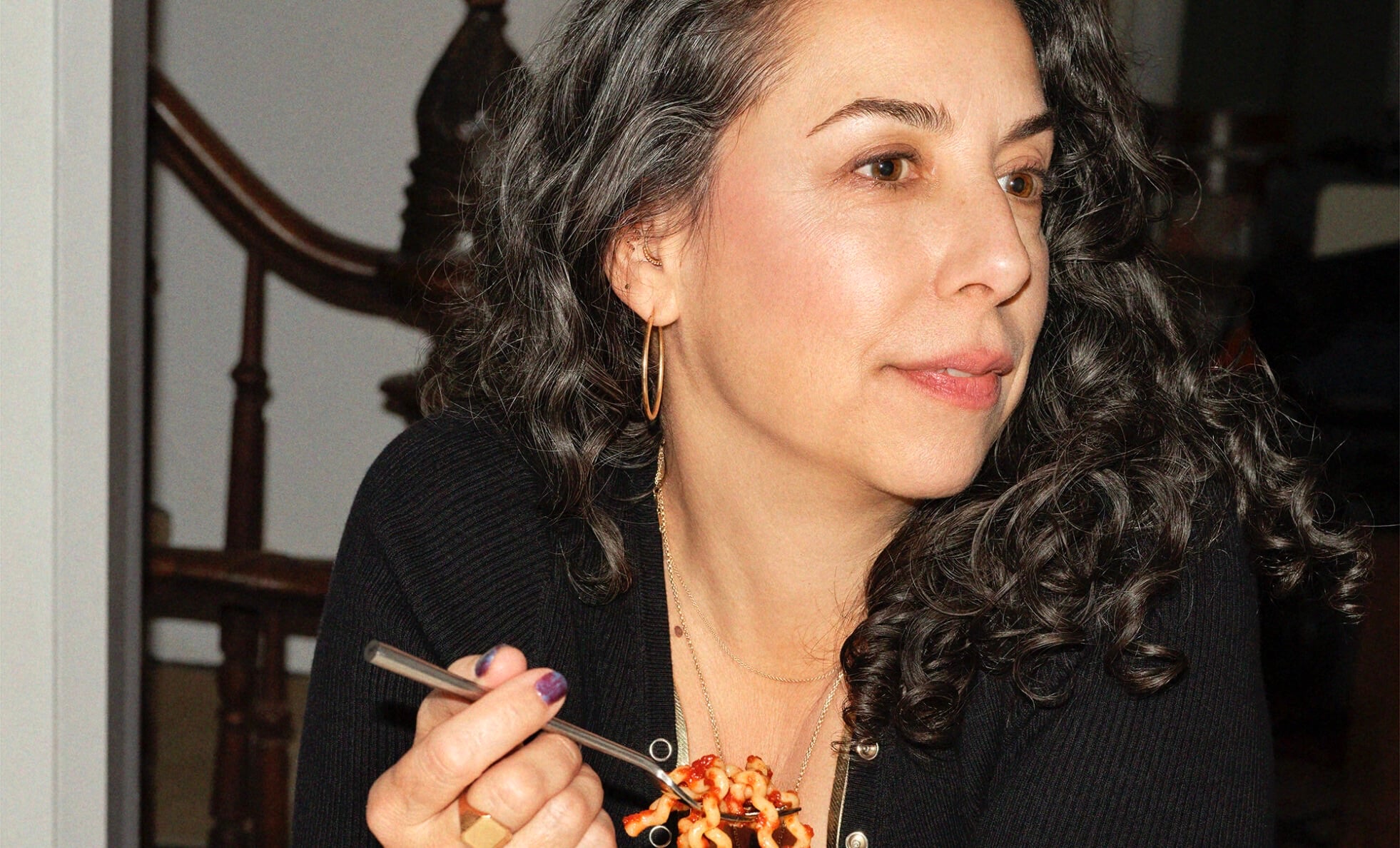
"There are two types of people," Lalli observes in her essays. "The ones who say Congratulations! when you tell them you’re getting divorced, and the ones who grab your arm and gasp, That’s so sad! Sure, at the beginning, it was odd to cook for three, or two, or one, and not our nuclear family of four. I wouldn’t say it was sad, though. It was weird. It was unfamiliar. It was quieter."
This quietness, however, paved the way for an organic rebuilding of mother-son dynamics. Lalli consciously avoided "firehosing" 100 percent of her attention onto Cosmo when they reunited, opting instead for a chilled-out approach that avoided interrogating him about every detail of his time away. Over time, the absence of the larger family unit removed old household tensions, giving way to a new, unburdened rhythm. Because this specific two-person configuration had never existed before, it carried no built-in historical triggers, allowing mother and son to forge a unique dynamic entirely on their own terms.
The Evolution of Weeknight Rituals
Cooking for a household of two fundamentally altered Lalli’s approach to weeknight dinners. Objectively more affordable and less time-consuming, the smaller scale of ingredients liberated her from the pressures of traditional meal planning. The psychological burden of panicking at 4:00 p.m. over a lack of protein quickly dissipated. Dinners became looser, more spontaneous, and decidedly more fun.
- The Midweek Cutlet Tradition: Embracing the management philosophy that "there are no problems, only challenges," Lalli revived the weeknight breaded chicken cutlet. With fewer breasts to flatten and fewer breadcrumbs required, the process became an efficient, joyful treat rather than a chore.
- Elevated Everyday Ingredients: Purchasing vacuum-sealed lamb chops—once reserved strictly for larger gatherings or formal celebrations—became an accessible luxury for a cozy night in. Candles, once saved for special occasions, became standard table-setting accessories alongside everyday forks and knives, transforming routine meals into deliberate moments of connection.
- Monday Night Pesto & TV Dinners: Breaking long-standing domestic rules against eating in front of the television, Lalli and Cosmo established a Monday night ritual of sitting hip-to-hip on the living room floor with bowls of pesto pasta, watching shows like Bob’s Burgers, The Office, and Parks and Recreation.
- The Post-Dinner Negotiation: Replacing traditional dessert, the duo invented a playful, good-faith end-of-meal negotiation: "Are you in the mood to make a deal?" Terms consistently revolved around dividing up household chores—loading the dishwasher versus walking the dog or bundling the cardboard recycling—deepening their distinct, self-referential family culture.
Supporting Context & Metrics: The Cultural Shift of Eating Alone
Lalli’s literary exploration taps into a broader cultural conversation about solitude, domestic independence, and the changing landscape of American households. Sociological data indicates that single-person households have steadily risen over the past several decades, challenging the historical dominance of the nuclear family model and reshaping how food is marketed, prepared, and consumed.
The Psychology of Cooking for One
For decades, culinary media has heavily centered on feeding families, entertaining groups, or preparing elaborate multi-course meals. Consequently, cooking solely for oneself—or for a drastically reduced household following a divorce or separation—can trigger feelings of isolation or a sense that cooking is no longer "worth the effort."
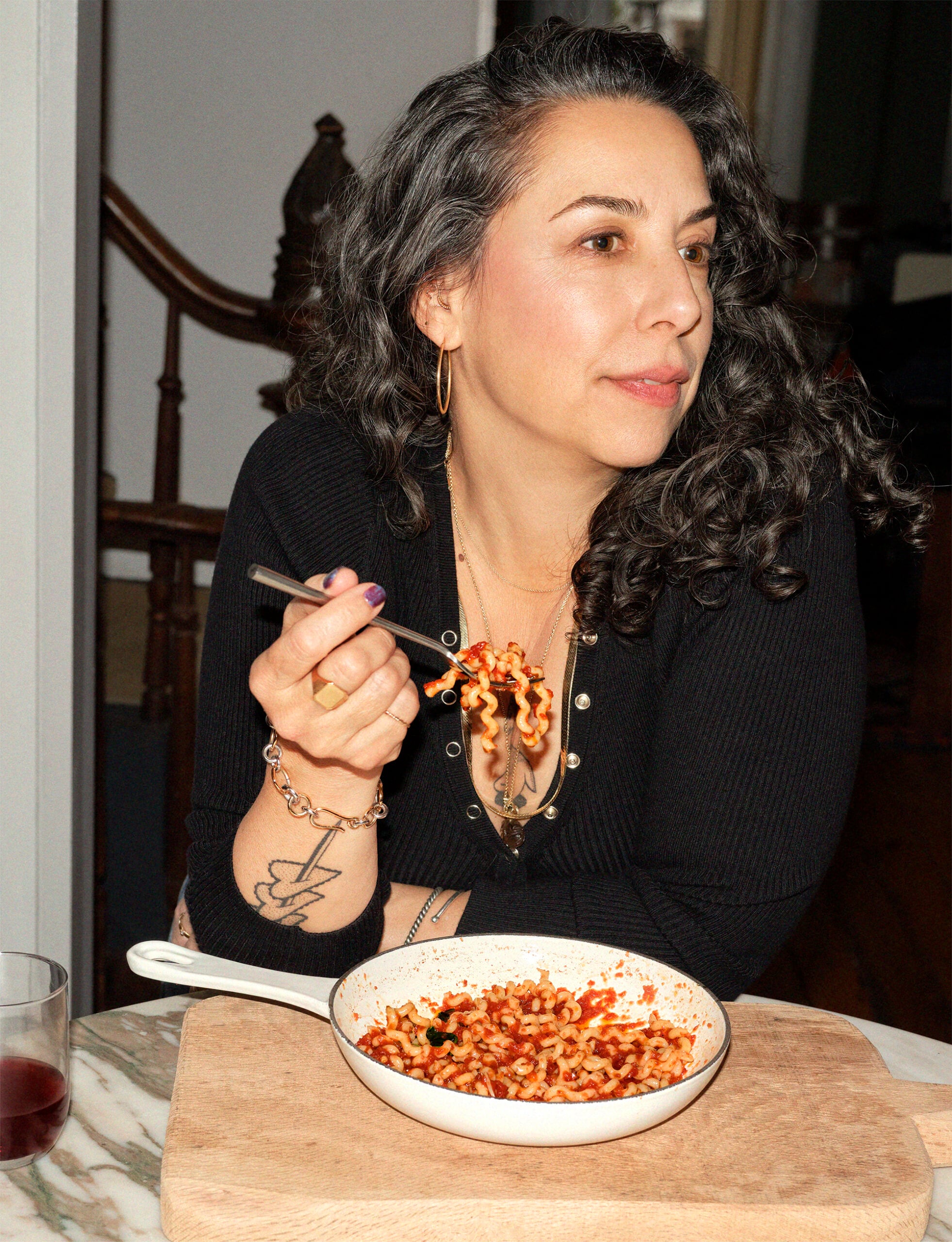
Psychologists and culinary experts note that shifting this mindset requires viewing solo cooking not as a diminished version of family life, but as an act of radical self-care. When individuals stop cooking out of obligation and begin cooking purely for personal pleasure, the kitchen transforms from a site of domestic labor into a sanctuary of autonomy. Lalli’s essays exemplify this paradigm shift, proving that a meal composed of hard-boiled eggs, toast, salami, and a big salad is entirely valid, deeply satisfying, and emotionally grounding.
The Teen Perspective in Co-Parenting Dynamics
Lalli also addresses the unavoidable complexities of co-parenting from a child’s perspective. Big changes are inherently uncomfortable, and Lalli and Cosmo frequently discuss the friction points: the annoyance of repeating information across two households, the awkwardness of adjusting to holidays without both parents present, and the logistical fatigue of moving between two worlds. By validating these realities without attempting to artificially fix or sugarcoat them, Lalli models a healthy, communicative approach to post-divorce parenting where mutual respect and shared objectives—such as simply getting fed and caring for one another—take center stage.
Spotlight on Food Is a Feeling: Recipes, Stories, and Excerpts
Set for release on September 8th, Food Is a Feeling: Recipes & Stories, With Love merges vulnerable, beautifully written essays with the reliable, flavor-driven recipes that have made Lalli a beloved figure in the food world. Published by Clarkson Potter, the book serves as both a memoir of transition and a practical guide for home cooks navigating different phases of life.
Recipe Spotlight: Lemony Chickpea Stew With Rice and Magic Green Sauce
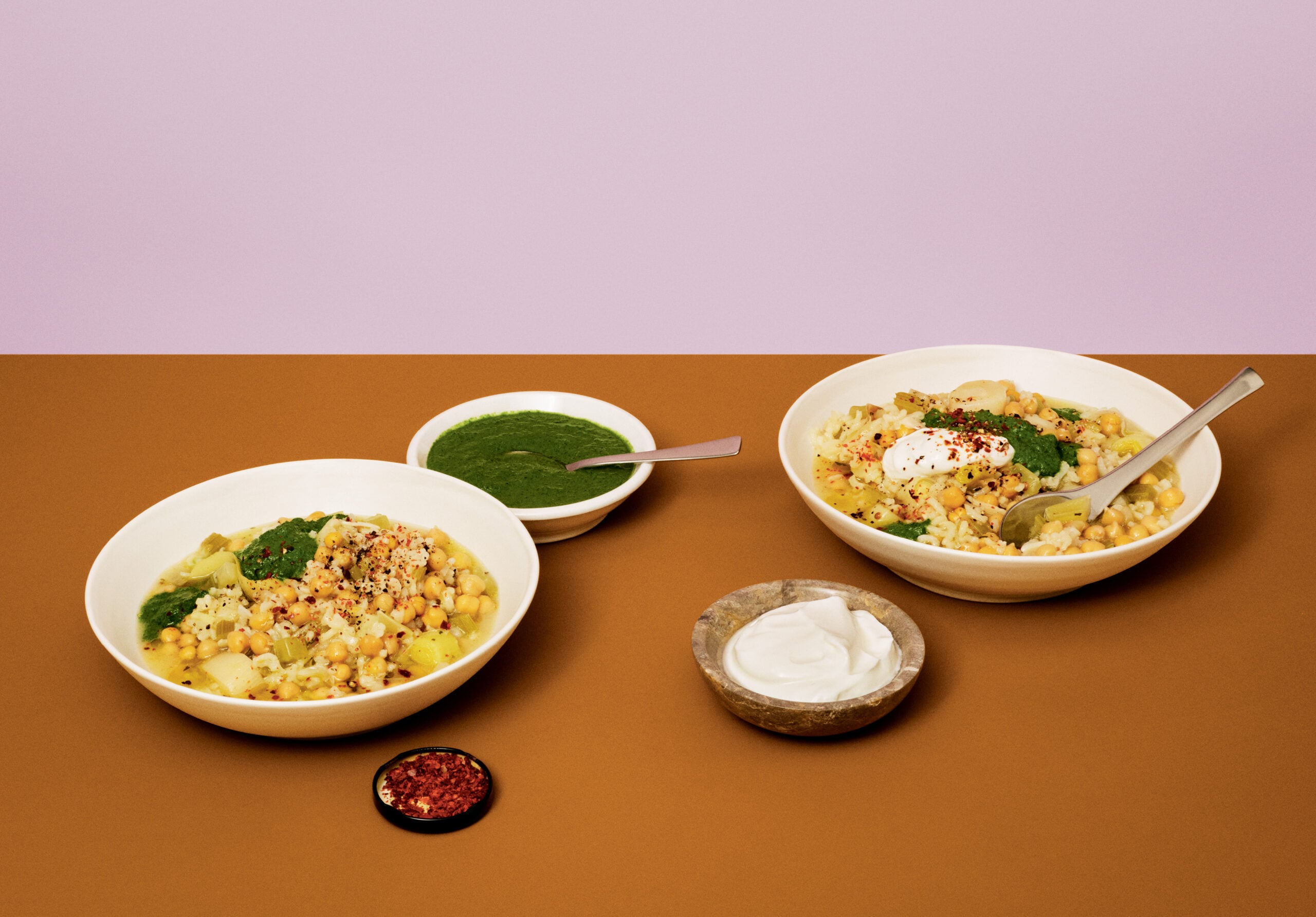
Among the standout recipes in Food Is a Feeling is a vibrant, deeply comforting vegetarian dish that bridges practicality with culinary excitement. Designed to serve four (or two with generous leftovers), this stew utilizes pantry staples like canned chickpeas and long-grain rice, elevated by aromatic vegetables, warm spices, and a brilliantly herbaceous "Magic Green Sauce."
Ingredients:
For the Stew:
- 2 lemons (wide strips of zest removed from 1 lemon using a vegetable peeler; ¼ cup juice squeezed, plus an additional 2 tablespoons reserved for the sauce)
- ⅓ cup extra-virgin olive oil
- 6 garlic cloves, thinly sliced
- 4 celery stalks, cut into a small dice
- 2 medium leeks, sliced into ½-inch-thick rounds, rinsed and blotted dry
- Kosher salt and freshly ground black pepper
- 2 cans (15.5 ounces each) chickpeas, drained and rinsed
- 1 teaspoon coriander seeds, crushed
- 1 teaspoon dried dill
- 1 teaspoon dried mint
- ¾ teaspoon crushed red pepper flakes
- ½ cup long-grain white rice, rinsed
- 4 cups chicken or vegetable stock
For the Magic Green Sauce:
- 2 ice cubes (helps maintain a vibrant green color during blending)
- 4 big handfuls of mature spinach, trimmed and roughly chopped
- 2 cups mixed loosely packed herbs (such as cilantro, dill, and/or chives)
- ½ cup nutritional yeast
- ¼ cup extra-virgin olive oil
- 1 garlic clove
- Kosher salt and freshly ground black pepper
- Water, by the tablespoon (as needed to assist blending)
For Serving:
- Greek yogurt
- Lemon wedges
- Extra-virgin olive oil (for drizzling)
- Crushed red pepper flakes
- Kosher salt and freshly ground black pepper
Preparation Method:
- Cook the Aromatics: Heat a heavy, deep skillet with a lid or a 4-quart Dutch oven over medium heat. Add the extra-virgin olive oil, sliced garlic, diced celery, and leeks. Season with salt and pepper, cooking and stirring frequently until the vegetables begin to release their juices (about 3 minutes). Cover the pot and cook until the leeks soften entirely (3 to 5 minutes).
- Bloom the Spices and Rice: Uncover the pot, allowing accumulated condensation to drip back in, and increase the heat to medium-high. Cook, stirring constantly, until the garlic turns a light golden hue. Reduce the heat to medium, add the drained chickpeas, and stir to coat. Toss in the crushed coriander seeds, dried dill, dried mint, red pepper flakes, and wide strips of lemon zest, stirring continuously to allow the spices to bloom. Stir in the rinsed rice.
- Simmer the Stew: Pour in the chicken or vegetable stock along with 2 tablespoons of freshly squeezed lemon juice (reserving the remaining juice for the green sauce). Bring the mixture to a simmer, cover the pot, reduce the heat to medium-low, and cook gently until the rice is tender—approximately 15 minutes.
- Prepare the Magic Green Sauce: In a blender jar, place two ice cubes, followed by the chopped spinach, mixed herbs, nutritional yeast, olive oil, and the remaining 2 tablespoons of lemon juice. Finely grate the single garlic clove directly into the jar and season with salt and pepper. Blend on high until completely smooth and emulsified (about 2 minutes). Add water by the tablespoon if necessary to help the blades turn. Transfer the vibrant green sauce to a bowl and adjust seasoning to taste.
- Serve: Check the stew for seasoning, loosening the consistency with additional warm stock or hot water if desired. Ladle the stew into bowls, topping each portion with a generous spoonful of Greek yogurt and a vibrant dollop of the Magic Green Sauce. Finish with a lemon wedge on the side, a drizzle of olive oil, a pinch of red pepper flakes, and a final crack of salt and pepper.
Future Outlook
Carla Lalli’s upcoming book and her candid reflections on domestic life signal a broader cultural evolution in how society perceives the single-person household and post-divorce life. Far from signaling the end of a meaningful domestic existence, major life transitions are increasingly understood as opportunities to recalibrate, establish healthier boundaries, and discover unexpected sources of joy.
Through her ongoing work on her Substack newsletter, Food Processing, and her literary contributions, Lalli continues to mentor home cooks through life’s unpredictable seasons. Her message is clear and reassuring: whether cooking a lavish multi-course meal for a crowd or throwing together frozen dumplings and edamame at the kitchen island, the kitchen remains a place of agency. Big changes may bring discomfort, but as Lalli and her son Cosmo demonstrate around the dinner table, knowing how to care for one another and knowing how to get fed will always ensure a seat at a well-set table.
