

Executive Overview
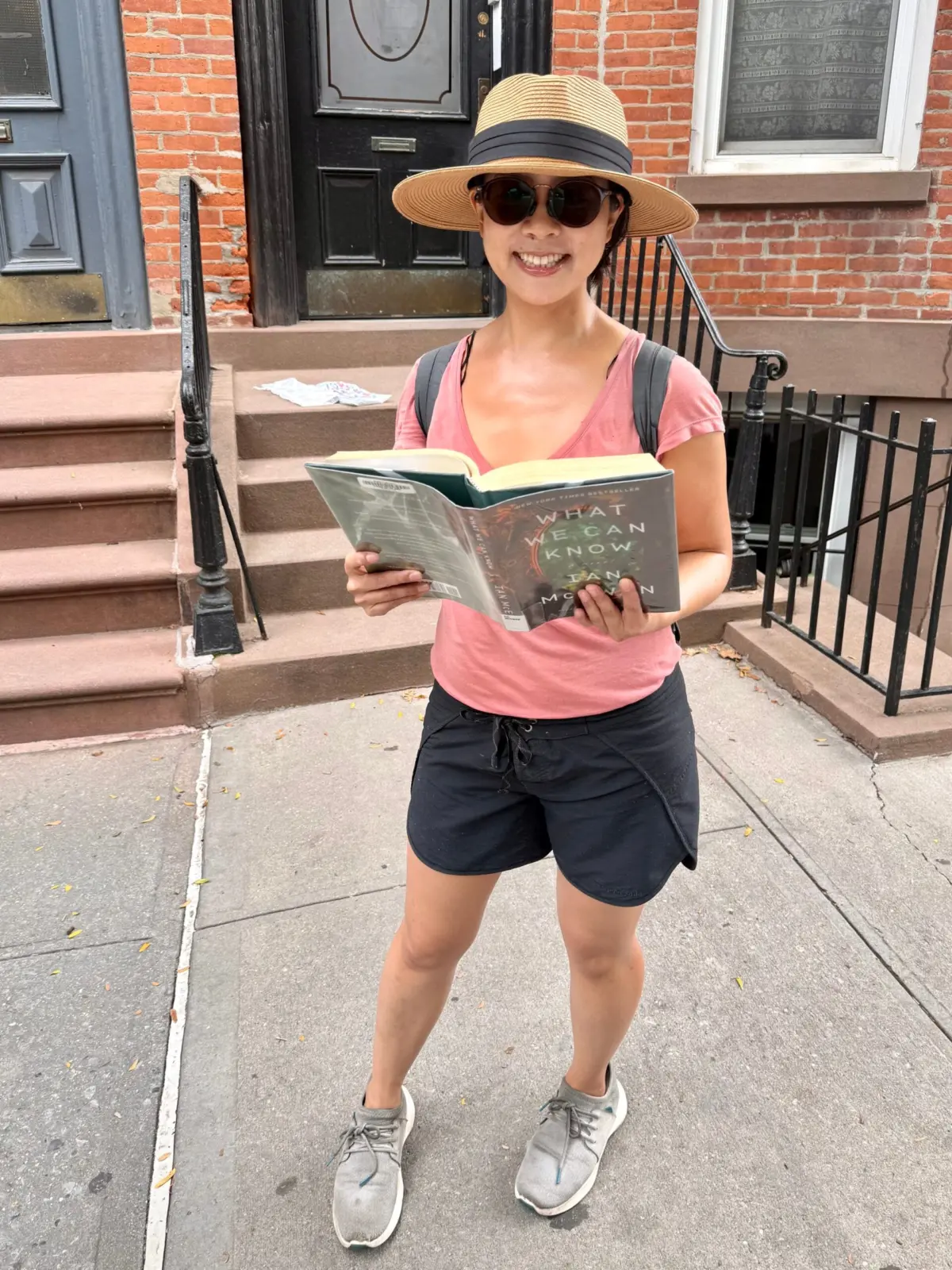
In an era dominated by the relentless glare of smartphone screens and the constant demand for digital hyper-connectivity, a quiet, analog counter-revolution is taking place on the sidewalks of major metropolitan areas. While the modern pedestrian is typically envisioned hunched over a glowing mobile device—navigating urban terrain through peripheral vision and sheer muscle memory—a dedicated subculture of literature enthusiasts is reclaiming the pavement through a surprising medium: physical books.
This deep-dive investigative feature examines the growing phenomenon of reading while walking. Moving beyond a mere quirky habit, this practice serves as a fascinating case study in multitasking, urban psychology, and the enduring human desire to carve out moments of deep focus amidst the chaos of city life. Through an exclusive interview with Stephanie, a Brooklyn-based high school teacher and veteran pedestrian reader, this article explores the mechanics, risks, literary choices, and cultural significance of turning the daily commute into a mobile literary salon.
By analyzing the intersection of spatial navigation, cognitive load theory, and modern lifestyle adaptations, we uncover why an increasing number of urbanites are trading their audiobooks and podcasts for tangible, paper-and-ink page-turners while on the move.
Detailed Chronology: From College Budget Hacks to a Lifelong Habit
The practice of reading while walking is rarely a skill acquired overnight; rather, it is often forged out of necessity, boredom, or a relentless appetite for literature. To understand how contemporary pedestrians master this art, one must trace its evolution from youthful adaptation to a refined daily routine.
The Genesis: Navigating the Brooklyn Bridge
For Stephanie, the habit took root during her post-collegiate years. Fresh out of college, she found herself navigating the classic urban economic squeeze: living in the vibrant, artistic borough of Brooklyn while working long hours in the bustling commercial heart of Manhattan. To economize on public transportation costs and incorporate physical activity into her sedentary routine, she made a resolute commitment to walking across the iconic Brooklyn Bridge.
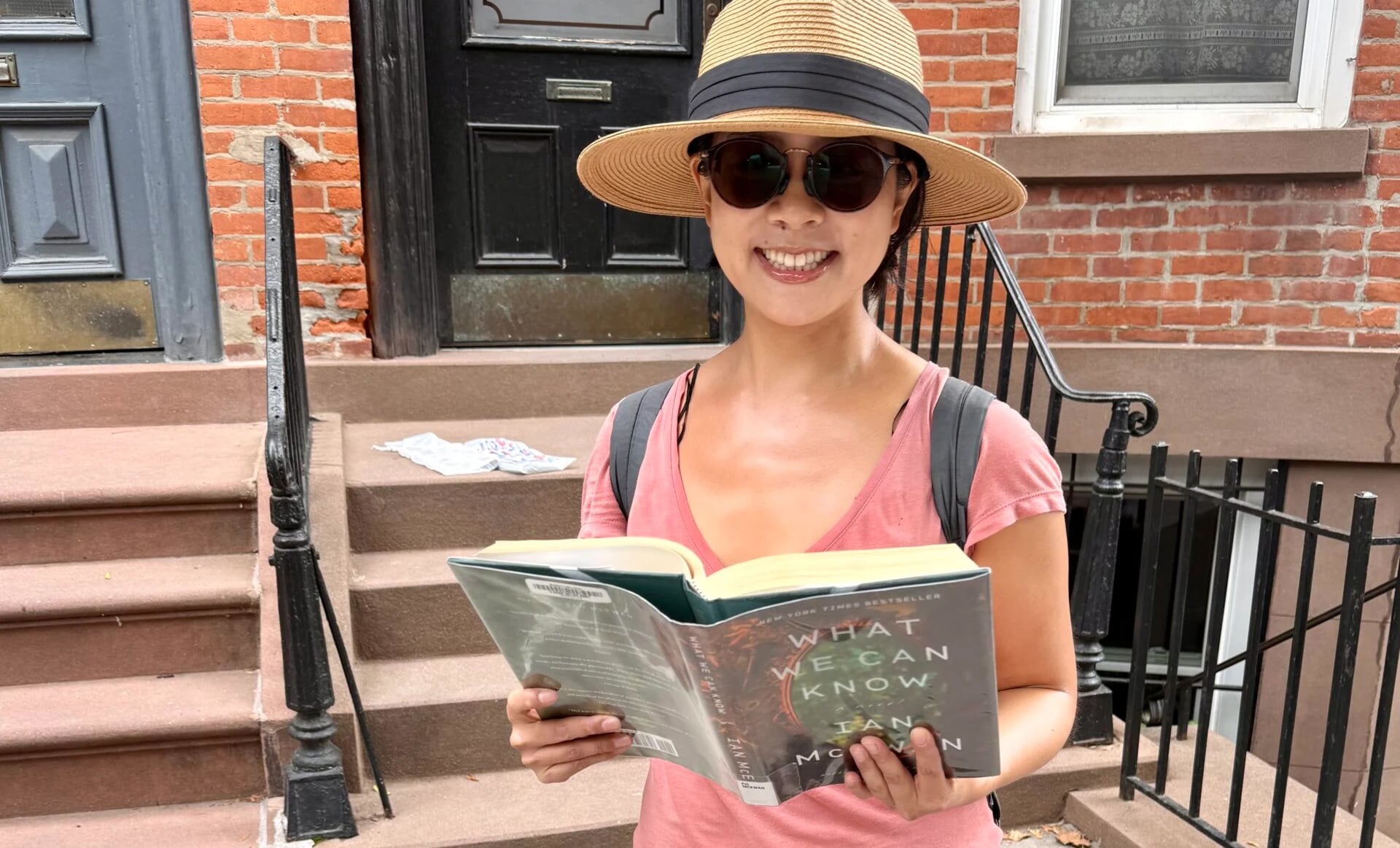
However, the expansive span of the bridge, combined with the lengthy stretches of concrete leading to and from her destinations, presented a distinct challenge: dead time. While many commuters filled these gaps with music or radio broadcasts, Stephanie found that auditory stimulation did not fully satisfy her mental engagement. Turning to literature provided a dual benefit. Not only did it optimize her transit time, but it also served as an antidote to restlessness. "I also get antsy just sitting with a book in my apartment," she notes, highlighting a psychological profile shared by many kinetic readers who require physical motion to anchor their focus.
Refining the Craft: Muscle Memory and Route Mastery
Critics of reading while walking often point to the obvious hazards: lampposts, uneven sidewalks, stray tree branches, and bustling crowds. Yet, veteran practitioners develop a sophisticated spatial awareness that transforms potential hazards into manageable variables.
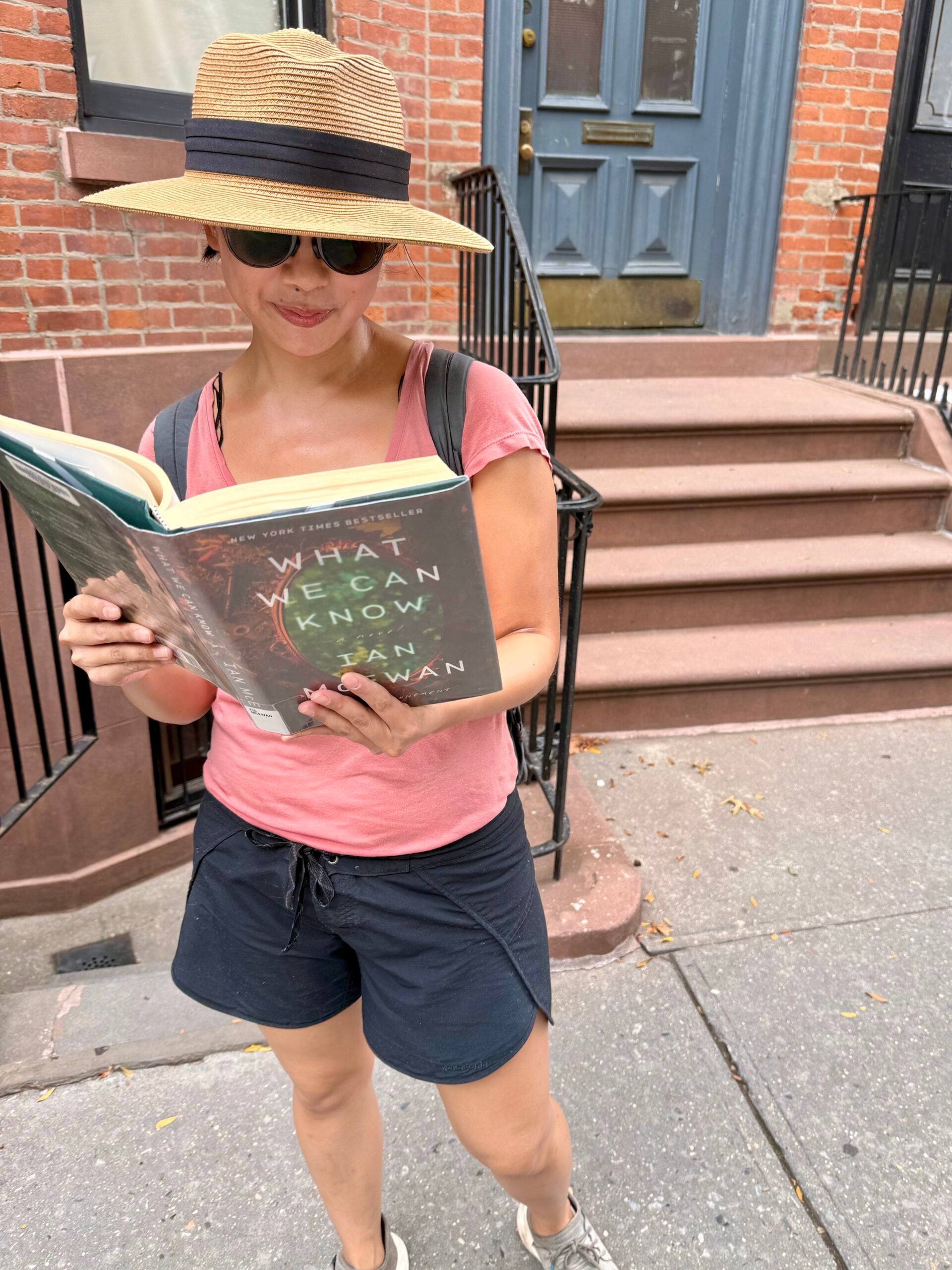
Stephanie admits she is "not a perfect person," acknowledging occasional encounters with stray branches. However, the secret to safe mobile reading lies in route familiarity. By traversing the exact same pathways day in and day out, the pedestrian reader’s brain maps the terrain subconsciously. Interestingly, Stephanie observes a curious irony in modern pedestrian dynamics: "People on their phones often almost bump into me, as opposed to the other way around!" While smartphone users are frequently trapped in a digital tunnel vision—blind to their surroundings due to the interactive nature of screens—the reader of a physical book often maintains a broader, if secondary, awareness of the spatial flow, disrupted only by the page turn.
Supporting Context & Metrics: The Mechanics of Urban Literacy
To contextualize this micro-trend, one must examine the broader cultural landscape of reading habits, urban spatial dynamics, and the physical adaptations required to maintain the practice across changing seasons.
The Logistics of Limited Space
A significant catalyst for Stephanie’s reading habits—and a common thread among modern urbanites—is the reality of contemporary housing. Residing in a compact Brooklyn studio apartment imposes strict physical limitations on material possessions. Storing a traditional, sprawling home library is an architectural impossibility for many city dwellers.
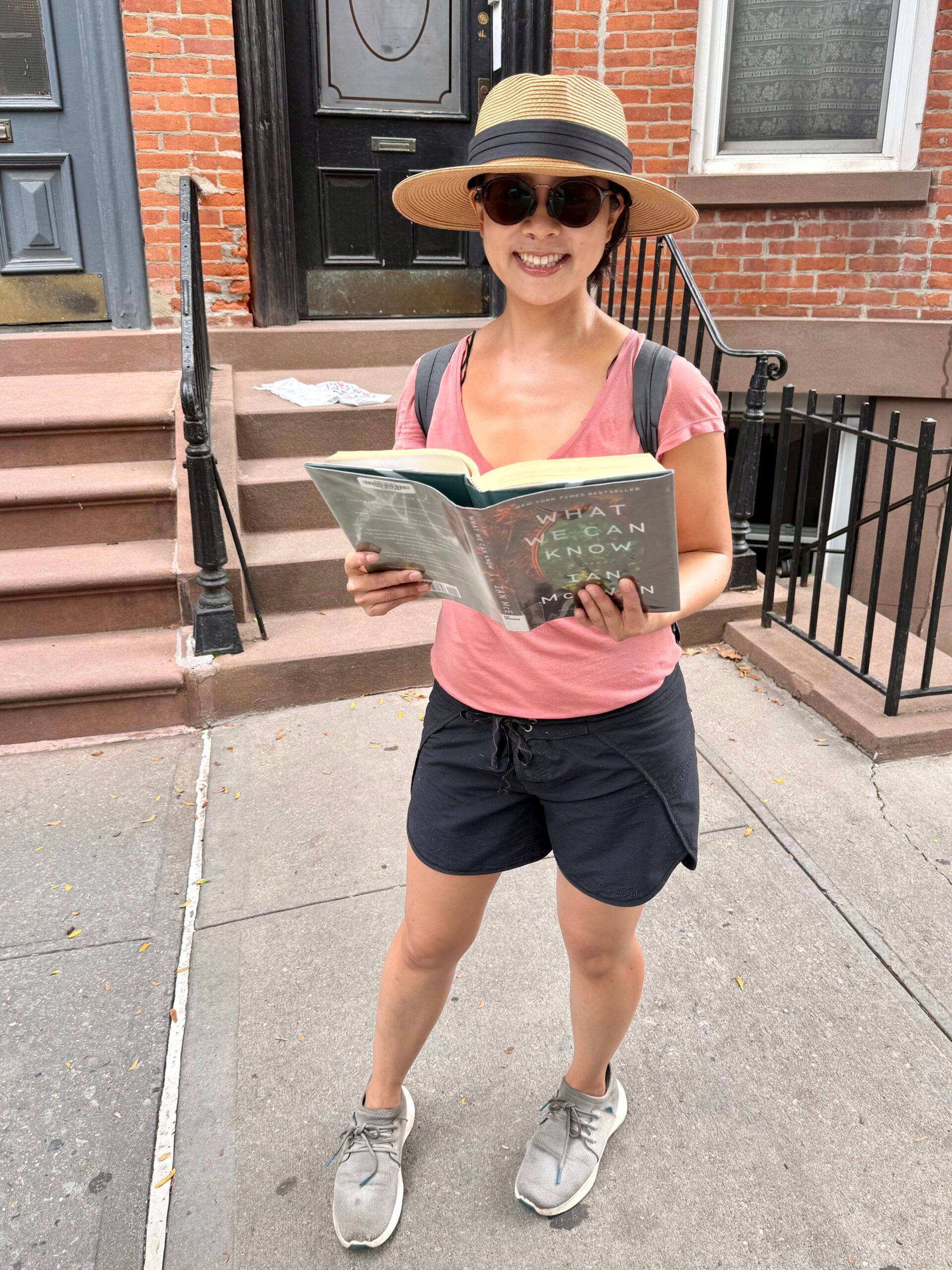
Consequently, the local public library has experienced a renaissance among dedicated readers. By utilizing neighborhood branches, urban readers can continuously cycle through new releases without cluttering their living quarters. Stephanie’s routine of constantly placing titles on hold and making the library a regular stop on her errand circuit demonstrates a symbiotic relationship between public infrastructure and personal enrichment.
Battling the Elements: Winter Adaptations
Reading while walking in temperate autumn or spring weather is one thing; maintaining the practice through punishing Northeastern winters is quite another. Freezing temperatures, biting winds, and snow-slicked pavements present severe obstacles to holding and turning pages outdoors.
Yet, dedicated mobile readers refuse to let the calendar dictate their literary schedules. Stephanie outlines a rigorous cold-weather protocol: donning two pairs of specialized gloves to protect against the frost, coupled with modern technological interventions like rechargeable hand warmers gifted by family members. This fusion of traditional reading habits with practical winter gear underscores the tenacity of those committed to integrating books into every waking hour.
The Curated Reading List: What Mobile Readers Consume
What books lend themselves to being read while navigating bustling sidewalks? According to Stephanie’s current and past reading repertoire, mobile readers are engaging with complex, literary fiction that demands deep intellectual investment rather than casual skimming.
- What We Can Know by Ian McEwan: A cerebral novel following an academic researcher tracking down an elusive, unpublished poem recited at a 2014 dinner party. The narrative’s structural shift halfway through—adopting the perspective of the poet’s wife to reveal the underlying truth—requires sharp cognitive tracking, proving that mobile readers are fully capable of processing intricate plot mechanics while in motion.
- Honey in the Wound by Jiyoung Han: A multi-generational narrative blending historical realism with fantastical elements, offering rich thematic depth.
- The Storm We Made by Vanessa Chan: A deeply tragic historical novel that contrasts sharply with the author’s humorous public speaking persona.
- The Wedding People by Alison Espach: A contemporary acclaimed work consumed and appreciated during her transit routines.
Official Statements & Pedagogical Perspectives
Beyond her personal habits, Stephanie’s professional life as an educator provides a compelling lens through which to view the value of literacy. Having studied linguistics, she now teaches English as a Second Language (ESL) at a high school serving immigrant students.
Drawing from her own family background—born and raised in the United States by immigrant parents—Stephanie possesses a profound empathy for the linguistic and cultural hurdles newcomers face. Her pedagogical philosophy is rooted in advocacy and encouragement:
"I was born and raised here, but my parents are immigrants, so I understand some of the challenges. And I always encourage everyone to read as much as possible."
In her view, the medium through which one engages with text matters far less than the act of engagement itself. Whether reading a library book on a stationary subway car, at a coffee shop, or while walking briskly down a Brooklyn avenue, the act of reading represents an assertion of intellectual independence in a world increasingly engineered for passive consumption.
Future Outlook
As urban centers continue to densify and digital distractions threaten to fragment human attention spans entirely, phenomena like reading while walking offer a glimpse into alternative modes of existence. Far from being an obsolete or dangerous eccentricity, the sight of a pedestrian immersed in a physical book challenges our assumptions about time management, multitasking, and public space.
Looking forward, urban planners and cultural commentators alike may begin to view the mobile reader not as an anomaly, but as a symbol of mindful resistance. In an age where every public square is saturated with digital noise, the act of walking with an open book is a silent declaration: that our minds can remain anchored in complex narratives, deep history, and rich imaginative worlds, even while taking steps forward in the physical world.