

The modern intersection of media, professional sports, and high-stakes political communications has reached an unprecedented level of volatility. Across industries, institutional pillars are grappling with rapid disruptions: the shifting parameters of digital and traditional press access, the evolving boundaries of corporate sponsorship and artificial intelligence, and the intense personal accountability demanded of public-facing figures.
This comprehensive report examines the most critical developments shaping the media and political landscape. From the vacancy at the White House podium following Karoline Leavitt’s departure and internal creative disputes at major podcast networks to credential revocations in collegiate and professional sports—culminating in the legal and career fallout surrounding prominent NFL analyst Tony Romo—this analysis explores how transparency, ethics, and governance are being tested across multiple fronts.
Detailed Chronology & Developments
1. The White House Press Room Vacuum
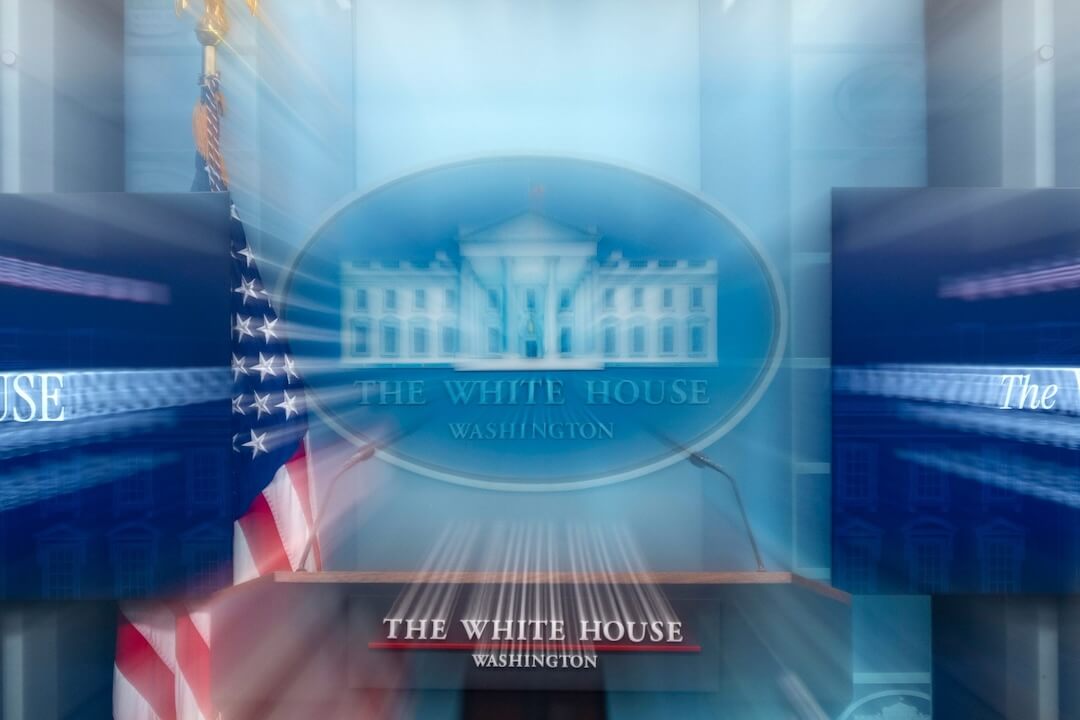
Following the official departure of White House Press Secretary Karoline Leavitt—who stepped down following her return from parental leave after the birth of her second child—the administration faces a critical communications void. As reported by NBC News chief White House correspondent Garrett Haake, the administration is scheduled to hold a high-profile press briefing. Yet, as of mid-week, the identity of the person stepping behind the podium remains entirely unconfirmed.
During Leavitt’s prior parental leave, the administration utilized a rotating cast of Cabinet secretaries and Vice President JD Vance to field questions. Speculation regarding a permanent successor has run rampant. Early momentum favored CNN contributor Scott Jennings, though internal reports suggest that appointment is increasingly unlikely.
Digital content creators and industry observers have floated several alternative contenders, including:
- Stephen Miller: Senior White House adviser.
- Katie Miller: Former press secretary for Vice President Mike Pence and spouse to Stephen Miller.
- Steven Cheung: White House Communications Director.
- Anna Kelly: Principal Deputy Press Secretary.
Political analysts note that Leavitt’s sudden exit—coupled with President Donald Trump’s high regard for her performance—may have contributed to the delay in securing a permanent replacement. Alternatively, observers suggest the administration may view the vacancy as secondary, given President Trump’s frequent, direct availability to the press corps.
2. Internal Dissent at The Ringer: AI and Corporate Partnerships
In the digital media sphere, internal friction bubbled to the surface during a candid appearance on the Talk Easy With Sam Fragoso podcast. Sean Fennessey, former head of content for The Ringer and co-host of The Picture, openly criticized key business decisions made by company founder Bill Simmons and corporate parent Spotify.
The controversy centers on two distinct issues:
- The Netflix Licensing Deal: In October 2025, Spotify licensed several Ringer properties—including The Big Picture—non-exclusively to Netflix. Fennessey highlighted an inherent ethical conflict, noting the friction of a podcast critiquing cinematic releases that simultaneously appear on the platform licensing the show.
- AI Integration and Sponsorships: Fennessey expressed strong disapproval of an advertising partnership with OpenAI’s ChatGPT on the movie review podcast The Rewatchables. The sponsorship has featured segments where Simmons uses the AI tool to simulate posthumous film commentary from late legendary critic Roger Ebert. Fennessey characterized the feature as ethically uncomfortable, stating he would reject such posthumous representation for himself.
Media analysts note that while Fennessey’s public critique highlights genuine structural tension, his long-standing professional relationship with Simmons remains secure. Rather than signaling an imminent departure, the remarks underscore the growing unease among creators navigating corporate monetization and generative AI in modern media.
3. Institutional Crackdowns: TCU and the Tennessee Titans
The friction between sports franchises and the press reached a boiling point with two major credential revocations.
Texas Christian University (TCU)
TCU officially rescinded the media credentials of the Fort Worth Star-Telegram following its coverage of a violent locker room altercation between two TCU football players, which resulted in player Jacob Fields being dismissed from the team. University athletic spokespersons defended the ban by claiming the newspaper’s coverage incited threats against the victim. However, the Star-Telegram countered that it initially withheld the victim’s identity until the player publicly identified himself via social media.
Subsequent investigative reporting by the Star-Telegram painted a disturbing picture of institutional delay. Arrest warrant affidavits revealed that wide receiver Dozie Ezukanma suffered a concussion and a brain bleed after being punched and kicked in the head, yet was allegedly not transported to an emergency room for nearly two hours following the attack. Despite national condemnation from organizations such as the Football Writers Association of America, TCU has maintained its ban against the publication.
The Tennessee Titans
In the NFL, the Tennessee Titans revoked the media credentials of digital creator and podcaster Jared Stillman. The revocation follows a testy press conference exchange between Stillman and Titans quarterback Cam Ward regarding preseason performance.
Independent journalist Paul Kuharsky broke the story, noting that Stillman’s irregular presence, performative interview style, and history of promoting unsupported theories distinguished him from traditional beat reporters. While the team declined to issue a formal public statement detailing the ban, Stillman confirmed via his podcast that team officials informed him his digital platform did not necessitate daily press access, regardless of the exchange with Ward.
4. Tony Romo Breaks Silence Following OWI Arrest
CBS lead NFL analyst Tony Romo has issued his first public statement via Instagram following his July arrest in Wisconsin on suspicion of operating while intoxicated (OWI). The arrest prompted CBS to suspend Romo indefinitely, elevating J.J. Watt to the primary broadcast booth alongside play-by-play announcer Jim Nantz.
In his social media statement, Romo confirmed he pleaded no contest to the charge, attributing his legal troubles to a complex chain of events stemming from his athletic career:
"Multiple back surgeries ended my career earlier than I expected and left me with constant, debilitating pain. That pain led to a dependence on pain medication, and my efforts to get off those medications led to an over-reliance on alcohol."
Court records indicate Romo’s plea resulted in a six-month driver’s license revocation, mandatory completion of an alcohol assessment program, and $834 in fines. Romo expressed remorse and affirmed his intention to prioritize his health, family, and eventual return to broadcasting.
Industry analysts remain divided on whether CBS will welcome Romo back to his lucrative 10-year, $180 million contract, particularly given mounting pre-arrest scrutiny regarding his on-air preparation and analysis.
Supporting Context & Metrics
| Sector | Key Event / Issue | Primary Stakeholders | Current Status / Resolution |
|---|---|---|---|
| Politics | White House Press Secretary Vacancy | White House, Garrett Haake, Potential Successors | Unresolved; upcoming Thursday press briefing holder unconfirmed. |
| Digital Media | Corporate licensing & AI integration | Sean Fennessey, Bill Simmons, Spotify, Netflix | Internal dissent aired publicly; operations continue under existing corporate agreements. |
| Collegiate Sports | Revocation of media access & locker room assault | TCU, Fort Worth Star-Telegram, Dozie Ezukanma | Credentials remain revoked; investigative reporting ongoing despite institutional pressure. |
| Professional Sports | NFL media credential revocation | Tennessee Titans, Jared Stillman, Paul Kuharsky | Access revoked; ongoing debate regarding digital creators vs. traditional beat reporters. |
| Broadcast Media | OWI arrest and indefinite network suspension | Tony Romo, CBS Sports, J.J. Watt | Suspended; Romo issues public statement confirming treatment and legal plea. |
Official Statements & Public Commentary
-
On White House Press Operations:
“What we don’t know is who will hold the briefing… Heck, it might even be the president.” — Garrett Haake, NBC News Chief White House Correspondent -
On Corporate Media Conflicts:
“I think there’s an inherent conflict with the work that we’re doing. I don’t think it totally makes sense for a show that’s covering films released by Netflix to be licensed nonexclusively to Netflix — but it wasn’t my decision, so we’re working within that reality.” — Sean Fennessey, Former Head of Content, The Ringer -
On Collegiate Institutional Transparency:
“TCU football player Dozie Ezukanma was not sent to the ER for nearly two hours after he was attacked by a teammate in the locker room and suffered a concussion and brain bleed, according to TCU police.” — Bud Kennedy, Columnist, Fort Worth Star-Telegram -
On Accountability and Recovery:
“The past month has been difficult, but it has also been personally significant. It has required me to confront and own my mistakes fully — to the Lord, to myself, to my family, and now to the public.” — Tony Romo, CBS Sports NFL Analyst
Future Outlook
The convergence of these events signals profound structural shifts across politics, journalism, and sports entertainment:
- The Evolution of White House Communications: As the administration navigates its current press secretary vacancy, the traditional model of daily briefings may undergo transformation. The increasing reliance on executive-level direct communication via digital channels could permanently alter how executive branch information is disseminated.
- The Creator Economy vs. Legacy Access: The friction experienced by the Tennessee Titans and traditional newsrooms highlights a broader identity crisis in media accreditation. As independent podcasters and YouTubers demand equal access, sports leagues and corporate entities are drafting stricter definitions of professional journalism.
- Corporate Ethics and Talent Retention: Incidents at Spotify/The Ringer and CBS demonstrate that media conglomerates must tread carefully when balancing aggressive monetization strategies—such as AI integration and streaming cross-promotions—with the creative integrity and personal stability of their top talent.
As these stories continue to develop, industry stakeholders must adapt to heightened demands for transparency, stricter ethical boundaries, and a rapidly decentralizing media ecosystem.