

Executive Overview
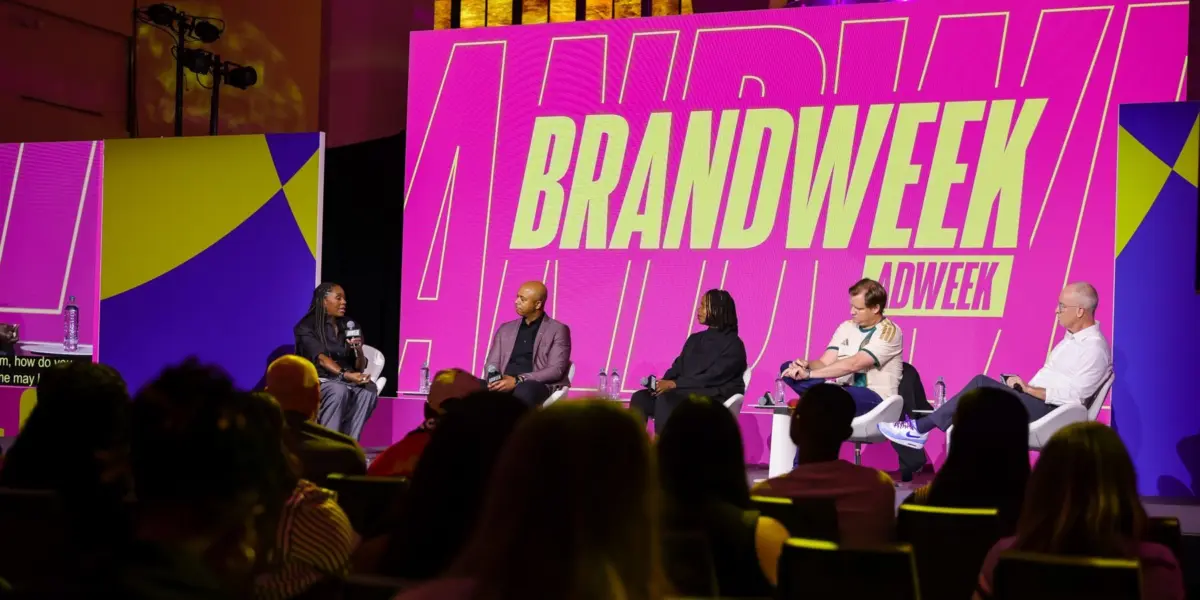
In the sprawling, rapidly evolving metropolis of Atlanta, sports do not merely occupy a vertical silo of entertainment; they serve as the vital connective tissue binding together the city’s rich history, globally influential music scene, and deeply invested local communities. This unique philosophy took center stage on the final day of Brandweek 2026 during a high-profile panel discussion titled "Home Field Advantage." Moderated by Shannon Watkins, founder of Watkins Brand Advisors, the session brought together top-tier marketing executives from Atlanta’s four major professional sports franchises: Shannon Joyner, Chief Marketing Officer of the Atlanta Falcons (NFL); Melissa Proctor, Executive Vice President and Chief Marketing Officer of the Atlanta Hawks (NBA); Adam Zimmerman, Senior Vice President of Marketing and Content for the Atlanta Braves (MLB); and Mike Ridley, Vice President of Marketing for Atlanta United FC (MLS).
The core thesis of the discussion was as compelling as it was definitive: in Atlanta, sports, music, history, and community do not operate in separate lanes—they are inextricably fused into a singular, dynamic cultural ecosystem. As brands increasingly struggle to forge authentic connections with modern, fragmented audiences, Atlanta’s premier sports organizations have effectively mastered the art of cultural integration. By aligning their marketing strategies with the heartbeat of the city itself, these teams have transformed traditional sports marketing into an immersive, year-round cultural movement. This in-depth report explores the insights shared at Brandweek 2026, analyzes the metrics and strategies driving Atlanta’s sports dominance, evaluates official leadership perspectives, and outlines the future outlook for brand storytelling in the sports and entertainment industries.
Detailed Chronology: The Evolution of Atlanta’s Sports-Culture Convergence
To understand how Atlanta’s sports franchises arrived at this unprecedented level of cultural synchronization, one must examine the chronological evolution of the city’s sports marketing landscape over the past two decades.
Phase 1: The Traditional Era (Pre-2010s)
Historically, Atlanta’s sports teams operated much like franchises in any other major American market. Marketing strategies were largely transactional, relying heavily on traditional media channels—such as local television broadcasts, print advertising, and radio spots—coupled with ticket-sales promotions and game-day activations. While teams like the Braves enjoyed massive regional followings rooted in their TBS Superstation era, and the Hawks maintained dedicated local fanbases, the intersection of sports with hip-hop culture, civil rights history, and modern street fashion remained largely superficial or accidental.
Phase 2: The Cultural Renaissance (2010–2018)
As Atlanta solidified its status as the undisputed cultural and musical capital of the world—anchored by the explosion of trap music, contemporary art movements, and a booming tech and entrepreneurial sector—local sports franchises began to recognize a massive untapped opportunity. The opening of new state-of-the-art venues, most notably Mercedes-Benz Stadium (2017) and State Farm Arena (redeveloped extensively through the late 2010s), provided the physical infrastructure necessary to merge sports with lifestyle branding. During this period, Atlanta United FC burst onto the MLS scene in 2017, immediately shattering attendance records by treating matchdays not merely as soccer games, but as inclusive, high-energy cultural celebrations reflective of the city’s diverse demographic makeup.
Phase 3: The Integrated Ecosystem (2019–Present)
Today, Atlanta’s sports marketing executives view their organizations as lifestyle and media brands first, and sports teams second. The convergence was accelerated by digital media, social platforms, and an institutional commitment to reflecting Atlanta’s authentic identity. The "Home Field Advantage" panel at Brandweek 2026 served as a culmination of this era, highlighting how the Falcons, Hawks, Braves, and Atlanta United have successfully broken down traditional industry silos. By collaborating directly with local artists, designers, historians, and community activists, these franchises have established a blueprint for how modern sports organizations can become inseparable from the cultural fabric of the cities they represent.
Supporting Context & Metrics: The Business of Cultural Integration
The philosophical approach articulated by Shannon Watkins and her panel is backed by powerful economic and engagement metrics. In modern sports business, authenticity is no longer a soft metric; it directly impacts ticket sales, merchandise revenue, global viewership, and corporate partnership valuations.
The Power of Localized Storytelling
According to recent industry analytics presented around modern sports consumer behavior, Gen Z and millennial fans increasingly reject sterile, corporate advertising. They demand brand alignment with social values, creative expression, and local community identity. Atlanta’s sports franchises have capitalized on this shift by leveraging the city’s unique cultural cachet:
- Merchandise and Lifestyle Collaborations: Atlanta teams routinely partner with local streetwear designers, independent artists, and iconic musical acts to release limited-edition apparel collections that sell out within minutes of launch. These items are worn just as frequently at music festivals and art galleries as they are inside stadiums.
- Community-First Initiatives: Rather than treating community outreach as a standard corporate social responsibility (CSR) check-box, Atlanta teams embed community history and civil rights education directly into their brand messaging, honoring the city’s legacy as the cradle of the Civil Rights Movement.
- Cross-Sport Synergy: Unlike cities where sports rivalries create insular fanbases, Atlanta’s major franchises frequently cross-pollinate campaigns, supporting one another’s milestones and creating a unified front of civic pride.
Economic Impact and Fan Engagement
The financial implications of this cultural alignment are staggering. Atlanta United consistently ranks near the top of Major League Soccer in attendance and merchandise sales, proving that soccer can thrive in the American South when packaged as an urban lifestyle experience. Similarly, the Atlanta Hawks have revitalized their brand through cutting-edge digital content, stadium culinary upgrades featuring iconic local Atlanta restaurants, and fashion-forward uniform designs that resonate deeply with the city’s youth culture. The Atlanta Braves, meanwhile, have successfully bridged their rich historic legacy with modern suburban and urban engagement through the development of The Battery Atlanta—a mixed-use community that proves sports properties can generate 365-day-a-year revenue streams by functioning as cultural hubs.
Official Statements and Leadership Perspectives
The discussion at Brandweek 2026 provided profound insights directly from the senior marketing architects steering Atlanta’s premier sports organizations. Their remarks underscore a shared commitment to authenticity, community integration, and cultural relevance.
Shannon Watkins: Redefining the Paradigm
Opening the session, Shannon Watkins set a definitive tone for the conversation regarding how sports operate within the unique ecosystem of the American South:
"In Atlanta, sports move differently, and they don’t operate in a different lane than music or history or community. It is culture."
Watkins emphasized that marketers attempting to capture the attention of modern consumers must abandon rigid category boundaries. In a city like Atlanta—where cultural innovation drives global trends—sports must act as a mirror reflecting the community’s artistic and historical soul.
Shannon Joyner (Atlanta Falcons): Amplifying the Voice of the City
Speaking on behalf of the Atlanta Falcons, CMO Shannon Joyner highlighted the deep responsibility major franchises hold in amplifying local narratives:
"When we approach marketing for the Falcons, our goal isn’t just to sell seats for a Sunday afternoon game. It’s about telling the ongoing story of Atlanta. We have a platform that reaches millions, and our responsibility is to ensure that the creativity, the resilience, and the undeniable cool of this city are front and center in everything we do."
Joyner noted that the Falcons have increasingly leaned into collaborations with Atlanta’s legendary hip-hop community, ensuring that game-day experiences honor the musical heritage that defines the city’s global identity.
Melissa Proctor (Atlanta Hawks): Designing for the Culture
Melissa Proctor, EVP and CMO of the Atlanta Hawks, discussed how the franchise has deliberately positioned itself at the intersection of sports, fashion, and social consciousness:
"Basketball is fashion, music, and art. In Atlanta, that intersection is magnified tenfold. For us at the Hawks, success means that when someone wears our gear or steps into State Farm Arena, they feel an authentic connection to what makes Atlanta special. We don’t chase culture; we build alongside it."
Proctor pointed to the Hawks’ innovative uniform designs, community basketball court refurbishments, and integration of local culinary staples as vital components of a strategy that prioritizes authentic cultural representation over traditional corporate messaging.
Adam Zimmerman (Atlanta Braves): Honoring Heritage While Embracing Modernity
Representing the Atlanta Braves, SVP of Marketing and Content Adam Zimmerman addressed the unique challenge of balancing a storied, historic franchise with the demands of a fast-paced, modern consumer base:
"The Braves have deep roots in the history of this region. But history isn’t something that sits in a museum—it’s alive. Our focus has been on connecting our rich heritage with the vibrant, contemporary energy of modern Atlanta. Whether it’s through our digital content storytelling or the creation of spaces like The Battery Atlanta, we are building a continuous bridge between yesterday’s traditions and tomorrow’s cultural movements."
Mike Ridley (Atlanta United FC): Creating Inclusivity Through Soccer
Mike Ridley, VP of Marketing for Atlanta United FC, spoke to how the club has built an intensely loyal and diverse fanbase by mirroring Atlanta’s welcoming, international spirit:
"Soccer is the world’s game, but in Atlanta, it took on a distinct local flavor from day one. Our supporters’ groups, our matchday atmosphere, and our community initiatives are entirely reflective of Atlanta’s multicultural identity. We didn’t have to invent a culture for Atlanta United; we simply opened our doors and let the city’s existing energy drive the club."
Future Outlook: The Next Frontier in Sports and Brand Marketing
As the sports marketing industry looks toward the late 2020s and beyond, the blueprint established by Atlanta’s major franchises offers invaluable lessons for brands worldwide. The era of the isolated sports team—operating strictly within the confines of stadium walls and seasonal calendars—is officially drawing to a close.
Key Trends Shaping the Future of Sports Marketing:
- The 365-Day Lifestyle Brand: Future sports organizations will increasingly function as year-round entertainment, media, and lifestyle companies. Properties like The Battery Atlanta and multi-purpose urban arenas demonstrate that physical real estate must be integrated with entertainment, dining, and community living.
- Hyper-Localized Creative Collaborations: Generic national advertising campaigns are rapidly losing effectiveness. Brands will succeed by decentralizing their marketing efforts, partnering directly with local creators, musicians, and grassroots organizations to build authentic resonance.
- Immersive Digital and Physical Convergence: Driven by advancements in augmented reality (AR), spatial computing, and next-generation mobile engagement, fan experiences will seamlessly blend physical attendance with digital storytelling, allowing global audiences to feel the localized culture of a franchise from thousands of miles away.
- Purpose-Driven Engagement: Consumers increasingly demand that sports and entertainment properties take a genuine, active role in community development, social justice, and historical preservation. Franchises that treat community engagement as a core operational pillar—rather than an afterthought—will secure long-term brand loyalty.
Conclusion
The insights shared during the "Home Field Advantage" panel at Brandweek 2026 solidify Atlanta’s status not only as a sports powerhouse, but as a global laboratory for cultural innovation. By refusing to separate sports from music, history, and community, the Atlanta Falcons, Atlanta Hawks, Atlanta Braves, and Atlanta United FC have redefined what it means to possess a true home-field advantage. For industry professionals watching from across the globe, the message is clear: to win the modern consumer, you must stop operating in silos and start embracing the holistic, beating heart of culture.